Global Affairs
Former Diplomats Criticize Canada’s Stance on U.S. Strikes in Iran

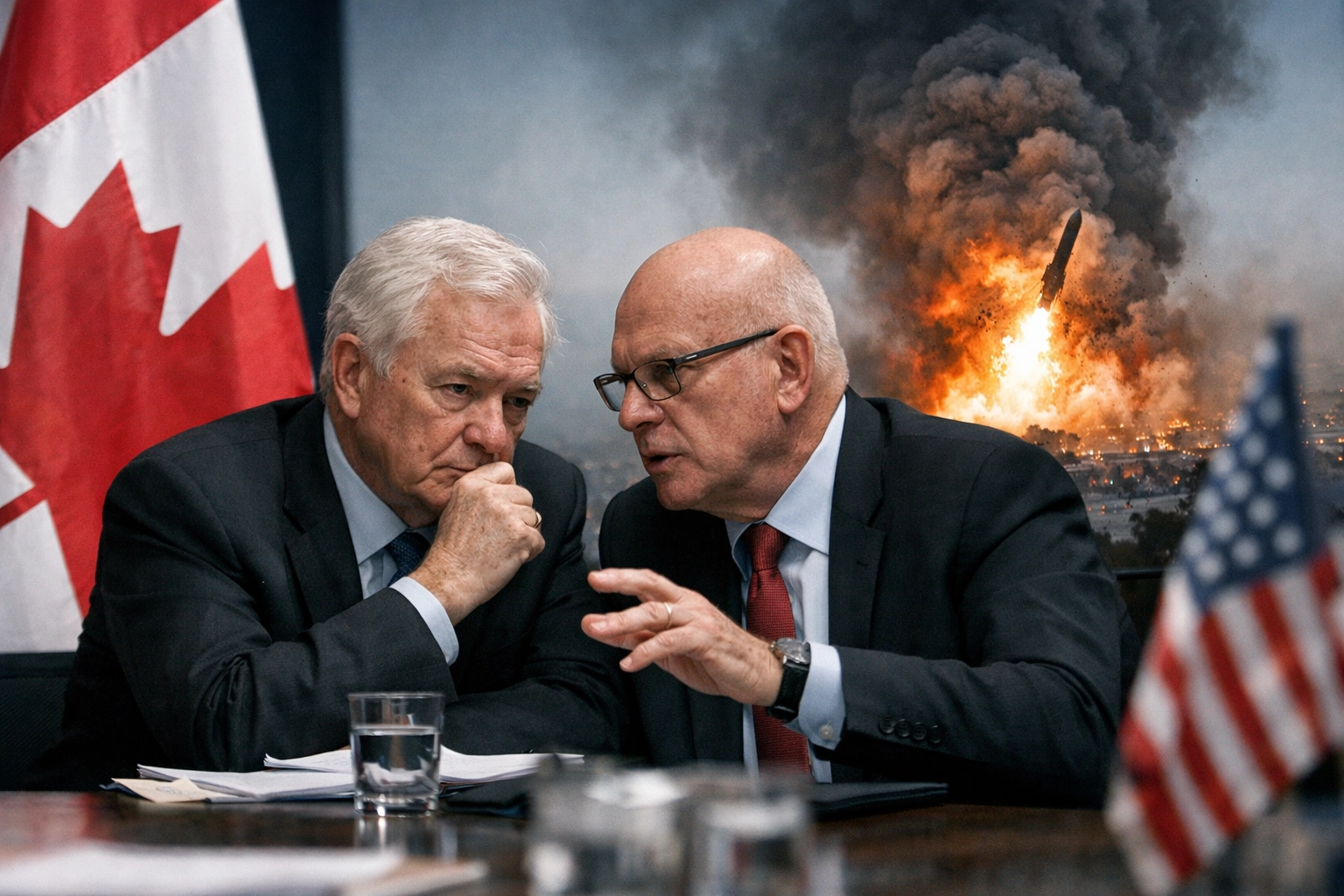
OTTAWA : The government of Prime Minister Mark Carney is facing a wave of criticism from a coalition of former high-ranking diplomats and international law experts over its vocal support for recent military strikes conducted by the United States and Israel against targets in Iran.
The dissenters, which include several former Liberal foreign ministers and veteran ambassadors, argue that the Canadian government is "abandoning" its traditional commitment to international law by failing to provide a rigorous legal justification for the strikes. The criticism centers on what many observers describe as a definitive shift in Canadian foreign policy toward a more hawkish alignment with Washington, at the potential expense of multilateral norms and the United Nations Charter.
While the Carney administration has framed its support as a necessary stance against regional destabilization, the growing chorus of experienced voices from Canada’s diplomatic past suggests a deep internal rift regarding the country’s role on the world stage.
A Definitive Endorsement Under Fire
The controversy began shortly after the Carney government issued a statement endorsing the airstrikes, which targeted military and strategic infrastructure within Iranian borders. Unlike some European allies who called for restraint or requested further evidence of an immediate threat, Ottawa provided a swift and unambiguous validation of the military action.
Analysts have noted that this stance is a departure from the more cautious, mediation-heavy approach typically favored by Canadian administrations in the Middle East. Stephanie Carvin, an international relations professor at Carleton University and a former national security analyst, expressed concern over the definitive nature of the Prime Minister’s support.
"The fact that he [Prime Minister Carney] did take this rather definitive stance in support of a military action whose objectives seem fluid and uncertain, and whose consequences could be grave," Carvin noted, highlighting the risks of endorsing military operations without a clear exit strategy or a publicly articulated legal framework.

Concerns Over International Law
The primary grievance cited by former diplomats is the perceived erosion of Canada’s adherence to the rules-based international order. In a series of public statements and editorials, critics have pointed out that the strikes likely constitute a violation of national sovereignty under the UN Charter, unless a clear case for "imminent threat" or collective self-defense can be established.
Former international law experts have raised the alarm that by supporting these strikes without a UN mandate or a clear legal rationale, Canada is setting a precedent that could be used by other nations to justify unilateral military action in the future. The Carney government has been notably reluctant to condemn these suspected violations, instead focusing on the "malign influence" of the Iranian regime as a justification for the operations.
For a country that has historically positioned itself as a champion of international institutions, this silence on the legalities of the strikes is being viewed by some as a significant pivot in Canadian values.
The Geopolitical Context and Regional Stability
The strikes come at a time of heightened tension across the Middle East. While the U.S. and Israel have maintained that the operations were necessary to degrade Iran's ability to project power through proxies and to disrupt its nuclear ambitions, critics argue that such actions often lead to unintended escalations.
Experts in Middle Eastern affairs have pointed to the history of regime change and military intervention in the region over the last three decades. They argue that efforts in Afghanistan and Iraq demonstrate that military force often fails to achieve long-term stability and frequently results in a power vacuum or prolonged insurgency.
"Regime change efforts over the last 30 years have not worked well," one analyst noted, suggesting that Canada’s endorsement of these strikes may tie the country to a strategy that has a proven track record of failure.
Tension Within Global Affairs Canada
The public criticism from former diplomats is reportedly echoed by private concerns within the halls of Global Affairs Canada. Sources suggest that professional staff are grappling with how to reconcile the government’s new policy direction with Canada’s existing treaty obligations and diplomatic history.
The debate in Ottawa has become increasingly polarized. Supporters of the Carney government argue that the world has changed and that "middle power" diplomacy must evolve to address the realities of modern warfare and state-sponsored terrorism. They contend that standing by Canada’s closest allies is a matter of national security and economic interest.
However, the opposing view: held by those who spent decades building Canada’s reputation as a "honest broker": is that this alignment diminishes Canada’s unique influence. They argue that if Canada becomes indistinguishable from U.S. foreign policy, it loses its ability to communicate with a broader range of international partners and to mediate in complex disputes.
Political Implications on Parliament Hill
The issue has also become a focal point in the House of Commons. Opposition parties have been divided on the matter, with some calling for a full parliamentary debate on Canada’s involvement and others demanding a clearer explanation of the legal advice the government received before issuing its endorsement.
The Carney government's foreign policy has been characterized by a pragmatic, often trade-focused approach, as seen in the recent $2.6 billion uranium deal with India. However, the military dimension of its Middle East policy is proving to be far more divisive.
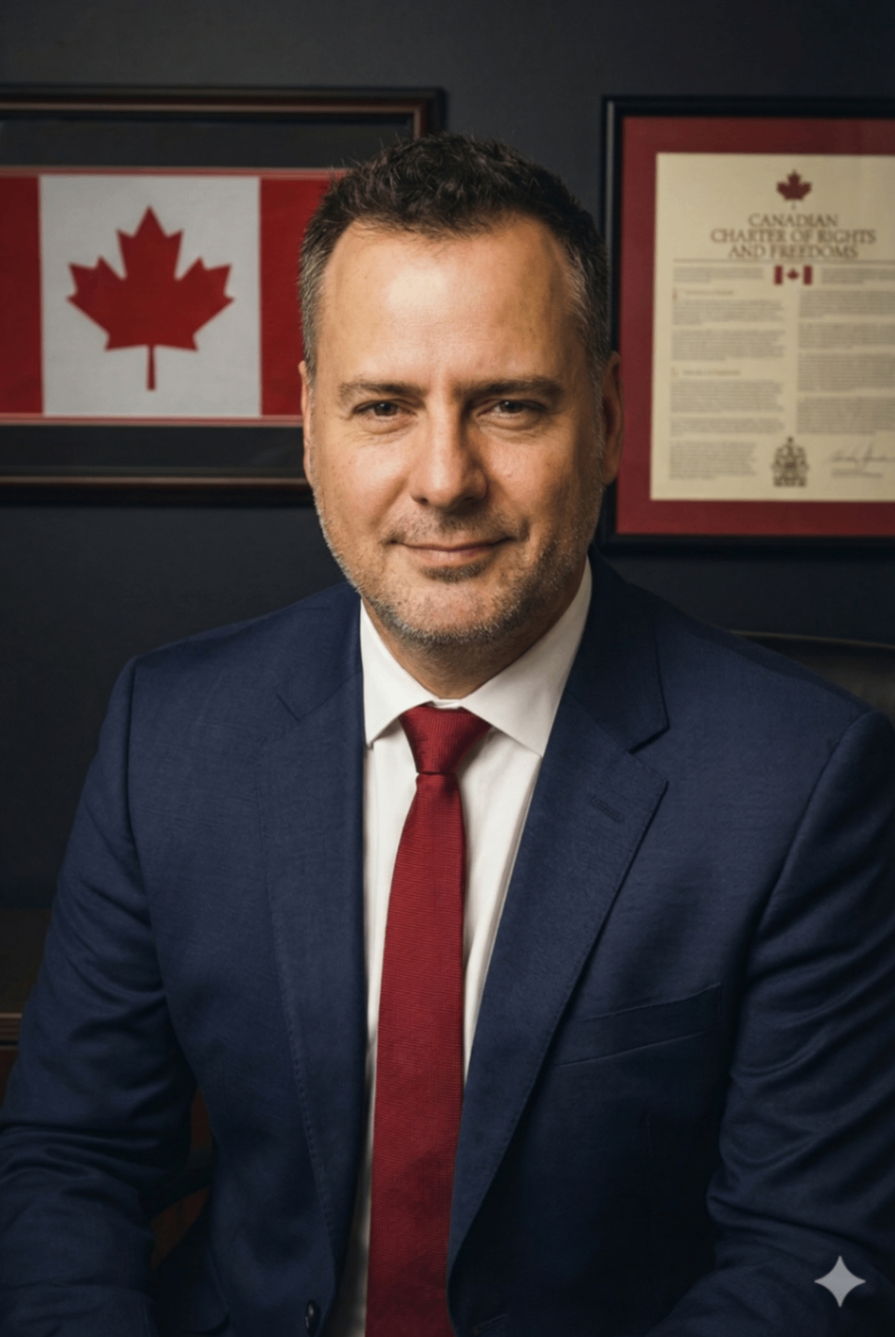
Critics have suggested that the government is prioritizing its relationship with the U.S. executive branch over traditional Canadian principles. This shift was previously explored in discussions regarding U.S. trade policy and its impact on Canada, where the need for close alignment was balanced against the preservation of national sovereignty.
Looking Ahead: The Risks of Escalation
As the situation in the Middle East remains volatile, the Carney government shows no signs of retracting its support for the strikes. The Prime Minister’s office has reiterated that Canada stands with its allies in defending global security and that the Iranian regime’s actions cannot go unanswered.
The long-term impact on Canada’s diplomatic standing remains to be seen. If the strikes lead to a wider regional conflict, the government may find itself under increasing pressure to justify its early and enthusiastic support. Conversely, if the military action achieves its stated goals without a broader escalation, the Carney administration may see its approach vindicated in the eyes of its supporters.
For now, the criticism from former diplomats serves as a stark reminder of the challenges inherent in navigating a shifting global landscape. The debate over whether Canada should remain a steadfast defender of international law or a more active participant in allied military strategy is likely to continue for the foreseeable future.

Conclusion of a Shifting Doctrine
The current friction between the Prime Minister's Office and the diplomatic establishment highlights a fundamental question: What kind of power does Canada want to be in 2026? As the world moves away from the post-Cold War consensus and toward a more fragmented, multi-polar reality, the traditional "middle power" role is being tested like never before.
The criticism from former Liberal foreign ministers and law experts is not merely an academic exercise; it represents a concern that Canada is losing its voice on the international stage. Whether the Carney government’s new direction will strengthen Canada’s security or isolate it from the international community is a question that only time: and the results of these military actions: will answer.
For more updates on Canadian foreign policy and national news, visit The Canadianist News.