
Economy
Global Market Stability: Canada Joins Record Strategic Oil Release

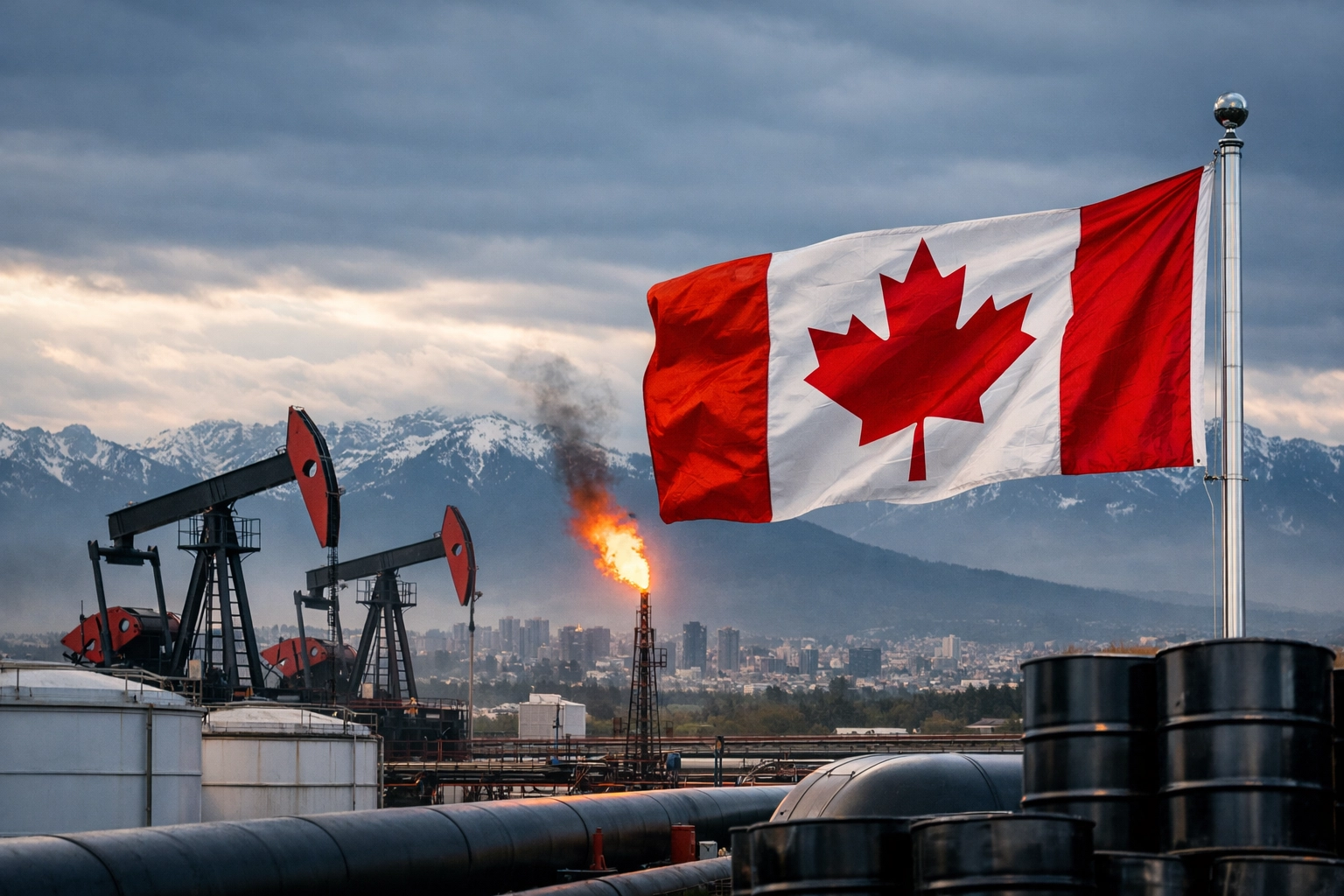
OTTAWA , The federal government announced on Sunday that Canada will participate in a historic, coordinated release of global oil reserves led by the International Energy Agency (IEA). The move comes as energy markets face extreme volatility following the effective closure of the Strait of Hormuz, a critical maritime artery for global energy supplies.
Canada is set to contribute 23.6 million barrels to a total IEA release of 400 million barrels, the largest such action in the organization’s history. The initiative is designed to mitigate a supply crisis triggered by the escalation of conflict in the Middle East, which has seen crude prices surge past US$120 per barrel in recent weeks.
A Historic Intervention in Global Energy Markets
The IEA’s decision to release 400 million barrels of crude is more than double the volume of the 2022 release following the invasion of Ukraine. The move follows the onset of hostilities involving Iran on February 28, which led to a near-total blockage of the Strait of Hormuz. This narrow waterway typically handles approximately 20 percent of the world’s daily oil consumption, and its disruption has created a sudden deficit of 15 to 20 million barrels per day in global markets.
Energy Minister Tim Hodgson stated that Canada’s participation is essential to maintaining domestic and international economic stability. "The scale of this disruption requires a collective and decisive response," Hodgson said during a press briefing in Ottawa. "Canada is working in lockstep with our G7 and IEA partners to ensure that supply chains remain functional and that the inflationary impact of this crisis is managed."

A high-quality, professional photograph of a major Canadian oil terminal at sunrise, illustrating the scale of domestic energy infrastructure.
Canada’s Unique Contribution Strategy
Unlike many other G7 nations, Canada does not maintain a federally owned Strategic Petroleum Reserve (SPR). Under IEA regulations, Canada is exempt from the requirement to hold emergency stocks equivalent to 90 days of net imports because the country is a net oil exporter. Consequently, Canada’s contribution of 23.6 million barrels will be sourced through a coordinated effort between the federal government, provincial authorities, and private sector producers.
The majority of this contribution is expected to come from commercial inventories and production adjustments. In addition to the one-time release, the federal government has confirmed that Canadian oil production will increase by 140,000 barrels per day starting in April. This represents a 2.6 percent increase over Canada’s 2025 average production of 5.3 million barrels per day. The increase is expected to be driven primarily by the Alberta oil sands, where producers are accelerating planned expansions to meet the current global demand.
To stay updated on the latest shifts in national energy policy, readers can visit the latest news section of our website.
Logistics and Provincial Cooperation
The execution of Canada’s commitment requires significant logistical coordination. Minister Hodgson noted that the federal government is in "constant communication" with the government of Alberta and industry leaders in Calgary to manage the outflow of crude. The primary goal is to ensure that domestic refineries in Eastern Canada remain adequately supplied while fulfilling the commitment to international allies.
Industry analysts suggest that the success of this release depends heavily on pipeline capacity and rail logistics. While the Trans Mountain Expansion (TMX) and other existing infrastructure have provided Canada with more flexibility than in previous decades, the sudden requirement for increased throughput toward both the Atlantic and Pacific coasts is testing the limits of the national grid.

A professional photograph of an oil refinery operation in Western Canada, highlighting the industrial complexity of meeting global supply demands.
Impact on Domestic Fuel Prices and Inflation
For Canadians, the most immediate concern remains the price at the pump. Since the blockade of the Strait of Hormuz began, gasoline prices in major markets like Toronto and Vancouver have risen sharply. While the 400-million-barrel release is intended to cool international crude prices, economists warn that the "inflation trap" remains a significant risk.
The Bank of Canada is currently monitoring the situation closely. With a cooling job market and an unemployment rate of 6.7 percent, the central bank faces a dilemma: keeping interest rates high to combat energy-driven inflation or lowering them to stimulate a slowing domestic economy. The federal government’s hope is that the IEA release will stabilize prices enough to prevent further aggressive rate hikes, which would place additional pressure on mid-tier and prime credit borrowers already struggling with mortgage debt.
Further details on the editorial team covering these economic shifts can be found on our meet the team page.
Beyond Crude: The Natural Gas Factor
While the IEA release focuses on crude oil, Minister Hodgson also indicated that Canada is preparing to expand natural gas exports. As global energy markets tighten, allies in Europe and Asia are seeking alternatives to Middle Eastern and Russian supplies.
"Energy security is not just about oil," Hodgson remarked. "Canada’s natural gas sector is ready to play a larger role in providing a stable, reliable fuel source to international markets in the coming months."
This move is seen as part of a broader "Global Stability Maneuver" by the Canadian government. By positioning the country as a reliable alternative during times of geopolitical chaos, Ottawa aims to secure long-term trade partnerships and reinforce Canada’s status as a top-tier energy superpower.

An aerial view of a Canadian natural gas processing facility, showcasing the secondary component of Canada's energy export strategy.
Expert Analysis: Will the Release Be Enough?
Despite the record-breaking nature of the 400-million-barrel release, some energy experts express skepticism regarding its long-term effectiveness. The 15-to-20-million-barrel-a-day gap created by the Hormuz blockade is vast, and the IEA release, while substantial, provides only a temporary bridge.
"The 400 million barrels will certainly take the 'fear premium' out of the market for a few weeks," says one independent energy analyst. "But if the Strait remains closed for months rather than weeks, we are looking at a structural deficit that no amount of strategic reserves can fully cover. The real solution lies in either a diplomatic resolution in the Middle East or a massive, sustained increase in production from non-OPEC+ members like Canada and the United States."
The 2022 release of 183 million barrels provided a blueprint for this type of intervention, but the current geopolitical climate is considered far more volatile. The IEA has signaled that it remains ready to take further action if market conditions do not improve by the second quarter of 2026.
Looking Ahead
As Canada begins the process of contributing its 23.6 million barrels, the focus remains on the balance between international obligations and domestic stability. The federal government has promised regular updates on production levels and the status of the "dollar-for-dollar" trade rules currently being debated in the House of Commons.
For more information on our corporate policies and reporting standards, please refer to our terms and privacy-policy.
The coming weeks will be critical for the global economy. As tankers begin to draw from strategic reserves across the G7, all eyes will be on the Persian Gulf and the ability of producers in the Alberta oil sands to ramp up production to meet a world in need of stability.
The Canadianist News will continue to monitor this developing story. Check back for updates on domestic fuel prices and further announcements from the International Energy Agency.
