Health
Systemic Overhaul: Alberta Health Issues 16 Recommendations After ER Tragedy

EDMONTON : Acute Care Alberta has released a formal review containing 16 specific recommendations for systemic change following a high-profile death at an Edmonton emergency department. The review, prompted by the passing of 44-year-old Prashant Sreekumar, identifies critical vulnerabilities in the province’s urgent care infrastructure, ranging from chronic understaffing to a lack of physical clinical space.
The findings, dated January 14, 2026, but only recently made public, underscore a growing crisis within the national healthcare landscape. Sreekumar died in December 2025 after waiting eight hours for medical attention at the Grey Nuns Community Hospital while complaining of severe chest pains. The subsequent investigation by health authorities suggests that his death was not an isolated failure of individual staff, but rather the result of a system operating beyond its intended capacity.
The Incident at Grey Nuns
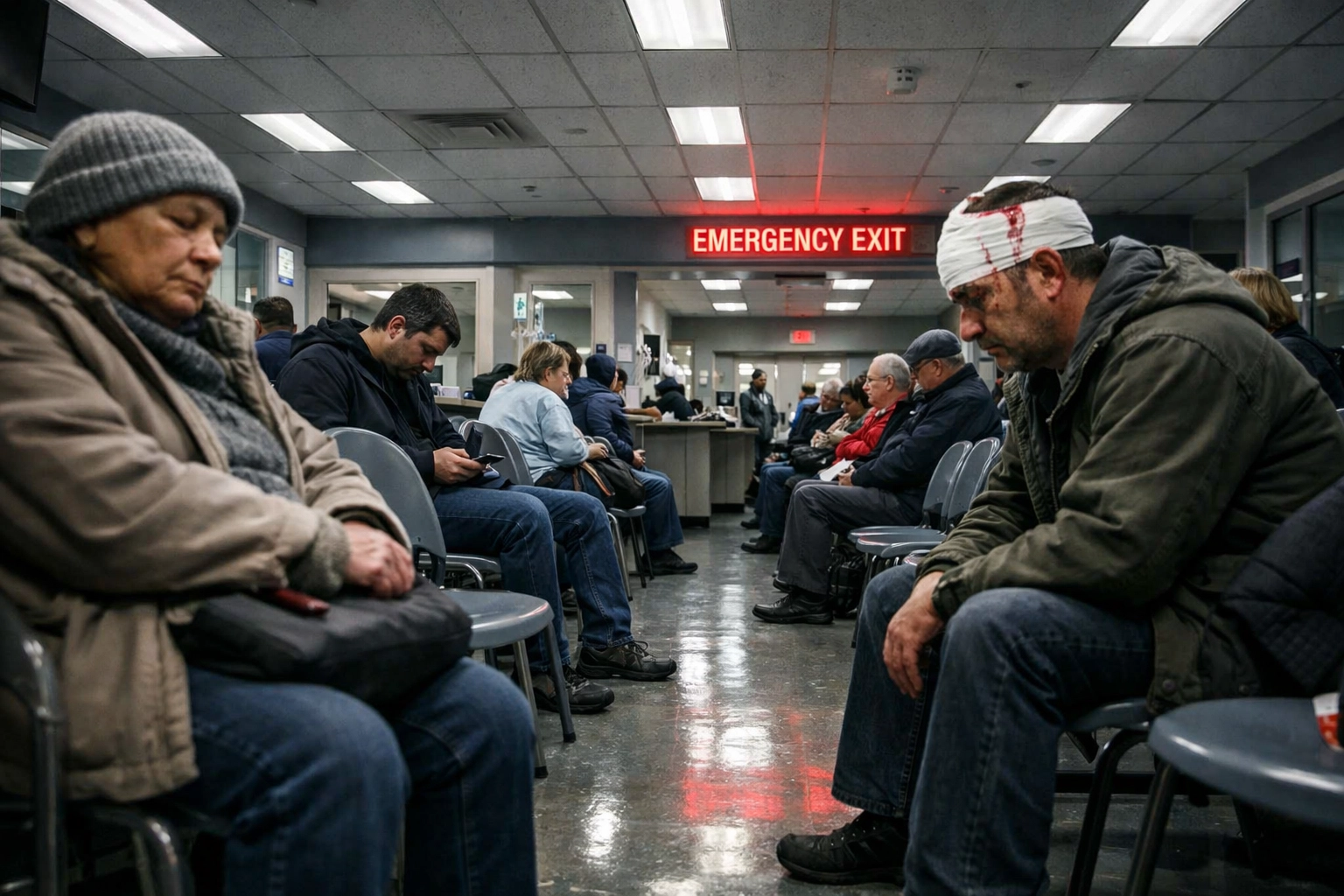
On a Friday evening in December, Prashant Sreekumar arrived at the Grey Nuns Community Hospital emergency department. Despite presenting with symptoms typically prioritized in triage: specifically chest pains: he remained in the waiting area for nearly a full work shift. By the time he was called for a physician assessment, Sreekumar had gone into cardiac arrest.
The review into his death highlights that during that eight-hour window, the hospital was experiencing "extreme surge conditions." The facility was reportedly operating with several nursing vacancies and a lack of available diagnostic technicians. This incident has become a focal point for healthcare advocates in Canada, who argue that "hallway medicine" has moved from a temporary inconvenience to a lethal systemic norm.

Staffing and Clinical Support Recommendations
A primary pillar of the 16 recommendations focuses on the immediate stabilization of the healthcare workforce. The report calls for local site administrations to expand emergency department staffing by converting existing temporary nursing positions into permanent, full-time roles. This move is designed to reduce the turnover and burnout associated with precarious employment in high-stress environments.
Furthermore, the review mandates the implementation of 24/7 coverage for electrocardiogram (ECG) technicians. In the Sreekumar case, the lack of immediate diagnostic support was cited as a contributing factor in the delay of his care. By ensuring that diagnostic staff are available around the clock, the health agency hopes to catch high-risk cardiac events in the waiting room before they escalate.
The report also recommends the introduction of "triage liaison physicians." These are senior medical staff whose primary role is to interact with patients while they are still in the waiting room, initiating tests and early treatments before a formal bed becomes available. This model has been tested in other jurisdictions to mitigate the risks associated with long wait times.
Infrastructure and "Hallway Medicine"
The second major focus of the recommendations addresses the physical limitations of Edmonton’s hospitals. For years, hospitals across the province have utilized temporary "hallway spaces" to manage patient overflows. The review calls for a transition away from these makeshift solutions toward dedicated, purpose-built clinical environments.
"Site administration should continue expanding the emergency department itself," the report states, emphasizing that temporary spaces lack the necessary medical equipment and privacy required for safe patient monitoring. This expansion, however, is contingent on the provincial government’s willingness to release capital funding: a point of contention in current politics.


Accountability and Performance Metrics
To ensure these changes are not merely cosmetic, Acute Care Alberta has proposed a new accountability framework. This system would establish clear, public-facing performance measures for every emergency department in the province. Key metrics would include:
- Time from Arrival to Triage: The duration between a patient entering the facility and their initial assessment.
- Time to See an ER Doctor: The specific window in which a patient must be seen by a physician based on their triage level.
- Time to Consult or Discharge: Monitoring the efficiency of moving patients from the emergency room into specialized wards or back home.
Under the proposed framework, hospital leadership would be held accountable for consistent failures to meet these benchmarks. The goal is to create a data-driven approach to hospital management where bottlenecks are identified and addressed in real-time.
Implementation and Funding Concerns
While the recommendations have been largely welcomed by medical professionals, the Sreekumar family and their legal representatives have expressed skepticism regarding the timeline for implementation. A spokesperson for the family pointed out that many of the most critical recommendations: such as staffing increases and physical expansions: require significant capital and operational funding.
Because the provincial budget for the 2026 fiscal year has already been passed, there are concerns that these recommendations will remain unfunded for another calendar year. "Recommendations without a budget are just suggestions," the family spokesperson stated during a press briefing. "We need to see a clear commitment of dollars and a firm deadline for when these 16 points will be fully realized."

Transparency and Public Trust
The timing of the report’s release has also sparked debate. Although the internal review was completed on January 14, it was not shared with the public or the family until mid-March. This two-month delay has raised questions about the transparency of Alberta’s newly restructured health agencies.
Critics argue that the delay in releasing the findings prevented a more robust discussion during the spring budget sessions. The provincial government, however, maintains that the delay was necessary to ensure all stakeholders were properly consulted and that the recommendations were actionable before being published.
The Broader Provincial Context
The tragedy at Grey Nuns comes at a time of massive transition for healthcare in Alberta. The province is currently in the midst of dismantling Alberta Health Services (AHS) and replacing it with four specialized agencies: primary care, acute care, continuing care, and mental health and addiction.
This restructuring has been met with both optimism and concern. Proponents argue that the move will reduce bureaucracy and allow for more specialized management of the "acute care" sector, where the ER crisis is most felt. Opponents, including several healthcare unions, worry that the transition is creating administrative chaos at a time when frontline stability is desperately needed.
The recommendations issued this week serve as a litmus test for the new "Acute Care Alberta" agency. If the agency can successfully implement these 16 points and secure the necessary funding, it may provide a roadmap for resolving similar crises in Calgary and Red Deer. If not, the death of Prashant Sreekumar may continue to serve as a grim reminder of the costs of systemic stagnation.

Next Steps for Patient Safety
As the public inquiry into Sreekumar’s death continues, the focus remains on whether the provincial government will treat this report as a mandate for change or a document for future consideration. For the staff at Grey Nuns and other Edmonton hospitals, the pressure remains high. Recent data suggests that wait times have not significantly decreased since December, as respiratory viruses and an aging population continue to strain the system.
For now, the healthcare community awaits the provincial response to the funding requirements of the 16 recommendations. Until then, the "systemic overhaul" promised by the health agency remains a plan on paper, while the reality on the ground in Alberta’s emergency rooms remains largely unchanged.
For more updates on healthcare and policy developments, visit our national news section or follow our economy coverage for the latest on provincial budget allocations.