The Canadianist: Journeys
The Space Between Us


I had a long conversation tonight with a woman who doesn’t really speak English.
I don’t speak Turkish.
Not very long ago, that probably would have meant we didn’t have much of a conversation at all.
She would have gotten into my car, told me where she was going, and we might have managed a few words along the way. I would have dropped her off, wished her a good night and driven away knowing absolutely nothing about her.
Instead, we talked for most of the ride.
We used live translation. I spoke in English, the phone gave it to her in Turkish, she answered in Turkish, and it came back to me in English.
It wasn’t perfect. Sometimes we had to clarify something. Sometimes the translation produced something slightly strange. Toronto traffic gave us plenty of time to work through it.
But we talked.
She’s been in Canada for about a year. She came from Turkey with her husband and their young son, who’s about three and a half.
I asked her why they came.
There was a story there, but I could tell pretty quickly that it wasn’t one she wanted to tell. She said the circumstances were complicated and connected to things they had experienced in Turkey. Talking about it was difficult for her.
So I left it alone.
What she did tell me was that her family feels safe here.
They arrived without family and without much of a support network. Over the past year they’ve started making friends, some Turkish and some from other communities. She talked about Mexican friends they’ve made and how those friendships have actually helped her English because she can’t retreat into Turkish when they’re together.
Her English is coming along.
She can order food, go shopping and handle the basics of everyday life. She understands how English sentences are constructed. Speaking is harder.
She still thinks in Turkish.
Before she can say something to an English speaker, she has to form the thought in Turkish and translate it in her head. Anyone who has seriously tried to learn another language knows that stage. Eventually, if you stick with it long enough, something changes. You stop translating every sentence and start thinking in the other language.
I told her to give herself time.
She watches English television with subtitles and has already picked up a lot of vocabulary that way. She wants to try shadowing, where you listen to someone speaking and repeat what they’re saying as closely as possible. Her goal is to eventually watch television without needing the subtitles.
What she really needs is time and people to talk to.
Time is in short supply when you’re raising a three-year-old.
She used to read a lot in Turkey. She misses it. She’d like to take English classes, visit museums and spend more time learning, but right now much of her day revolves around her son.
When he starts school, she figures she’ll get some of that time back.
Her husband is dealing with his own version of starting over.
He had a professional career in Turkey. She described him as a business development specialist and told me he’d worked with TÜBİTAK, an important Turkish scientific and technological research organization.
Here, he’s working in construction.
His English isn’t yet strong enough for him to easily return to the kind of professional work he did back home.
There’s something very Canadian in that story.
The person pouring concrete beside you, driving your cab, stocking a shelf or delivering your dinner may have been an engineer, a scientist, an accountant or a business executive somewhere else.
You don’t know until you talk to them.
Her husband hasn’t abandoned his ambitions. He’s developing a program using artificial intelligence and has figured out an interesting way of working with it. He’ll have one AI produce something and another check the work.
We talked about that for a while.
They use AI at home too. Sometimes they ask it questions about parenting and their son’s future. Sometimes they use it to tell him stories and make funny sounds.
Apparently he loves it.
He’s three years old and already considers talking to a machine perfectly normal.
That kid is going to grow up in a world his parents and I are still learning how to navigate.
Then again, so will all of our kids.
We talked about driving. She has a Turkish driver’s licence but hasn’t started the process of getting one here yet. She likes driving and misses it, although she knows Canadian roads will take some getting used to.
Toronto traffic provided a fairly convincing demonstration.
Our navigation kept insisting we were eight minutes away.
We drove.
Eight minutes.
We drove some more.
Still eight minutes.
There are some things artificial intelligence apparently can’t fix.
We talked about where her family might eventually settle.
Toronto has opportunities, particularly for her husband’s career, but it’s expensive. Windsor has come up as a possibility. If he can return to his profession or establish his own business, their options become much wider.
Nothing about what they want struck me as particularly unusual.
They want to raise their son.
They want decent work.
They want to pay their bills without being crushed by them.
They want to build some security, have a little money left over and live their lives with some dignity.
Forget for a moment that they came from Turkey.
That’s a Canadian family.
They’re trying to navigate the same changing economy, housing costs, technology, work, parenting and uncertainty as millions of other families in this country.
Their starting point is different.
The destination really isn’t.
Eventually, I explained why I’d been asking her all these questions.
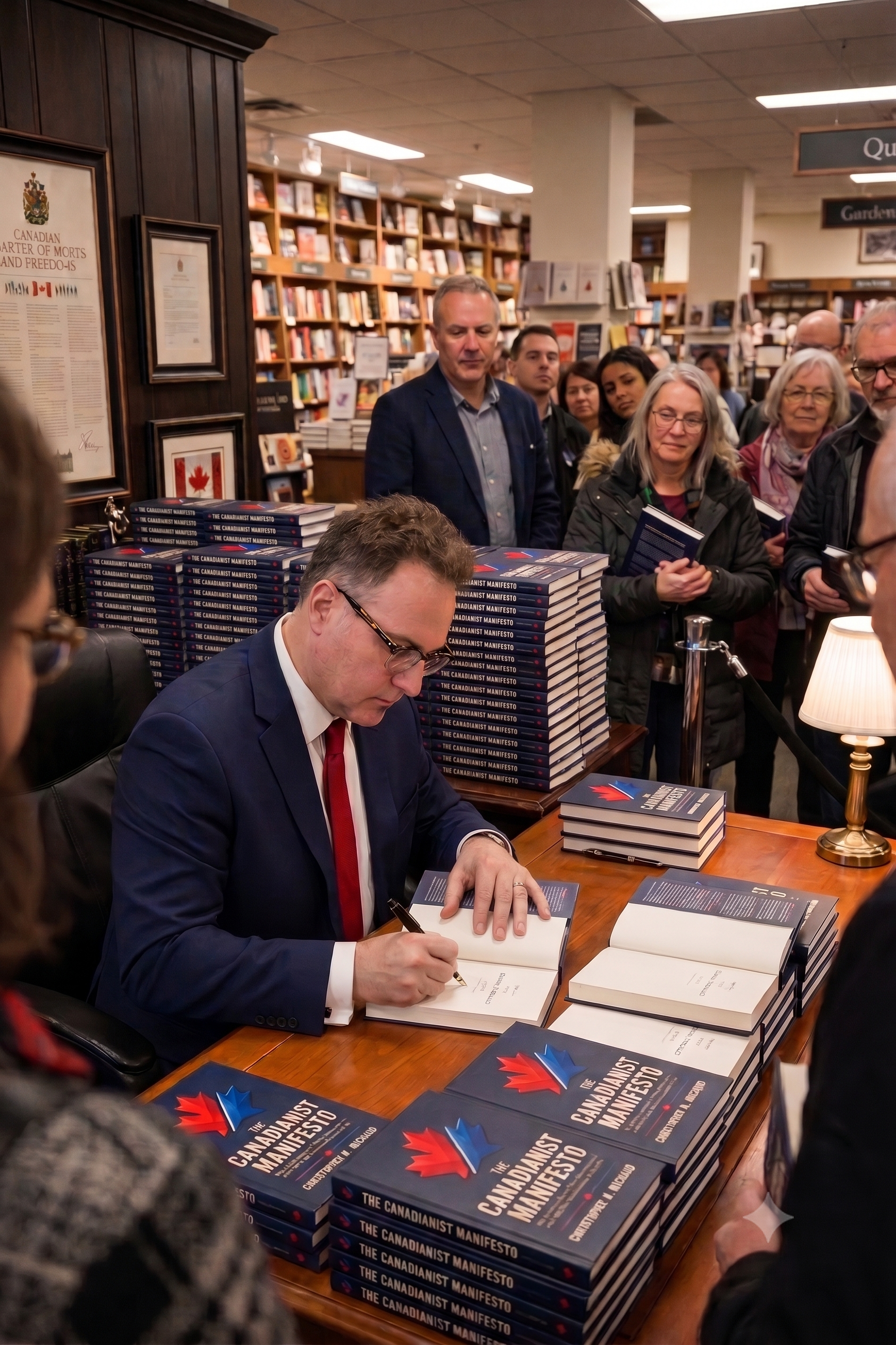
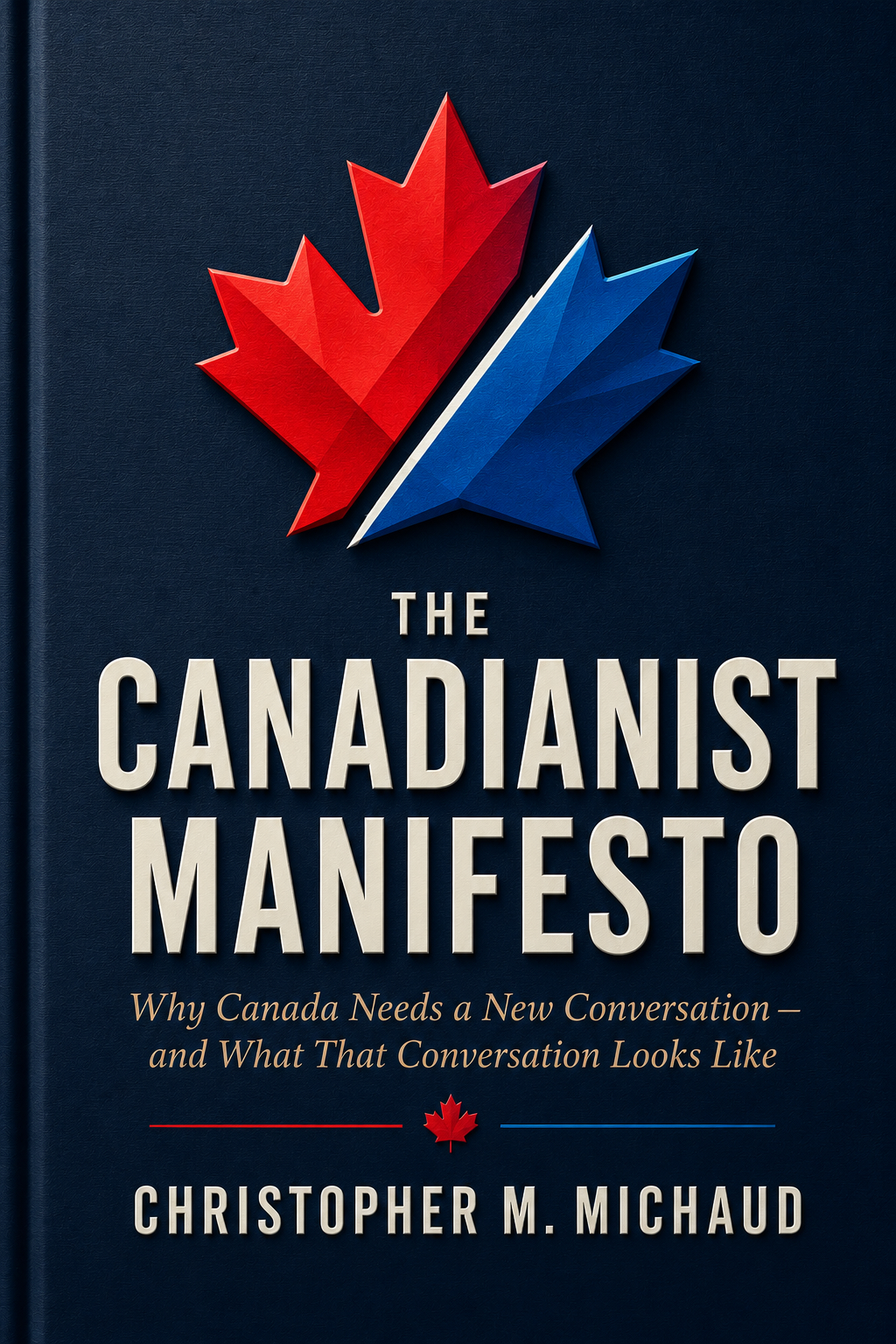
I showed her one of my books and told her about The Canadianist. I explained that I write about Canada and the things affecting the people who live here. I told her that one of the reasons I still drive is because it puts people in my car whom I would probably never meet otherwise.
People like her.
She said she wished she could read my work.
Maybe one day, I told her, it’ll be translated into Turkish.
The funny thing is that we didn’t need to wait for that translation to talk to each other.
When I first started driving rideshare, a conversation like this would have been much harder. The technology existed in pieces, but not like this. Not something ordinary people could pull out of a pocket and use naturally enough to carry on a long conversation.
That has changed remarkably quickly.
And in Canada, I think that has consequences beyond convenience.
We’ve never been more diverse.
People have arrived here from virtually everywhere, bringing different languages, religions, customs, histories and ways of looking at the world. We live beside one another, but that doesn’t automatically mean we know one another.
There can be a space between communities.
I’ve written before about Canadianism as the thread that can stitch those communities together. It doesn’t require us to erase where we came from or pretend our differences don’t exist. It asks what we’re going to share now that we’re here.
What kind of country do we want to live in?
What do we owe one another as citizens?
How do we raise our families, treat our neighbours and build something together despite everything that makes us different?
Those questions require us to talk to each other.
We have fewer excuses than ever not to.
Tonight, a Canadian-born guy and a Turkish woman sat in a car crawling through Toronto traffic and talked about her husband, her son, careers, books, parenting, language, artificial intelligence, driving, housing, Canada and the future.
Neither of us could speak the other’s language.
A few years ago, we might have sat mostly in silence.
Instead, somewhere along the way, she told me about a Turkish expression she likes.
One language, one person.
Two languages, two people.
I liked that.
By the time we reached her destination, I knew something about the woman who’d gotten into my car. I knew about the family she and her husband were trying to build here. She knew something about me too.
Before she left, I gave her my card.
I told her to look me up so she’d understand why I’d given it to her. And I told her that if she or her husband ever needed information, resources or a little help figuring something out in Canada, they could reach out.
She thanked me.
She told me it had been a very nice journey.
I thought so too.
For all the talk about Canada’s differences, maybe closing the space between us sometimes begins with something considerably smaller.
Two people who couldn’t speak to each other did anyway.