Listeners:
Top listeners:
-
 play_arrow
S1 E9 | Are We That Incompetent? Canada vs Saudi Arabia
-
 play_arrow
S1 E2 | Milk, Markets, and the Cost of Protection

Canadian Inflation Slows to 2.3% in January as Gas Prices and Tax Relief Ease Pressure
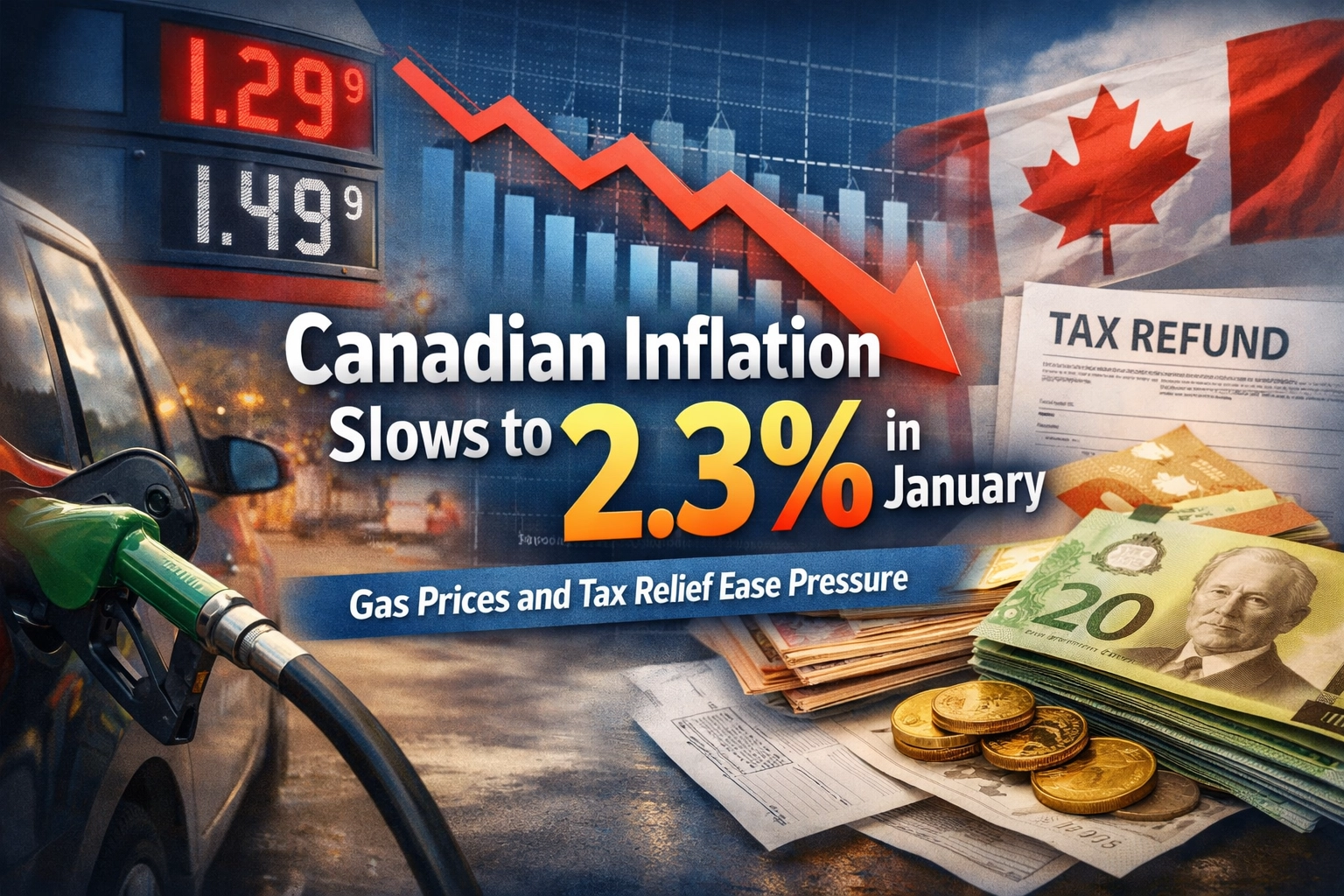
Statistics Canada reported Tuesday that the country’s annual inflation rate declined to 2.3 percent in January 2026, down from 2.4 percent in December 2025. The slowdown marks a continuation of the cooling trend that has characterized the Canadian economy over recent months.
Gasoline Prices Drive Overall Decline
The primary factor behind January’s deceleration was a significant drop in gasoline prices. Year-over-year, pump prices fell 16.7 percent in January, compared with a 13.8 percent decline recorded in December.
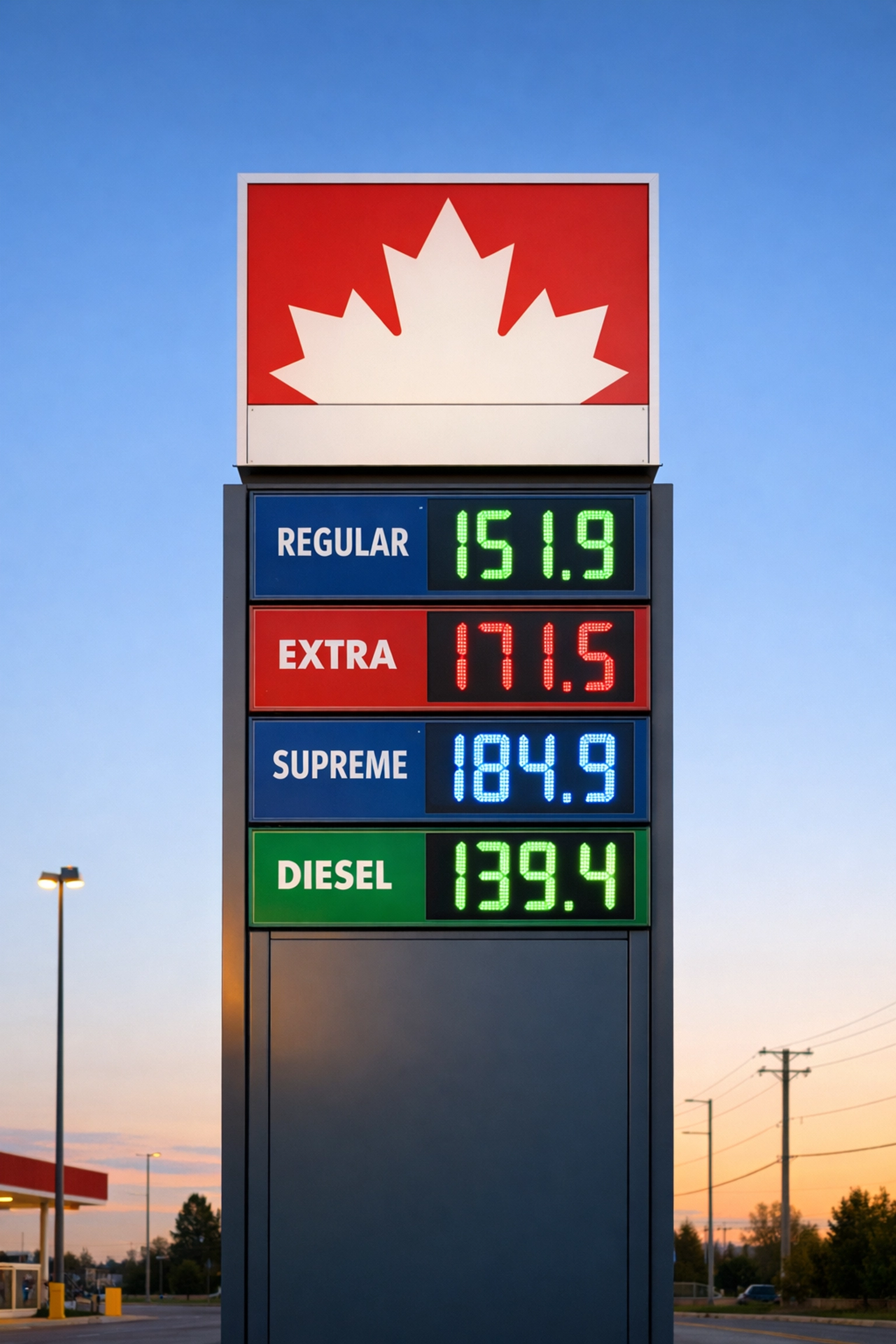
Statistics Canada attributed much of this decrease to a base-year effect. Crude oil prices had risen substantially in January 2025, creating a high comparison point for the current year’s data. When gasoline is excluded from the Consumer Price Index (CPI), the inflation rate stood at 3.0 percent in January, unchanged from December’s figure.
The divergence between headline inflation and the gasoline-excluded measure highlights the outsized impact energy prices continue to have on Canada’s overall cost-of-living calculations.
Core Inflation Measures Show Moderation
Core inflation indicators, which strip out volatile items like food and energy, also demonstrated continued moderation in January. Excluding food and energy, the CPI rose 2.4 percent year-over-year, down from 2.5 percent in the previous month.
The Bank of Canada tracks two preferred core measures: CPI-median and CPI-trim. Both showed easing in January. CPI-median dropped to 2.5 percent from 2.6 percent in December, while CPI-trim fell to 2.4 percent from 2.7 percent.
These core measures are closely watched by monetary policymakers as they provide a clearer picture of underlying price pressures in the economy, filtering out short-term fluctuations in specific categories.
Tax Relief Creates Upward Pressure in Select Categories
A temporary federal goods and services tax (GST) and harmonized sales tax (HST) break that ended in February 2025 continues to influence year-over-year comparisons. The tax holiday, which applied to certain consumer goods, created downward price effects during its implementation period. Now, one year later, prices in those categories show higher year-over-year increases.
Restaurant food prices rose 12.3 percent in January compared with the same month in 2025. Alcoholic beverages purchased from stores increased 7.9 percent, while children’s clothing climbed 6.3 percent year-over-year.
Economists note these increases reflect the end of the temporary tax relief rather than genuine inflationary pressure in these categories. As the base-year effect of the tax holiday works its way through the data in coming months, these distortions are expected to normalize.
Food Costs Remain Elevated
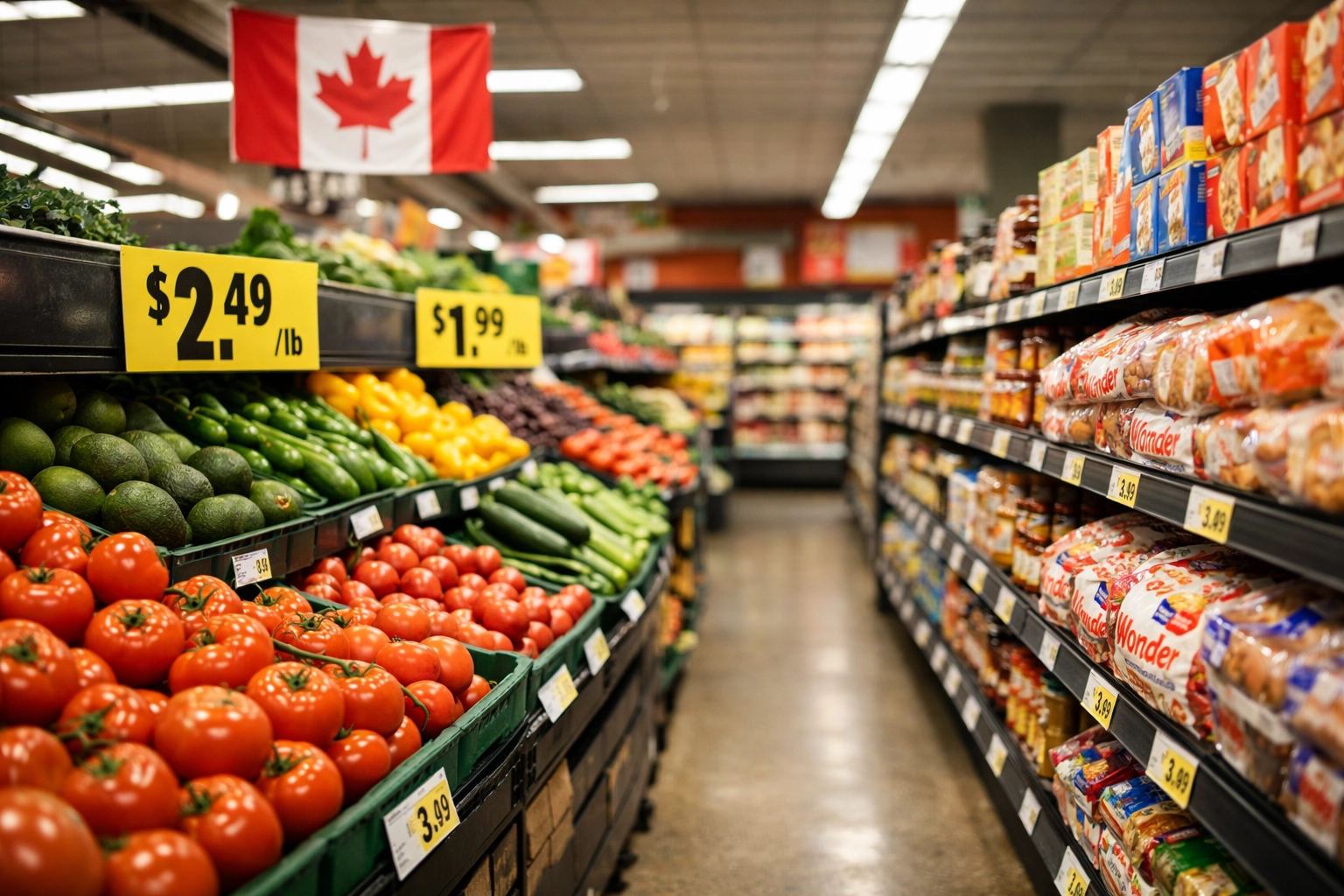
Food prices overall rose 7.3 percent year-over-year in January, driven largely by the spike in restaurant meal costs. Grocery prices, while still elevated compared with pre-pandemic levels, have shown less dramatic increases than food service establishments.
The persistent increase in restaurant prices reflects a combination of factors, including higher labour costs, elevated food input prices, and the end of the aforementioned tax break on prepared meals.
Food inflation remains a significant concern for Canadian households, particularly those in lower income brackets where food represents a larger share of total spending.
Shelter Costs Show Modest Deceleration
Shelter costs, which constitute the largest single component of the CPI basket, rose 1.7 percent year-over-year in January. This represents a deceleration from previous months, though the category remains a key contributor to overall inflation.
Rental costs specifically increased 4.3 percent year-over-year, down from a 4.9 percent increase in December. The moderation in rent inflation suggests some cooling in Canada’s tight housing market, though rental costs continue to rise faster than overall inflation.
Mortgage interest costs, which had been a major driver of shelter inflation during the Bank of Canada’s interest rate hiking cycle, have stabilized as policy rates have held steady in recent months.
Implications for Bank of Canada Policy
The January inflation data is likely to reinforce the Bank of Canada’s current stance on monetary policy. With headline inflation at 2.3 percent and core measures ranging between 2.4 and 2.5 percent, price growth remains near the central bank’s 2 percent target.
Market analysts widely expect the Bank of Canada to hold its policy interest rate steady at its next decision date. The current rate environment, combined with moderating inflation and a cooling labour market, suggests policymakers are unlikely to make significant moves in the near term.
However, the Bank continues to monitor underlying price pressures, particularly in service categories and wage growth indicators, which can provide early signals of persistent inflation.
Regional and Categorical Variations
While national inflation has moderated, Statistics Canada data shows variations across provinces and specific spending categories. Energy-producing provinces have seen different inflation patterns than central Canada, reflecting regional economic conditions and local supply-demand dynamics.
Transportation costs beyond gasoline, including vehicle purchases and insurance, have shown mixed trends. Used vehicle prices have cooled significantly from pandemic-era peaks, while new vehicle prices remain elevated due to ongoing supply chain constraints in the automotive sector.
Looking Ahead
Economists project inflation will continue to hover near current levels through the first half of 2026, barring significant shocks to energy prices or other major economic disruptions. The combination of moderating core inflation, stable monetary policy, and gradually easing supply chain pressures suggests a period of relative price stability ahead.
However, several factors could influence the inflation outlook in coming months. Global commodity price movements, particularly for oil and agricultural products, remain unpredictable. Geopolitical tensions and trade policy changes also pose risks to price stability.
The January CPI report will be followed by additional data releases in the weeks ahead, including employment figures and retail sales numbers, which will provide further insight into the health of the Canadian economy and the sustainability of the current inflation trajectory.
Statistics Canada will release the February inflation data on March 17, 2026, providing the next update on price trends across the country.


Post comments (0)