Listeners:
Top listeners:
-
 play_arrow
S1 E9 | Are We That Incompetent? Canada vs Saudi Arabia
-
 play_arrow
S1 E2 | Milk, Markets, and the Cost of Protection

Quebec City Top 5: Morning News Roundup – February 18, 2026

Good morning, Quebec City. Here are the top five stories you need to know today, Wednesday, February 18, 2026.
1. Major Traffic Disruptions Begin as Tramway Infrastructure Work Launches
Preparatory infrastructure work for Quebec City’s 19-kilometre tramway network began overnight, causing significant disruptions along René-Lévesque Boulevard starting this morning.
The initial phase of construction focuses on underground utility relocation and ground preparation along the central corridor. Crews will be working on René-Lévesque Boulevard between the downtown core and the western sectors of the city.

Motorists should expect lane reductions, detours, and increased travel times during both morning and evening rush hours. The city’s transportation department has advised commuters to add an additional 15 to 20 minutes to their regular travel times when using affected routes.
Public transit users will see temporary bus route modifications as STM adapts service around the construction zones. The transit authority has deployed additional buses on parallel routes to accommodate displaced passengers.
The tramway project, approved by city council in 2024, represents one of the largest infrastructure investments in Quebec City’s modern history. When completed, the network will connect key areas of the city with electric rail service designed to reduce traffic congestion and greenhouse gas emissions.
City officials estimate the preparatory work phase will continue through spring 2026, with major construction on the tramway rails and stations beginning in summer. The full network is scheduled to become operational by 2029.
2. Quebec City Commits $730,000 to Cover Videotron Centre Deficit
The City of Quebec confirmed this morning it will transfer $730,000 to cover the operational deficit at Videotron Centre for the current fiscal year, fulfilling terms of its partnership agreement with Quebecor.
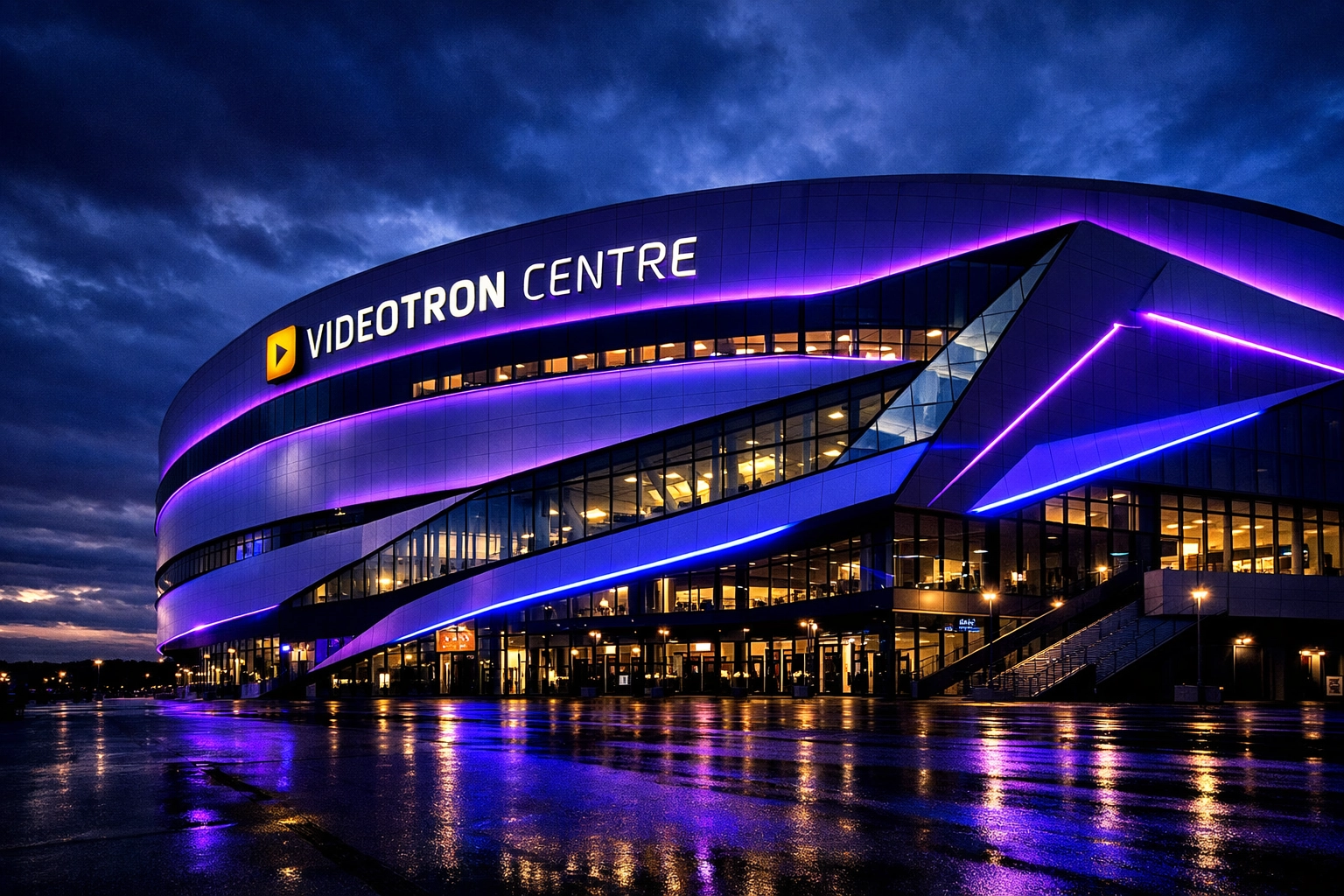
The payment addresses shortfalls in the arena’s operating budget, which has been impacted by fluctuating event schedules and ongoing competition for major entertainment bookings. The 18,259-seat facility, which opened in 2015, serves as home to the Quebec Remparts junior hockey team and hosts concerts, sporting events, and other large-scale gatherings.
Under the original public-private partnership agreement, the city agreed to provide financial support when the arena’s revenues fall short of covering operational costs. Quebecor manages the facility’s day-to-day operations and programming.
City Treasurer Marie-Josée Asselin stated the payment reflects standard provisions outlined in the long-term agreement and does not represent an unexpected expense. The funding will be drawn from the city’s contingency reserve allocated specifically for contractual obligations related to major municipal facilities.
Videotron Centre has generated economic activity in the surrounding neighborhood since its opening, though debate continues regarding the long-term financial sustainability of publicly subsidized entertainment venues. The facility has attracted major touring acts and sporting events that previously bypassed Quebec City due to lack of a modern arena.
The city’s 2026 budget includes provisions for potential additional support payments to the arena based on performance metrics outlined in the partnership agreement.
3. SAAQ Cost-Overrun Inquiry Report Released Today
The highly anticipated inquiry report examining the $500-million cost overrun at Quebec’s auto insurance board, the Société de l’assurance automobile du Québec (SAAQ), will be publicly released this morning.
The investigation was launched in late 2025 after revelations that a major technology modernization project had exceeded its original budget by hundreds of millions of dollars. The overruns raised questions about project management, oversight, and contractor accountability within the provincial agency.

The inquiry, led by independent auditor François Bergeron, examined procurement processes, timeline management, and decision-making procedures that contributed to the massive budget inflation. Bergeron’s team reviewed thousands of documents and conducted interviews with current and former SAAQ officials, technology contractors, and provincial oversight authorities.
Early indications suggest the report will identify significant deficiencies in project governance and cost control mechanisms. Sources familiar with the investigation have indicated the findings may recommend substantial reforms to how large-scale government technology projects are planned and executed.
The SAAQ provides mandatory automobile insurance coverage for all Quebec drivers and manages vehicle registration and driver licensing. The agency’s technology infrastructure is critical to processing millions of transactions annually.
Provincial opposition parties have called for accountability measures and potential disciplinary action against officials responsible for the cost overruns. The Quebec government has indicated it will review the report’s recommendations and respond with an action plan within 30 days of publication.
The full report will be available on the provincial auditor’s website beginning at 10:00 AM today.
4. Historic Colisée Arena Demolition Plans Finalized
Final plans for the demolition of the 76-year-old Colisée arena have been approved, with the two-year dismantling project expected to cost approximately $20 million.
The historic facility, which served as home to the Quebec Nordiques NHL franchise from 1972 until the team’s departure in 1995, has stood largely unused since Videotron Centre opened in 2015. The arena hosted countless memorable sporting events, concerts, and community gatherings over its seven-decade lifespan.

The demolition timeline extends to two years due to the careful removal of materials containing asbestos and other hazardous substances common in buildings of that era. Specialized contractors will dismantle the structure in phases, with environmental safety protocols guiding each stage of the work.
The city plans to preserve certain architectural elements and memorabilia for historical archives and potential future display. Items under consideration for preservation include original seating sections, team locker room features, and structural components of historical significance.
Once demolition is complete, the 4.5-hectare site will be redeveloped as mixed-use urban space. Current proposals include residential housing, commercial retail, and public green space designed to integrate with the surrounding ExpoCité neighborhood.
The Colisée’s closure marks the end of an era for Quebec City sports fans who witnessed legendary hockey moments within its walls. Many residents have expressed mixed emotions about the demolition, acknowledging the need for urban renewal while mourning the loss of a cultural landmark.
Demolition work is scheduled to begin in April 2026, with site preparation activities starting in the coming weeks.
5. Winter Carnival Continues with Château Frontenac Rappelling Attraction
The 2026 Quebec Winter Carnival continues today with expanded programming, including a new rappelling experience at the iconic Château Frontenac hotel that has attracted significant attention from tourists and local adventure seekers.
The controlled descent activity allows participants to rappel down the exterior of the historic fortress-style hotel under professional supervision. The attraction, approved through a special partnership between carnival organizers and hotel management, offers a unique perspective of Old Quebec and the St. Lawrence River.
Early ticket sales for the rappelling experience exceeded expectations, with many time slots fully booked through the carnival’s conclusion. Tourism officials report the innovative attraction has generated substantial media coverage and social media engagement, enhancing the festival’s profile nationally and internationally.
Traditional carnival activities continue throughout the city, including ice sculpture competitions, snow bath ceremonies, night parades, and outdoor musical performances. The festival’s mascot, Bonhomme Carnaval, has been making appearances at schools and community centers, maintaining the event’s family-friendly traditions.
Local businesses report strong revenue increases during the carnival period, with hotels, restaurants, and retail establishments benefiting from the influx of visitors. Tourism Quebec estimates the 2026 carnival will attract approximately 600,000 participants over its 17-day run.
The carnival concludes on February 23, 2026, with a closing ceremony and final parade through the historic downtown core.
This has been your Quebec City Top 5 morning news roundup for Wednesday, February 18, 2026. Stay informed with Quebec Bureau throughout the day for developing stories and breaking news.


Post comments (0)