Listeners:
Top listeners:
-
 play_arrow
S1 E9 | Are We That Incompetent? Canada vs Saudi Arabia
-
 play_arrow
S1 E2 | Milk, Markets, and the Cost of Protection

The Ultimate Guide to Today’s Maritimes News: Top 5 Stories for Nova Scotia, NB, and PEI
As we move into the final days of February 2026, the landscape across the Canadian Maritimes and Newfoundland and Labrador is shifting rapidly. From significant federal investments in traditional industries to evolving demographic trends and energy logistics, the Atlantic region is navigating a complex economic environment.
In today’s briefing for Thursday, February 26, 2026, MARITIMES BUREAU breaks down the top five news stories impacting Nova Scotia, New Brunswick, Prince Edward Island, and Newfoundland and Labrador. Whether you are tracking the Maritimes economy, looking for the latest Halifax news, or keeping an eye on Atlantic Canada politics, these are the developments you need to know.
1. Federal Government Injects $2.8 Million into Maritime Forestry
The forestry sector remains a cornerstone of the rural economy in both New Brunswick and Nova Scotia. Yesterday, the Government of Canada announced a combined $2.8 million in funding aimed at seven distinct forestry projects across the two provinces. This investment is designed to modernize the industry, focusing on value-added products and the expansion of mass timber usage in the construction sector.
Of the seven projects, the Global Forest Leadership Program is a standout initiative. In Fredericton, New Brunswick, $45,000 has been allocated to help local manufacturers navigate international trade barriers. Similarly, in Amherst, Nova Scotia, $28,750 was granted to promote sustainable forest products on a global scale.

The core objective of this funding is two-fold: supporting Indigenous-led forestry businesses and increasing the capacity of local mills to produce more than just raw lumber. By pivoting toward mass timber: a high-tech, compressed wood product used as a sustainable alternative to steel and concrete: the region hopes to capitalize on the growing demand for "green" building materials. For the New Brunswick news cycle, this is seen as a vital step in maintaining the competitiveness of the provincial wood supply chain against international rivals.
2. Mining Investment Rankings: A Regional Divide
The latest annual rankings for mining investment attractiveness have been released, revealing a stark contrast between Newfoundland and Labrador and its Maritime neighbors. While St. John's, NL news outlets are celebrating the province's continued status as the top-rated jurisdiction for mining investment in Atlantic Canada, the outlook is less optimistic for New Brunswick and Nova Scotia.
In the current report, New Brunswick has fallen to 37th place globally, while Nova Scotia sits at 54th: marking them as the lowest-ranked provinces in Canada for mineral exploration and development investment.
Industry analysts point to a few recurring themes for the low rankings in Nova Scotia news and New Brunswick news:
- Regulatory Uncertainty: Complex permitting processes and shifting timelines have deterred major capital expenditures.
- Protected Areas: Concerns regarding the expansion of protected wilderness areas have created friction with exploration companies seeking to tap into mineral deposits.
- Policy Stability: Investors are calling for more consistent provincial policies regarding land use and royalty structures.
As Newfoundland and Labrador continues to thrive with its critical minerals and iron ore sectors, the pressure is mounting on governments in Fredericton and Halifax to streamline their mining legislation to regain a competitive edge.
3. The End of the Boom? Maritime Population Growth Stalls
For the past several years, "population growth" has been the primary headline in Charlottetown news, Moncton news, and Halifax news. Driven by a mix of international immigration and a surge of "inter-provincial migrants" from Ontario and British Columbia, the Maritimes saw record-breaking numbers. However, data released this week suggests the "Maritime Miracle" is cooling off.
After a sustained period of unprecedented growth, recent reporting indicates that the population boom has officially stalled. While the provinces are still growing, the rate of growth has dropped significantly compared to the 2021–2024 peak.

Several factors are contributing to this slowdown in the Maritimes economy:
- Housing Affordability: The sharp rise in home prices and rent in cities like Halifax and Moncton has diminished the "cost-of-living advantage" that originally drew people to the region.
- Infrastructure Strain: Healthcare wait times and school overcrowding have become central themes in Atlantic Canada politics, leading some prospective residents to reconsider their move.
- Economic Adjustment: As remote work policies stabilize, the influx of workers from larger Canadian hubs has reached a saturation point.
For policymakers, this stall presents a dual challenge: how to maintain economic momentum without the constant fuel of rapid population expansion, and how to fix the infrastructure issues that the previous growth left behind.
4. Energy Shift: First Australian LNG Shipment Arrives
In a notable shift for the regional energy landscape, Atlantic Canada is set to receive its first-ever shipment of liquefied natural gas (LNG) sourced from Australia. This arrival marks a significant diversification of the region’s energy supply chain.
Historically, the Maritimes have relied on a mix of domestic production (which has dwindled since the decommissioning of the Sable Island and Deep Panuke projects) and pipeline imports from the United States and Western Canada. The introduction of Australian LNG into the mix highlights the increasingly global nature of the Atlantic Canada energy market.
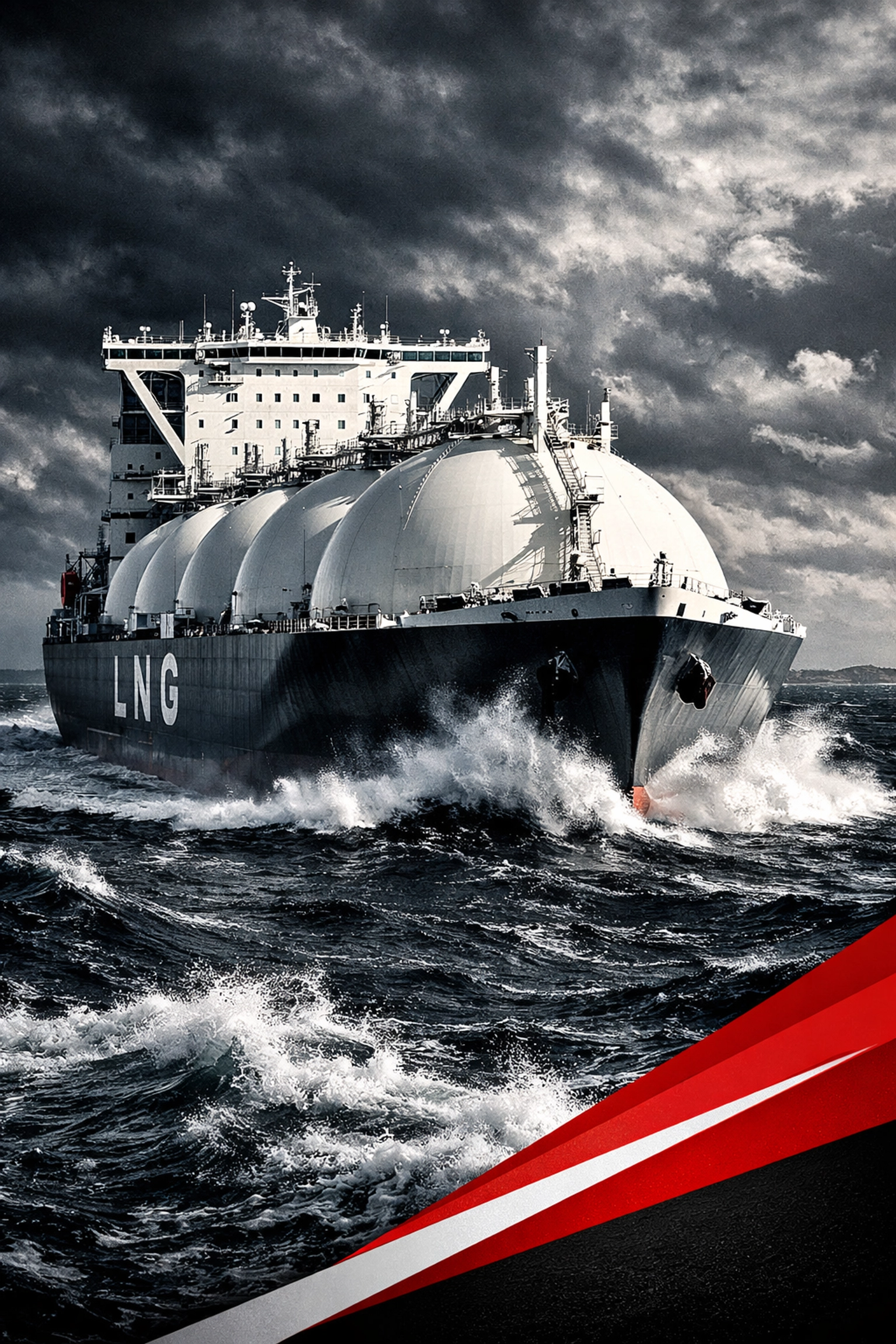
While the specific destination terminal: either in New Brunswick or Nova Scotia: is being closely watched, the move is seen as a strategic hedge against price volatility in the North American market. However, it also raises questions among environmental groups regarding the carbon footprint associated with shipping gas halfway across the planet. For residents tracking Saint John news and regional economic shifts, this shipment is a clear indicator that the Maritimes are becoming a key node in the international energy trade.
5. Winter Weather Alert: Major Storm Targets the Region
No February in the Maritimes is complete without a significant weather event, and this weekend is no exception. Forecasters have issued a widespread winter weather warning for Nova Scotia, New Brunswick, Prince Edward Island, and parts of Newfoundland and Labrador.
A major weather system is moving up the Eastern Seaboard and is expected to collide with cold Arctic air over the Gulf of Maine, resulting in significant snowfall and high winds across the region.
- Nova Scotia: Halifax and the South Shore are bracing for a mix of heavy snow and freezing rain, which could impact travel on Highway 102 and the 104.
- New Brunswick: Moncton and Fredericton are expected to see the highest snow accumulations, with localized totals potentially exceeding 30 centimeters.
- PEI: Charlottetown news alerts are warning of "whiteout conditions" and potential bridge closures at the Confederation Bridge due to high winds.
- Newfoundland and Labrador: St. John's NL news reports suggest the storm will reach the Avalon Peninsula by late Sunday, bringing a classic "Nor'easter" feel to the start of the next work week.
Residents are advised to monitor local forecasts and prepare for potential power outages. This storm serves as a reminder of the logistical challenges that winter weather continues to pose to the Maritimes economy, particularly in the transportation and retail sectors.

Summary of Today's Top Stories
As we look at the headlines for February 26, 2026, it is clear that the Maritimes are in a period of transition. The federal investment in forestry shows a commitment to traditional industries, but the lagging mining rankings suggest there is significant work to be done on the regulatory front. The stalling population growth marks the end of a unique era and the beginning of a new phase focused on sustainability and infrastructure. Meanwhile, the arrival of global LNG and the looming winter storm remind us that the region is both globally connected and at the mercy of its rugged environment.
For more updates on Nova Scotia news, New Brunswick news, and Prince Edward Island news, stay tuned to MARITIMES BUREAU. We provide the essential reporting you need to stay informed on the issues that matter most to Atlantic Canadians.
Keywords: Nova Scotia news, Halifax news, New Brunswick news, Moncton news, Prince Edward Island news, Charlottetown news, Newfoundland and Labrador news, St. John's NL news, Maritimes economy, Atlantic Canada politics.

Post comments (0)