Listeners:
Top listeners:
-
 play_arrow
S1 E9 | Are We That Incompetent? Canada vs Saudi Arabia
-
 play_arrow
S1 E2 | Milk, Markets, and the Cost of Protection

Historic Winter Storm Paralyzes Travel and Daily Life Across North America, With Brutal Impact in Toronto, Ottawa and Montreal
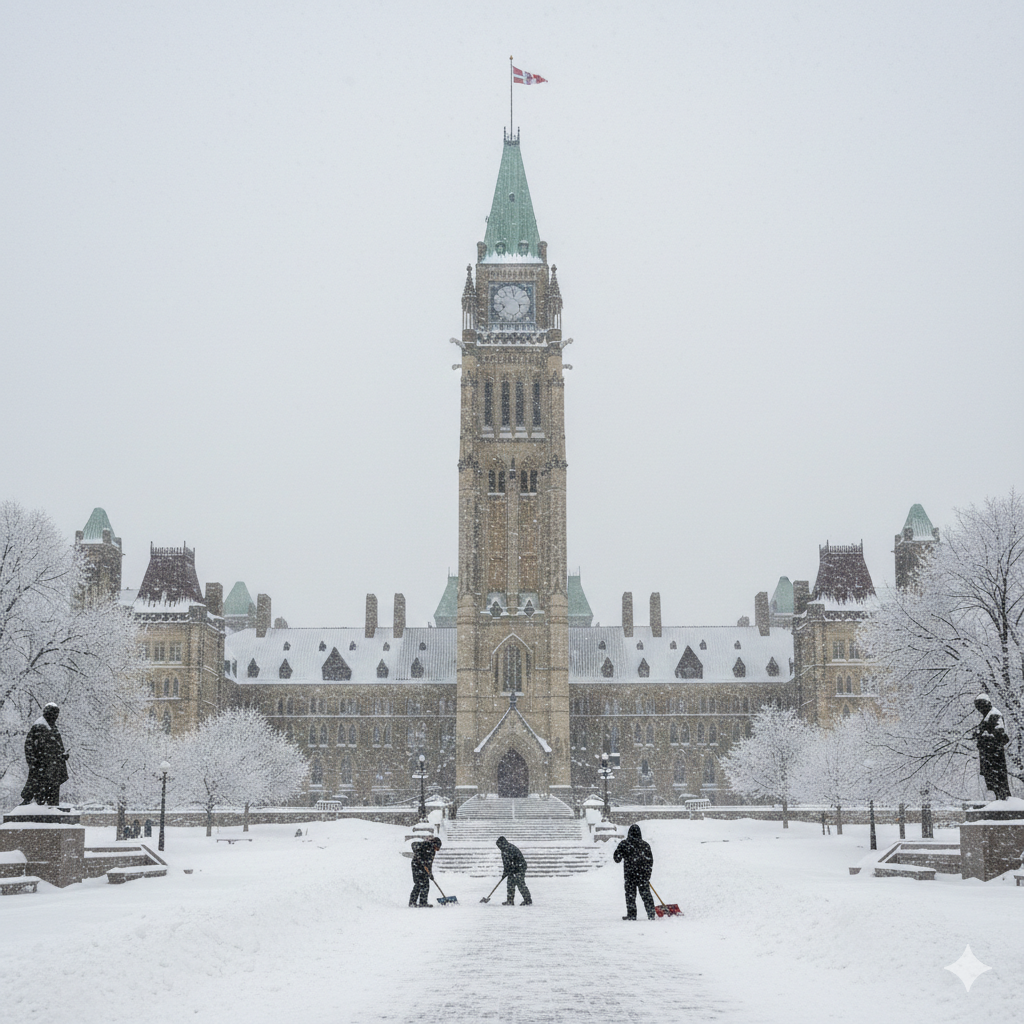
A powerful winter storm that swept across much of the United States over the weekend has now left a deep imprint on southern Canada, burying major cities under heavy snowfall, snarling air and ground travel, and forcing widespread closures across Ontario and Quebec. The massive system affected large parts of North America, disrupting daily life from the Midwest and Northeast in the United States through Canada’s most densely populated corridor.
The storm brought a dangerous mix of heavy snow, strong winds, and bitter cold, creating hazardous conditions on roads, rail lines, and runways. Airlines across North America cancelled thousands of flights as the storm moved east, causing ripple effects that are expected to continue for days as carriers attempt to reposition aircraft and crews.
In Canada, the impact was most severe in Toronto, where snowfall totals reached historic levels. Environment Canada reports that parts of the city saw more than 50 centimetres of snow, with Toronto Pearson International Airport recording approximately 46 centimetres, making it one of the heaviest single snowfall events in decades. Snow fell steadily over many hours, overwhelming plows and creating towering snowbanks across residential streets and major arteries.
As a result, most schools across Toronto and the Greater Toronto Area were closed, with school boards citing unsafe travel conditions for students and staff. Many municipal services were also affected, and residents were urged to check city and provincial websites before heading out, as government offices and services faced delays or closures.
Toronto officials activated full snow emergency operations, deploying crews around the clock to clear main roads, transit routes, and emergency corridors. Temporary parking restrictions were implemented across large sections of the city to allow plows and loaders to operate effectively, with residents warned that vehicles left in restricted zones could be ticketed or towed. Snow removal is expected to continue for several days as crews work to clear secondary streets and sidewalks.
Public transit was also disrupted. Portions of the TTC subway network experienced service suspensions and slowdowns, while buses and streetcars faced delays as they navigated snow-covered streets and reduced visibility. City officials urged commuters to avoid unnecessary travel and to allow extra time if travel was unavoidable.
In Ottawa, snowfall totals were lower than Toronto’s but still significant, with around 10 centimetres reported across much of the region. Combined with strong winds and cold temperatures, the snow created slick roads and reduced visibility during the morning commute. City crews were dispatched early to treat and plow major routes, and residents were advised to monitor conditions closely before heading out.
Some school transportation services in Ottawa experienced delays, and families were encouraged to confirm school and daycare status before leaving home. Municipal officials also reminded residents to comply with snow-removal parking rules as cleanup operations continue.
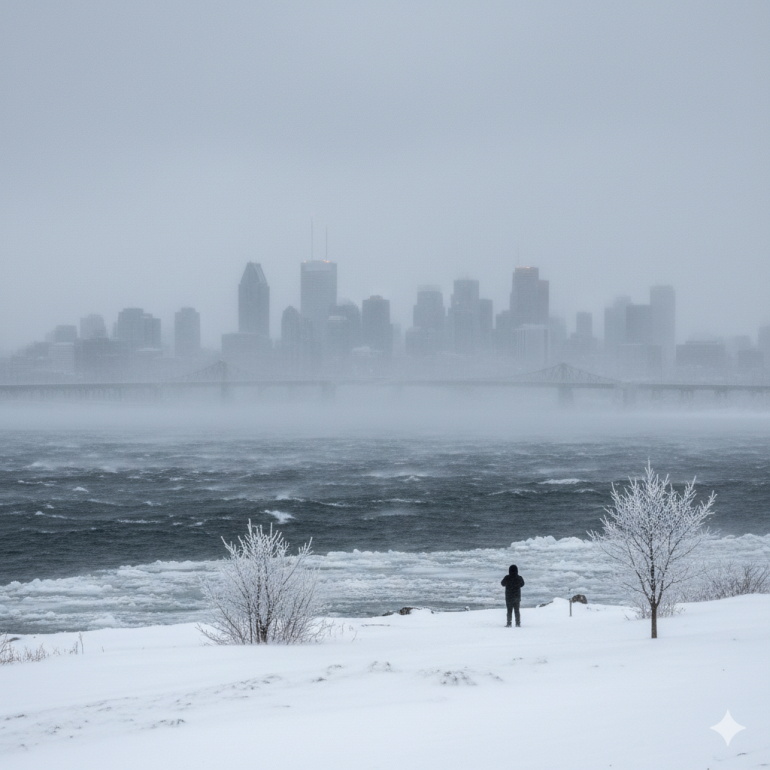
Meanwhile in Montreal, the storm delivered heavy snow and gusty winds, with snowfall continuing into the early hours of Monday. Conditions prompted school closures in several districts, and transit users faced slower service as crews worked to clear tracks, platforms, and roadways. Power outages were reported in parts of the region, and officials warned that continued cold temperatures could complicate restoration efforts.
Across all three cities, authoritie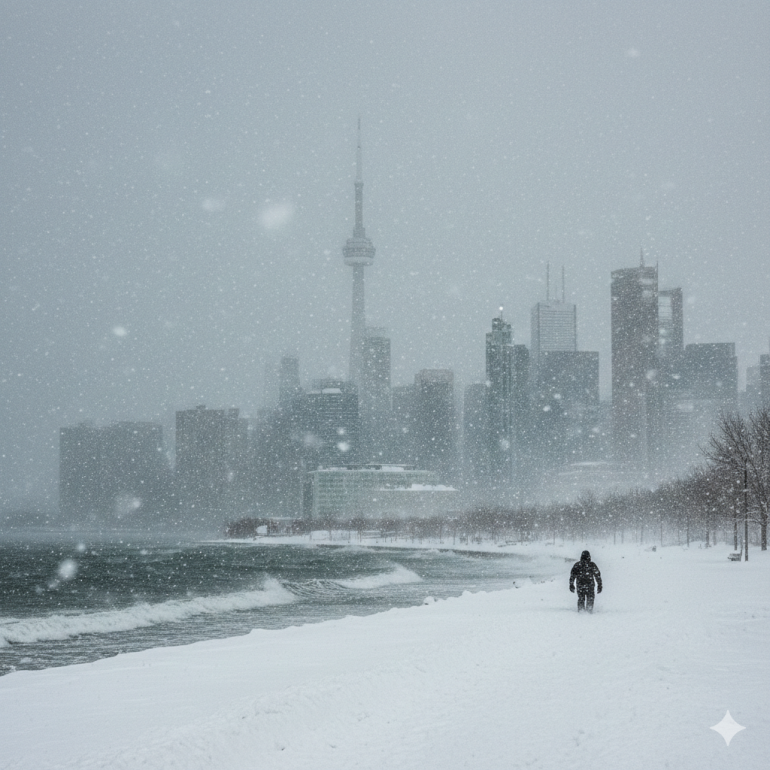 s stressed the importance of caution during cleanup. With temperatures remaining well below freezing, exposed skin can be at risk in minutes, and residents were advised to dress appropriately, limit time outdoors, and check on vulnerable neighbours.
Travel disruptions extended far beyond city streets. Air travel across Canada and the United States was heavily impacted, with hundreds of flights cancelled or delayed at Toronto Pearson, Ottawa Macdonald-Cartier, and Montréal-Trudeau airports. Airlines warned that delays could persist as aircraft and crews remain out of position following the storm. Travelers are being urged to check directly with their airlines before heading to the airport.
In the United States, major hubs including New York, Chicago, and other northeastern airports also faced mass cancellations, contributing to a continent-wide backlog that continues to affect schedules across North America.
Officials are reminding residents in Toronto, Ottawa, and Montreal to stay informed as cleanup continues. Road conditions, transit service, school status, and government operations may change with little notice as crews work through the aftermath of the storm. Drivers are urged to slow down, give snowplows plenty of space, and avoid travel unless necessary.
With bitter cold expected to persist, cities have activated additional supports for those most at risk. Warming centres have been opened across the region to provide shelter and relief from the cold, particularly for those experiencing homelessness or inadequate heating.
For a city-by-city breakdown, click here for a complete and regularly updated list of warming centres available across Toronto, Ottawa, and Montreal as the continuing cold persists.


Post comments (0)