Listeners:
Top listeners:
-
 play_arrow
S1 E9 | Are We That Incompetent? Canada vs Saudi Arabia
-
 play_arrow
S1 E2 | Milk, Markets, and the Cost of Protection

OC Transpo Line 1 Eastern Extension Delayed Until Spring 2026
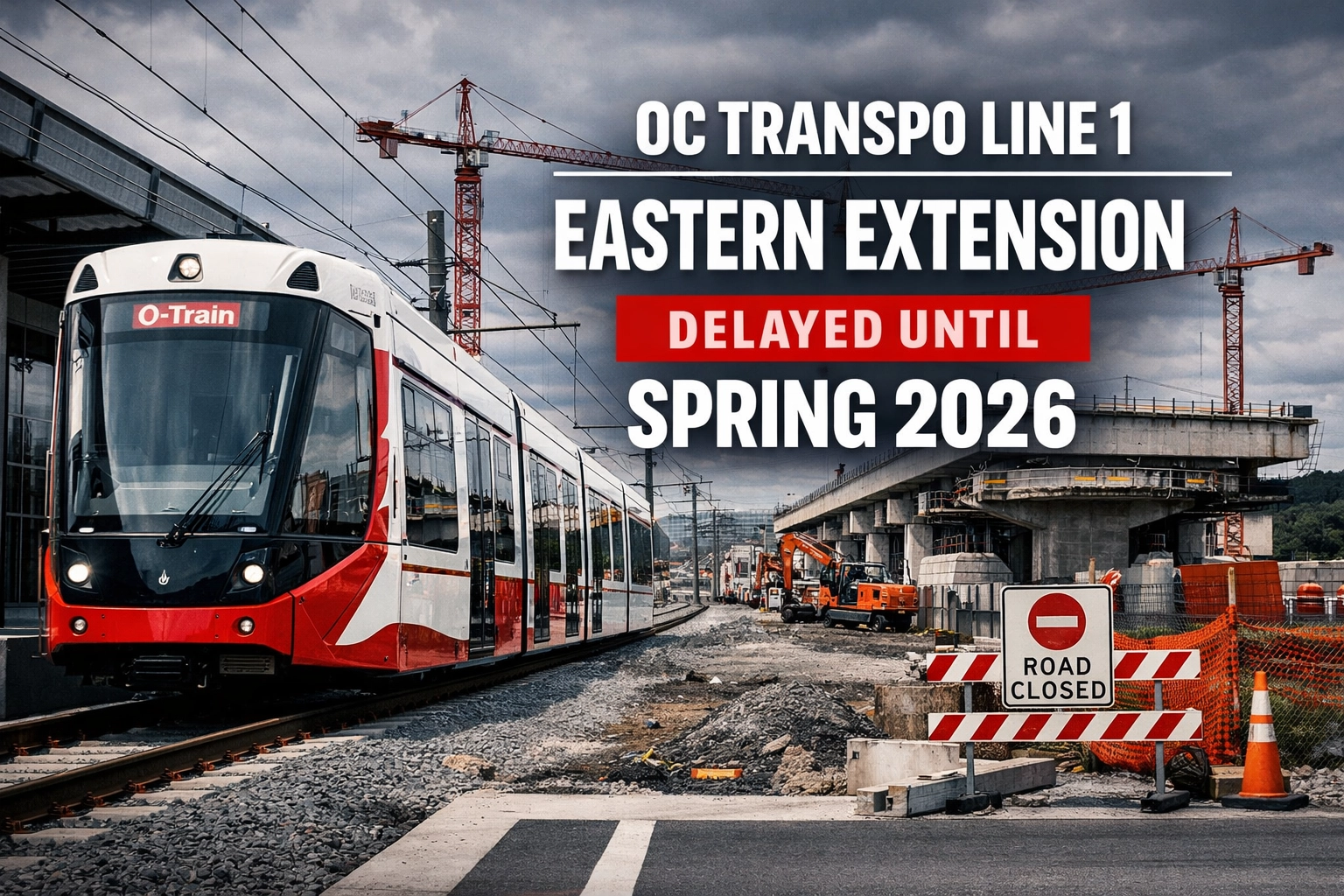
OTTAWA : The long-awaited eastern extension of OC Transpo's Line 1 will not begin trial operations until at least spring 2026, transit officials confirmed this week, marking another setback for the project that will connect Blair station to Trim Road in Orléans.
The delay pushes the anticipated launch window to between April and June, and possibly into late spring or early summer, according to statements from OC Transpo's Interim General Manager Troy Charter. The timeline represents a departure from earlier projections that suggested an earlier start to trial running.
Extension Details
The Line 1 eastern extension will add 12.5 kilometers of track and five new stations to Ottawa's light rail network. The expansion will run from the existing Blair station through the Orléans community to a new terminus at Trim Road, serving one of the city's fastest-growing suburban areas.
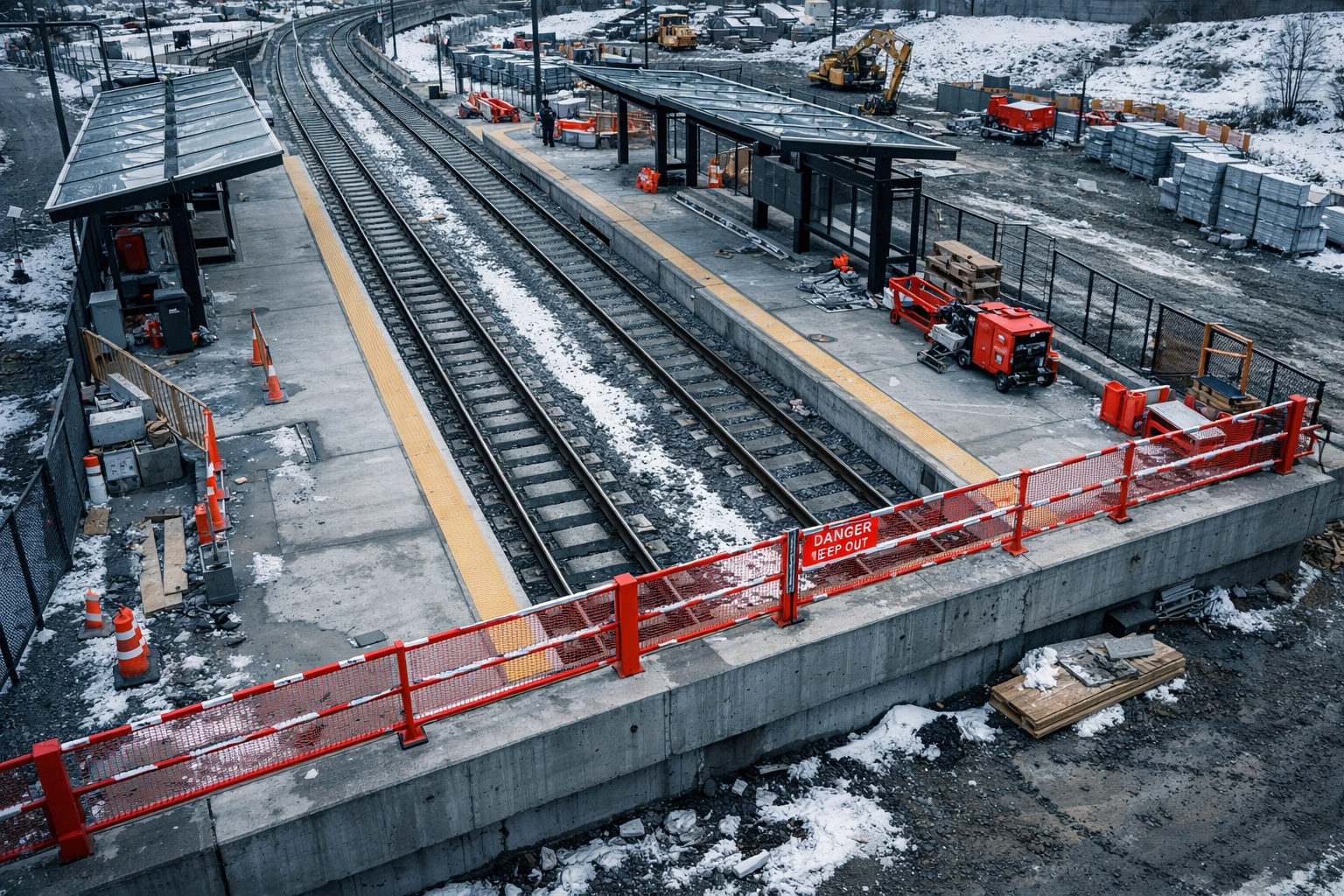
Once operational, the extension is expected to serve thousands of daily commuters who currently rely on bus connections to reach the existing LRT line. The project has been in development for several years and was intended to improve transit accessibility for residents in Ottawa's east end.
Platform Camera Systems Block Progress
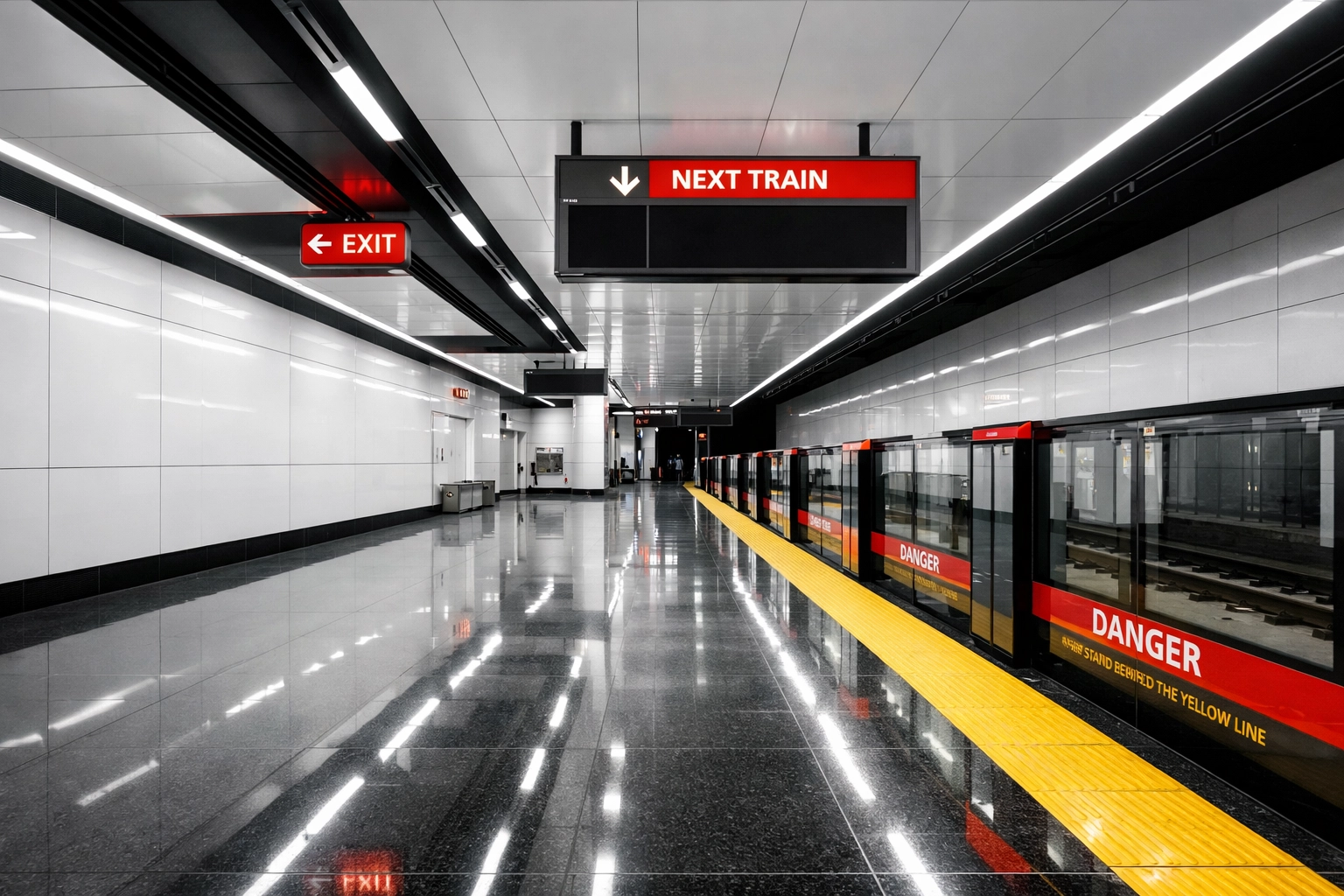
The primary obstacle preventing trial operations involves platform edge cameras, according to Charter. These closed-circuit television systems allow train operators to visually confirm that platforms are clear and trains are safe to depart stations.
Technical teams are currently working to resolve issues related to camera angles and other deficiencies identified during system testing. Charter indicated that these camera systems must meet safety standards before trial running can commence.
Beyond the camera systems, station platform infrastructure requires additional work, and broader testing protocols remain outstanding. Transit officials have not provided a specific timeline for when these technical issues will be resolved.
Train Availability Adds Complication
A separate constraint involves the availability of operational trains. OC Transpo currently has only 18 to 21 trains in service, well below the 46 trains required for full system operations including the eastern extension.
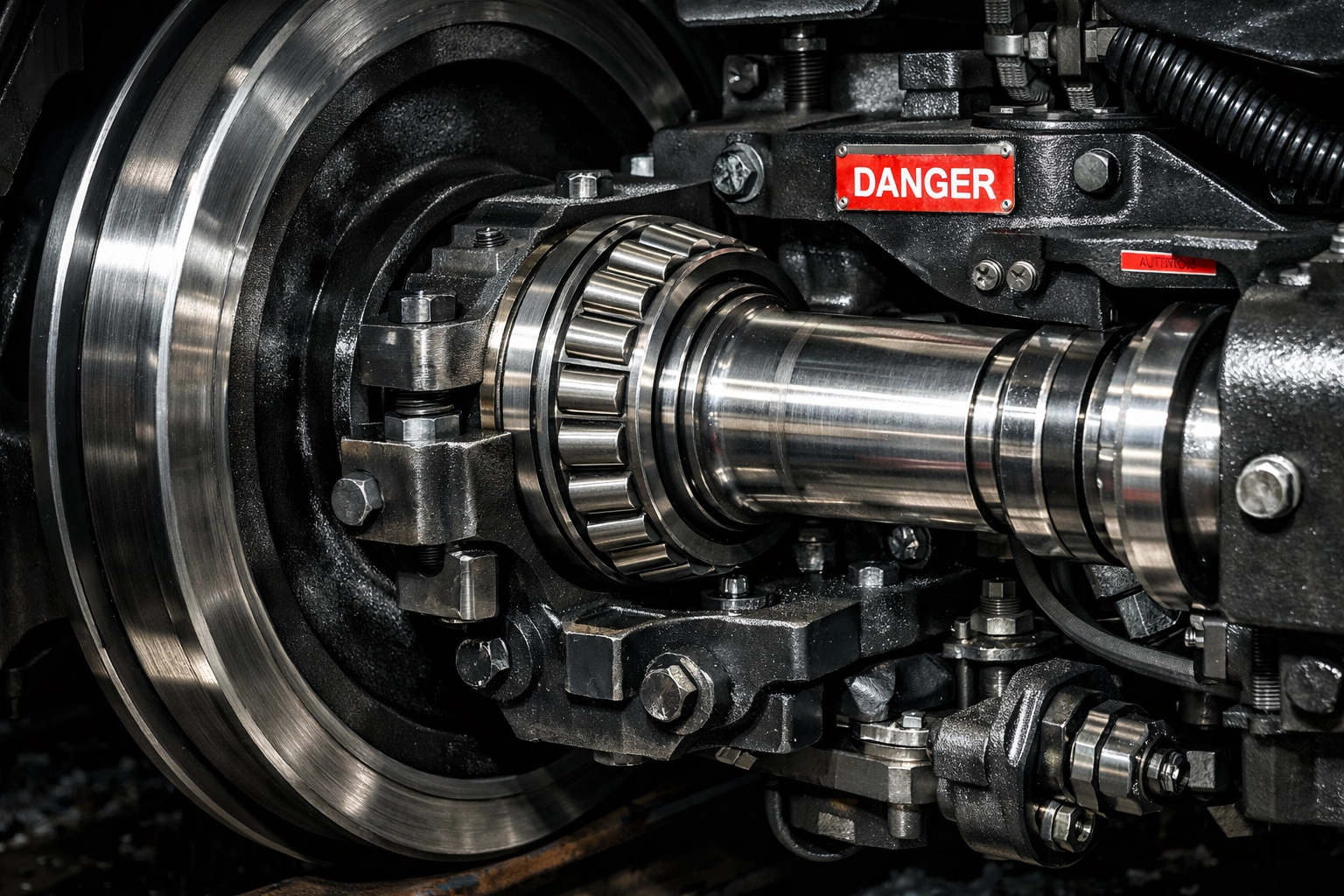
The reduced fleet size stems from an ongoing bearing failure issue known as spalling, which affects the train wheels' cartridge bearing assemblies. Rideau Transit Group (RTG), the vehicle manufacturer responsible for the trains, is systematically replacing affected axles across the fleet.
The replacement process adds approximately one axle per day to the available inventory, according to transit staff. While the spalling issue is not directly impacting the extension's construction phase, OC Transpo will need more operational trains available before proceeding to trial running on the new eastern segment.
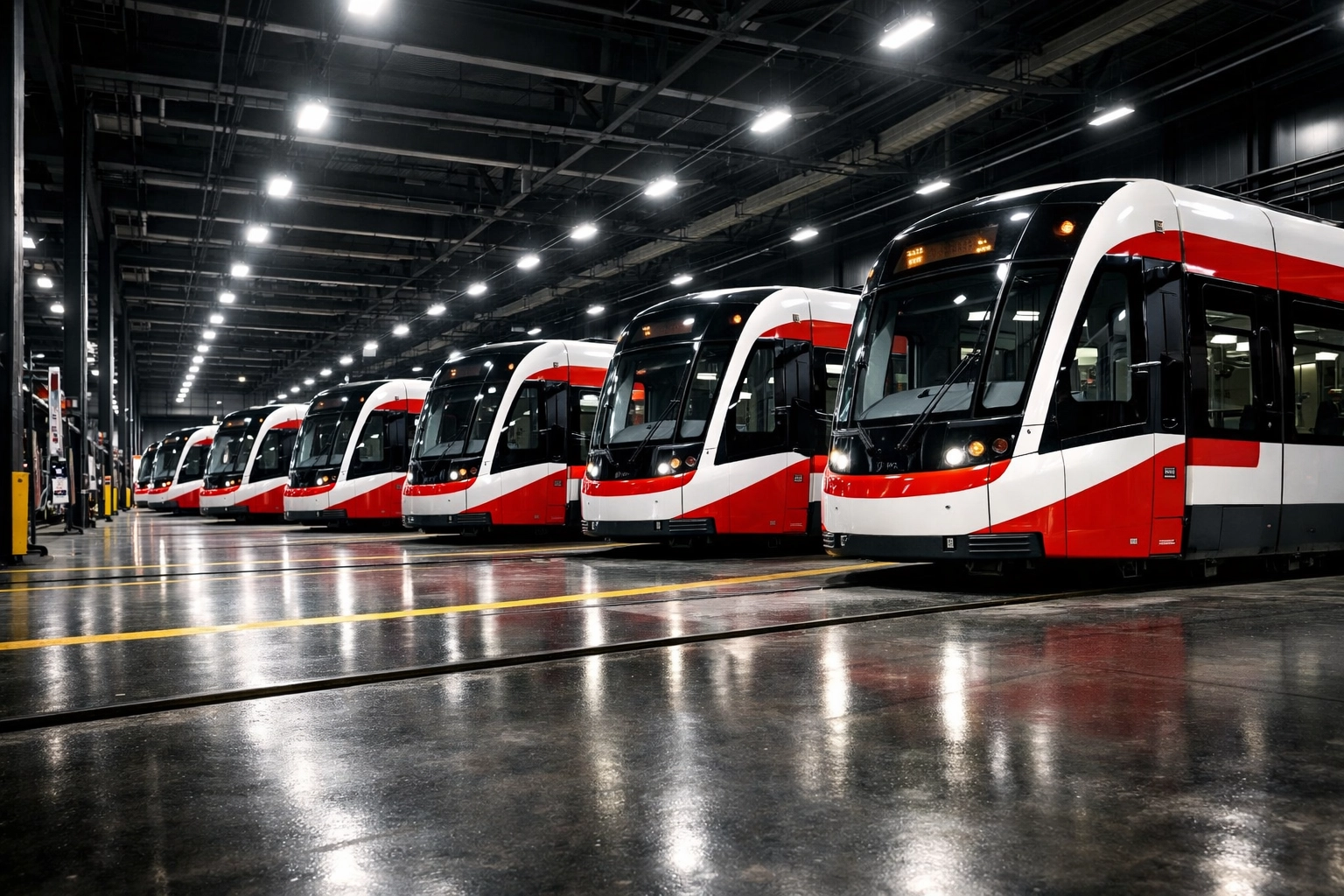
Charter emphasized that adequate train availability is essential before launching trial operations, as the extended line will require additional vehicles to maintain service frequencies across the entire Line 1 corridor.
Bus Fleet Crisis Compounds Challenges
The LRT delays are occurring against the backdrop of a separate crisis affecting OC Transpo's bus fleet. Approximately one-third of the city's buses currently require significant maintenance work, reducing the transit system's ability to provide adequate backup service.
Transit staff indicated that bus service levels could return to normal by late March or early April, assuming maintenance work proceeds on schedule. The bus fleet issues have created service disruptions across the city as OC Transpo attempts to maintain routes with reduced vehicle availability.
The combination of limited LRT service and constrained bus capacity has created ongoing challenges for Ottawa commuters, particularly during peak travel periods.
Local Response
City councillors representing Orléans have described the latest delay as a major blow to residents who have waited years for improved transit connections. The eastern extension was designed to address long-standing transit gaps in one of Ottawa's most populous suburban areas.
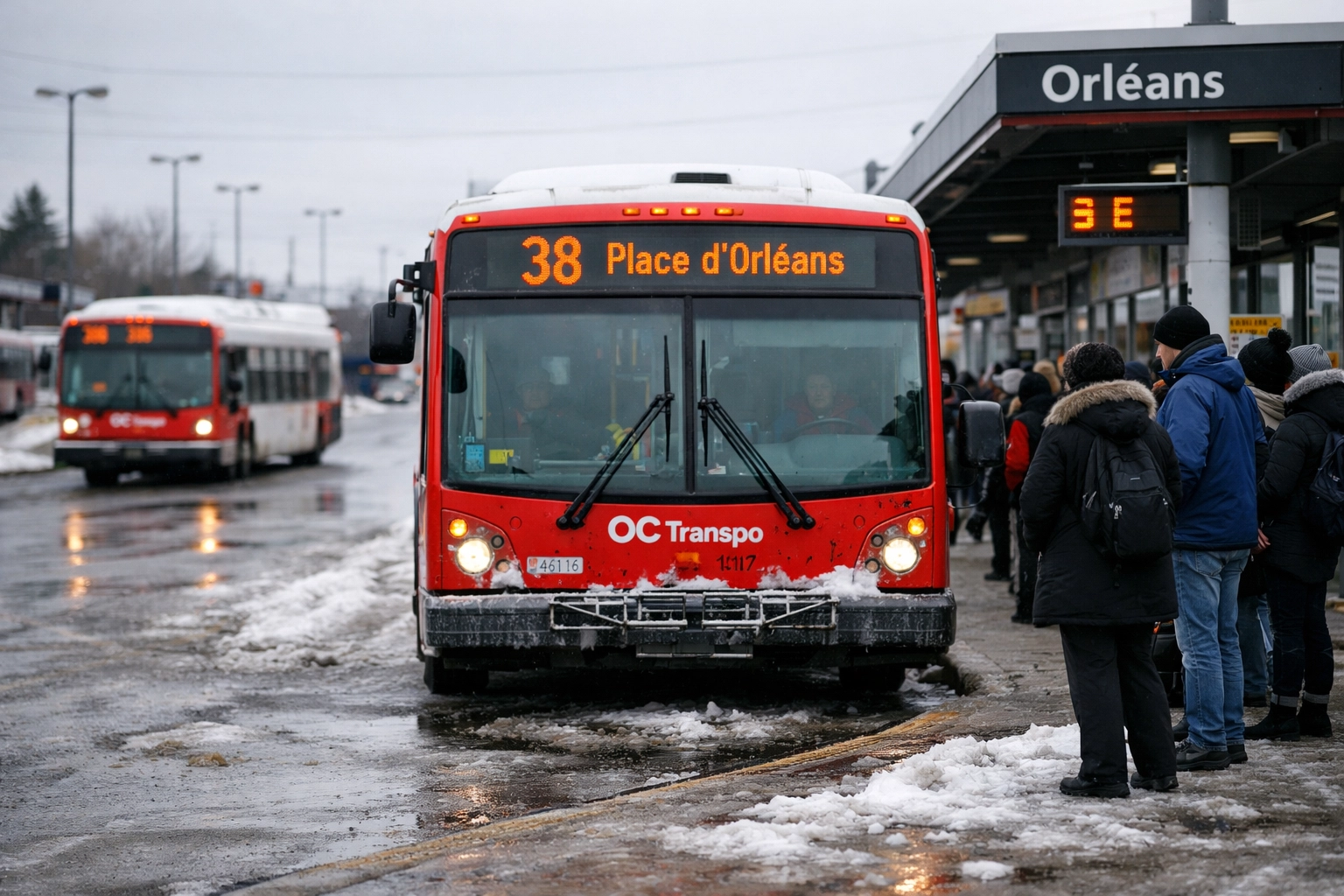
Local representatives have expressed frustration with the cascading delays and technical issues that have plagued Ottawa's LRT system since the original Line 1 launched in 2019. That launch was marked by significant problems, including train breakdowns and service interruptions that continue to affect system reliability.
The eastern extension represents a significant investment in transit infrastructure, and the delays have raised questions about project management and oversight of the city's light rail expansion program.
Timeline Uncertainty
Transit officials have not committed to a firm launch date for the eastern extension, citing the need to resolve outstanding technical issues before establishing a definitive timeline. The current estimate of spring to late spring 2026 for trial operations means revenue service would likely not begin until several months later.
Trial running typically involves extensive testing of trains, signals, and station systems under operational conditions but without passengers. This phase can last several weeks or months depending on the results of testing and any issues that emerge.
OC Transpo has stated that it will not proceed to passenger service until all safety requirements are met and the system demonstrates reliable performance during trial operations.
Broader System Context
The Line 1 eastern extension delays are the latest chapter in Ottawa's challenging relationship with its light rail system. Since the original Confederation Line opened in 2019, the system has experienced repeated service disruptions, technical failures, and maintenance issues.
The city has been locked in ongoing disputes with RTG and its parent company over system performance and contractual obligations. These disputes have included legal proceedings and negotiations over maintenance standards and system reliability requirements.
Transit officials continue to work with RTG to address fleet availability issues and ensure that sufficient trains will be operational to support both the existing Line 1 corridor and the eastern extension once it opens.
The extended timeline for the Orléans expansion means that thousands of east-end residents will continue to rely on bus connections to reach the existing LRT line for at least several more months. Transit planners are working to ensure adequate bus service is available to accommodate these riders while the extension work continues.
OC Transpo has committed to providing regular updates on progress toward resolving the technical issues blocking trial operations. The transit agency has not announced a specific date for the next public briefing on the eastern extension timeline.


Post comments (0)