Listeners:
Top listeners:
-
 play_arrow
S1 E9 | Are We That Incompetent? Canada vs Saudi Arabia
-
 play_arrow
S1 E2 | Milk, Markets, and the Cost of Protection

Ottawa Morning Briefing: February 20, 2026

Good morning, Ottawa. Here's what you need to know today.
Ottawa Charge Players Head to Olympic Games
Five players from the Ottawa Charge are set to represent their countries in pursuit of Olympic gold. The Professional Women's Hockey League team has become a pipeline of international talent, with players heading to compete on hockey's biggest stage.

The Ottawa 67's, meanwhile, are regrouping after a difficult loss to the Saginaw Spirit. The junior hockey team is looking to bounce back as they continue their season campaign, working to maintain their position in a competitive division.
The dual narratives highlight Ottawa's growing prominence in women's professional hockey while the city's junior program faces the typical ups and downs of a long season.
Federal Public Service Costs Show Signs of Slowing
The Parliamentary Budget Officer released new figures showing that while federal public service costs continue to rise, the rate of growth is beginning to decelerate. The report offers a mixed picture for taxpayers and public sector workers alike.
After years of rapid expansion in the federal workforce, the latest data suggests the pace of hiring and associated costs are moderating. The findings come as the government faces pressure to manage spending while maintaining service delivery to Canadians.

The report doesn't indicate major cuts are coming, but rather a stabilization after a period of significant growth. Public sector unions will likely scrutinize the numbers as collective bargaining continues on various fronts.
For Ottawa, where the federal government remains the dominant employer, even modest shifts in public service growth rates have ripple effects through the local economy.
Wakefield Ski Area Ordered to Halt Lift Operations
Centre Vorlage ski area near Wakefield has been ordered to immediately cease operating its aerial lifts following a tragic accident that claimed the life of a 13-year-old girl. The order, issued by provincial safety inspectors, remains in effect pending a full investigation.
The incident has sent shockwaves through the tight-knit Gatineau Hills community, where the small ski hill has been a family destination for decades. Details of the accident remain limited as authorities conduct their investigation.
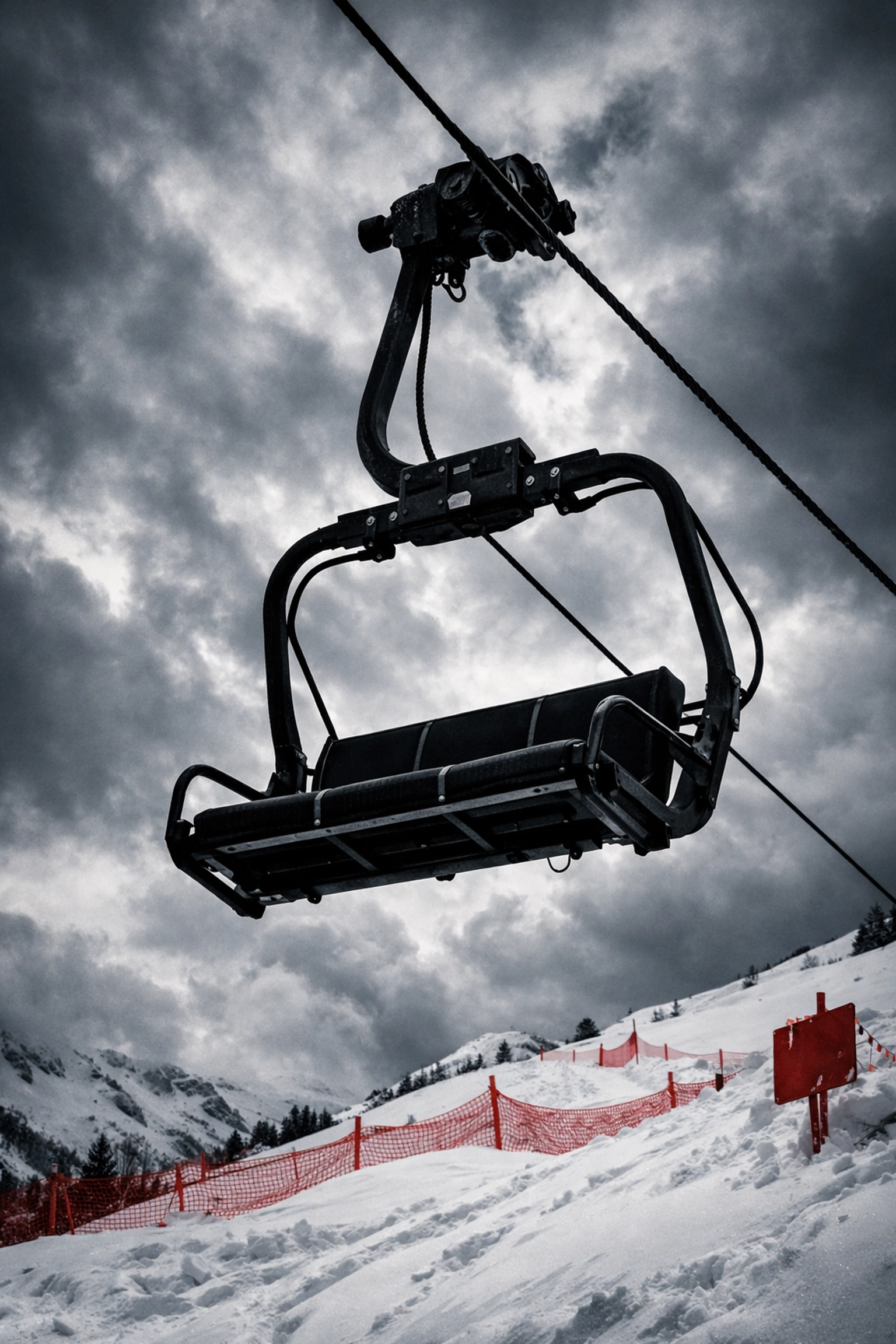
Centre Vorlage management has not announced when operations might resume. The closure comes during what is typically one of the busiest periods for regional ski hills, with school break crowds still filtering through area resorts.
Safety inspectors are examining all equipment and operational procedures. The investigation will determine whether mechanical failure, operational error, or other factors contributed to the accident.
For families who frequent the hill, the closure is both an inconvenience and a sobering reminder of the risks inherent in winter sports. The community awaits answers about what went wrong and what changes might be needed before lifts can safely operate again.
Ottawa Restaurants Embrace Ramadan with Special Programming
Twenty-one Ottawa restaurants are rolling out special menus and extended late-night hours to celebrate Ramadan, reflecting the city's growing Muslim community and its influence on the local dining scene.
The coordinated effort represents one of the largest restaurant initiatives tied to the Islamic holy month in Ottawa's history. Participating establishments range from traditional Middle Eastern eateries to fusion restaurants incorporating Ramadan-inspired dishes into their regular offerings.
Late-night hours accommodate Muslims breaking their daily fast after sunset, creating a new dining dynamic in neighborhoods from downtown to the suburbs. Several restaurants are staying open past midnight to serve iftar meals and provide gathering spaces for families and friends.

The initiative also represents a business opportunity for restaurants looking to attract customers during what can be a slower period. By creating welcoming environments and appropriate menu options, participating restaurants hope to become destination spots throughout the month-long observance.
Community leaders have praised the restaurant response as a sign of Ottawa's evolving cultural landscape. The special programming makes it easier for Muslim residents to observe religious practices while participating in the city's social and culinary life.
For non-Muslim diners, the Ramadan menus offer an opportunity to explore new flavors and learn about Islamic traditions through food. Several restaurants are offering educational components alongside their special menus.
Return-to-Office Mandate Raises Transit Questions
Ottawa commuters are bracing for impact as the city prepares to implement a mandatory four-day return-to-office schedule for municipal employees. The policy shift raises questions about whether the city's transit infrastructure can handle the increased demand.
The new schedule represents a significant change from pandemic-era flexibility that saw many city workers operating on hybrid or fully remote arrangements. Starting in the coming months, municipal employees will be required at their desks four days per week.

Transit officials acknowledge the system will face increased pressure, particularly during peak morning and evening hours. The LRT, already operating near capacity on some lines during rush periods, may struggle to absorb the additional ridership.
City planners have faced criticism that the return-to-office mandate wasn't coordinated with transit capacity improvements. Several LRT extension projects remain behind schedule, meaning planned capacity increases won't be available when the new policy takes effect.
Union representatives have expressed concerns about both the mandate itself and the transit implications. Some employees live in areas poorly served by public transit, making the four-day requirement particularly challenging.
The city maintains the return-to-office policy is necessary for service delivery and team collaboration. Officials point to other major cities implementing similar mandates as remote work arrangements increasingly give way to hybrid models.
For Ottawa's broader transit picture, the municipal employee return serves as a test case. If the system struggles to handle the increased load, it could complicate future discussions about encouraging private sector returns or expanding service to underserved areas.
The situation highlights the delicate balance cities face in post-pandemic planning. Decisions about workplace policies, transit investment, and urban development must align or risk creating bottlenecks that frustrate workers and undermine policy goals.
That's your briefing for Friday, February 20, 2026. Check back tomorrow morning for the latest from around Ottawa.


Post comments (0)