Listeners:
Top listeners:
-
 play_arrow
S1 E9 | Are We That Incompetent? Canada vs Saudi Arabia
-
 play_arrow
S1 E2 | Milk, Markets, and the Cost of Protection

Montreal Morning Brief: Sunday, February 22, 2026

Good morning, Montreal. Grab your coffee: you're going to need it. Between Olympic glory, healthcare headaches, and bureaucratic scandals, there's a lot to unpack this Sunday.
Olympic Silver Shines for Montreal's Kingsbury
Montreal's Mikaël Kingsbury added another medal to his collection at the 2026 Winter Games, taking silver in the men's moguls competition. The freestyle skiing legend continues to cement his status as one of Canada's greatest winter athletes, though he fell just short of gold this time around.

Kingsbury's performance comes at a time when Canadian athletes are putting on a show at these Games. Speaking of which: if you were anywhere near downtown Montreal early this morning, you might have noticed crowds gathering outside La Cage at the Bell Centre. By 7:30 a.m., bundled-up fans were already lining up, hours before sunrise, to watch Canada face the USA in the men's Olympic hockey gold medal match.
The 8:10 a.m. puck drop saw Connor McDavid wearing the captain's C for the second straight game, filling in for an injured Sidney Crosby. It's the kind of rivalry that gets Montrealers out of bed before dawn on a Sunday: and that's saying something.
The $2 Billion Hospital Problem
While we're celebrating athletic achievements, Montreal's healthcare infrastructure is anything but gold-medal worthy. The Montreal General Hospital has received a troubling "very poor" (E) rating, and the price tag to fix our crumbling medical facilities has ballooned to an eye-watering $2 billion.
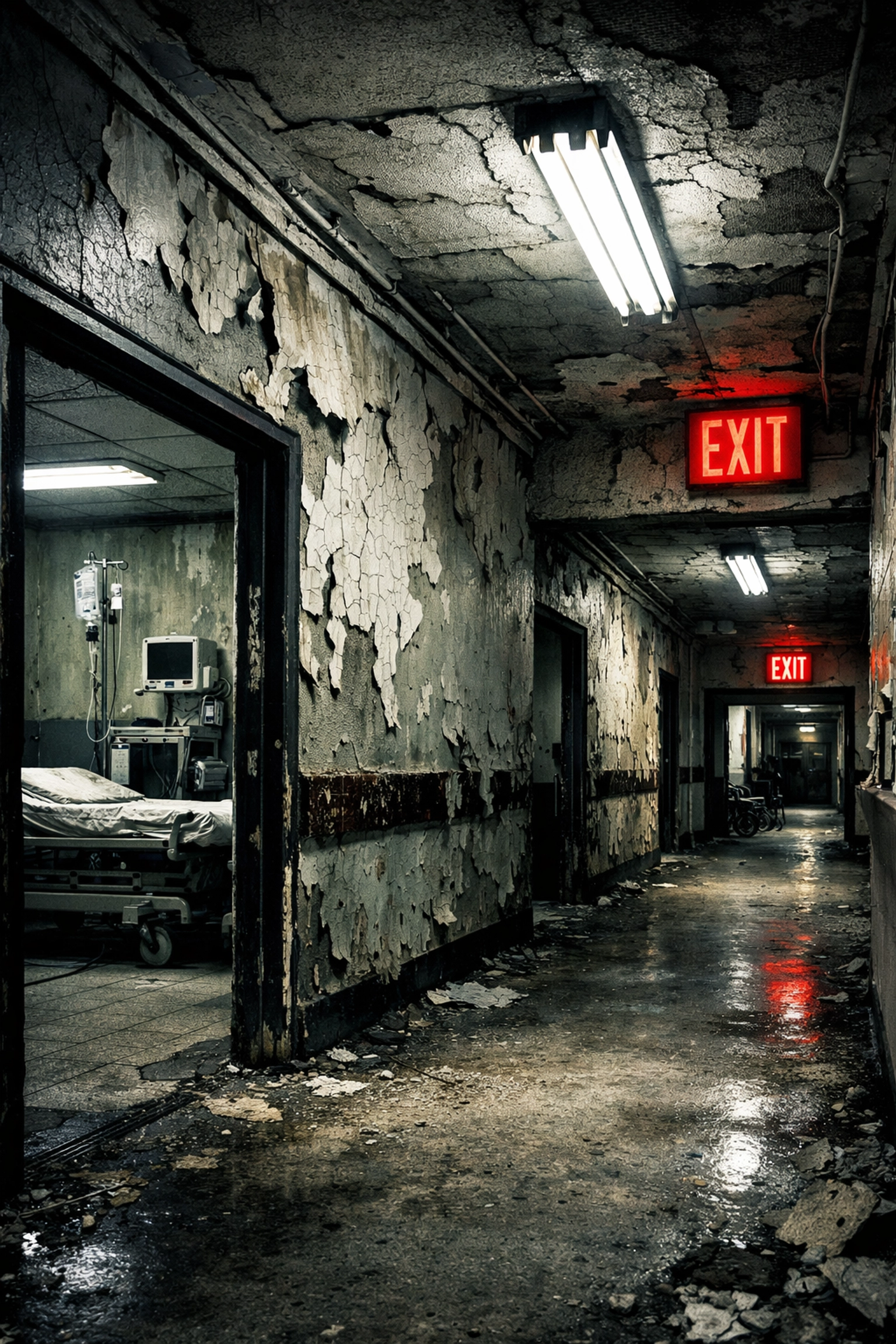
Let's put that number in perspective. Two billion dollars is roughly equivalent to the entire annual budget of some Canadian provinces. It's the kind of figure that makes you wonder how we let things deteriorate this far.
The rating system doesn't mince words: "very poor" means serious structural deficiencies that could affect patient care and staff safety. We're talking about hospitals where pipes leak, roofs need replacing, and electrical systems are decades past their prime. These aren't cosmetic issues. They're fundamental problems that impact one of the city's major healthcare institutions.
For local businesses and employers, this matters beyond just civic concern. Healthcare infrastructure directly affects workforce productivity, employee well-being, and the city's ability to attract and retain talent. Who wants to relocate to a city where the hospital might literally be falling apart?
The $2 billion question: quite literally: is where this funding will come from and how long Montrealers will have to wait for meaningful improvements.
New Rules for Homeless Encampments
Montreal and Longueuil have jointly released new protocols for homeless encampment tolerance zones, attempting to balance compassion with public space management. It's a thorny issue that's been building for years, and frankly, there are no easy answers.
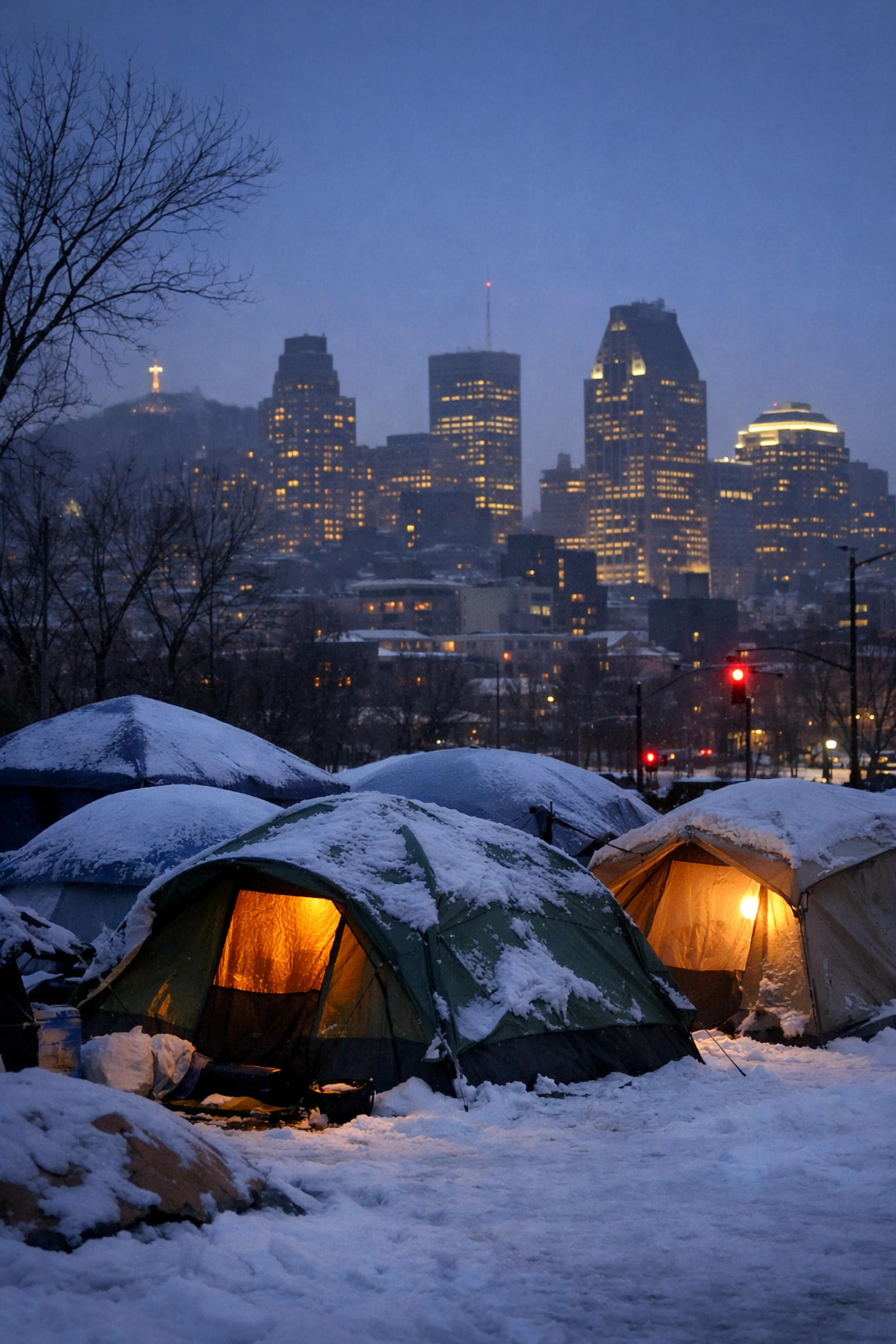
The protocols establish designated areas where encampments will be tolerated under certain conditions, while setting clear guidelines for when and how they'll be dismantled. It's an approach that acknowledges reality: simply clearing camps without providing alternatives doesn't solve homelessness: it just moves it around.
Critics on both sides are already weighing in. Housing advocates argue the zones don't address the root problem: lack of affordable housing and mental health services. Others worry about public safety and the impact on surrounding neighborhoods and businesses.
For business owners, particularly those in affected areas, this represents a delicate balancing act. Nobody wants to seem callous about homelessness, but legitimate concerns exist about accessibility, cleanliness, and customer comfort.
The protocol rollout will be watched closely in the coming months. If it works, it could become a model for other cities wrestling with the same challenges. If it doesn't, expect the political pressure to intensify significantly.
The SAAQclic Mess Gets Official
Remember the SAAQclic digital services fiasco? A commission report has now officially confirmed what many suspected: management misled the government for years about the project's progress, costs, and capabilities.
The Société de l'assurance automobile du Québec (SAAQ) was supposed to modernize its digital services, making license renewals and vehicle registrations seamless and online. Instead, taxpayers got a masterclass in how not to manage a technology project.
The commission's findings are damning. Officials repeatedly provided rosy projections while knowing the project was in trouble. Costs spiraled. Timelines slipped. Functionality promised didn't materialize. Classic large-scale government IT project stuff, except this time there's a paper trail confirming the deception.
For Quebec businesses that interact regularly with the SAAQ: think car dealerships, driving schools, fleet managers: this has meant years of dealing with clunky, outdated systems while being promised improvements that never arrived.
The broader lesson here touches on government accountability and the management of public funds. When officials can mislead for years without consequences, it erodes trust in public institutions. That trust deficit affects everything from tax compliance to civic engagement.
Expect calls for resignations, policy changes, and tighter oversight. Whether that actually happens remains to be seen.
David vs. Goliath on Dorchester Boulevard
Community activists are mounting a spirited fight to save the YWCA building from being demolished for yet another high-rise development. It's a story playing out in cities across North America, but this one has particular resonance in Montreal.

The YWCA building represents more than just bricks and mortar. For decades, it's served as a community hub, providing services for women and families, particularly those facing economic hardship or fleeing violence. The building has history, character, and most importantly, purpose.
The developer, naturally, sees underutilized real estate in a prime location. The economics are straightforward: tear it down, build something taller and newer, maximize returns. It's the same calculus that's reshaped Montreal's skyline over the past two decades.
What makes this fight interesting is the coalition that's formed. You've got heritage preservation advocates working alongside social service providers and neighborhood groups. They're arguing for adaptive reuse: preserving the building while modernizing it for contemporary needs.
From an economic development perspective, this tension between preservation and progress is never simple. Montreal needs housing, particularly affordable housing. It also needs to maintain the architectural and social fabric that makes neighborhoods livable and distinctive.
The outcome will likely set precedents for similar battles ahead. Montreal isn't running out of old buildings or developers with ambitious plans.
Looking Ahead
As we head into the new week, keep an eye on how these stories develop. The hospital infrastructure crisis won't be solved overnight, but watch for political movement as budget season approaches. The encampment protocols will face their first real-world tests. And the YWCA fight is just getting started.
For now, though, enjoy your Sunday. The sun sets at 5:32 p.m. today: and here's something to smile about: from here on out, those sunsets keep getting later until we hit the summer solstice on June 20. Spring is coming, Montreal.
Stay informed, stay engaged, and we'll see you tomorrow morning with another brief.


Post comments (0)