Listeners:
Top listeners:
-
 play_arrow
S1 E9 | Are We That Incompetent? Canada vs Saudi Arabia
-
 play_arrow
S1 E2 | Milk, Markets, and the Cost of Protection

Winnipeg Top 5: Monday, February 23, 2026 – Your Daily Local News Roundup

Good morning, Winnipeg. Here are the five stories shaping your city today: covering housing policy, homelessness solutions, healthcare safety, federal politics, and community initiatives making a difference.
1. Manitoba Renters Face Unlimited Rent Hikes as Province Stands Alone on AGI Rules
WINNIPEG: Manitoba remains the only province allowing landlords to impose unlimited above-guideline rent increases (AGIs), leaving thousands of renters vulnerable to escalating housing costs despite recent government efforts to address affordability.

The province’s unique approach to rent regulation has drawn sharp criticism from housing advocates who point to stronger protections in British Columbia and Ontario, where AGIs are capped at nine percent. Manitoba’s current system permits landlords to apply for rent increases beyond standard guidelines without any maximum threshold, creating what critics describe as a “made-in-Manitoba problem.”
Premier Wab Kinew’s government introduced a milk price cap at the start of 2026, but the housing affordability crisis continues to deepen for renters across the province. Bill 13, the Residential Tenancies Amendment Act, is expected to be tabled in the Manitoba Legislature in March, with proposed reforms aimed at stopping unfair rent increases and strengthening tenant rights.
Housing advocates have called for immediate action, arguing that Manitoba’s rental market requires protections comparable to those in other provinces. The proposed legislation represents the first significant overhaul of Manitoba’s rental housing framework in years, though specific details about AGI caps and enforcement mechanisms have not yet been released.
The debate over rental housing affordability comes as Winnipeg faces broader challenges related to housing supply, homelessness, and the rising cost of living. Provincial officials have indicated that Bill 13 will address multiple aspects of the rental housing system beyond AGI limits alone.
2. Bold Proposal Suggests $200 Million Could House All of Winnipeg’s Homeless Population
WINNIPEG: Community advocates have presented a detailed proposal to address Winnipeg’s homelessness crisis, arguing that the city’s estimated 2,500 homeless residents could be housed for less than $200 million: a cost that would be offset by reduced emergency services spending.
The proposal calls for providing individual suite accommodation at approximately $80,000 per unit, a figure advocates say is reasonable given current construction and real estate costs. Proponents argue that Winnipeg’s homelessness issue stems not from insufficient resources but from lack of political willingness to implement comprehensive solutions.

The cost-benefit analysis presented by advocates emphasizes potential savings in emergency services, including reduced demand on police services, fire response teams, and medical interventions. Current expenditures on emergency responses to homelessness-related incidents represent significant ongoing costs that permanent housing solutions would eliminate.
The proposal has generated discussion among city officials and housing policy experts about the feasibility of large-scale housing-first approaches. Critics have raised questions about ongoing operational costs, support services, and the complexity of implementing such a program at scale.
Winnipeg’s homelessness crisis has intensified in recent years, with visible encampments and increased pressure on emergency shelters during harsh winter months. The city currently operates multiple shelter facilities and transitional housing programs, but advocates argue these temporary measures fail to address the root causes of homelessness.
Community organizations supporting the proposal have called on municipal and provincial governments to collaborate on a comprehensive housing strategy that prioritizes permanent accommodation over emergency responses.
3. Healthcare Worker Safety Concerns Persist Despite Hospital Security Expansions
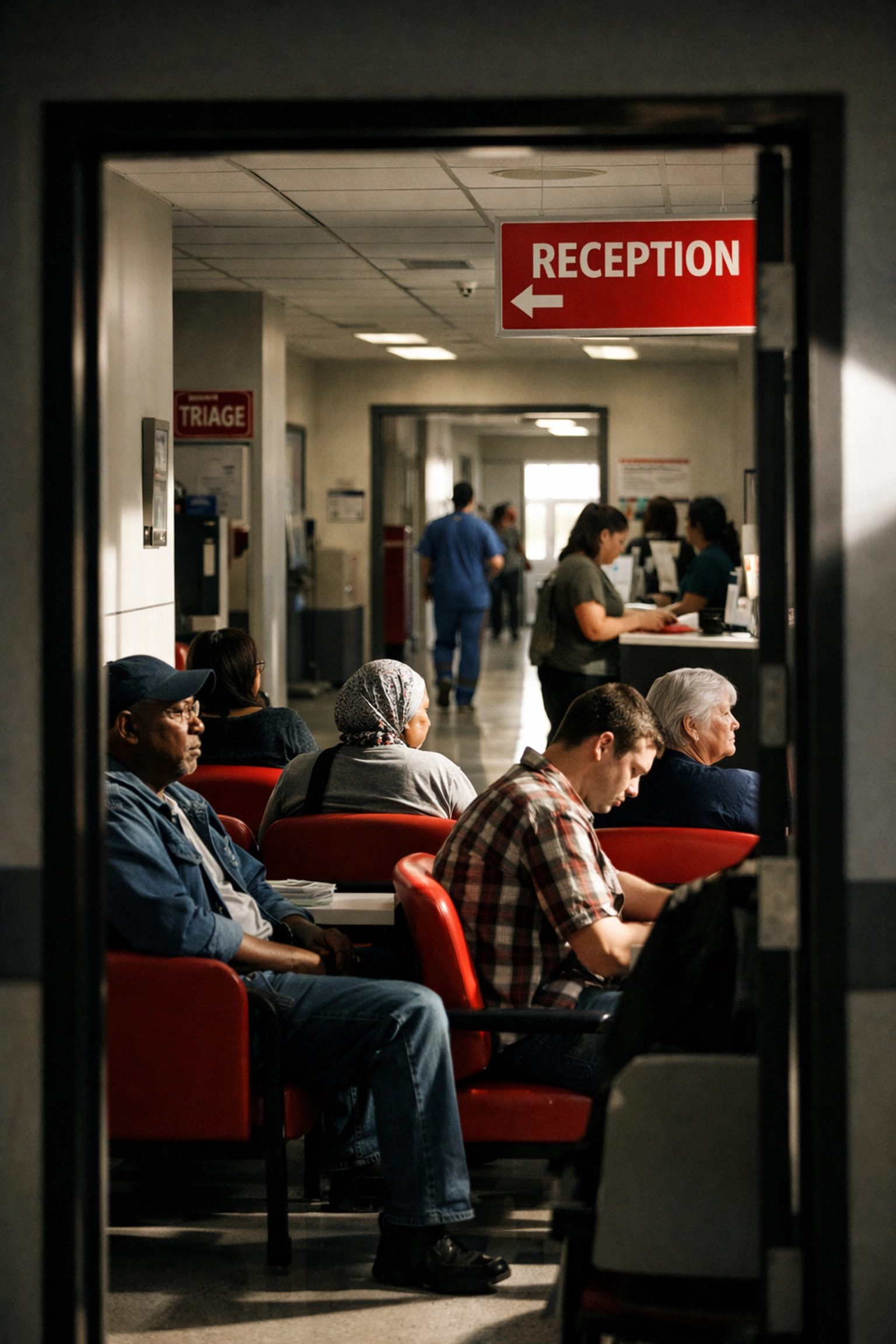
WINNIPEG: Recent expansions of hospital security measures have been welcomed as a necessary response to escalating violence against healthcare workers, though concerns remain about whether current strategies address the underlying causes of workplace violence in medical facilities.
Hospital administrators have increased security personnel and implemented new safety protocols following multiple incidents of violence against nurses, doctors, and other healthcare staff. The measures represent a recognition of growing threats to worker safety in emergency departments and psychiatric units across Winnipeg’s hospital system.
Healthcare unions and worker advocacy groups have acknowledged the improved security presence while noting that current approaches lack a comprehensive upstream prevention strategy. Observers point to connections between hospital violence and broader societal issues, including untreated mental illness, substance addiction, and homelessness.

Emergency department staff report frequent encounters with patients experiencing mental health crises or substance withdrawal, situations that can escalate into violent incidents when adequate psychiatric and addiction services are unavailable in the community. The lack of alternative care pathways means hospitals often become default facilities for individuals requiring specialized mental health or addiction treatment.
Healthcare administrators have called for increased provincial funding for both hospital security and community-based mental health services. The dual approach aims to protect healthcare workers while addressing the root causes that lead to violent incidents in medical settings.
The Manitoba Nurses Union has documented numerous assaults on healthcare workers over the past year, ranging from verbal threats to physical attacks requiring medical treatment. Union representatives continue to advocate for safer working conditions and adequate staffing levels to manage high-risk situations.
4. Federal Conservatives Demand Investigation Into Asylum Seeker Healthcare Access
WINNIPEG: Conservative Members of Parliament have called for a formal investigation into asylum seekers’ access to healthcare services, intensifying ongoing debates about immigration policy and resource allocation in Canada’s healthcare system.
The call for investigation comes amid broader Conservative criticism of federal immigration and asylum policies, with MPs raising questions about healthcare costs and service availability for Canadian citizens. Conservative representatives have requested detailed information about healthcare utilization by asylum seekers and the financial impact on provincial healthcare systems.
Federal immigration policy currently provides asylum seekers with access to essential healthcare services while their claims are processed, a practice defenders argue is necessary on humanitarian grounds and required under international law. Critics contend that increased asylum claims have placed additional pressure on already-strained provincial healthcare systems.
The debate extends beyond healthcare access to include questions about removal processes and appeal options available to failed asylum claimants. Conservative MPs have argued for streamlined deportation procedures and reduced appeal periods for individuals whose asylum claims are rejected.
Immigration advocacy groups have defended current healthcare access policies, arguing that denying medical care to asylum seekers would create public health risks and violate Canada’s international obligations. Healthcare professionals have generally supported maintaining access to essential medical services for all individuals regardless of immigration status.
The healthcare access debate reflects broader tensions in Canadian immigration policy as federal and provincial governments negotiate cost-sharing arrangements and service delivery responsibilities. Manitoba receives asylum seekers through federal programs, with provincial healthcare systems responsible for service delivery.
5. Community Initiatives Highlight Winnipeg’s Commitment to Youth Development and Cultural Growth
WINNIPEG: Community leaders are drawing attention to numerous local initiatives making positive impacts across the city, from youth sports programs to cultural institutions nurturing the next generation of talent and leadership.
Hockey coaches across Winnipeg continue to emphasize sportsmanship and character development alongside athletic skills, building young players’ understanding of teamwork and community responsibility. Local hockey programs serve thousands of young athletes, providing structured activities and mentorship during critical developmental years.
Music educators throughout the city are celebrating student progress and achievement, with school and community music programs offering opportunities for creative expression and skill development. These programs provide essential arts education that supports cognitive development and emotional well-being.
The Winnipeg Model United Nations program has emerged as a significant force in developing young leaders, giving students opportunities to engage with complex global issues, develop public speaking skills, and understand international relations. The program attracts participants from schools across the city and has produced graduates who continue in public service and international careers.
Cultural institutions including the Royal Manitoba Theatre Centre (RMTC) and Winnipeg’s Ethnic Cultural Centre (WECC) continue to nurture local talent while celebrating the city’s diverse cultural heritage. These organizations provide platforms for artistic expression and cultural preservation, contributing to Winnipeg’s reputation as a culturally vibrant city.
Community advocates emphasize that these initiatives represent Winnipeg’s commitment to investing in young people and maintaining strong cultural institutions. The programs operate largely through volunteer efforts and community support, demonstrating sustained civic engagement across the city.
The Winnipeg Bureau delivers your essential local news every weekday morning. For more news from across Canada, visit The Canadianist.


Post comments (0)