Listeners:
Top listeners:
-
 play_arrow
S1 E9 | Are We That Incompetent? Canada vs Saudi Arabia
-
 play_arrow
S1 E2 | Milk, Markets, and the Cost of Protection

Vancouver Daily News Roundup: 5 Stories You Need to Know This Monday Morning

Good morning, Vancouver. Here are the top five stories you need to know to start your week.
1. Secret Howe Bridge Meeting Raises Questions as Delays Cost $7 Million Weekly

A confidential meeting has resulted in a new agreement regarding the Howe Bridge project, though the arrangement has sparked questions from city officials and residents as service delays continue to mount. The delays are accumulating at a rate of $7 million per week, according to figures released this morning.
Officials have not disclosed details about who attended the private meeting or what specific terms were negotiated in the new agreement. The bridge project, a critical infrastructure initiative for the region, has faced mounting criticism as timeline extensions push costs higher.
City council members have requested transparency regarding the meeting’s participants and the financial implications of the revised agreement. The $7 million weekly delay cost includes lost productivity, rerouted traffic expenses, and additional contractor fees.
The Howe Bridge serves as a vital artery for commuters traveling between downtown Vancouver and the North Shore. Original completion estimates placed the project’s finish date 18 months ago, but multiple setbacks have extended construction well beyond initial projections.
2. BCGEU Strike Leaves Former Youth-in-Care Services in Critical Limbo
Service disruptions stemming from the British Columbia Government and Service Employees’ Union strike have placed vulnerable populations in difficult circumstances, with approximately 600 staffers participating in the ongoing job action. The Ministry of Children and Family Development confirmed Monday morning that former youth-in-care services have been significantly affected.
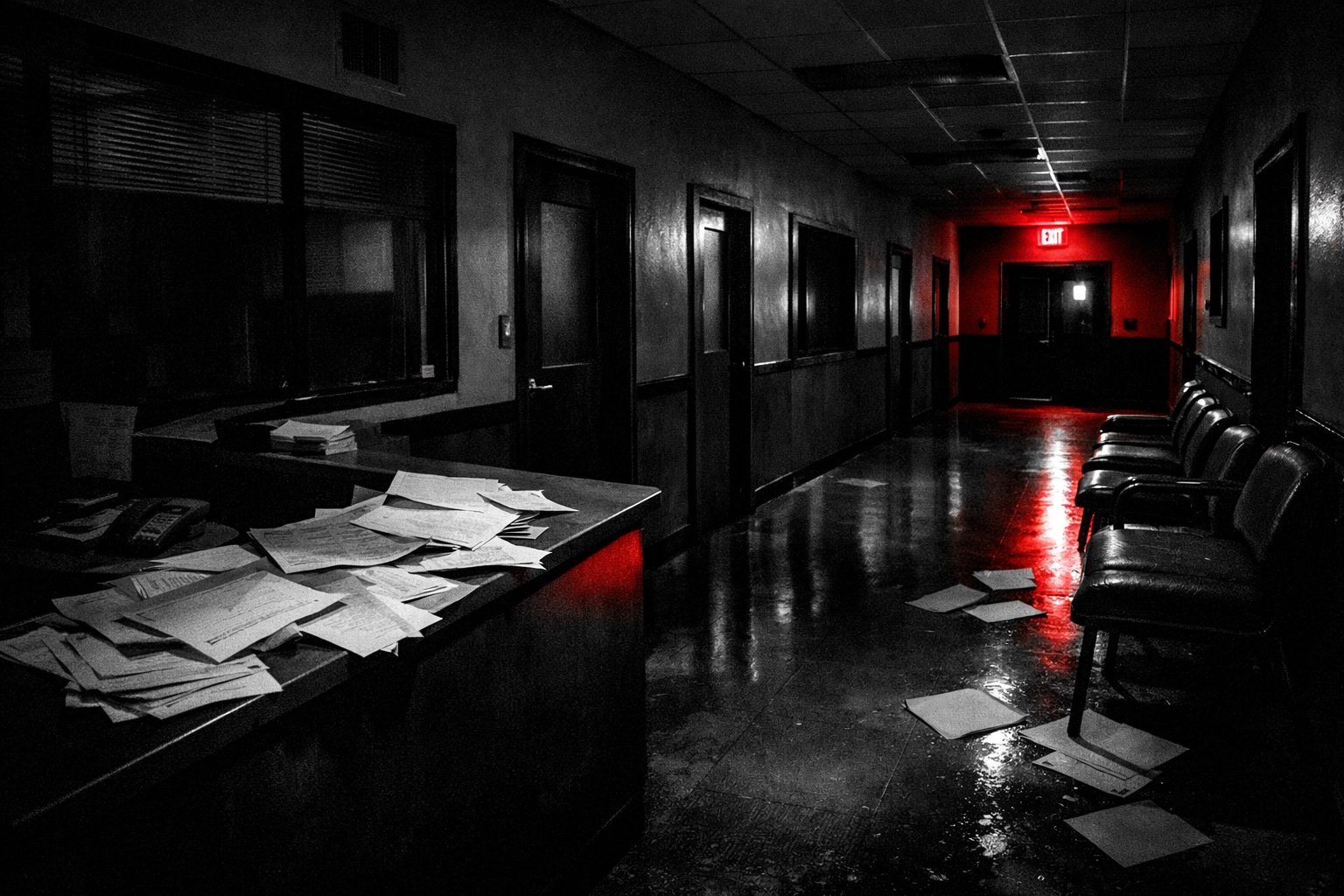
The strike, now entering its third week, has created gaps in support services for individuals who aged out of the foster care system. These services typically include housing assistance, employment counseling, and mental health support programs that former youth-in-care depend on for stability.
Ministry officials acknowledged the difficulties residents are facing during the labor dispute but stated that emergency protocols remain in place for crisis situations. Union representatives have indicated that staffing shortages and workload concerns precipitated the strike action.
The BCGEU has not announced a timeline for potential resolution, though both parties confirmed they remain in active negotiations. Social service agencies across the Lower Mainland have reported increased demand as individuals seek alternative support while government services remain disrupted.
Advocates for youth-in-care have called for expedited negotiations, noting that this population faces unique challenges and often lacks alternative support systems during service interruptions.
3. Premier Agrees to Amend Vancouver Park Board Dissolution Legislation

The Premier has agreed to amend proposed legislation that would enable Vancouver to dissolve its elected park board, following concerns raised by city officials and community groups. The announcement came during a Monday morning press conference at the legislature.
The original bill would have granted Vancouver City Council authority to eliminate the park board structure, which has operated as an independently elected body since 1888. Vancouver remains the only major Canadian city with a separately elected parks governance system.
City officials had expressed concerns about specific provisions in the legislation regarding the transition timeline and public consultation requirements. The Premier’s office has not yet released details about what amendments will be included in the revised bill.
The park board oversees Vancouver’s extensive parks system, including Stanley Park, and manages recreational facilities across the city. Proponents of dissolution argue that eliminating the separate board would streamline decision-making and reduce administrative costs. Opposition groups contend that an independent board provides essential checks and balances for park management.
The amended legislation is expected to return to the legislature floor within two weeks. Public hearings on the revised bill have been scheduled for early March.
4. Tax-Filing Season Begins for Canadian Residents
The Canada Revenue Agency has officially opened the 2025 tax-filing season, with officials urging Canadians to begin gathering tax slips and receipts. The filing deadline falls on April 30, 2026, for most taxpayers.
Residents should expect to receive T4 slips from employers, T5 slips for investment income, and various other tax documents throughout February and early March. The CRA has confirmed that all electronic filing systems are operational as of Monday morning.

This year’s filing season includes several notable changes to federal tax provisions. The basic personal amount has increased, and new credits related to home office expenses remain available for eligible taxpayers. Self-employed individuals and their spouses have until June 15, 2026, to file, though any balance owing must still be paid by April 30 to avoid interest charges.
The CRA has expanded its auto-fill service, which allows taxpayers using certified software to automatically import information from government records. First-time filers can access free tax clinics operated by community organizations across British Columbia.
Officials recommend filing electronically to expedite refund processing. The average processing time for electronic returns is approximately two weeks, compared to eight weeks for paper returns.
5. BC Mining Sector Advances with New Permits and Critical Minerals Recognition
British Columbia’s critical minerals sector has received a boost through two significant developments announced this week. Independence Gold has secured five-year exploration permits for its 3Ts Gold and Silver Project located near Prince George, while Defense Metals’ Wicheeda Project has been selected by the British Columbia Critical Minerals Office for their advanced project initiative.
The 3Ts project permits allow Independence Gold to conduct extensive exploration activities over a five-year period, including drilling programs and geophysical surveys. The project area contains promising gold and silver deposits that initial assessments suggest could support commercial mining operations.
The Wicheeda Project, focused on rare earth elements, was chosen as one of only three projects province-wide for the advanced initiative program. This designation provides access to streamlined regulatory processes and government support for project advancement. Rare earth elements are essential components in electric vehicles, renewable energy systems, and defense technologies.
The Critical Minerals Office established the program to accelerate development of projects deemed strategically important to British Columbia’s economic diversification and global supply chain security. The province has identified rare earth elements, lithium, and other minerals as priorities for development.
Both projects are expected to create employment opportunities in northern British Columbia, where resource sector jobs provide significant economic support to rural communities. Independence Gold has indicated that exploration activities at the 3Ts project will commence in spring 2026, pending weather conditions and final site preparations.
Stay informed with vancouver daily news coverage. Check back tomorrow for another roundup of vancouver breaking news and local developments.


Post comments (0)