Listeners:
Top listeners:
-
 play_arrow
S1 E9 | Are We That Incompetent? Canada vs Saudi Arabia
-
 play_arrow
S1 E2 | Milk, Markets, and the Cost of Protection

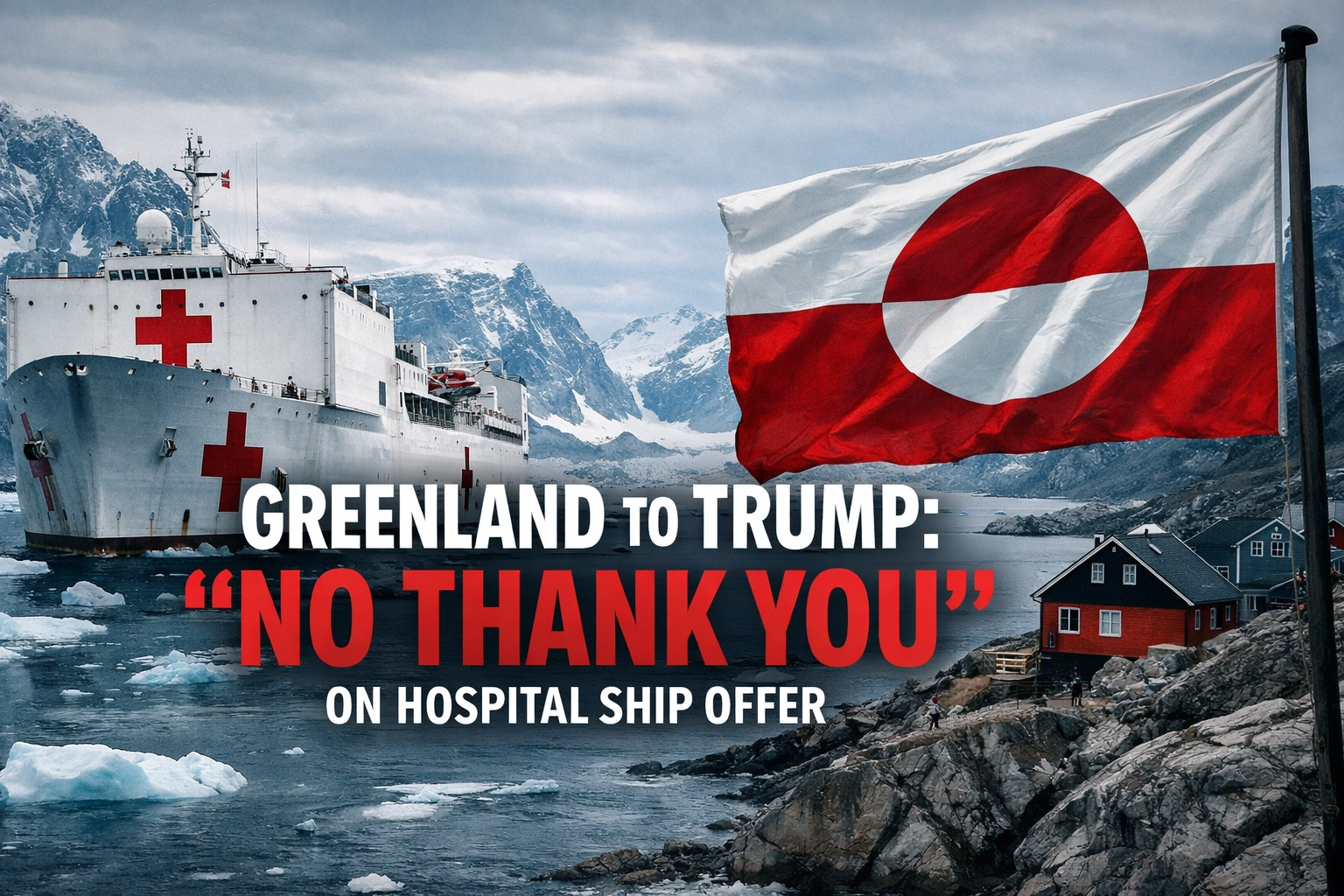
Greenland to Trump: “No Thank You” on Hospital Ship Offer
Listen. Watch. Pay attention.
What happened in Greenland this weekend matters to every Canadian who cares about sovereignty, diplomacy, and how we conduct ourselves in the Arctic. This isn’t just about one rejected offer or one diplomatic dust-up. This is about the future of the North, and whether we’re prepared to defend it with clarity, respect, and strength.
We’re in the middle of everything happening in the Arctic right now. And it’s time we started acting like it.
The Offer That Wasn’t Asked For
On Saturday night, President Donald Trump announced via Truth Social that he would deploy a U.S. hospital ship to Greenland. The stated purpose? To provide healthcare to Greenlanders who, according to Trump, were sick and not receiving adequate care. The announcement came in collaboration with Louisiana Governor Jeff Landry, Trump’s special envoy to the Arctic territory.
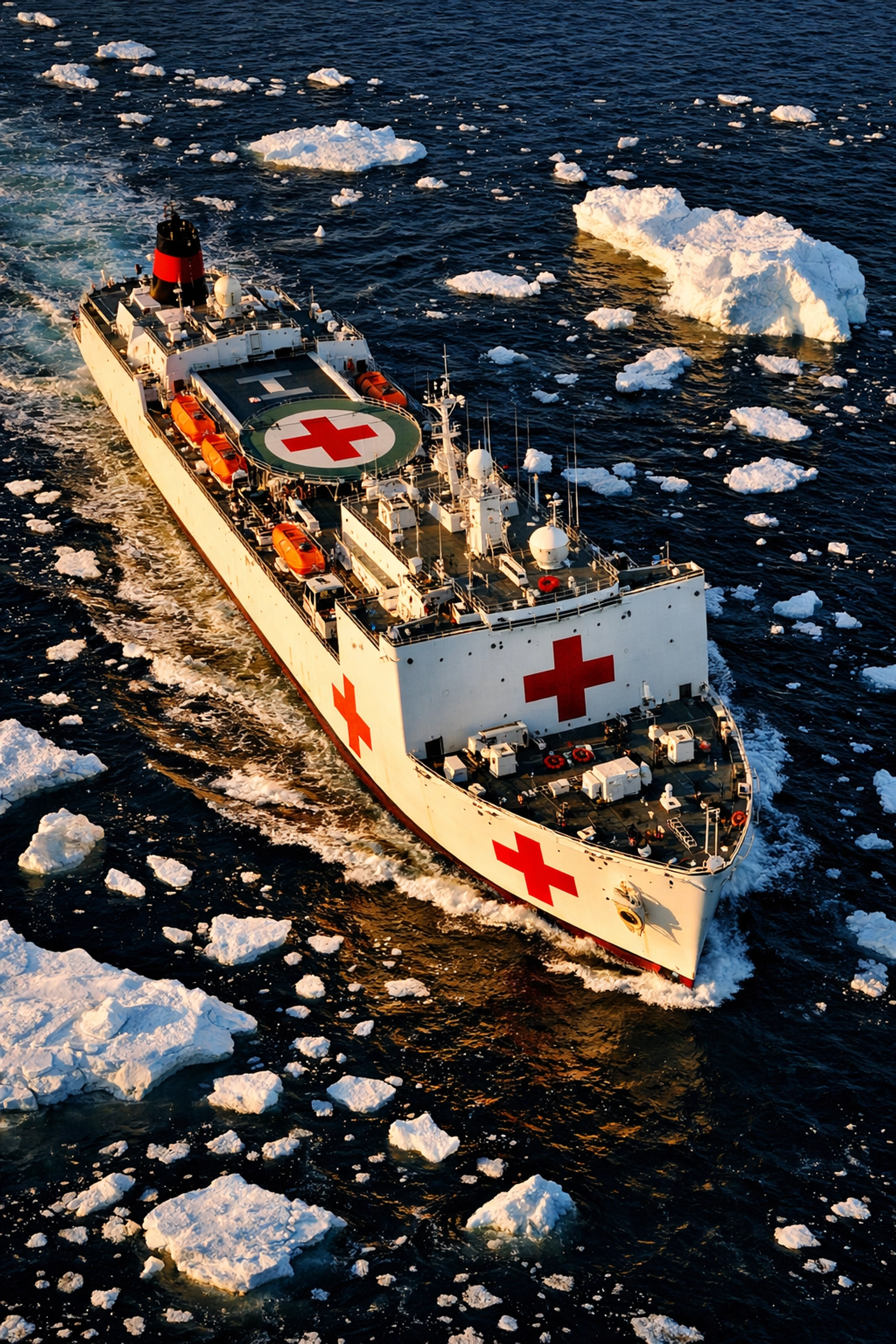
Greenland’s Prime Minister Jens-Frederik Nielsen didn’t waste time with his response. “It’s a no thank you from here,” he said flatly on Sunday, defending his territory’s free public healthcare system and making a pointed contrast with the American model where medical care requires payment.
But Nielsen didn’t stop there. His criticism cut to the heart of how modern diplomacy should, and shouldn’t, work: “Please talk to us instead of just making more or less random statements on social media.”
Denmark’s Defense Minister Troels Lund Poulsen echoed the rejection, stating clearly that Greenlandic citizens receive the healthcare they need, either locally or in Denmark for specialized treatment. A special healthcare initiative wasn’t necessary. It wasn’t wanted. And it certainly wasn’t requested.
Sovereignty Isn’t a Suggestion
Here’s what this moment really represents: sovereignty matters.
Not sovereignty as an abstract concept debated in international law seminars. Real sovereignty. The kind that means you get to decide what happens in your territory. The kind that requires other nations, no matter how powerful, to actually talk to you, not at you. The kind that demands respect, not unilateral announcements on social media.
Greenlandic politician Aaja Chemnitz characterized Trump’s proposal as “desperate,” noting that a poorly maintained hospital ship “does not contribute to the permanent and sustainable strengthening of the health care system that we need.”
Translation: we know what we need better than you do. And we’ll decide how to get it.
This is the language of a territory that understands its own interests. It’s the voice of a people who won’t be treated as props in someone else’s geopolitical theater. And it’s a reminder that sovereignty, true sovereignty, begins with being taken seriously as a partner, not being “helped” without invitation.
Why This Matters to Canada
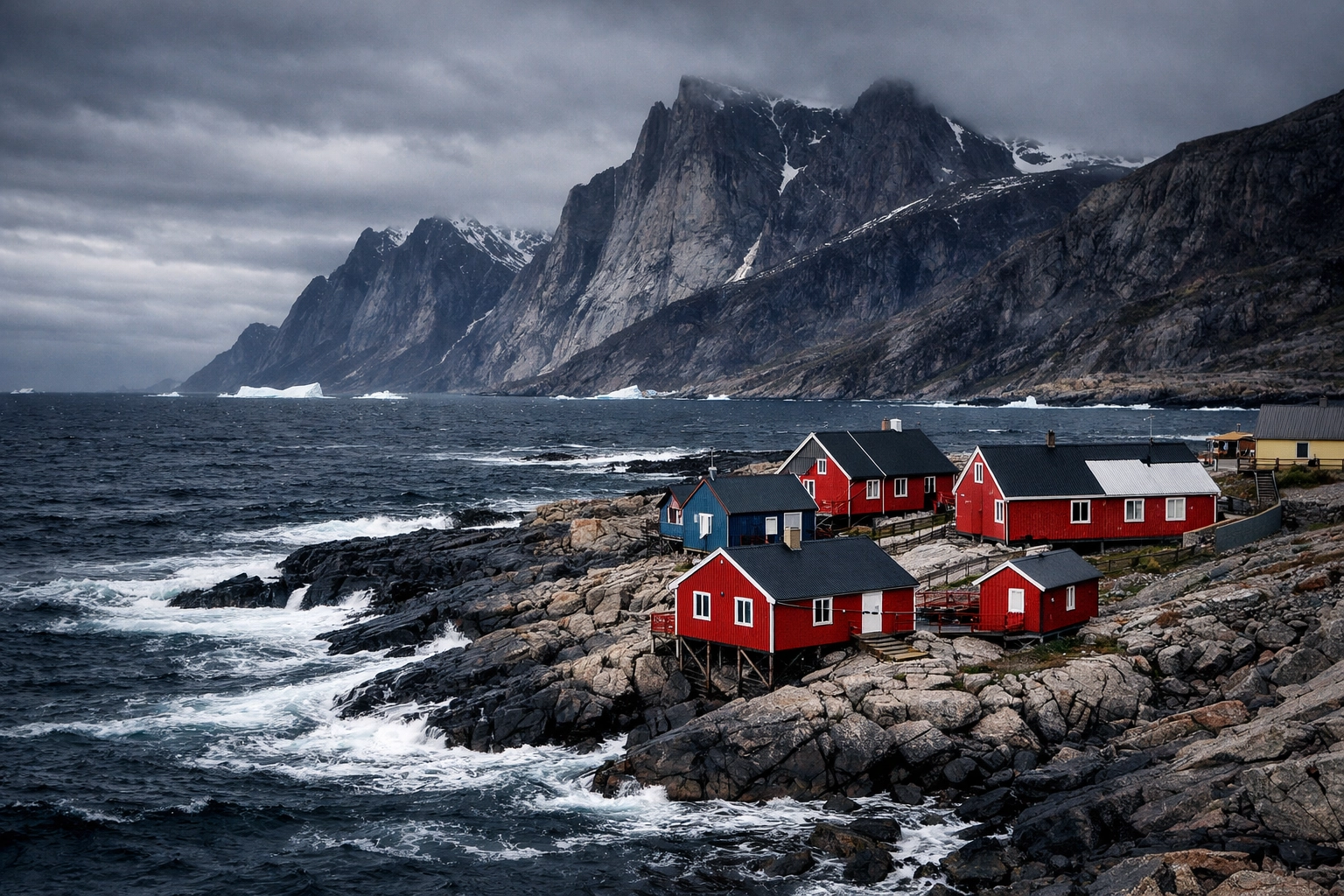
We share the longest Arctic coastline of any nation on Earth. Our Northern territories face similar challenges: vast distances, small populations, climate change, resource development questions, and healthcare delivery complexities. We understand the Arctic in ways that most nations simply don’t.
And we need to understand this: what happens to Greenland’s sovereignty concerns us directly.
The Arctic isn’t empty space waiting to be claimed by whoever shows up with the most ships or the loudest announcements. It’s home to Indigenous peoples with rights and voices. It’s governed by nations with legitimate sovereignty. And it’s the frontier where great power competition is increasingly playing out, not with respect for established norms, but with muscle and unilateral moves.
When the United States, our closest ally, makes announcements about Greenland without consulting Greenlandic or Danish leadership, it sets a precedent. It normalizes a style of Arctic engagement that treats sovereignty as negotiable. As something that can be bypassed with good intentions or strategic interests.
That should concern every Canadian.
Because if sovereignty becomes optional in Greenland, it becomes optional in Canada’s North too. If diplomatic norms can be ignored with our Arctic neighbors, they can be ignored with us. The precedent matters. The pattern matters.
The Arctic Isn’t a Blank Canvas
Let’s be clear about the geopolitical context here. Trump’s interest in Greenland isn’t new, and it isn’t subtle. During his first term, he proposed purchasing the territory outright, an idea that was politely but firmly rejected. The strategic value is obvious: Greenland sits at the crossroads of Arctic shipping routes, contains valuable mineral resources, and hosts the U.S. Thule Air Base, a critical component of North American defense.
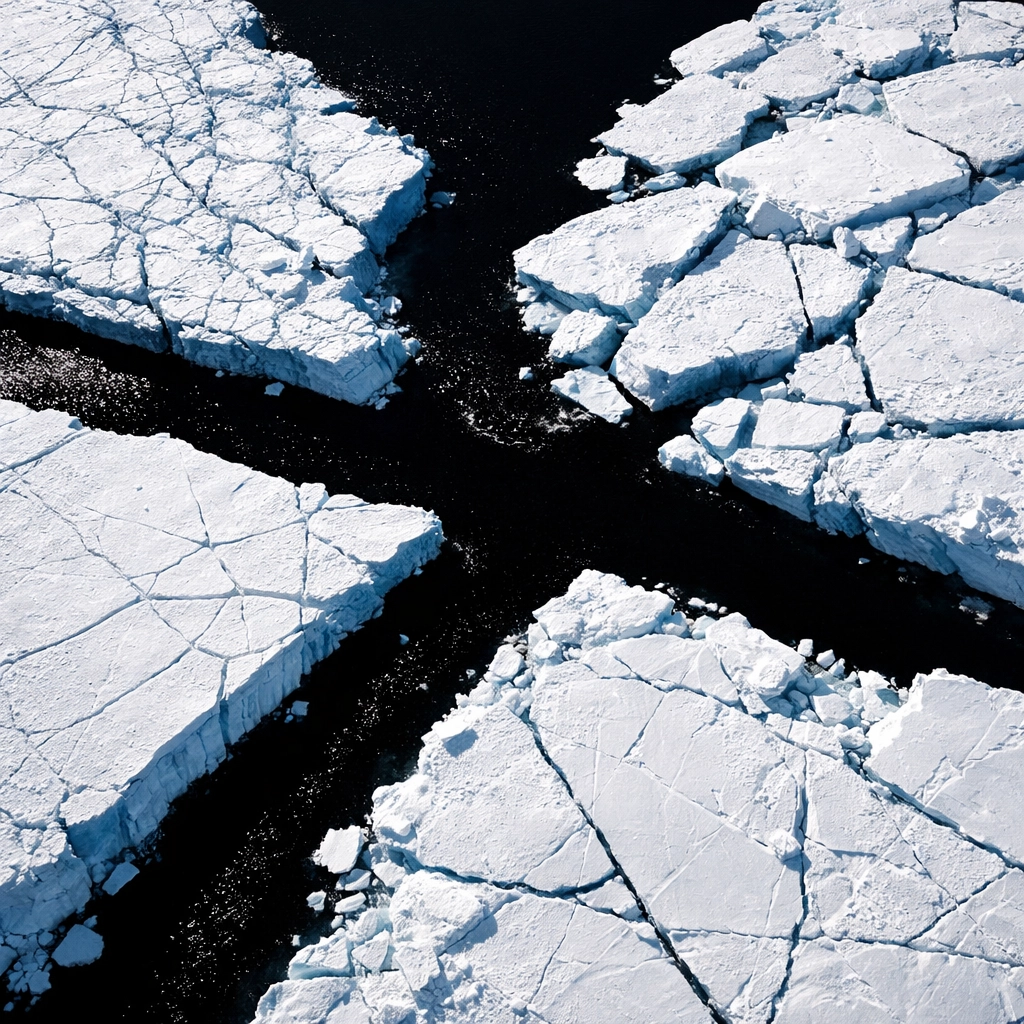
Russia is expanding its Arctic military presence. China has declared itself a “near-Arctic state” and is investing heavily in polar research and infrastructure. The Northwest Passage, Canadian waters, let’s not forget, is becoming increasingly navigable due to climate change. Arctic resources, from rare earth minerals to fishing grounds, are more accessible than ever.
This isn’t a distant future scenario. This is happening now.
And in this environment, the way nations treat each other’s sovereignty matters immensely. Greenland’s firm “no thank you” isn’t just about a hospital ship. It’s about establishing that Arctic territories and nations won’t be sidelined in decisions about their own future.
What Canada Needs to Do
We need a clear, well-resourced Arctic strategy that does three things simultaneously:
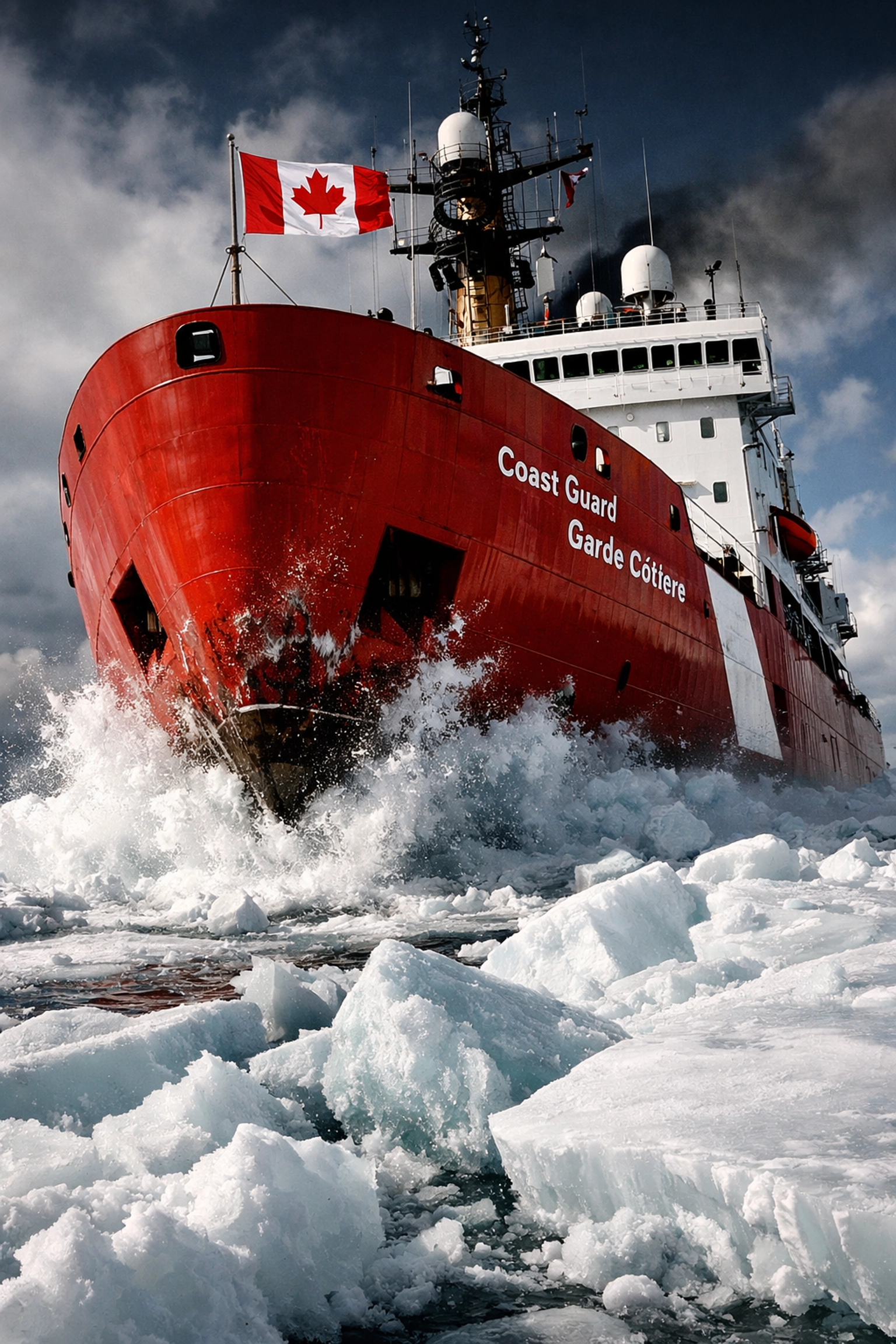
First, defend our sovereignty. That means military presence. Coast Guard capacity. Surveillance infrastructure. The ability to know what’s happening in our waters and airspace, and to respond when necessary. We can’t claim sovereignty we can’t defend.
Second, respect our neighbors. Greenland, Denmark, Iceland, Norway, and yes, the United States, these are our Arctic partners. We succeed together or we create opportunities for others to exploit our divisions. Nielsen’s call for direct communication instead of social media diplomacy should resonate with us. That’s how serious nations conduct themselves.
Third, invest in our North. Our own Northern communities face real challenges: healthcare access, infrastructure gaps, economic opportunities, climate adaptation. We can’t lecture others about Arctic sovereignty while neglecting our own Northern citizens. Sovereignty is built from the ground up, with communities that are healthy, connected, and economically viable.
Prime Minister Nielsen said Greenland remains “open to dialogue and cooperation” with the United States, but emphasized “the importance of direct diplomatic communication.” That’s the model. That’s how Arctic relations should work.
Canada needs to champion that approach, not just with Greenland, but across the entire Arctic region. We should be the nation that other Arctic states want to work with because we respect sovereignty, honor commitments, and engage as genuine partners.
The Moment We’re In
This isn’t about taking sides in a U.S.-Greenland dispute. This is about recognizing what kind of Arctic we want to live in.
Do we want an Arctic where sovereignty is respected? Where Indigenous peoples have meaningful voices? Where nations engage through diplomacy rather than unilateral announcements? Where cooperation on shared challenges, climate change, search and rescue, environmental protection, happens between equals?
Or do we want an Arctic where the loudest voices and biggest powers simply do what they want, announcing decisions without consultation, treating smaller nations and territories as strategic assets rather than sovereign entities?
We get to choose. But only if we’re willing to invest in the answer.
That means dollars for Arctic infrastructure. It means genuine partnership with Northern Indigenous communities. It means diplomatic leadership that brings Arctic nations together around shared principles. And yes, it means the military and Coast Guard presence to back up our sovereignty claims when necessary.
The alternative is watching other nations define the Arctic’s future while we stand on the sidelines of our own neighborhood.
Move Forward
Greenland’s “no thank you” should be heard clearly in Ottawa. Not as someone else’s problem. As a reminder of what sovereignty looks like when it’s taken seriously.
We need an Arctic strategy that matches our geography and our values. We need leadership that understands the North isn’t just territory on a map: it’s home to Canadians whose voices matter, whose communities deserve investment, and whose future is our shared responsibility.
The Arctic is heating up, literally and geopolitically. The question isn’t whether Canada will be involved. We already are, by virtue of where we are. The question is whether we’ll lead with clarity, strength, and respect for sovereignty: ours and our neighbors’.
That’s the Canada we need to build. That’s the Arctic leadership the moment demands.
Join the conversation. What does Arctic sovereignty mean to you? How should Canada engage with our Northern neighbors? Share your thoughts at The Canadianist News and let’s chart the path forward( together.)
Post comments (0)