Listeners:
Top listeners:
-
 play_arrow
S1 E9 | Are We That Incompetent? Canada vs Saudi Arabia
-
 play_arrow
S1 E2 | Milk, Markets, and the Cost of Protection

Supply Management: The Grocery Store Dilemma
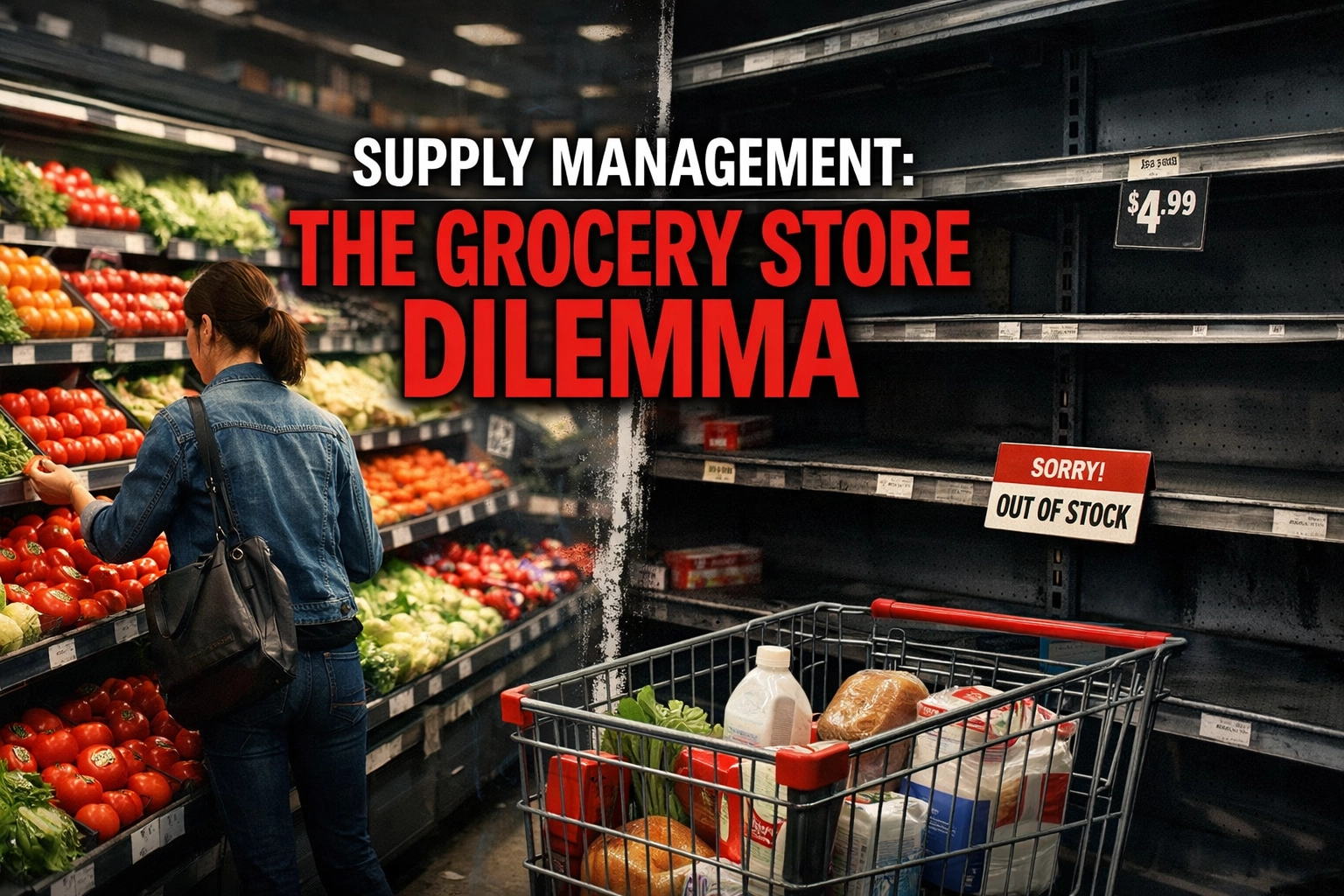
Walk into any Canadian grocery store. Look at the dairy aisle. Check the price on a four-litre jug of milk. Now imagine walking across the border and doing the same thing in Buffalo or Detroit.
You’ll notice a difference. Not a massive one, but enough to make you wonder.
We’re talking about supply management: Canada’s decades-old system that protects our dairy, poultry, and egg farmers through production quotas and import controls. It’s a policy that sparks fierce debate at kitchen tables and in Parliament. And with the USMCA review coming up this July, it’s about to become one of the most critical conversations in Canadian agriculture and trade policy.
This isn’t about picking sides. This is about finding a path forward that protects the people who feed us while ensuring Canadian families can actually afford to eat.
The Reality on Your Receipt
Let’s start with the numbers, because they matter.
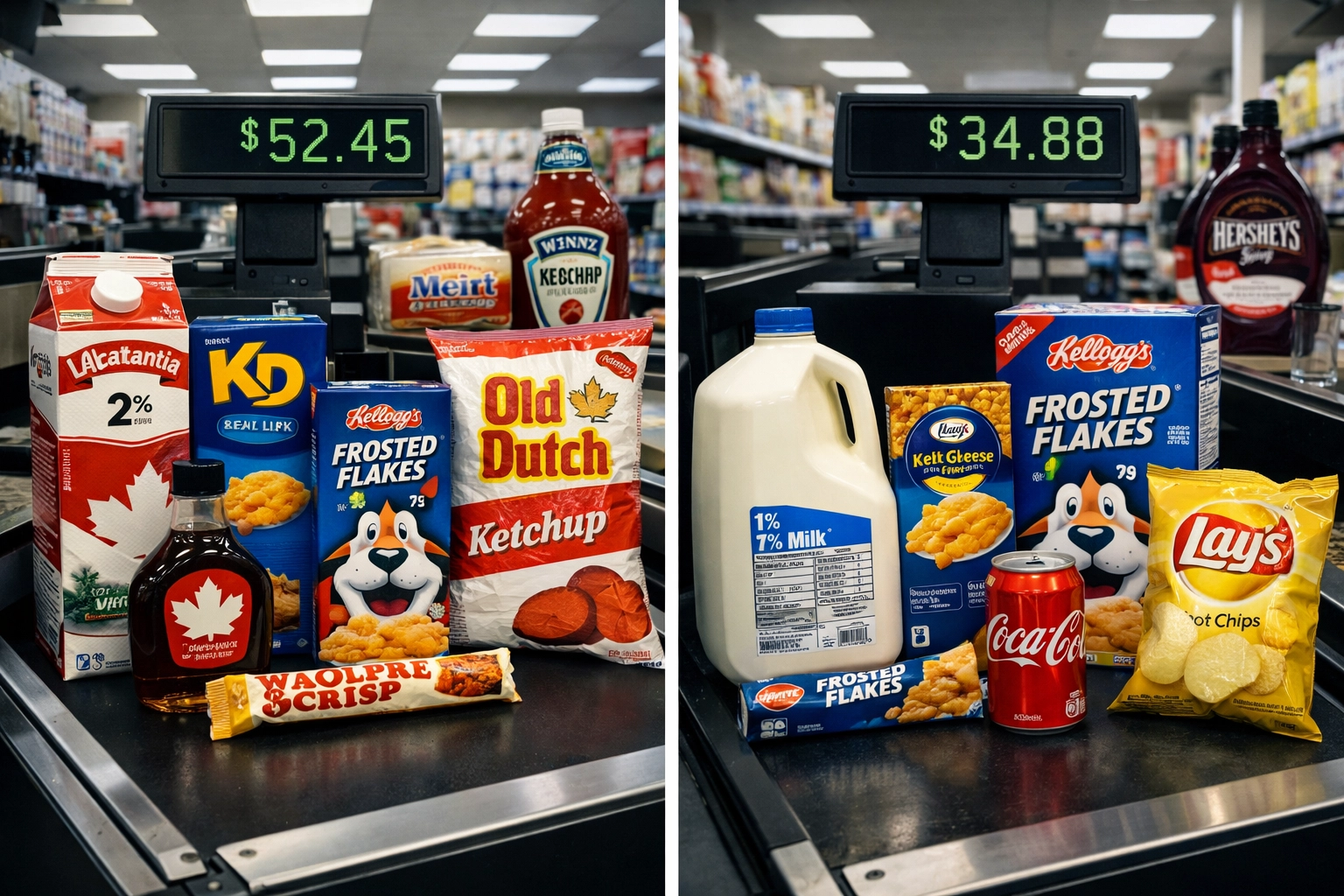
As of February 2026, milk in Canada averages around $1.69 per litre. Cross the border into the United States and you’re looking at roughly $1.50 per litre. Chicken breast? We’re paying about 15-20% more on average than American consumers. Eggs follow a similar pattern: moderately higher here than south of the 49th parallel.
But here’s where it gets interesting: yogurt and cheese are often cheaper in Canada, particularly for products made by our domestic producers. Quality cheddar from Quebec dairy cooperatives frequently undercuts American imports. Greek yogurt from Ontario dairies competes aggressively on both price and quality.
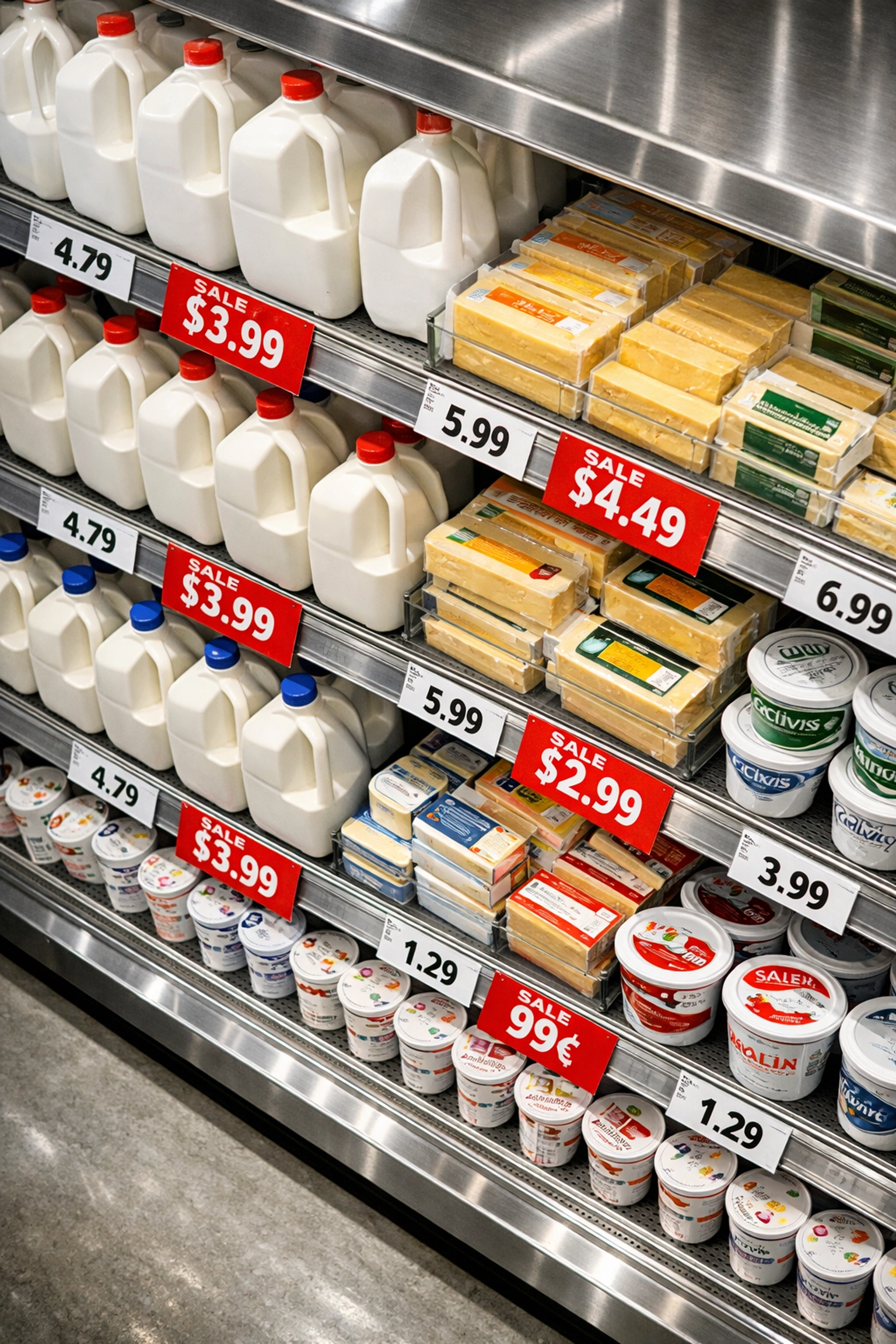
The narrative that everything is dramatically more expensive under supply management doesn’t hold up under scrutiny. Some products cost more. Some cost less. And some are nearly identical when you account for exchange rates and regional variations.
The real question isn’t whether our system produces slightly different prices. It’s whether the trade-offs are worth it: and whether there’s a smarter way forward.
Why Supply Management Exists
Supply management wasn’t created in a vacuum. It emerged in the 1970s as a response to boom-and-bust cycles that were destroying family farms across Canada.
Before quotas, dairy farmers faced wild price swings. One year they’d expand production to meet demand. The next year, oversupply would crash prices and bankrupt operations that had just invested in new equipment. Small and mid-sized farms couldn’t survive the volatility.
The system that replaced this chaos guaranteed farmers stable, predictable income through controlled production. Farmers buy quota: the right to produce a certain amount of milk, chicken, or eggs. In exchange, they get price stability and protection from foreign producers willing to dump products below cost.
It worked. Canadian dairy farms survived while American operations consolidated into massive industrial operations. Our poultry sector maintained quality standards. Rural communities built around these farms stayed viable.
But stability came with a cost: less competition, higher barriers to entry for new farmers, and prices that don’t always reflect what a truly open market would produce.
The Farmer’s Reality
Talk to a dairy farmer in rural Quebec or a poultry producer in the Fraser Valley. They’ll tell you supply management isn’t a subsidy: it’s the only thing standing between them and liquidation.
Quota values represent generational investment. A dairy farmer might have $2 million tied up in quota alone, not counting land, equipment, and livestock. That quota is their retirement plan. Their children’s inheritance. The collateral for every loan they’ve ever taken.
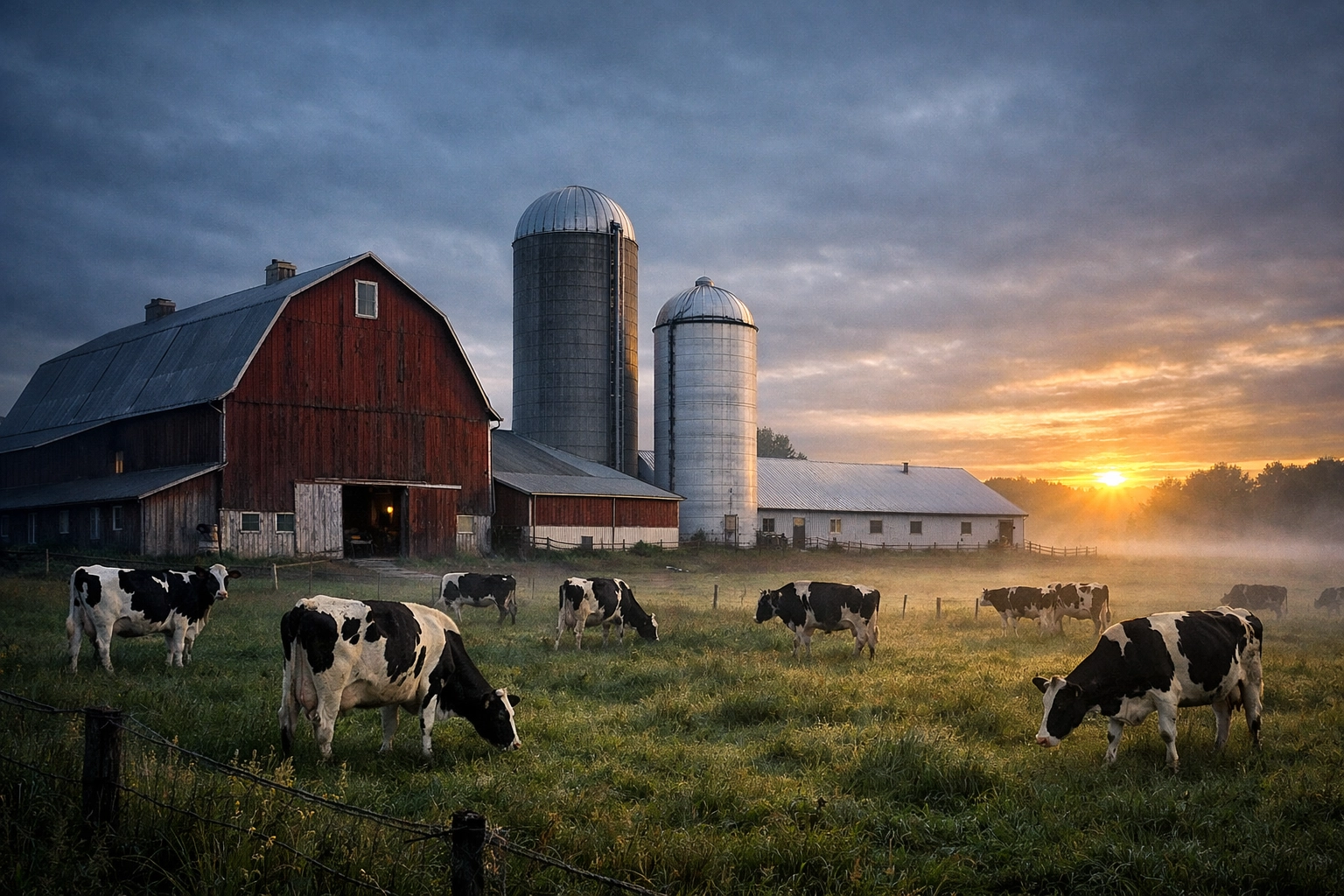
Remove supply management overnight and you don’t just adjust prices: you wipe out family wealth accumulated over decades. You force consolidation toward American-style mega-farms. You hollow out rural communities that depend on these operations for jobs, tax revenue, and economic activity.
Canadian farmers also meet environmental and animal welfare standards that exceed American requirements. These standards cost money. Operating under Canadian labour laws costs money. Competing directly against producers who don’t face these requirements isn’t a level playing field: it’s a race to the bottom.
Supply management, for all its flaws, prevents that race.
The Family’s Reality
Now talk to a single parent in Toronto or a young couple in Vancouver trying to budget for groceries while rent consumes half their income.
They’ll tell you that paying $7 for a block of cheese or $9 for chicken breasts isn’t about agricultural policy: it’s about whether their kids eat well or eat cheap.
Food insecurity in Canada has reached crisis levels. Food banks are serving record numbers of families. The affordability crisis isn’t abstract economic theory. It’s real people making impossible choices.
When dairy products cost more, it’s not the wealthy who suffer. It’s the families who already cut corners everywhere else. The students eating instant noodles. The seniors on fixed incomes watching every dollar.
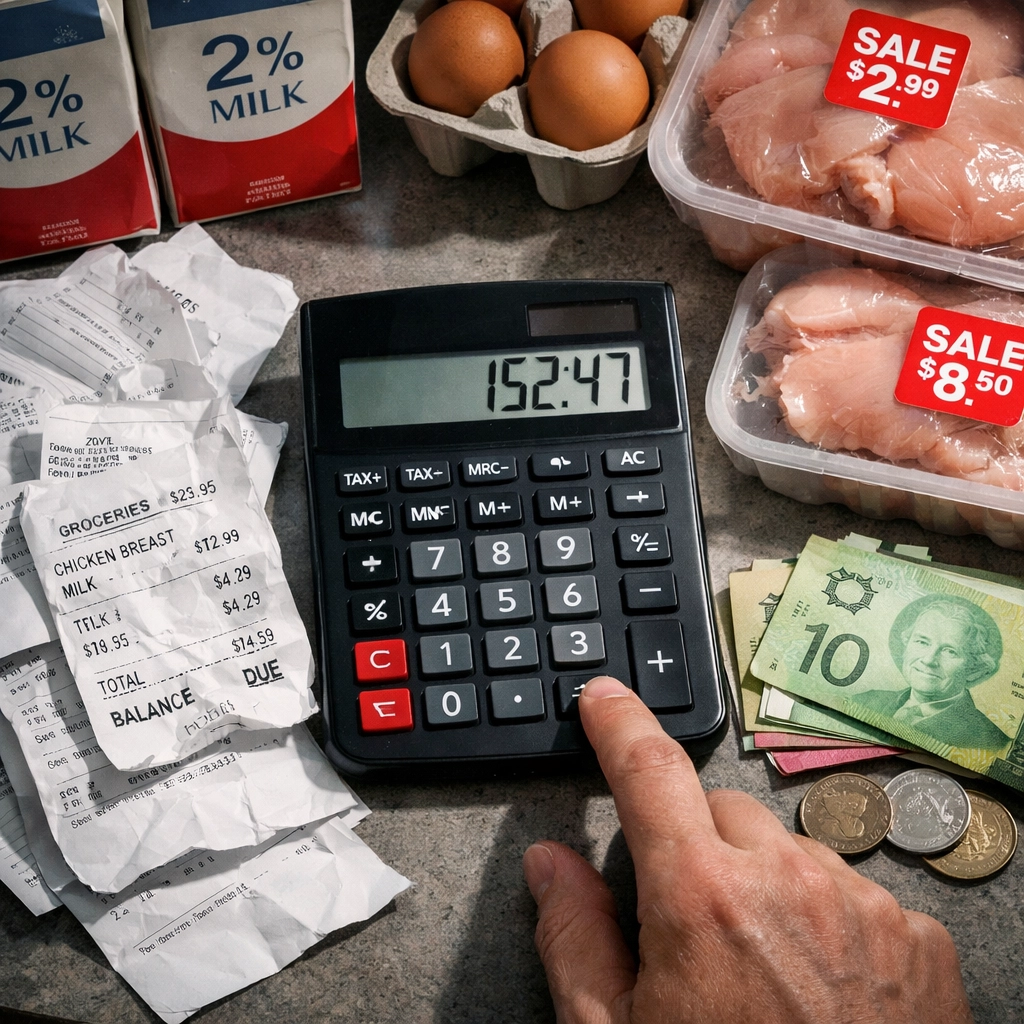
Supply management protects 10,000 dairy farmers and about 2,800 chicken and egg producers. That’s important. Those farms matter. But policy has to account for 40 million Canadians who buy food, many of whom are struggling.
The challenge isn’t choosing between farmers and families. It’s finding policy solutions that work for both.
The USMCA Pressure Cooker
This debate isn’t happening in a vacuum. The Canada-United States-Mexico Agreement comes up for review in July 2026: four months from now.
American negotiators have made their position clear: they want greater access to Canadian dairy and poultry markets. They see supply management as a non-tariff trade barrier that protects inefficient producers and restricts American exports.
Whether you agree with that characterization or not, the pressure is real. Canada made concessions on dairy access in both the original USMCA and in the trans-Pacific partnership negotiations. We’ll face pressure to make more.
The question is whether we defend the status quo at all costs or come to the table with our own reform proposals that protect farmers while addressing legitimate concerns about competition and affordability.
Digging in completely risks isolation and trade retaliation. Capitulating completely destroys a sector we’ve built over half a century.
A Canadianist Solution
Here’s the practical middle ground: transition, don’t demolish.
First, acknowledge that the current system isn’t sustainable in its exact form. Quota values have inflated to unsustainable levels, making entry impossible for young farmers without family wealth. That’s neither fair nor economically efficient.
Second, protect existing farmers’ investments through gradual quota buyback programs. Provide transition support similar to what coal workers received as that sector evolved. Retirement-age farmers get fair value. Younger farmers get pathways to lower-cost entry.
Third, increase import access gradually rather than throwing the borders open overnight. Managed increases let domestic producers adapt without catastrophic market disruption.
Fourth, use saved consumer dollars to fund direct income support for farmers meeting high environmental and animal welfare standards. We already do this in other sectors. Make the support explicit and tied to outcomes we value as Canadians.
Fifth, invest in innovation and efficiency in Canadian agriculture. Help farmers reduce costs through technology, automation, and cooperative processing. Lower costs naturally translate to lower prices without sacrificing farmer viability.
The goal isn’t to choose winners and losers. It’s to build a system where farmers can earn decent livings, consumers can afford quality food, and Canada maintains food security and rural economic stability.
That’s ambitious. It’s also necessary.
The Conversation Continues
Supply management isn’t going away because we debate it. The USMCA review will force decisions. Global trade pressures will intensify. Consumer expectations will evolve.
We can approach this defensively: protecting every aspect of the status quo until external pressure forces sudden, painful change.
Or we can lead the conversation. Propose reforms that respect farmers’ contributions while addressing legitimate concerns about competition and affordability. Build policy that strengthens Canadian agriculture for the next fifty years rather than clinging to structures from the last fifty.
This is exactly the kind of challenge Canada needs to address together. Not through partisan warfare. Through practical problem-solving that recognizes complexity and respects everyone with skin in the game.
So let’s talk about it. Share your thoughts. Tell us what grocery prices look like in your community. Explain how your family navigates food costs. If you’re a farmer, help us understand your reality.
The conversation matters. And it starts now.
Join the discussion at The Canadianist: where we tackle the big questions facing Canada today.

Post comments (0)