Listeners:
Top listeners:
-
 play_arrow
S1 E9 | Are We That Incompetent? Canada vs Saudi Arabia
-
 play_arrow
S1 E2 | Milk, Markets, and the Cost of Protection

Top 5 Maritimes News Stories You Need to Know Today

Tuesday, February 24, 2026 – Here's your daily briefing on the most important news stories from across Atlantic Canada. From economic developments to weather impacts, we've rounded up what's making headlines in Nova Scotia, New Brunswick, Prince Edward Island, and Newfoundland and Labrador.
1. Population Growth Reversal Hits Maritime Provinces
Statistics Canada released new data showing a significant reversal in population trends across the Maritime provinces. After years of steady growth that brought thousands of new residents to Nova Scotia, New Brunswick, and Prince Edward Island, the region is now experiencing net population loss.
The data indicates that more people are moving out of the three Maritime provinces than moving in, marking a notable shift from the population boom experienced during the pandemic years and immediately after. This trend has raised concerns among policymakers and economists about the long-term economic implications for the region.

The population reversal comes at a time when Atlantic Canada has been working to attract and retain newcomers through various immigration and economic development programs. Housing affordability, employment opportunities, and access to services have been cited as key factors influencing migration patterns.
Economic analysts suggest this trend could impact labour markets, tax revenues, and demand for services across the Maritimes. Provincial governments are expected to reassess their population growth strategies in light of these new figures.
2. Nova Scotia Announces Major Budget Cuts Amid $1.4 Billion Deficit
The Nova Scotia government confirmed it will be cutting approximately 80 positions across various government departments as it grapples with a substantial $1.4 billion deficit. The majority of the job cuts will affect the tourism sector, a cornerstone of the province's economy.
Halifax news outlets report that the cuts are part of a broader fiscal restraint plan aimed at bringing the province's budget back into balance over the next several years. The tourism sector has been particularly hard-hit, with positions being eliminated across multiple tourism-related agencies and departments.
Government officials stated that the cuts are necessary to address the growing deficit while maintaining essential services. However, critics argue that reducing tourism sector capacity could hurt the province's ability to attract visitors and generate economic activity during peak seasons.

The announcement has sparked concerns among business groups and tourism operators who rely on government support and coordination to promote Nova Scotia as a destination. Industry stakeholders are calling for consultations to ensure that remaining resources are deployed effectively to support the sector.
3. Visitor Centers and Museums Face Closures Across Nova Scotia
In a related development, the Nova Scotia government announced the closure of several visitor information centers and museums as part of its cost-reduction measures. The closures will affect communities across the province, from Cape Breton to the South Shore.
The decision impacts both provincially operated facilities and those that receive significant government funding. Specific locations have not yet been fully disclosed, but government sources indicate that facilities with lower visitor numbers and higher operating costs are most likely to be affected.
Tourism industry representatives have expressed disappointment with the closures, noting that visitor information centers play a crucial role in helping tourists navigate the province and discover local attractions. They argue that the short-term savings could result in long-term revenue losses if visitors have difficulty accessing information about Nova Scotia's offerings.
Local communities that rely on tourism traffic are particularly concerned about the impact on their economies. Many small businesses depend on visitors who stop at information centers and then explore surrounding areas.
The province has indicated it will explore digital alternatives and partnerships with municipal governments and private sector operators to maintain some level of visitor services in affected areas.
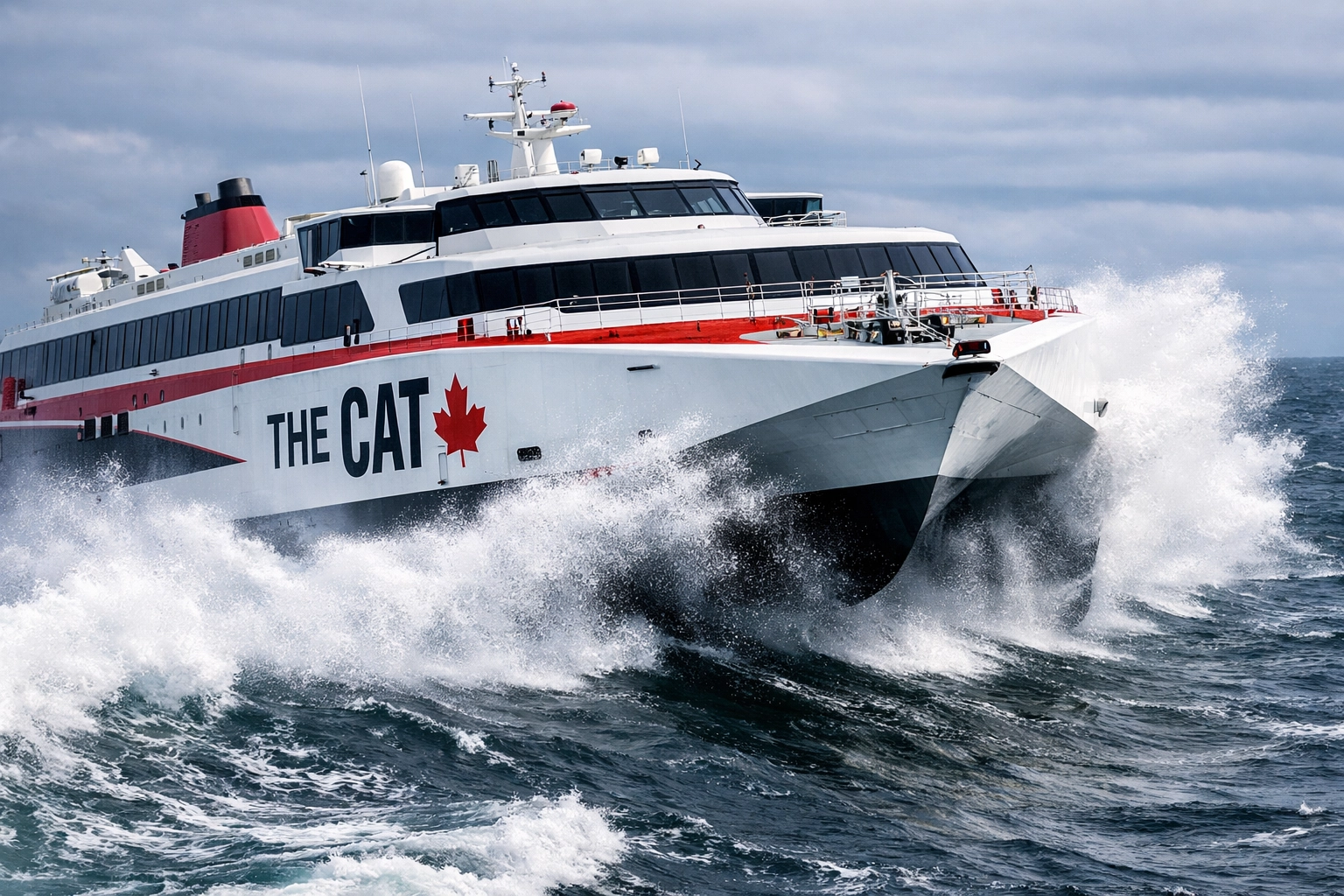
4. Cat Ferry Contract Negotiations Heat Up as 2026 Season Approaches
The future of the Cat ferry service between Nova Scotia and Maine is under scrutiny as the current contract with Bay Ferries is set to expire after the 2026 sailing season. The high-speed ferry service, which connects Yarmouth to Bar Harbor, has been a contentious issue due to its substantial government subsidy.

The Nova Scotia government currently subsidizes the Cat ferry operation at approximately $21 million annually. With the contract expiration approaching, officials are reviewing whether to renew, renegotiate, or discontinue the service.
The Cat ferry has been both celebrated and criticized over the years. Supporters argue it provides vital economic benefits to southwestern Nova Scotia, particularly Yarmouth and surrounding communities, by bringing American tourists and their spending power to the region. Local businesses, restaurants, and accommodations rely heavily on ferry passengers during the summer season.
Critics point to the high subsidy costs and question whether the economic benefits justify the expense, especially given the current fiscal challenges facing the province. Some argue that the money could be better spent on other transportation infrastructure or economic development initiatives.
Moncton news sources report that New Brunswick officials are monitoring the situation closely, as the ferry service impacts broader regional tourism flows and transportation connectivity between Atlantic Canada and the northeastern United States.
Negotiations are expected to intensify in the coming months as stakeholders push for clarity on the service's future before the 2026 sailing season concludes.
5. Winter Storm System Impacts Atlantic Canada Transportation and Services
A powerful winter storm system continues to affect Atlantic Canada, bringing significant snowfall, strong winds, and challenging travel conditions across Newfoundland and Labrador, Nova Scotia, New Brunswick, and Prince Edward Island. The storm, which began affecting the region Monday evening, is expected to persist through Tuesday night.
St. John's NL news outlets report that the capital city and surrounding areas have received substantial snowfall, with accumulations exceeding 30 centimeters in some locations. Schools across the Avalon Peninsula have been closed, and residents have been advised to avoid non-essential travel.
In Prince Edward Island, Charlottetown news services indicate that PEI has implemented reduced service levels across various government departments, and many businesses have delayed opening or closed for the day. The Confederation Bridge remains open but with travel restrictions and reduced speed limits due to high winds and poor visibility.
New Brunswick has seen mixed conditions, with coastal areas receiving heavy snowfall while inland regions deal primarily with strong winds and blowing snow. Several highways in northern New Brunswick have reported reduced visibility and hazardous driving conditions.
Nova Scotia has activated its storm response protocols, with Halifax and surrounding municipalities deploying full snow-clearing operations. Halifax Stanfield International Airport reported several flight delays and cancellations as airlines adjusted schedules to accommodate the weather.
Marine Atlantic has cancelled or delayed several ferry crossings between Nova Scotia and Newfoundland due to high winds and rough seas. Passengers are advised to check sailing schedules before traveling to ferry terminals.
The storm is expected to taper off by Wednesday morning, with clearing conditions forecast for most of the region by midday. The Maritimes economy may see short-term impacts as the storm disrupts supply chains, retail operations, and business activities across all four provinces.
Environment Canada continues to monitor the system and urges residents to stay informed about local conditions and follow guidance from provincial and municipal authorities.
These stories represent the most significant developments affecting the Atlantic Canada region today. For continuing coverage of Nova Scotia news, New Brunswick news, Prince Edward Island news, and Newfoundland and Labrador news, stay tuned to Maritimes Bureau throughout the day as stories develop.


Post comments (0)