Listeners:
Top listeners:
-
 play_arrow
S1 E9 | Are We That Incompetent? Canada vs Saudi Arabia
-
 play_arrow
S1 E2 | Milk, Markets, and the Cost of Protection

Top 5 Ottawa Stories You Need to Know Today (Feb 24, 2026)
Minister Anand Marks Four Years Since Ukraine Invasion
Foreign Affairs Minister Anita Anand is marking a solemn anniversary today with a major address at the University of Ottawa. At 12:30 EST, the minister will deliver a speech commemorating four years since Russia's full-scale invasion of Ukraine, followed by a fireside chat with university leadership and foreign policy experts.
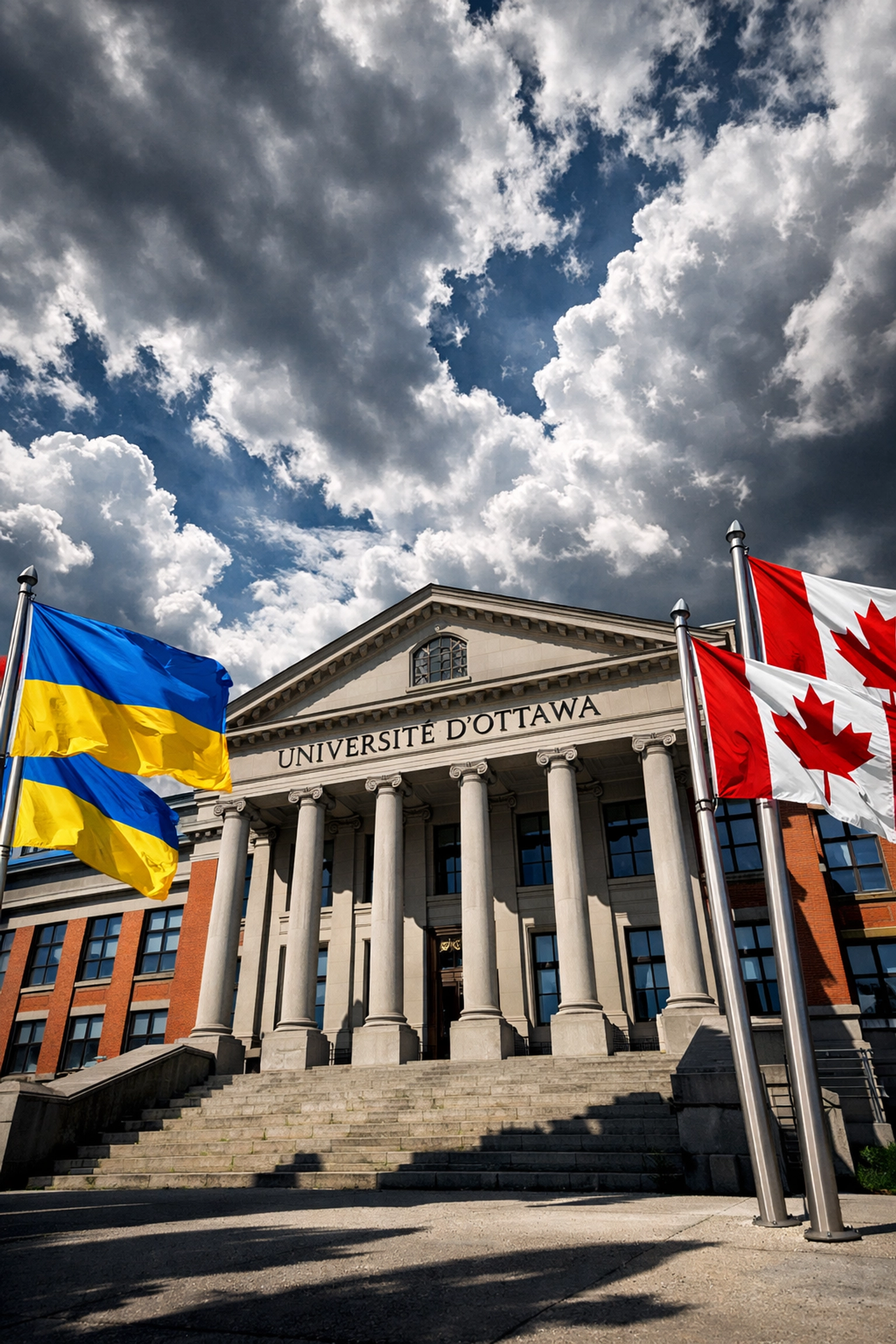
The event comes as Canada continues to play a significant role in international support for Ukraine. Since February 24, 2022, when Russian forces launched their invasion, Canada has been among the most vocal Western allies backing Ukraine's defence efforts. The minister's address is expected to touch on Canada's ongoing commitments, the evolution of the conflict, and the path forward for international support.
University of Ottawa officials confirmed that the event will include participation from senior members of the institution's faculty of social sciences, as well as experts specializing in Eastern European affairs and international security. The timing of the speech, exactly four years to the day since the invasion began, underscores the continued importance Ottawa places on the Ukraine file.
Cuban Ambassador to Testify Before Parliament
This afternoon, Cuba's ambassador to Canada, Rodrigo Malmierca Diaz, is scheduled to appear before the House foreign affairs committee in what promises to be a closely watched session on Parliament Hill.
The testimony comes as Ottawa grapples with how to respond to the deepening humanitarian crisis unfolding in Cuba. The island nation has been experiencing severe fuel shortages, widespread power blackouts, and mounting economic difficulties that have sparked concerns among international observers.
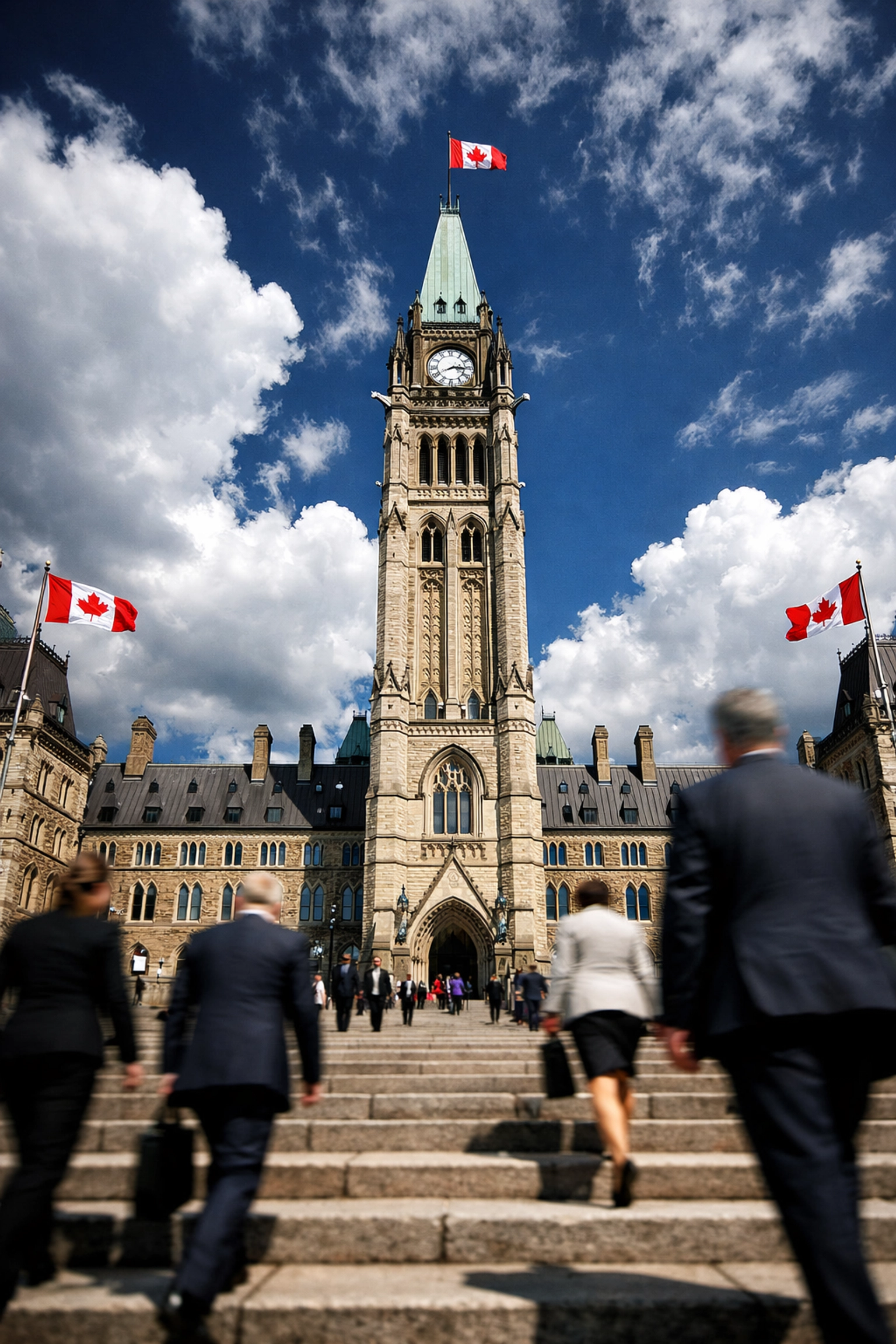
Ambassador Malmierca Diaz's appearance before the committee will provide lawmakers with an opportunity to hear directly from Cuban officials about conditions on the ground and what assistance Cuba is seeking from Canada. Committee members are expected to question the ambassador on the root causes of the current crisis, the Cuban government's response measures, and how Canadian aid could be most effectively deployed.
The session represents a significant moment in Canada-Cuba relations, as Ottawa weighs its options for humanitarian intervention while navigating the complex geopolitical dynamics surrounding the island.
Canada Preparing Aid Package for Cuba
Foreign Affairs Minister Anita Anand announced yesterday that Canada is "preparing a plan to assist" Cuba as the island faces mounting humanitarian challenges. The announcement signals a concrete response from Ottawa to the crisis that has left millions of Cubans struggling with basic necessities.
Cuba's current difficulties stem largely from severe fuel shortages and persistent blackouts that have crippled daily life across the island. The situation has been intensified by the longstanding U.S. oil embargo, which has limited Cuba's ability to access petroleum products on international markets.

Minister Anand's announcement follows similar humanitarian shipments from Mexico, which has already moved to provide assistance to its Caribbean neighbour. While specific details of Canada's aid package have not yet been disclosed, government sources suggest the assistance could include fuel, medical supplies, and other critical resources.
The minister did not provide a timeline for when the aid would be delivered, stating only that officials are working to finalize the details of the assistance plan. The move has garnered attention both domestically and internationally, as it represents one of Canada's most significant responses to Cuba's crisis in recent years.
Ottawa Unveils New Defence Industrial Strategy
Prime Minister Mark Carney released Ottawa's long-awaited Defence Industrial Strategy on February 17, laying out an ambitious vision for transforming Canada's military production capabilities over the next decade.
The strategy outlines how the government plans to deploy a bonus $81.8 billion over five years for the Canadian Armed Forces. The investment represents one of the most significant defence spending commitments in modern Canadian history and comes as global security threats continue to evolve.
Government targets set out in the strategy are nothing short of ambitious: creating 125,000 jobs in the defence sector and increasing defence-industry revenues by 240 percent within a decade. These goals signal Ottawa's recognition that Canada needs to significantly expand its domestic military production capacity.
The strategy document emphasizes partnerships between government, industry, and academic institutions to build out Canada's defence manufacturing base. It also highlights the need for streamlined procurement processes that have long been criticized as bureaucratic and slow-moving.
Industry analysts note that achieving these targets will require substantial shifts in how Canada approaches defence production, including faster approval processes, increased investment in research and development, and closer coordination with allied nations.
AI and Autonomous Weapons Take Centre Stage in Defence Plan
Perhaps the most striking element of the new Defence Industrial Strategy is its heavy emphasis on cutting-edge military technologies. The rearmament plan places particular focus on Canada's need to rapidly develop AI-powered autonomous weapons systems and dual-use technologies.
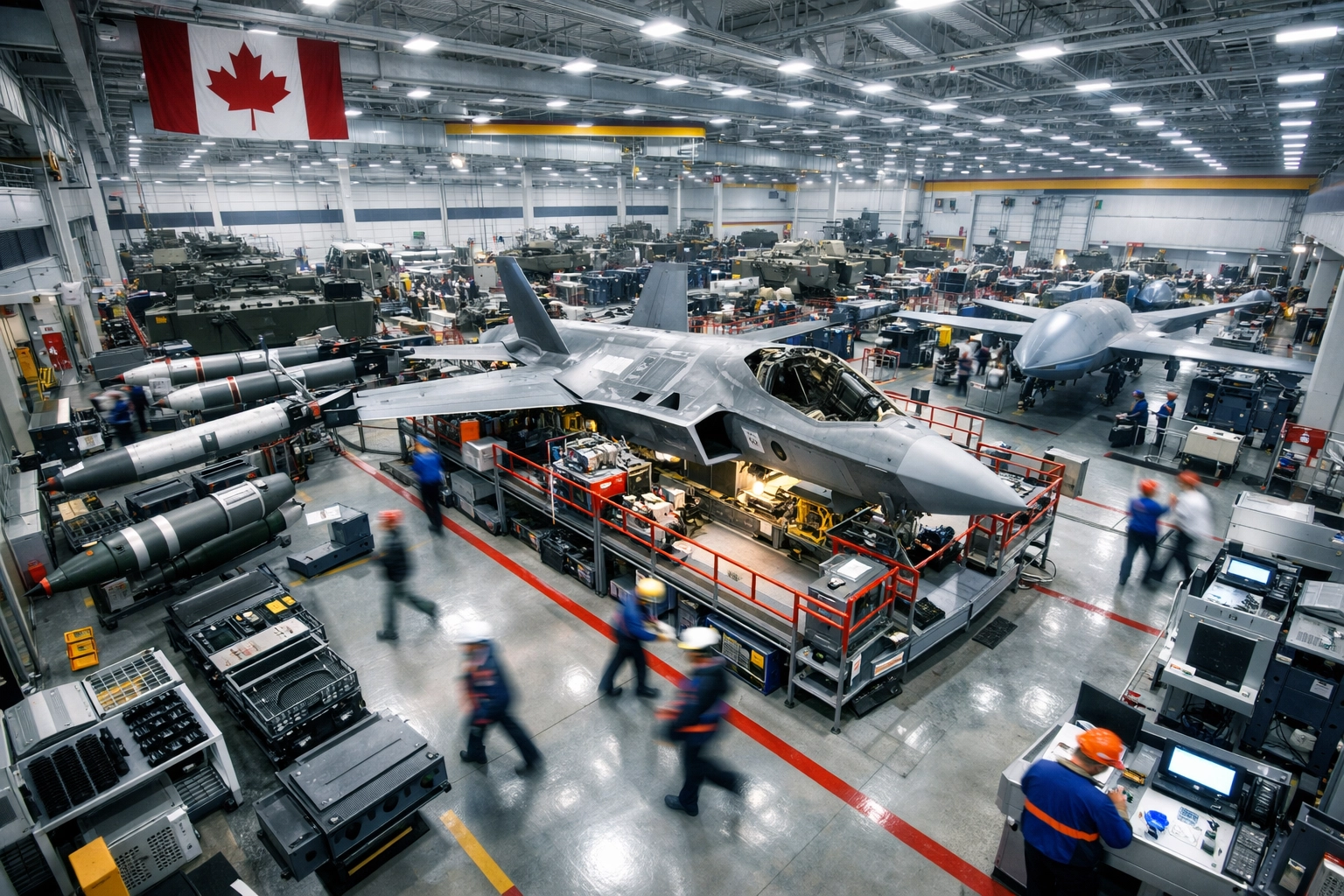
The strategy specifically calls for investment in drones, space-based capabilities, and artificial intelligence applications for military purposes. This push reflects lessons learned from the ongoing conflict in Ukraine, where autonomous systems and drone warfare have fundamentally changed how modern combat operations unfold.
Western governments, including Canada, have been struggling to keep pace with the rapid evolution of military technology. The war in Ukraine has demonstrated how small, inexpensive drones can challenge traditional military hardware, while AI-powered systems can process battlefield information faster than human operators.
The Canadian strategy acknowledges these realities and sets out a framework for developing domestic capabilities in these critical technology areas. The plan includes provisions for partnerships with the Canadian tech sector, many of which are concentrated in Ottawa and Toronto.
Defence experts note that the emphasis on dual-use technologies: systems that have both civilian and military applications: could help accelerate development timelines while also benefiting Canada's broader technology industry. Space-based capabilities, in particular, represent an area where Canada has existing expertise that could be leveraged for defence purposes.
The strategy also addresses concerns about ethical considerations in AI weapons development, though specifics on oversight mechanisms remain to be detailed in follow-up policy documents.
These stories represent the most significant developments affecting Ottawa and the nation today. For continuing coverage, check back throughout the day as these stories develop.


Post comments (0)