


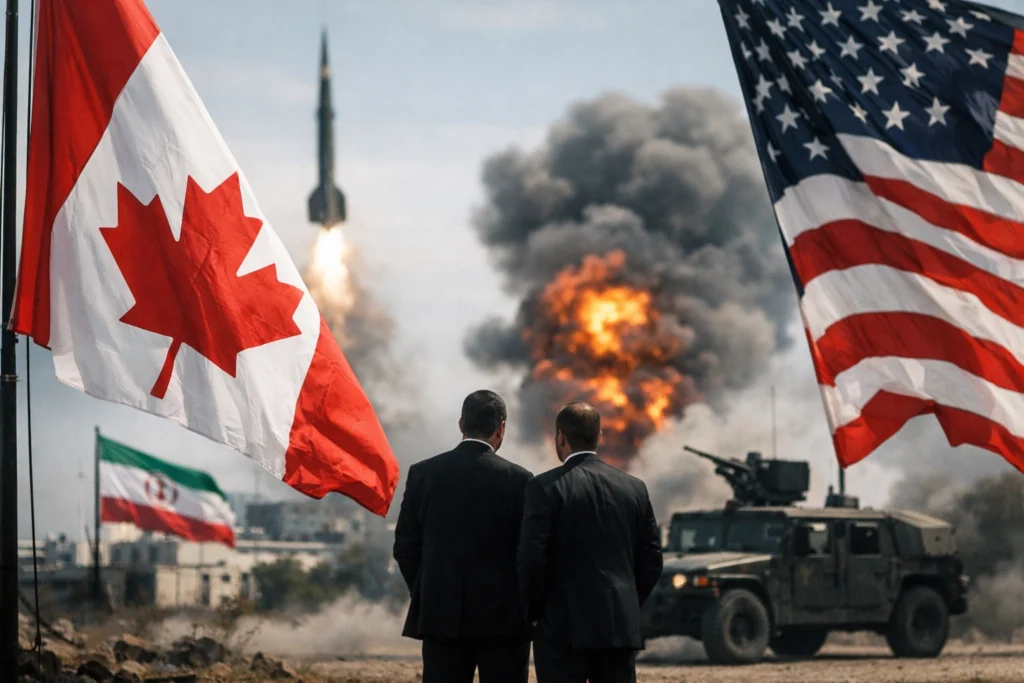
OTTAWA – The Canadian government’s recent decision to offer firm diplomatic support for United States military actions in Iran marks a significant pivot in the nation's foreign policy framework. While Prime Minister Mark Carney has maintained that Canada will not participate directly in military operations, the explicit backing of Washington’s strategy to neutralize Iranian nuclear ambitions has triggered a complex debate within Global Affairs Canada and across the Ottawa political landscape.
This strategic alignment comes at a time of heightened global volatility. As the federal government navigates its role as a middle power, the choice to stand shoulder-to-shoulder with its most vital ally presents a calculated set of rewards: primarily in trade and security cooperation: balanced against substantial risks to international legal standing and the safety of Canadians abroad.
The Strategic Pivot: Support Without Participation
In recent briefings, Foreign Affairs Minister Anita Anand and Prime Minister Carney have clarified Canada’s position: the government views Iran’s nuclear program as an existential threat to regional stability and a violation of international non-proliferation standards. However, the distinction between diplomatic support and military involvement remains a cornerstone of the current administration’s messaging.
"We have not been party to the military buildup to this, or the military planning of this," Prime Minister Carney stated during a press conference earlier this week. By endorsing the U.S. strikes while keeping the Canadian Armed Forces on the sidelines, Ottawa is attempting to maintain a "supportive observer" status: a move intended to signal solidarity with the U.S. without committing Canadian resources to a potentially protracted conflict.
This policy shift is viewed by many as a continuation of Canada's hardening stance toward Tehran. Since 2012, Canada has maintained no formal diplomatic relations with Iran, and as of February 2026, the government has imposed sanctions on 256 Iranian entities and 222 individuals. The designation of the Islamic Revolutionary Guard Corps (IRGC) as a terrorist organization remains a central pillar of this approach.

Caption: A view of Parliament Hill in Ottawa, where the federal government is weighing the geopolitical consequences of its latest foreign policy decisions.

The Rewards: Strengthening the North American Security Umbrella
For the Carney administration, the primary reward for this pro-U.S. stance is the reinforcement of the Canada-U.S. partnership. Following recent shifts in U.S. trade policy, maintaining a high level of security cooperation is seen as essential for protecting Canada’s economic interests.
- Alignment with Western Allies: By backing the U.S., Canada reinforces its standing within the G7 and the Five Eyes intelligence community. This unity is crucial for multilateral efforts to contain nuclear proliferation and address state-sponsored cyber threats.
- Regional Credibility: Supporting U.S. efforts allows Canada to maintain its credibility with key Middle Eastern partners, including Israel and the Gulf states, who view Iran’s regional influence as a primary security concern.
- Counterterrorism Synergy: The alignment complements Canada’s existing domestic security measures against IRGC-linked activities, facilitating better intelligence sharing with American counterparts to combat transnational repression within Canadian borders.
Experts suggest that by providing diplomatic cover for U.S. actions, Canada gains leverage in other areas of the bilateral relationship, including cross-border trade and energy exports. In an era where "friend-shoring" is becoming the dominant economic doctrine, being perceived as a reliable security partner is a significant asset.
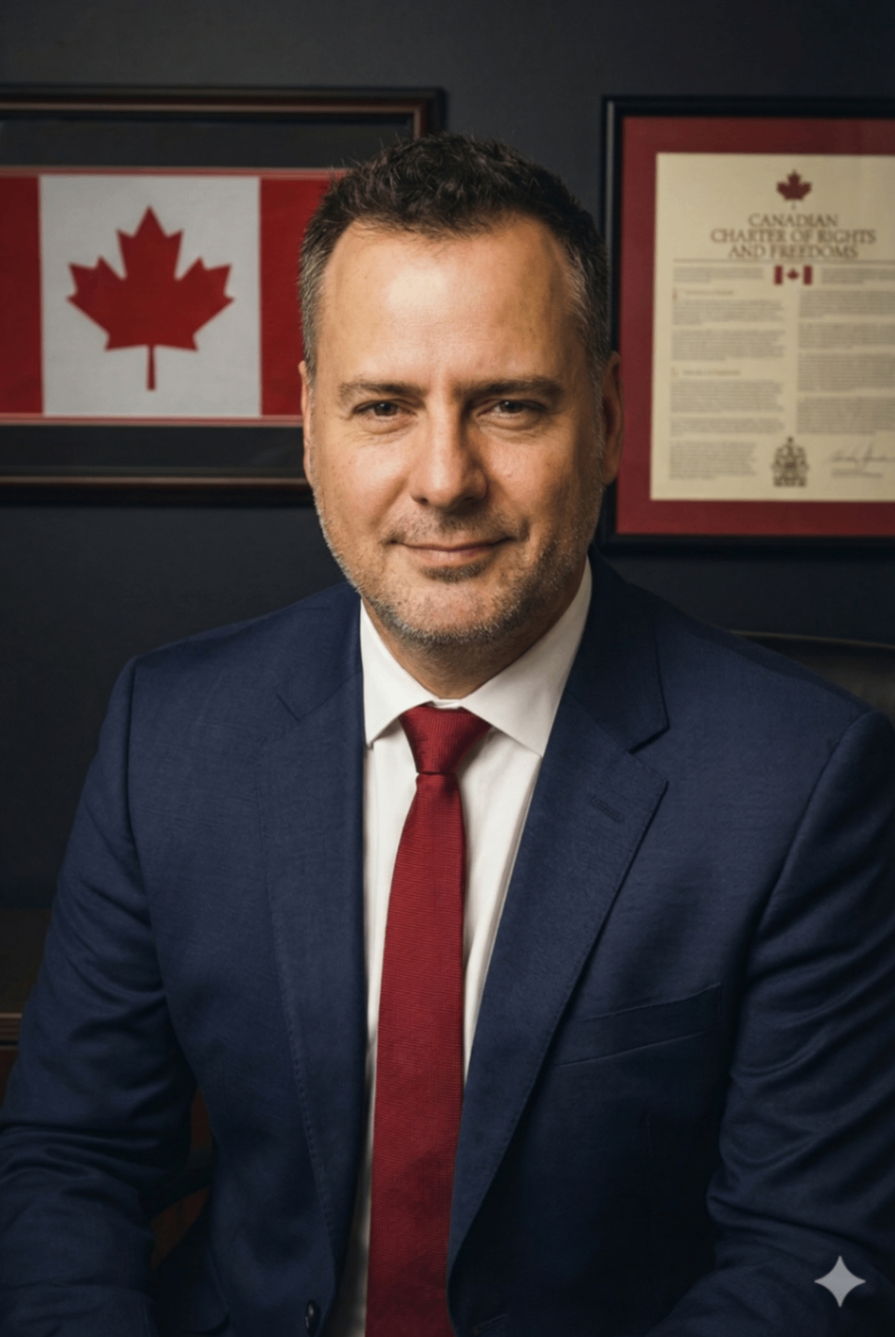

The Risks: Legal Criticisms and Diplomatic Isolation
Despite the strategic benefits, the pro-U.S. stance carries significant risks that critics argue could undermine Canada’s long-term interests and its reputation as a champion of the international rules-based order.
Legal and Diplomatic Criticism
A vocal group of former diplomats and international law experts has raised concerns that Canada is "abandoning international law" by endorsing U.S. strikes without a clear United Nations mandate or a self-defense justification that meets international standards. Minister Anand has notably declined to comment on whether the government views the U.S. strikes as legal under international law, focusing instead on the "necessity of the outcome."
The Diplomatic Void
Perhaps the most immediate risk is the lack of a diplomatic presence in Tehran. Since 2012, Canada has relied on "protecting powers" (such as Italy) to handle consular matters. Minister Anand warned this week that Canada’s ability to assist its nationals: including dual citizens: will be "extremely limited" during an active conflict. There are concerns that Canadian citizens in the region could become targets for arbitrary detention or state-sponsored retaliation.
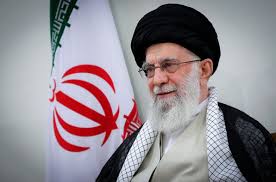

Reduced Mediatory Leverage
By firmly aligning with one side, Canada effectively removes itself as a potential mediator. While Anand reported "differing responses" from regional partners during recent consultations, Canada’s public alignment constrains its ability to act as a neutral intermediary in future negotiations. This limits Canada’s "soft power" capabilities in a region where multi-channel diplomacy is often required to de-escalate tensions.
Domestic Consequences and the Iranian Diaspora
The fallout of this stance is not limited to foreign soil. Domestically, the government has already begun implementing policies that reflect the cooling of relations. The termination of a special Iranian work permit program in early 2026 signaled a tightening of borders, which has caused anxiety within the Iranian-Canadian community.
The government has also increased its focus on transnational repression. Reports of Iranian dissidents being targeted on Canadian soil have led to calls for more aggressive counter-intelligence measures. While the pro-U.S. stance may provide better intelligence to stop these activities, it also risks provoking further aggressive actions from the Iranian state against the diaspora.
Humanitarian considerations also weigh heavily. Economic sanctions, while targeted at the regime, often have a "trickle-down" effect on the civilian population. As Canada deepens its sanctions regime, the challenge for the Carney government will be to balance political pressure on the leadership in Tehran with the humanitarian needs of the Iranian people.
The Strategic Balancing Act
As the situation in the Middle East remains fluid, the Canadian government faces a delicate balancing act. The rewards of a tight-knit alliance with the United States offer a sense of security and economic stability in an uncertain world. However, the risks: ranging from legal vulnerability to the abandonment of independent diplomacy: suggest that this path is fraught with long-term challenges.
For The Canadianist News, the current trajectory indicates a Canada that is less interested in being a global mediator and more focused on being a pillar of the Western security architecture. Whether this shift will yield the intended stability or lead to further isolation remains the central question for Canada’s foreign policy in 2026.
The government’s next steps will likely involve further consultations with G7 partners and a continued emphasis on "de-risking" the Canadian economy from adversarial influences. For now, Ottawa remains committed to its course, prioritizing the strength of the continental alliance over the traditional "middle power" neutrality that once defined Canadian diplomacy.
For more in-depth reporting on Canada's role in global affairs, visit our post sitemap or follow our regional updates for Quebec and Toronto.