



MONTREAL : AtkinsRéalis, the Montreal-based engineering and project management giant formerly known as SNC-Lavalin, has reached a significant financial milestone, reporting a record-high project backlog of $21.2 billion. In a recent briefing following the company’s latest fiscal disclosures, CEO Ian Edwards pointed to the strategic integration of artificial intelligence (AI) as a primary driver behind the company’s ability to secure and manage this unprecedented volume of work.
The $21.2 billion figure, calculated as of the end of the 2025 fiscal year and confirmed in early March 2026, represents a 21.5% increase from the previous year. While the company’s traditional strengths in nuclear energy and civil infrastructure remain the bedrock of its portfolio, Edwards emphasized that the "digital transformation" of their engineering processes has allowed the firm to take on larger, more complex global contracts that were previously difficult to manage within traditional timelines.
AI as an Augmentation of Engineering Judgment
Central to the company’s message is the distinction between AI as a replacement for human workers and AI as a tool for professional enhancement. During his address to investors and industry analysts, Edwards was clear that the record backlog is a result of human expertise being amplified by machine learning and predictive analytics.
"The growth we are seeing is not just a matter of market demand; it is a matter of capacity," Edwards stated. "By using AI to handle the massive data processing required for modern mega-projects, we are freeing our engineers to focus on what they do best: applying high-level engineering judgment. AI is not replacing the engineer; it is enhancing the precision of their decisions."
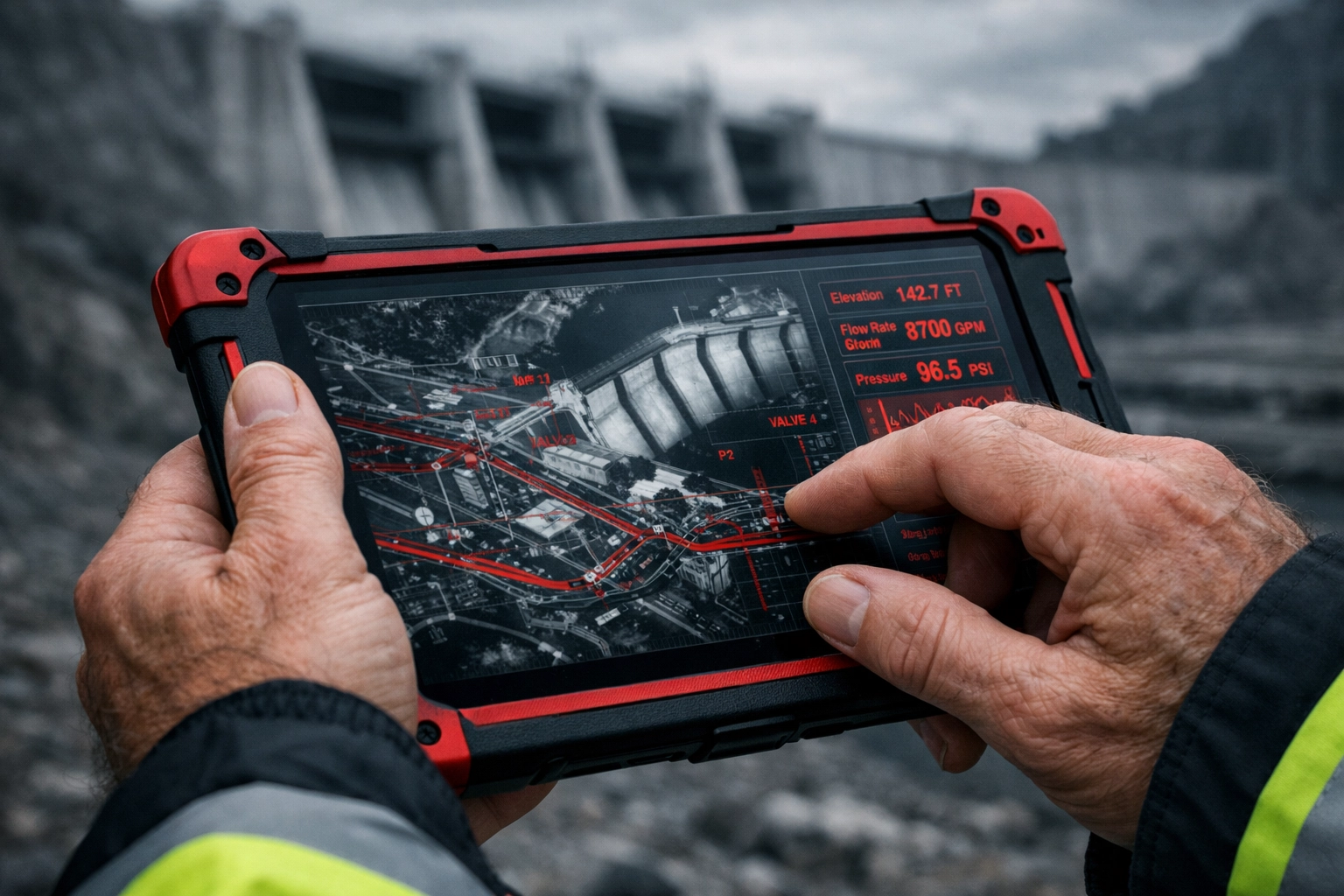
This approach has reportedly allowed AtkinsRéalis to bid more accurately on high-stakes projects by using AI to predict potential supply chain disruptions and cost overruns before they occur. The company’s proprietary digital twins: virtual replicas of physical infrastructure: allow for real-time monitoring and simulation, which has become a major selling point for government and private sector clients.


The Nuclear Resurgence and Digital Integration
A significant portion of the $21.2 billion backlog is tied to the global resurgence of nuclear energy. As nations seek to meet net-zero carbon targets, the demand for AtkinsRéalis’s nuclear capabilities, particularly involving the CANDU reactor technology, has surged.
The company reported that its nuclear segment saw substantial revenue growth, fueled by major refurbishment projects and new-build consultations in Canada, the United Kingdom, and Eastern Europe. In these high-stakes environments, AI-driven simulations are used to model reactor lifecycles and maintenance schedules with a level of detail that was previously unattainable.
According to internal reports, the integration of AI in nuclear engineering has reduced the time required for certain safety assessment phases by nearly 30%. This efficiency gain has allowed the company to handle multiple large-scale nuclear projects simultaneously, contributing heavily to the record-breaking backlog.
Infrastructure and Urban Development
Beyond energy, the company’s infrastructure division has secured massive contracts in major urban centers. In Canada, this includes ongoing work in Montreal, Toronto, and Ottawa. The use of AI in these projects often takes the form of "BIM" (Building Information Modeling) enhancements, where AI algorithms optimize the placement of utilities and structural components to minimize waste and reduce the environmental footprint of construction.
"We are seeing a shift in what clients expect," said a senior project manager at the firm's Montreal headquarters. "They don't just want a bridge or a transit line; they want a data-rich asset that they can manage efficiently for the next 50 years. Our ability to provide that through AI-integrated design is why the backlog is where it is today."


Financial Stability and Market Sentiment
The financial community has responded positively to the backlog announcement. Analysts note that a $21.2 billion cushion provides AtkinsRéalis with significant long-term revenue visibility, a key metric for stock stability. The transition from the SNC-Lavalin name to AtkinsRéalis appears to be fully realized in the eyes of the market, with the company successfully distancing itself from past legal challenges and repositioning itself as a tech-forward engineering leader.
The company’s focus on "high-quality" backlog: projects with better risk profiles and higher margins: is also a point of interest. By using AI to vet project risks during the bidding phase, the company claims it can avoid the "lump-sum" turnkey projects that historically led to financial volatility in the engineering sector.
For more information on how Canadian firms are navigating the global economy, readers can visit The Canadianist News.
Addressing the Talent Gap
Despite the technological advancements, the engineering sector continues to face a labor shortage. AtkinsRéalis management acknowledges that while AI helps, the need for skilled professionals remains critical. The company has been aggressively recruiting across the Maritimes and Western Canada to fill roles that oversee these new digital systems.
The CEO's narrative suggests that AI is actually a recruitment tool. By positioning the firm as a leader in "engineering’s digital frontier," AtkinsRéalis aims to attract top-tier graduates who are looking to work with cutting-edge technology rather than traditional drafting methods.
"Our engineers are now data scientists as much as they are structural or electrical specialists," Edwards noted. "The AI handles the repetitive calculations, but the professional responsibility and the final 'go/no-go' decisions remain firmly in human hands. That is the balance that allowed us to hit $21 billion."

Looking Ahead
As the company moves into the second quarter of 2026, the focus will shift from securing the backlog to executing it. The primary challenge will be maintaining the efficiency gains promised by their digital initiatives. Investors will be watching closely to see if the AI-driven "engineering judgment" translates into the projected profit margins as these multi-year projects move from the design phase into active construction.
The company's trajectory is often seen as a bellwether for the broader Canadian engineering and construction industry. With a record backlog and a clear pivot toward AI-augmented services, AtkinsRéalis is setting a precedent for how traditional firms can adapt to a data-driven global market.
For a deeper dive into the technical specifications of these AI integrations and other corporate updates, you can view the post-sitemap.xml for a full list of our recent coverage on Canadian business and infrastructure.
The $21.2 billion backlog is not just a number on a balance sheet; it is a signal of the changing nature of large-scale engineering. As AtkinsRéalis continues to deploy AI across its global operations, the industry will be watching to see if this "digital-first" strategy becomes the standard for engineering giants worldwide.
Summary of Key Findings
| Metric | Details |
|---|---|
| Total Backlog | $21.2 Billion (Record High) |
| Year-over-Year Growth | 21.5% |
| Primary Drivers | Nuclear Energy, Engineering Services, AI Integration |
| Key Strategy | AI-enhanced "Engineering Judgment" |
| Headquarters | Montreal, Quebec |
As of March 2, 2026, the company remains focused on its "Pivoting to Growth" strategy, with the CEO expressing confidence that the current technological infrastructure is sufficient to support even further expansion in the coming fiscal years. The integration of AI into the core of their business model appears to be the defining characteristic of this new era for AtkinsRéalis.