


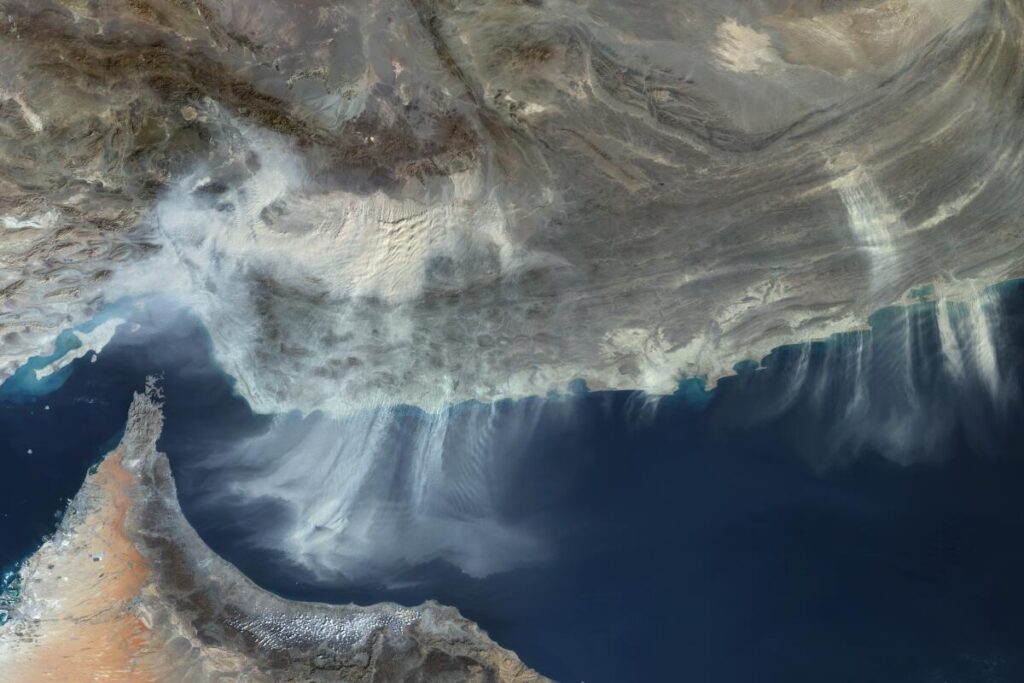
Tensions around the Strait of Hormuz are raising concerns about global oil flows, and while Canada imports little from the region, the country remains exposed to price swings that can reach consumers quickly and unevenly.
Rising tensions in the Strait of Hormuz are once again drawing attention to a critical global oil chokepoint, and the potential ripple effects are already being felt in energy markets.
Roughly a fifth of the world’s oil supply passes through the narrow waterway between the Persian Gulf and the open ocean. Any disruption, whether through military escalation, shipping delays, or heightened risk premiums, can quickly affect global oil prices.
For Canada, the exposure is not direct. The country produces most of its own oil and imports relatively little from the Gulf region. But that does not shield Canadian consumers from price volatility.
Oil is priced on global markets, and Canadian fuel costs are closely tied to benchmark prices such as Brent crude. When global prices rise, domestic gasoline prices tend to follow, often within days.
Early market signals suggest that traders are already factoring in increased risk. Even without a physical disruption to supply, the perception of instability can push prices upward as insurers, shippers, and buyers adjust their expectations.
Industry analysts say the impact on Canadian drivers depends less on whether oil actually stops flowing and more on how long uncertainty persists.
“If markets believe there’s a sustained risk to supply, prices move ahead of any actual shortage,” one energy market analyst said. “That’s when consumers start to feel it.”
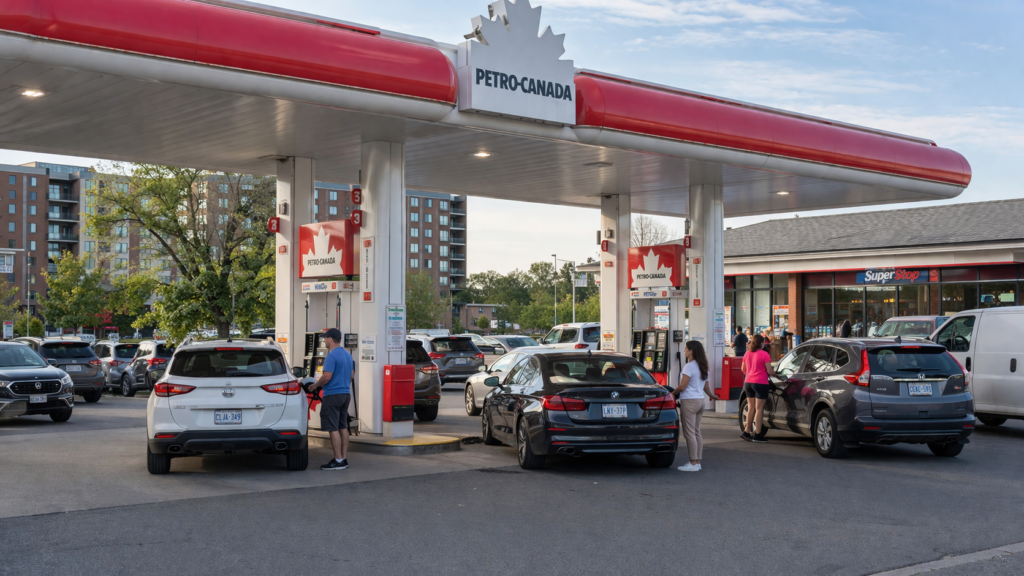

Regional differences may also emerge. Eastern Canada, which relies more on imported crude, can be more sensitive to global swings, while Western Canada’s proximity to domestic production can provide some buffer, though not complete insulation.
The timing is also significant. Canadians have been expecting some relief after a prolonged period of high inflation and elevated interest rates. A sustained increase in fuel prices could complicate that outlook by feeding into transportation and food costs.
For policymakers, the situation presents a familiar challenge. While Canada has substantial energy resources, it remains tied to global pricing dynamics that are largely beyond domestic control.
As tensions continue to evolve, the key question is not whether Canada is directly exposed to Gulf oil supply, but how quickly global market pressures translate into higher costs at the pump.
For now, the answer appears to be, faster than many might expect.