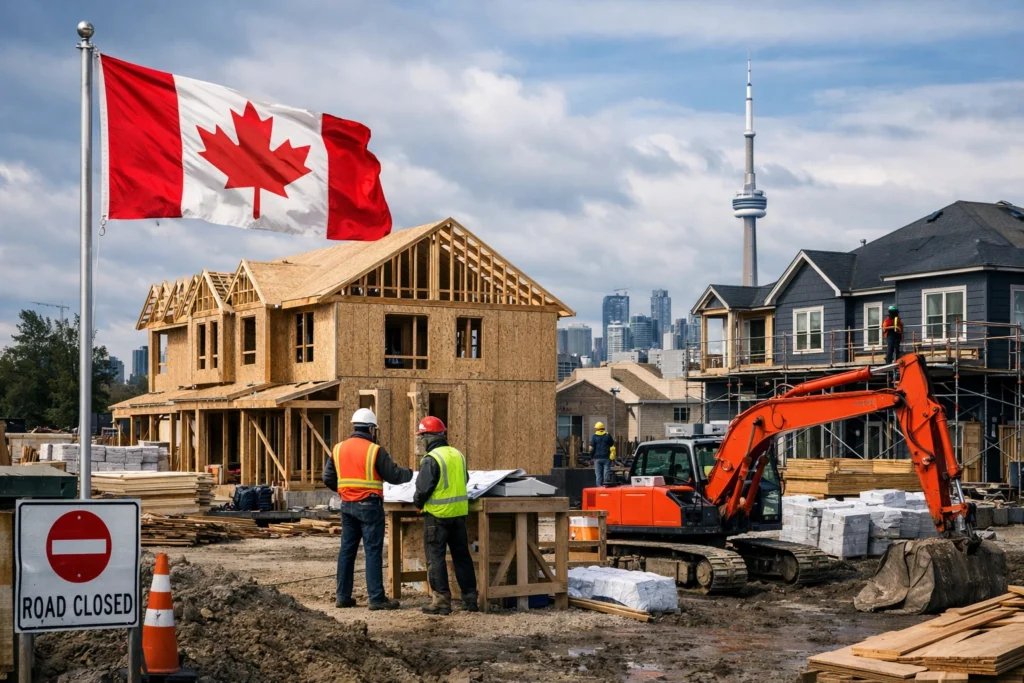
This morning, the Ontario government is preparing to unveil a significant expansion of its tax relief measures for the residential construction sector, moving to waive the provincial portion of the Harmonized Sales Tax (HST) on all new home builds. The policy shift, expected to be a centerpiece of the upcoming provincial budget on March 26, 2026, marks a strategic pivot from previous programs that targeted only first-time homebuyers.
According to government sources and industry insiders, Finance Minister Peter Bethlenfalvy will announce the removal of the 8 percent provincial tax on newly constructed homes for all purchasers. This decision comes as the province faces mounting pressure to address a persistent housing supply shortage and stagnant construction starts that have fallen well below the targets required to meet the government’s long-term housing goals.
A Broadening of Policy Scope
The proposal represents a substantial escalation of a policy introduced during the fall economic statement. Originally, the Ford administration had proposed offering HST relief exclusively to first-time homebuyers for properties valued up to $1 million. That initial program was allocated a budget of approximately $470 million over three years.
However, internal data and feedback from the development sector suggested that the targeted approach was insufficient to stimulate the broader market. Premier Doug Ford reportedly signaled that the limited scope failed to produce the necessary uptick in pre-construction sales: a critical metric for developers who require a specific threshold of sales to secure financing for new projects.
By expanding the waiver to all homebuyers, regardless of their history in the market, the government expects to significantly increase the financial viability of new developments. While the move is aimed at boosting supply, it comes with a much higher price tag. Industry analysts estimate the cost to the provincial treasury could reach $2 billion, nearly four times the cost of the initial proposal.

Aligning with Federal Measures
Ontario’s move is timed to coincide with and complement federal legislative changes. On March 12, 2026, Bill C-4 received Royal Assent, establishing the federal First-Time Home Buyers GST/HST Rebate. This federal measure effectively eliminates the 5 percent federal portion of the HST for eligible first-time buyers on homes priced under $1 million, offering potential savings of up to $50,000.
When paired with Ontario’s proposed 8 percent waiver, the total tax relief for a first-time buyer in the province could be substantial. For a new home priced at $800,000, the combined federal and provincial rebates could significantly lower the barrier to entry. However, Ontario’s new proposal goes further by applying the provincial portion of the rebate to all buyers, creating a broader incentive for investors and those looking to move up the property ladder.
This alignment of federal and provincial tax policy is a rare moment of coordination between the two levels of government in the national housing debate. Proponents argue that the removal of these tax burdens is the most direct lever the government can pull to reduce the "sticker price" of new housing.
The Construction Crisis and the 1.5 Million Home Target
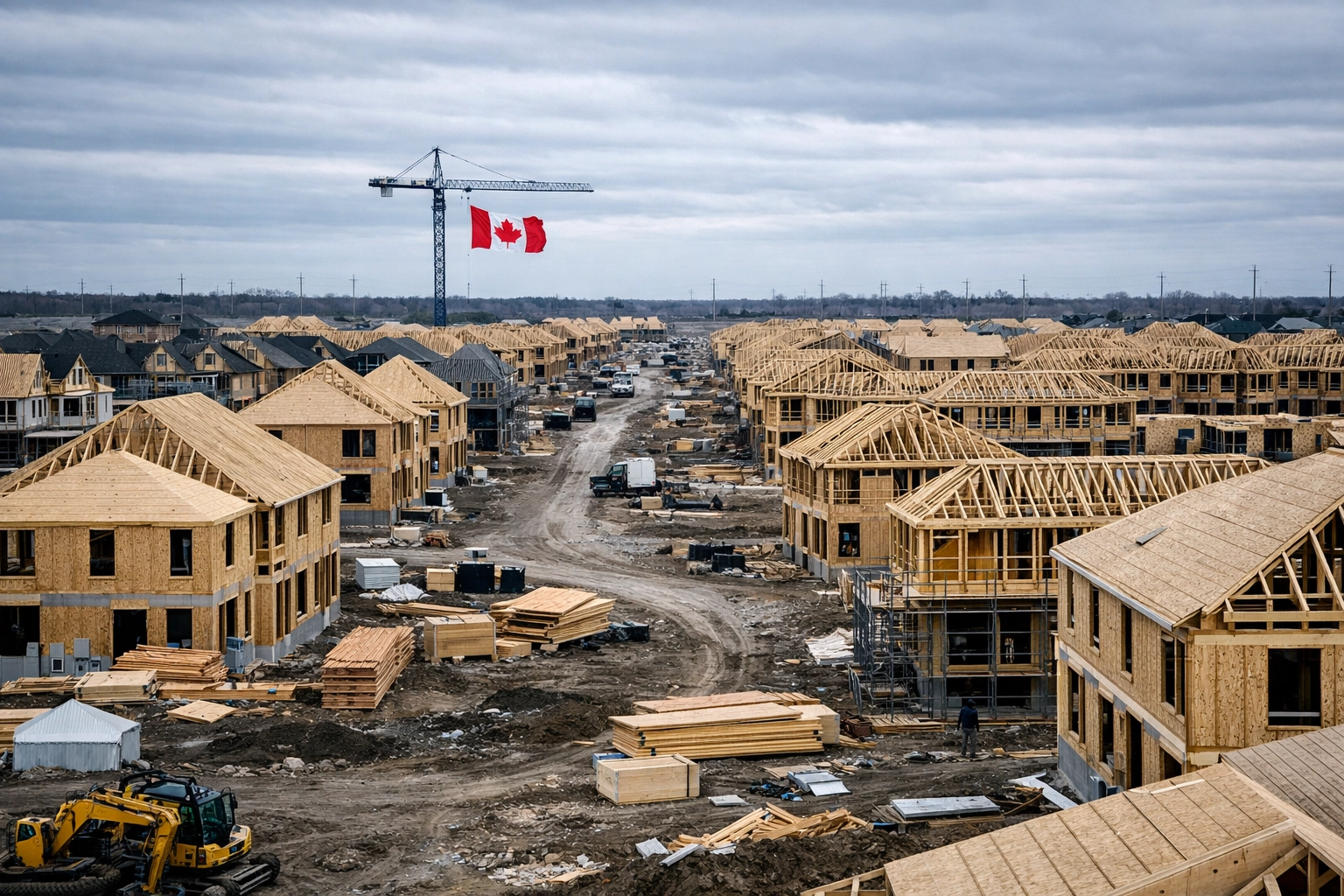
The urgency behind the HST waiver is underscored by recent data from Statistics Canada and the Canada Mortgage and Housing Corporation (CMHC). In 2025, Ontario recorded only 62,561 housing starts. This figure is a sharp contrast to the government’s stated goal of building 1.5 million homes by 2031: a target that requires roughly 150,000 new starts annually.
The economy has presented several headwinds for the construction industry over the last 24 months. High interest rates have increased the cost of borrowing for both developers and consumers, leading to a cooling of the pre-construction market. In cities like Toronto and Ottawa, many planned projects have been stalled or canceled as the financial math for developers no longer worked under the previous tax regime.
"We are in a supply crisis that requires bold fiscal measures," a spokesperson for the Ministry of Finance stated. "By removing the tax burden on new builds, we are lowering the cost of doing business and making it easier for builders to get shovels in the ground."


Debate Over Homebuyer Savings
While the development industry has largely welcomed the proposal, the announcement has sparked a debate among economists and housing advocates regarding where the savings will actually land.
Critics of the policy argue that there is no guarantee that developers will pass the 8 percent savings on to the final homebuyer. In a high-demand market, there is a risk that builders will maintain current price levels and absorb the tax relief as additional profit margin. This concern is particularly acute in the finance sector, where analysts are watching to see if the policy will lead to a genuine reduction in market prices or simply subsidize the industry.
"If a home is priced at $900,000, and the tax is removed, does the price become $828,000, or does it stay at $900,000 while the builder's margin increases?" questioned one housing policy researcher. "Without strict mechanisms to ensure these savings are passed down, we may just be shifting tax dollars to corporate balance sheets."
Conversely, the building industry argues that the savings are essential to offset the rising costs of materials, labor, and municipal development charges. They contend that the waiver is not about increasing profit, but about making projects feasible in an environment where many are currently "underwater" financially.
Impact on Municipalities and Infrastructure
Another layer of the debate involves the impact on municipal infrastructure. Development charges and HST revenue are often utilized, directly or indirectly, to fund the very services: roads, sewers, and transit: that new housing requires.
As the provincial government prepares to forgo $2 billion in revenue, questions remain about how the shortfall will be addressed. Municipal leaders in the Greater Toronto Area (GTA) have expressed concern that while the province is cutting taxes to spur growth, the burden of providing services for that growth still falls on local governments. The Canadianist Analysis suggests that if the housing starts do not materialize as expected, the province could face a significant budgetary gap without the accompanying economic benefit of increased property tax bases.

Political Context and the March 26 Budget
The timing of this proposal is highly political. With a provincial election on the horizon, the Ford government is eager to demonstrate progress on its signature housing pledge. The failure to meet housing start targets in 2025 has been a point of vulnerability for the administration, and the expanded HST waiver is seen as a "clear the decks" move to revitalize the sector.
The move also places pressure on the federal government to match or further expand its own GST/HST rebate programs. While Bill C-4 was a significant step, the federal rebate currently remains capped for first-time buyers. Ontario’s decision to include all buyers sets a new precedent that other provinces, such as British Columbia or Quebec, may be pressured to follow as they grapple with their own housing challenges.
Looking Ahead
As the March 26 budget approaches, the real estate and construction sectors will be looking for specific details on the implementation of the waiver. Key questions remain, including whether the waiver will be retroactive for projects currently under construction but not yet closed, and what the specific eligibility criteria will be for different types of residential buildings, such as high-rise condominiums versus single-family homes.
For the average Ontarian, the impact of this policy may not be felt immediately. The lead time for new construction means that any uptick in starts triggered by this tax relief will take years to result in finished units on the market. However, for those currently looking at pre-construction contracts, the announcement could fundamentally alter the financial landscape of their purchase.
The Canadianist News will continue to monitor the developments surrounding the Ontario budget and provide updates on how these changes affect the housing market and the broader Canadian economy. For more in-depth coverage of regional developments, visit our sections for Montreal and Vancouver.