


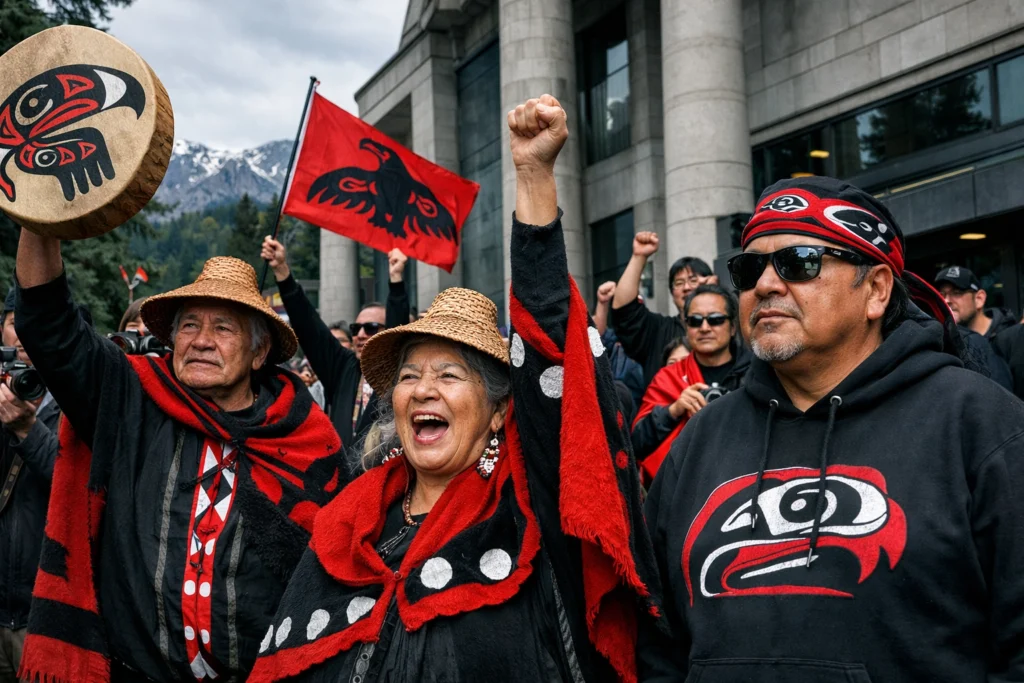
RICHMOND, B.C. : In a landmark decision that addresses the intersection of Indigenous land rights and private property ownership, the British Columbia Supreme Court has recognized that the Cowichan Nation holds Aboriginal title to approximately 5.7 square kilometers of land along the South Arm of the Fraser River in Richmond.
The ruling, issued by Justice Ward Branch, concludes that the Cowichan Nation never surrendered their ancestral territory and therefore retains Aboriginal title to the specified area. While the court’s declaration is a significant legal victory for the Cowichan people, the judgment includes specific provisions to protect existing private property rights, ordering the federal and provincial governments to enter into negotiations to reconcile these overlapping interests.
The Scope of the Ruling
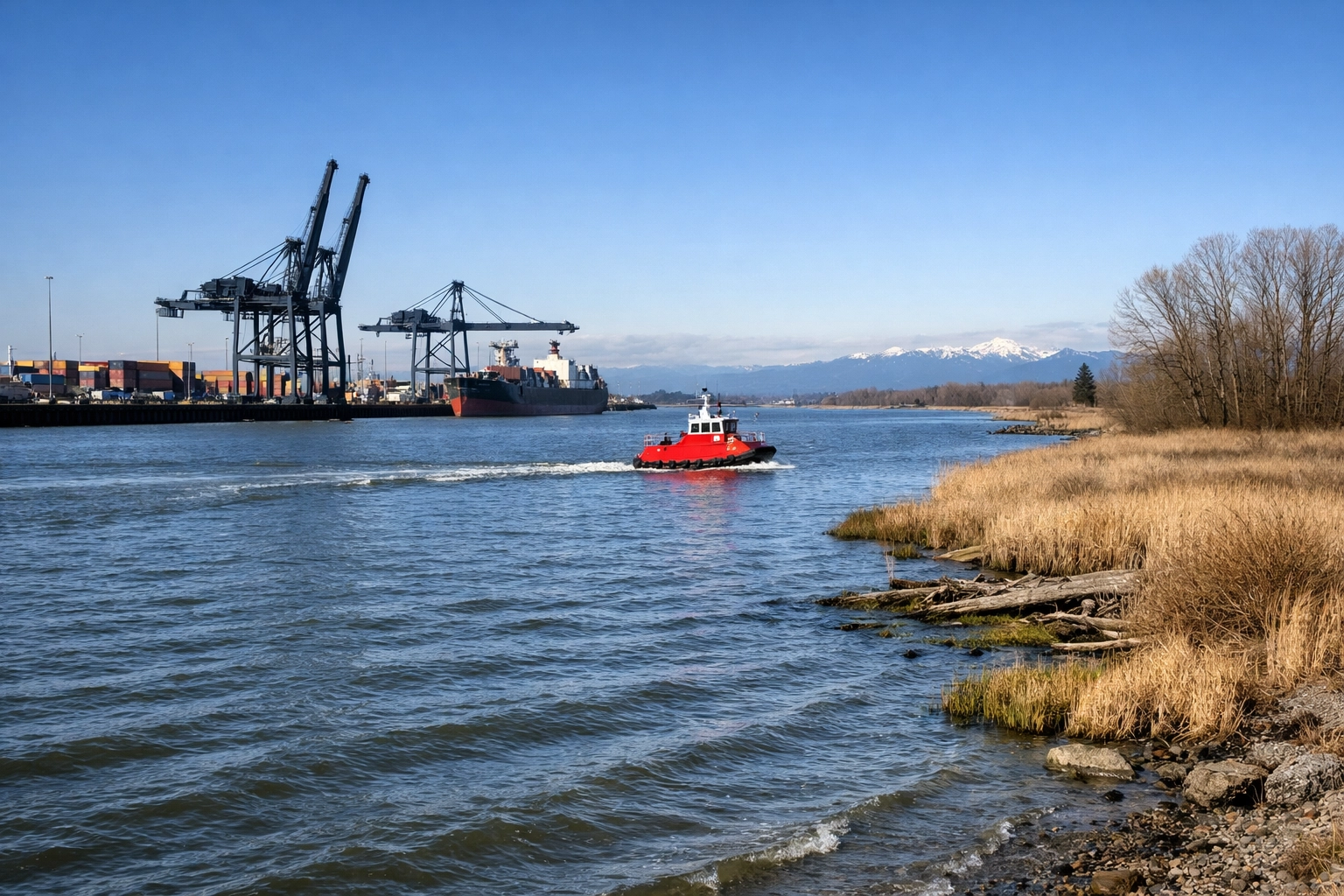
The area in question encompasses a strategic stretch of waterfront and inland territory in Richmond, south of Vancouver. This region has long been a point of contention, as the Cowichan Nation argued that their historical presence and use of the land for fishing, settlement, and trade established a legal right to the territory that was never formally extinguished by the Crown.
The court's finding rests on the principle that Aboriginal title is a collective right to the land itself, which exists independently of colonial land grants. Justice Branch noted in the decision that the Cowichan Nation demonstrated sufficient, continuous, and exclusive occupation of the Richmond site prior to the assertion of British sovereignty.

Reconciliation of Title and Private Property
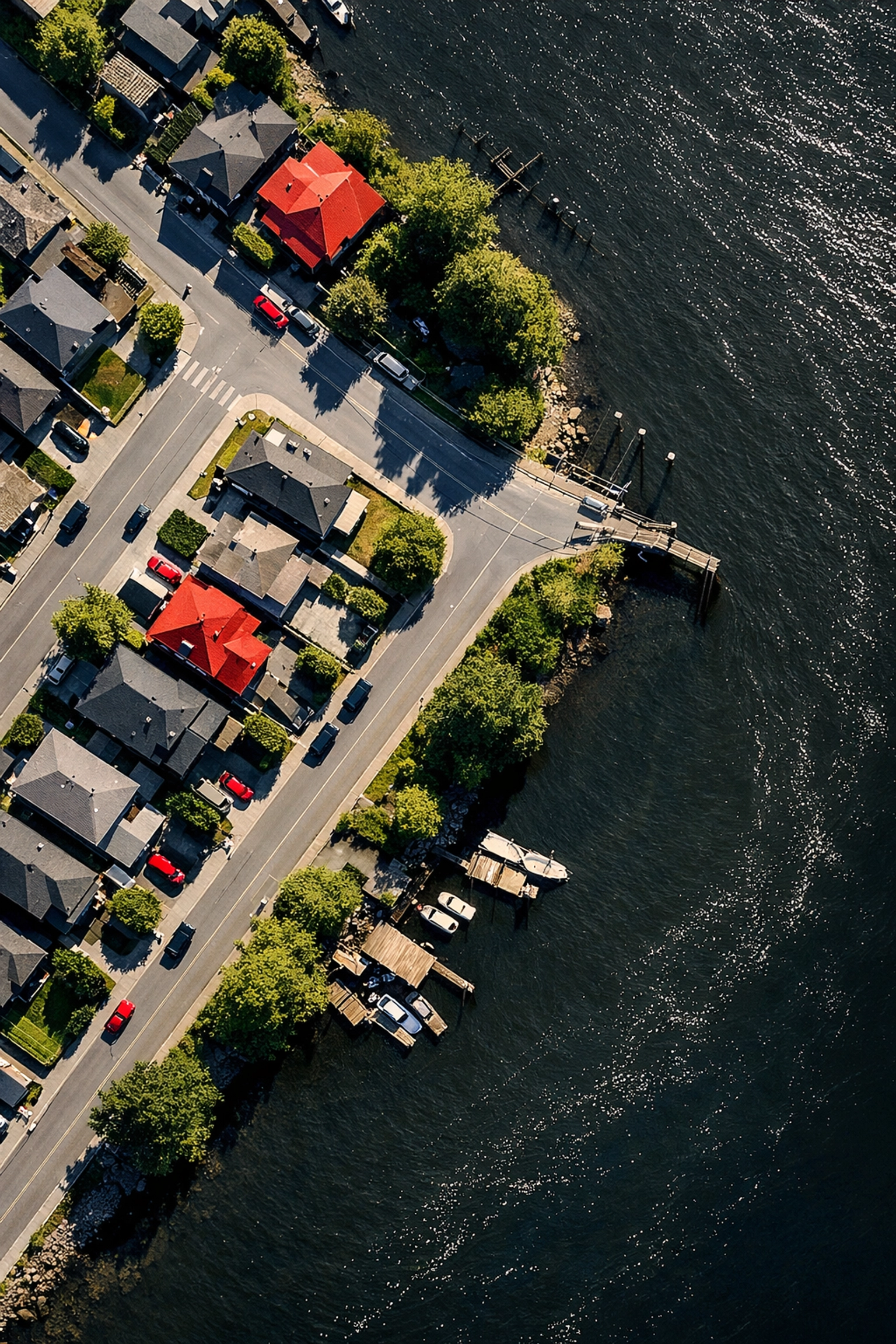
One of the most complex aspects of the ruling involves the status of "fee simple" title: the legal term for private land ownership. Much of the 5.7 square kilometers recognized as Cowichan territory is currently occupied by private homes, businesses, and municipal infrastructure.
The court clarified that the declaration of Aboriginal title does not automatically invalidate the property rights of private homeowners in Richmond. Under current Canadian law, provincial land grants cannot extinguish Aboriginal title, but the court stopped short of awarding the Cowichan Nation outright possession or control over lands held by third parties.
Instead, the court has directed the Government of Canada and the Province of British Columbia to negotiate in "good faith" with the Cowichan Nation. The objective of these negotiations is to determine how the recognized Aboriginal title can coexist with existing private titles. Potential outcomes discussed in the legal framework include financial compensation for the Cowichan Nation, the voluntary purchase of land parcels as they become available on the market, or shared jurisdictional agreements.
Implications for Government-Held Land
While private property remains under the current owners' control for the time being, the ruling has more immediate implications for publicly held land. The court specifically identified certain parcels owned by the federal government and the City of Richmond within the 5.7-square-kilometer zone.
Justice Branch’s order suggests that these government-owned lands may be subject to a more direct transfer of control or return to the Cowichan Nation as part of the reconciliation process. This aspect of the ruling places a direct obligation on the Crown to rectify what the court characterized as a historical failure to recognize the Nation’s enduring connection to the Fraser River waterfront.
Historical Context and Evidence
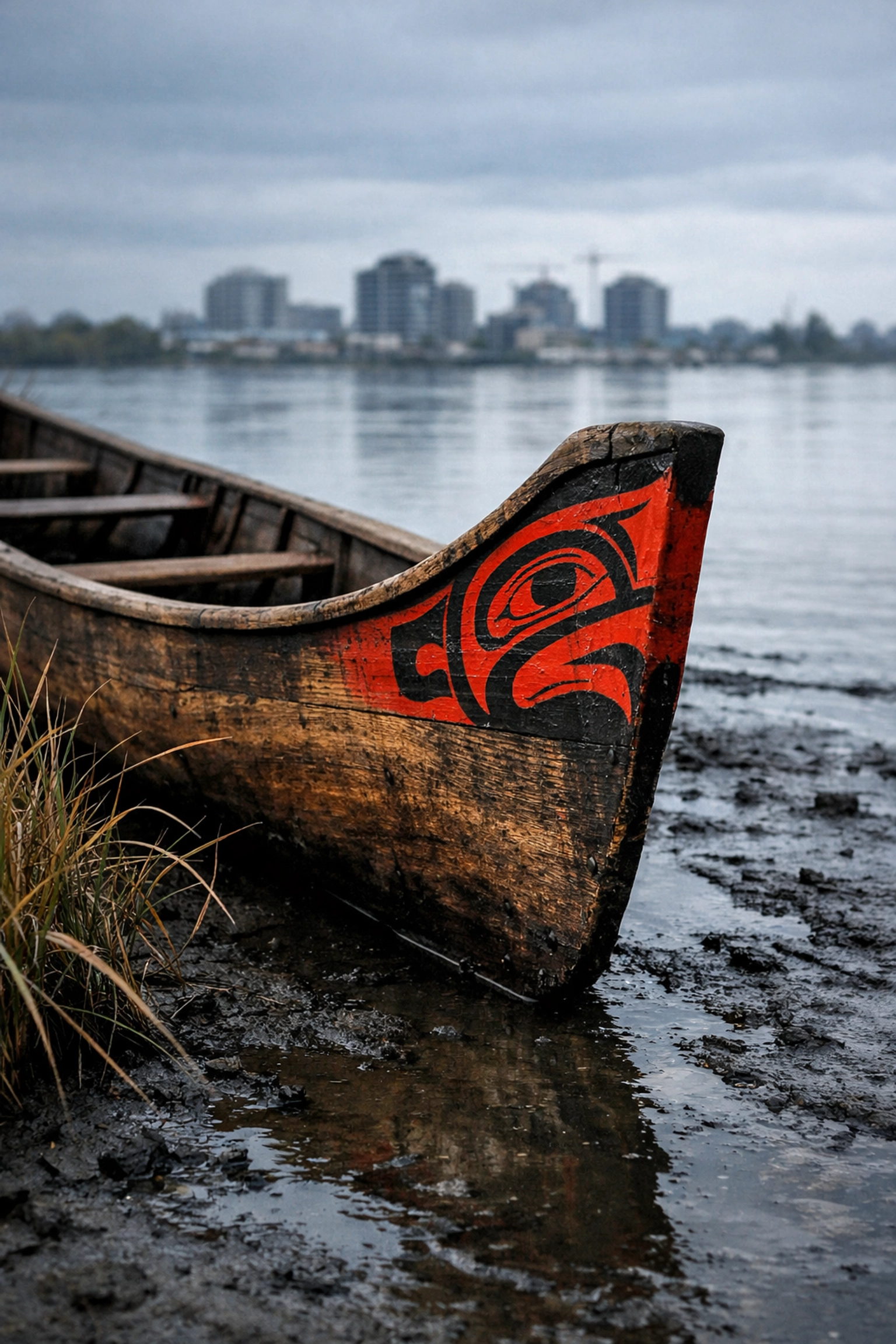
The legal battle for this territory has spanned years, involving extensive testimony from elders, historians, and archeologists. The Cowichan Nation provided evidence of seasonal villages and permanent structures along the Fraser River, which served as a vital hub for the Nation's ancestral economy.
Central to the Cowichan claim was the assertion that their presence in the Richmond area was not merely transient but constituted a settled society with established governance and land-use patterns. The B.C. Supreme Court accepted this evidence, ruling that the historical record supported the claim of exclusive occupation required to establish Aboriginal title under the criteria set by the Supreme Court of Canada in previous cases such as Tsilhqot’in Nation v. British Columbia.

Response from the Cowichan Nation
Following the ruling, representatives for the Cowichan Nation emphasized that their primary goal is recognition and the restoration of their legal relationship with the land, rather than the displacement of current residents. Leadership within the Nation has stated publicly that they do not seek to strip Richmond residents of their homes.
"The court has confirmed what our ancestors have always known: this is Cowichan territory," a spokesperson for the Nation stated in a post-trial briefing. "Our focus now shifts to the negotiation table. We want to work with our neighbours and the government to find a path forward that respects our title while maintaining the stability of the community."
The Cowichan Nation has indicated that the ruling provides a legal foundation for them to have a greater say in environmental management and industrial development along the Fraser River, an area that remains critical to the region's ecology and economy.
Government and Legal Reactions
The British Columbia Ministry of Indigenous Relations and Reconciliation issued a brief statement acknowledging the court’s decision. The ministry noted that the province remains committed to the principles of the United Nations Declaration on the Rights of Indigenous Peoples (UNDRIP) and will review the judgment to determine the next steps in the negotiation process.
Legal analysts suggest that this case could serve as a blueprint for other land claims in urban areas across Canada. By recognizing title on private land without immediately dissolving private ownership, the court has created a "middle path" that forces political resolution rather than immediate legal upheaval.
However, the legal process is far from over. Both the Cowichan Nation and the B.C. government have filed notices of appeal. The Cowichan Nation is seeking more definitive declarations regarding their authority over the land, while the provincial government is expected to challenge the scope of the title recognition in an urbanized context.

The Path to the Court of Appeal
The B.C. Court of Appeal is expected to hear the case later this year or in early 2027. Legal experts believe the complexity of the case makes it a strong candidate for eventual consideration by the Supreme Court of Canada.
The central question for the appellate courts will likely be how to manage the "reconciliation" mandate ordered by Justice Branch. If the governments and the Cowichan Nation cannot reach an agreement through negotiation, the courts may eventually be forced to provide more specific directions on land use, compensation, and the limits of fee simple title.
For residents of Richmond, the ruling introduces a period of legal uncertainty, though real estate experts note that there has been no immediate impact on property values or the ability to sell homes in the affected area. The court’s emphasis on negotiation and the Cowichan Nation’s commitment to not displacing residents have served to temper initial concerns about property security.
Broader Impact on B.C. Land Claims
This decision is part of a broader shift in British Columbia's legal landscape. Because the vast majority of the province is unceded: meaning it was never signed away through treaties: numerous First Nations are pursuing title claims through the courts.
The Richmond ruling is unique because of its location in a densely populated metropolitan area. Previous landmark title cases, such as the 2014 Tsilhqot’in decision, concerned more remote, less developed regions. By extending these principles to the Fraser River delta, the court has signaled that Aboriginal title must be addressed regardless of current land development or population density.
As the March 3rd date marks the current state of affairs, the community and stakeholders are awaiting the commencement of the court-ordered negotiations. The federal and provincial governments have not yet released a timeline for these discussions, but the court’s requirement for "good faith" efforts puts significant pressure on the Crown to reach a settlement that honors the Cowichan Nation’s newly recognized title.
For further updates on regional developments and legal news across the country, readers can visit The Canadianist News or browse our post sitemap for related stories on land rights and provincial policy. Additional information regarding the historical context of B.C. land claims can be found in our archived sections.