


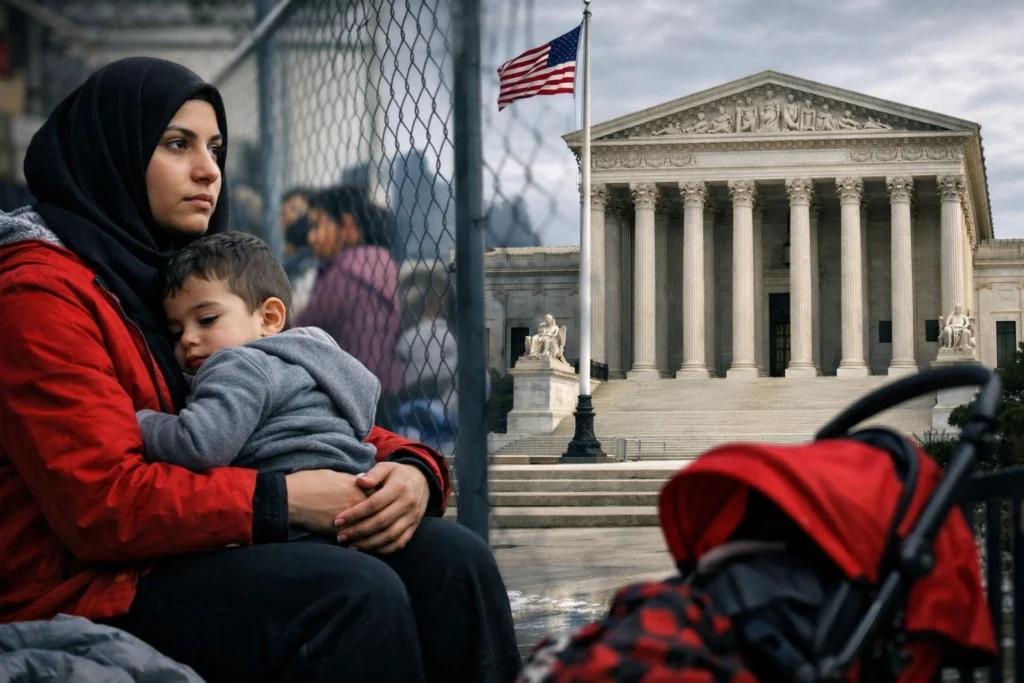
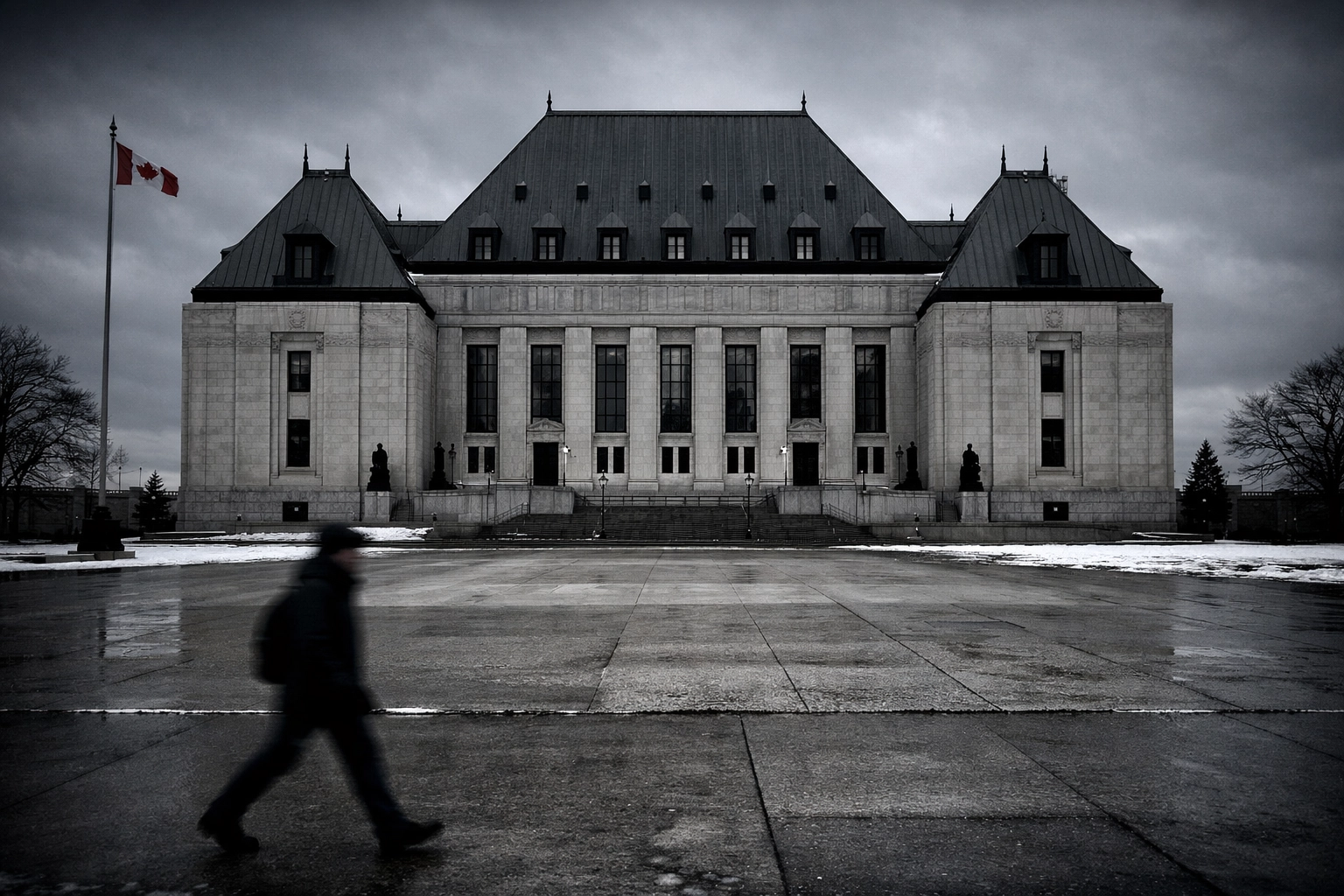
The Supreme Court of Canada ruled on March 6, 2026, that Quebec’s exclusion of asylum seekers from its subsidized childcare program violates the Canadian Charter of Rights and Freedoms, ordering that refugee claimants not be barred from access to reduced-fee daycare. The court split 8–1 in a decision that, while rooted in Quebec’s regulations, is expected to influence how provinces set eligibility rules for essential social services.
The case concerned Quebec’s “Reduced Contribution” daycare system, under which refugee claimants awaiting a determination on their asylum application were ineligible for the subsidized rate available to citizens, permanent residents and certain other permit holders. The majority concluded the exclusion created a discriminatory barrier under Section 15 of the Charter, which guarantees equality before and under the law and the right to equal protection and benefit of the law without discrimination.
In its reasons, the court said access to affordable childcare functions as a prerequisite to economic participation, particularly for women, who continue to carry a disproportionate share of caregiving responsibilities. The ruling noted that many asylum seekers can hold valid work permits, and found that denying access to subsidized childcare can effectively prevent parents from entering the workforce.

The decision is expected to affect thousands of families in Quebec. Refugee advocates have argued that private childcare costs can exceed what many claimants can manage through social assistance or entry-level wages, leaving families with little choice but to keep one parent at home. Advocacy groups have said the impact is particularly acute for single mothers in the asylum system.
The UN Refugee Agency, UNHCR, welcomed the ruling in a statement after the decision.
Although the judgment arose from Quebec’s framework, its Charter-based findings mean other provinces may face pressure to review eligibility restrictions in provincially delivered programs. Legal observers are assessing how the reasoning could apply beyond childcare to other supports, including housing, dental coverage and drug programs.


For Quebec, the ruling requires regulatory changes within a childcare system that has faced persistent waitlists and staffing shortages. Quebec governments have previously raised concerns about the fiscal implications of expanding eligibility during periods of higher migration volumes. The majority held that budgetary considerations and administrative convenience did not justify the exclusion given its discriminatory effects.
More broadly, the decision intersects with ongoing federal and provincial efforts to boost labour-force participation amid reported shortages in multiple sectors. By expanding access to subsidized childcare for some families legally in Canada and authorized to work, the ruling removes one barrier to workforce entry, while also intensifying attention on childcare capacity and the recruitment and training of early childhood educators.
In dissent, one justice questioned whether provinces should have greater latitude to prioritize limited childcare spaces for citizens and permanent residents and raised concerns about the scope of “discrimination” in the context of distinctions based on immigration status. Despite that dissent, the 8–1 result sets a significant precedent on how equality rights apply to access to core social infrastructure.