
The Canadianist | Blog
Why Do Canadians Say “Sorry”?

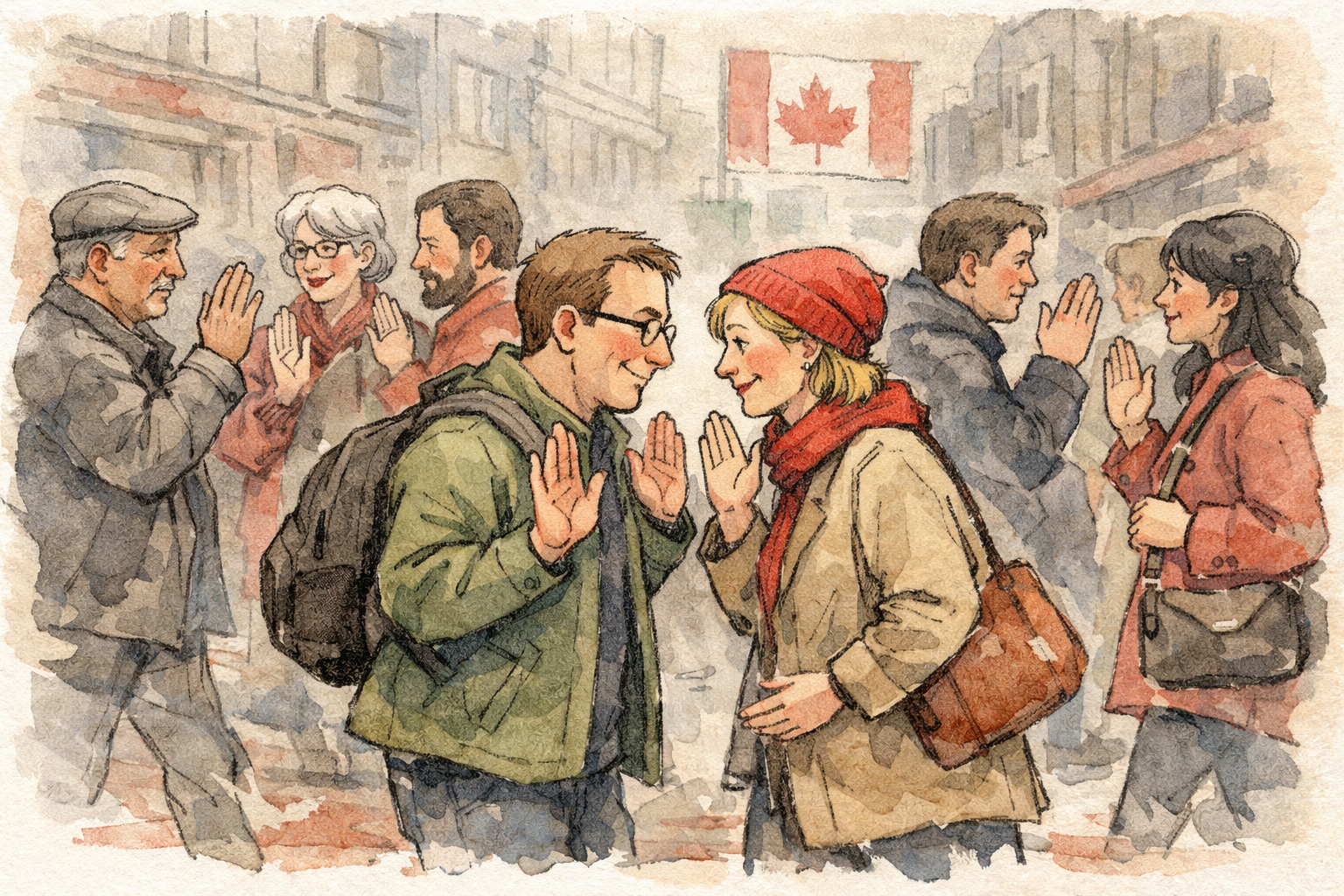
There’s a running joke that Canadians apologize for everything. We say sorry when someone bumps into us. We say sorry when we’re just trying to get past someone in a grocery store. We even say sorry when nothing has actually gone wrong.
Most people chalk it up to politeness. That’s part of it, but it’s not the whole story.
I haven’t seen any scientific studies on this, and maybe there are some out there, but here’s my theory.
If you step back, it goes deeper than manners. It goes back to how this country was built.
The United States was born out of revolution. It was forged in conflict, in a fight against authority, in a declaration that said, clearly, “these rights are ours.” That mindset didn’t disappear, it became part of the culture. You still see it today in how Americans talk about freedom, ownership, and individual rights. There’s a direct line from their founding to their attitude.
Canada took a different path.
This country wasn’t built through a single defining break. It was built through negotiation. Through compromise. Through gradual agreements between different groups who had to figure out how to live together, often without the option of walking away.
French and English. Indigenous nations and settlers. Loyalists who rejected the American Revolution. Provinces that didn’t always agree but still had to form a federation. Over and over again, the pattern was the same, give a little, take a little, move forward.
That leaves a mark.
When you grow out of a culture of negotiation, you develop habits that keep things from escalating. You acknowledge space. You ease tension. You signal, quickly and quietly, “I’m not here to push past you, I’m here to coexist.”
That’s where “sorry” lives.
It’s not always an apology in the literal sense. Most of the time, nothing wrong has happened. It’s more like a social handshake. A way of smoothing the moment before it becomes something bigger. A way of saying, “we’re good.”
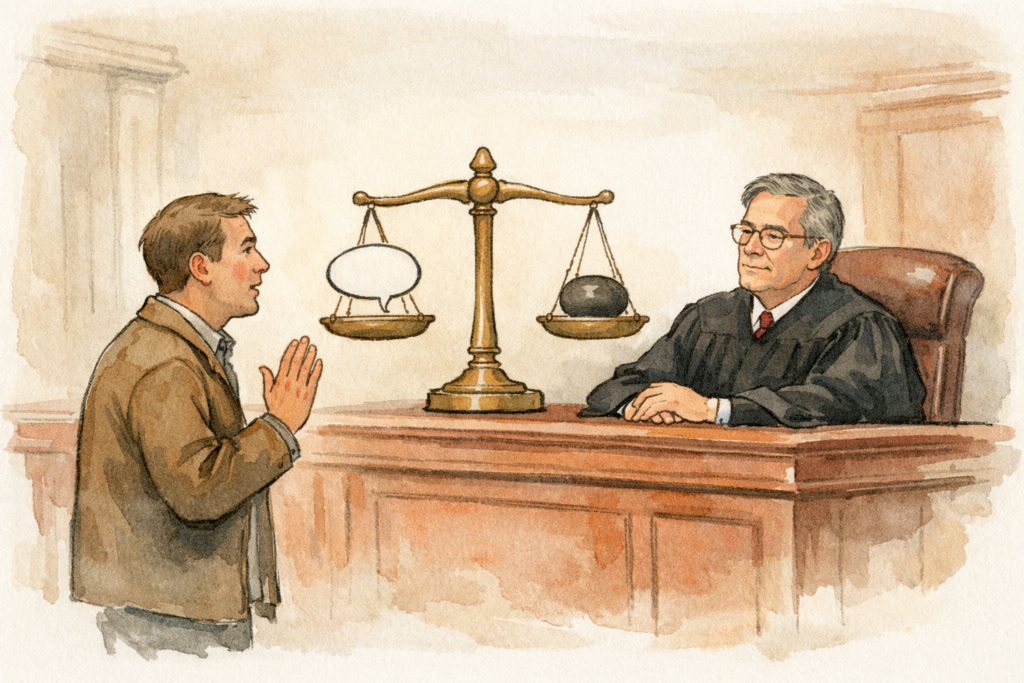
In fact, in Ontario, it’s gone so far that we’ve actually written this into law. The Apology Act makes it clear that saying “sorry” does not mean you’re admitting legal fault or liability. You can apologize, express regret, be human in the moment, and it can’t be used against you in court.
Think about that for a second. We didn’t just normalize saying sorry, we had to legally protect it so people wouldn’t stop doing it.
And if you trace it back even further, you can see the British roots in it too. The “pardon me,” the “excuse me,” the quiet awareness of others in shared space. In places like Ontario, where Loyalist influence runs deep, that tone never really left.
So when Canadians say “sorry,” they’re not confessing guilt. They’re maintaining balance.
It’s a small word, but it reflects something bigger about the country. Not weakness. Not passivity. Just a different way of holding things together.
So to answer the question as to why Canadians say sorry… sorry, I don’t know the answer.