
National | Economy
Canada Defies U.S. Pause, Maintains Sanctions on Russian Oil

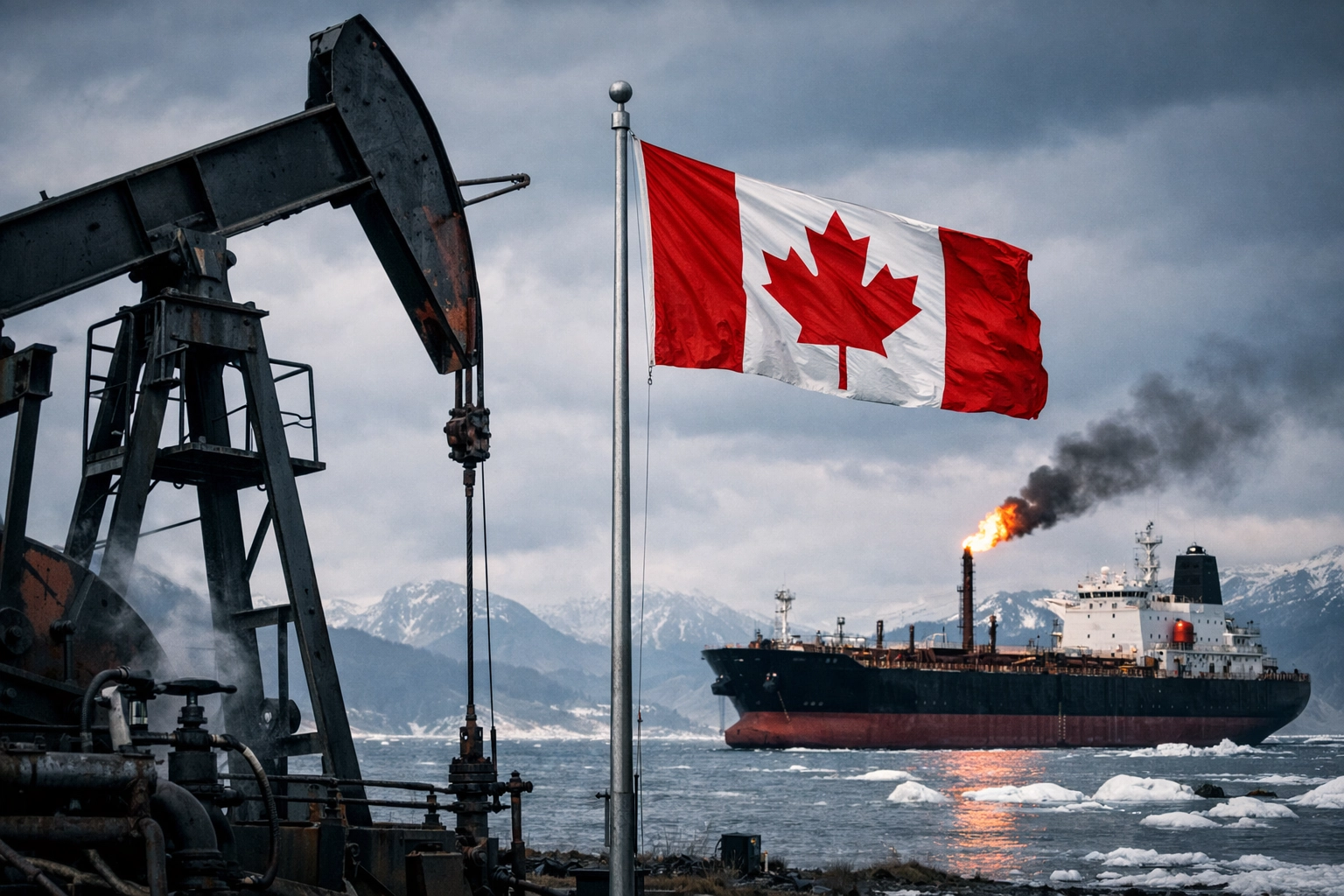
OTTAWA : Prime Minister Mark Carney has confirmed that Canada will not follow the United States in its recent decision to pause sanctions against the Russian "shadow fleet," signaling a significant divergence in foreign and energy policy between the two North American allies. The announcement comes as global energy markets face renewed volatility driven by escalating conflict in the Middle East.
While the U.S. government has implemented a 30-day suspension of certain restrictions to curb rising global oil prices, the Canadian federal government maintains that sustained pressure on Moscow is paramount. The decision underscores a strategic shift in Ottawa, prioritizing geopolitical leverage over immediate domestic price relief, even as the International Energy Agency (IEA) coordinates a massive global oil release to stabilize the market.
The Divergence in North American Policy
The current rift between Ottawa and Washington centers on the enforcement of sanctions against Russia’s maritime energy exports. Earlier this week, the U.S. Treasury Department announced a temporary "cooling-off period" for sanctions targeting vessels and entities involved in the transport of Russian crude. This move was explicitly designed to dampen the upward trajectory of global oil prices, which have surged following recent disruptions in the Strait of Hormuz and the widening Iran conflict.
In contrast, Prime Minister Carney, speaking from the National Press Gallery on Friday, reaffirmed Canada’s commitment to the existing sanctions regime. "Canada's position is to maintain sanctions on Russia, including on the shadow fleet which is moving this oil," Carney stated. "The integrity of the international response to the invasion of Ukraine depends on consistency. While we recognize the pressures on the global energy supply, we believe that easing restrictions now provides a strategic lifeline to the Russian war effort."
This policy gap is notable given the historically synchronized nature of Canada-U.S. sanctions. Experts suggest that Canada’s smaller exposure to global crude price fluctuations: owing to its status as a major producer and its direct pipeline infrastructure to the U.S.: gives Ottawa more room to maintain a hawkish stance compared to the more price-sensitive American economy.
Targeting the "Shadow Fleet"
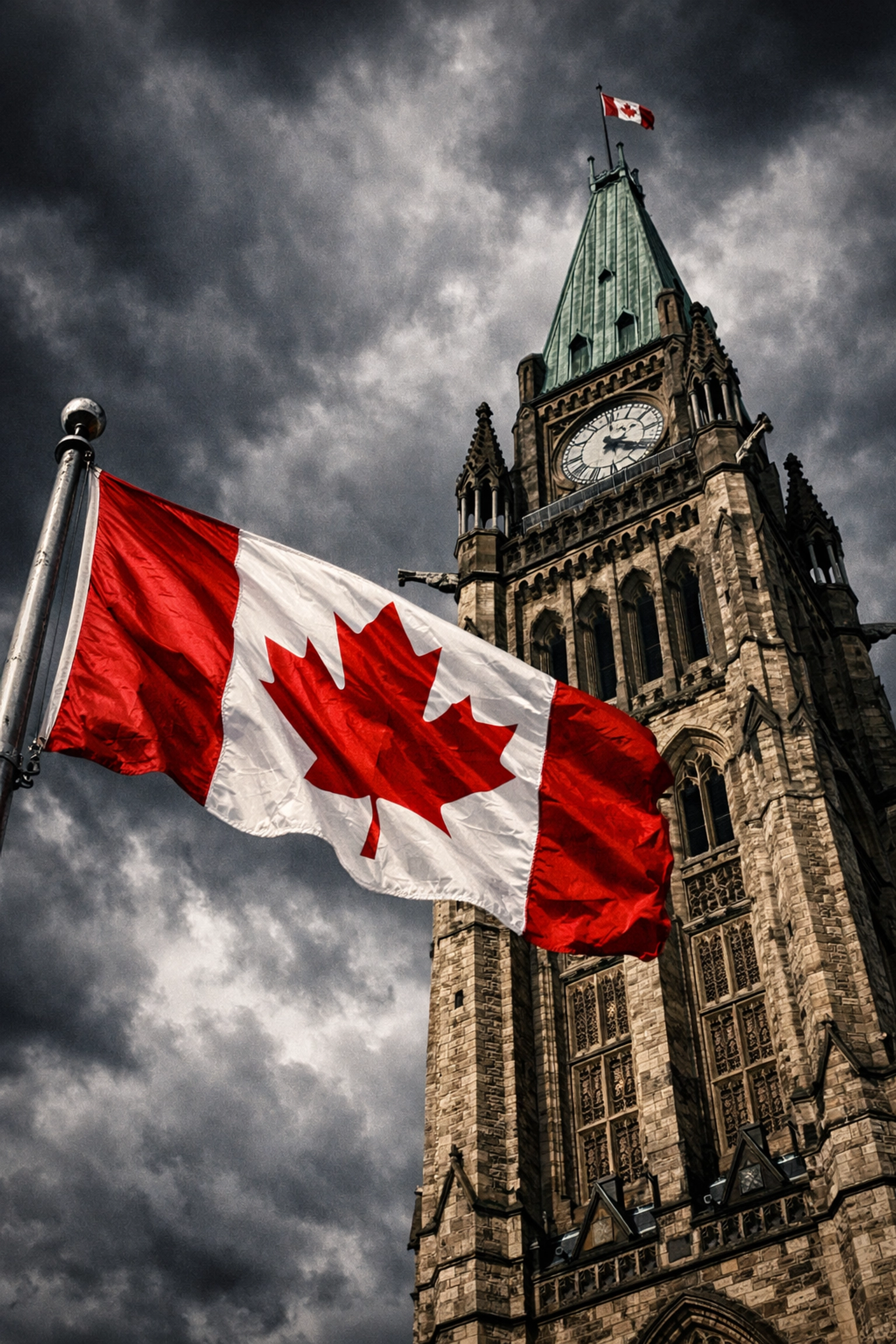
The primary focus of the Canadian sanctions remains the so-called "shadow fleet": a collection of aging, often uninsured tankers that Russia has utilized to circumvent G7 price caps. Since the beginning of the year, Canada has significantly ramped up its efforts to identify and isolate these vessels.
According to federal data, Canada has sanctioned over 400 vessels associated with the shadow fleet across multiple amendments. In February 2026 alone, the government added 100 additional tankers to its prohibited list. These sanctions restrict the ships from entering Canadian waters and, more critically, prohibit Canadian financial and insurance firms from providing services to any entity facilitating the transport of Russian crude above the mandated price cap.
As of February 19, 2026, Canada also lowered its domestic threshold for the oil price cap on Russian crude from US$47.60 to US$44.10 per barrel. This adjustment was intended to further squeeze the profit margins of Russian state-owned energy firms, even as international benchmarks like Brent and WTI trend upward.
Market Stabilization and the IEA Release
To mitigate the potential economic fallout of maintaining these sanctions, Canada is participating in a coordinated effort with the International Energy Agency (IEA). The IEA has authorized the release of 23.6 million barrels of oil from member nations' strategic reserves to help stabilize global markets and offset the supply-side pressures created by the Iran conflict and the ongoing Russian sanctions.
Canada’s contribution to this release is intended to provide a buffer for global refineries, particularly those in Europe that are still transitioning away from Russian energy sources. Analysts at The Canadianist News note that this "dual-track" strategy: holding the line on sanctions while contributing to global supply: is a centerpiece of the Carney government’s economic diplomacy.
However, market data suggests that enforcing these caps remains a significant challenge. In February 2026, roughly 56% of Russian crude oil exports were still transported by sanctioned shadow tankers, while only 33% utilized G7-compliant vessels. Russia has increasingly turned to "special purpose vehicles" and complex maritime transfers to legally separate sanctioned producers from the final export transactions, effectively laundering the origin of the oil.
The Domestic Impact on Energy Prices
Domestically, the decision to maintain sanctions has sparked a debate over the "red tape" versus productivity in the Canadian energy sector. While the federal government focuses on international restrictions, provincial leaders in Alberta and Saskatchewan have called for a refocusing on domestic production to fill the global supply gap.
The divergence from U.S. policy also raises questions about the long-term impact on Canadian consumers. If the U.S. pause succeeds in lowering prices south of the border while Canadian policy maintains a more restrictive environment, there are concerns that the price of refined petroleum products in Canada could remain artificially high.
The government has pushed back against these concerns, suggesting that the IEA release and existing North American inventory levels are sufficient to prevent a major spike at the pumps. For readers interested in the broader framework of Canadian economic policy, the government’s approach aligns with the principles discussed in The Case for Canadianism: A Practical Framework for Canada's Future, which advocates for a distinct Canadian voice in international affairs.
Geopolitical Repercussions and European Alignment
By refusing to follow the U.S. pause, Canada has found itself more closely aligned with European counterparts, including the Baltic states and Poland, who have criticized the American decision as a "strategic error." These nations argue that any relief given to the Russian energy sector directly funds military operations in Ukraine.
Prime Minister Carney’s alignment with Europe over Washington marks a rare moment where Canada is acting as the more aggressive enforcer of Western sanctions. This stance may complicate upcoming trade negotiations with the U.S., particularly as the two nations navigate broader disagreements over cross-border energy infrastructure and environmental regulations.

The move is also being scrutinized through the lens of political image management. Critics suggest that while the government maintains a hard line on Russian oil, it faces internal pressure to address the rising cost of living at home. The "shadow fleet" sanctions provide a clear moral and geopolitical narrative, but the efficacy of these measures remains a point of contention among trade experts.
Looking Ahead: The 30-Day Window
The international community will be closely watching the outcomes of the next 30 days. If the U.S. pause leads to a significant cooling of global oil prices without providing a meaningful boost to Russian revenues, pressure may mount on Ottawa to reconsider its unilateral stance. Conversely, if Russian exports continue to flow via the shadow fleet regardless of U.S. policy, Canada’s insistence on sustained sanctions may be seen as a necessary, if difficult, standard-bearing move.
For now, the Canadian government remains steadfast. The Department of Finance and Global Affairs Canada are expected to release a joint technical briefing later this week detailing further measures to close loopholes used by Russian special purpose vehicles.
As the situation evolves, the impact on latest news regarding the Canadian economy and international trade will remain a focal point for the Carney administration. Whether this divergence strengthens Canada's hand on the world stage or creates a friction point with its largest trading partner remains to be seen.
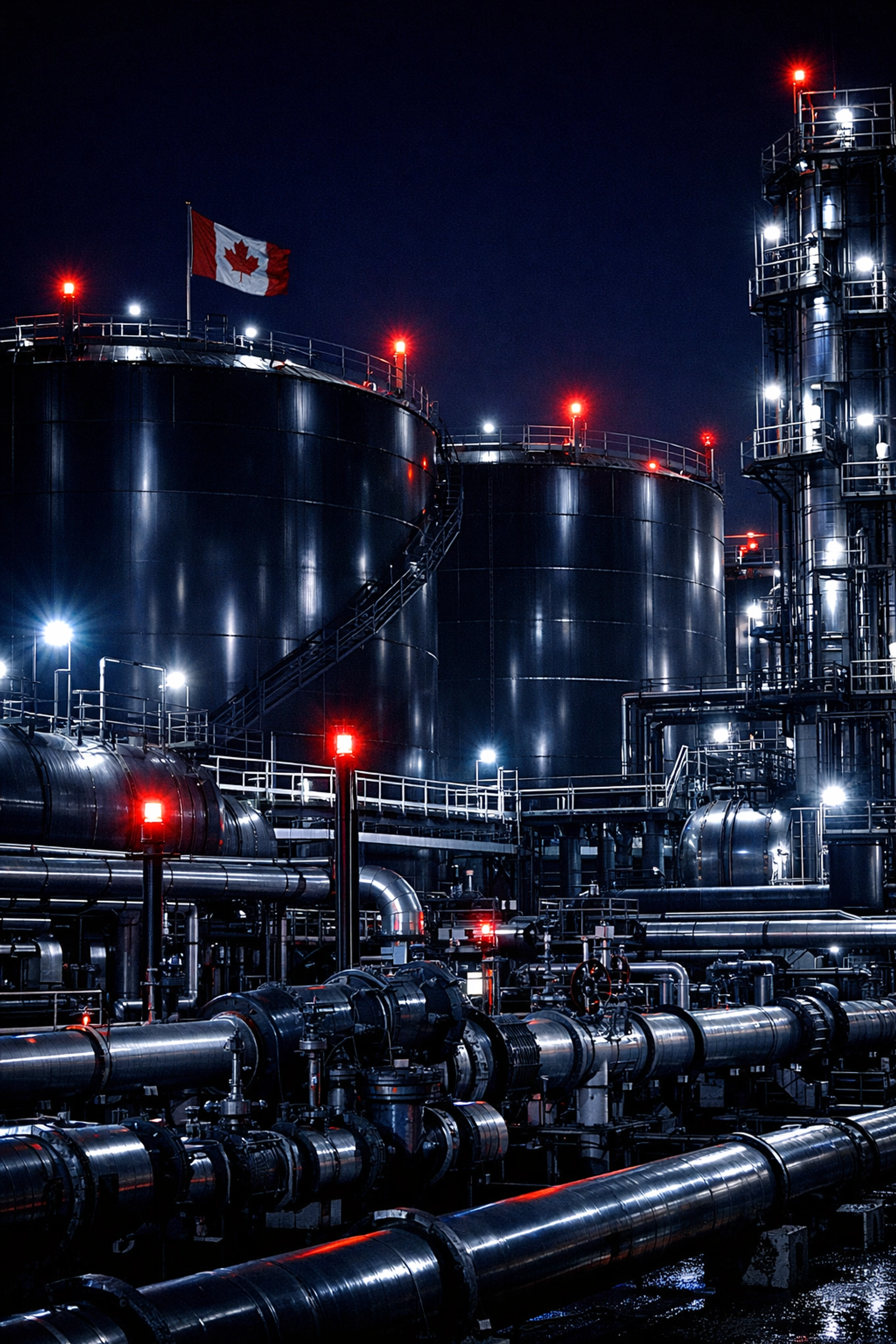
Summary of Key Sanctions Measures (As of March 2026)
- Oil Price Cap: Reduced to US$44.10 per barrel for Russian crude.
- Shadow Fleet: Over 400 vessels currently sanctioned; 100 added in February 2026.
- IEA Coordination: Canada contributing to a 23.6 million barrel strategic release.
- Maritime Services: Prohibition on insurance and financing for any transport exceeding the price cap.
- Entity Listings: Expanded to include third-party facilitators in jurisdictions helping Russia evade sanctions.
For more updates on Canada’s trade and economic policies, visit our business section or explore our sitemap.