Listeners:
Top listeners:
-
 play_arrow
S1 E9 | Are We That Incompetent? Canada vs Saudi Arabia
-
 play_arrow
S1 E2 | Milk, Markets, and the Cost of Protection

Wednesday, February 25, 2026: Regina & Saskatchewan Daily News Roundup

Good morning, Regina. Here are the top five stories you need to know for Wednesday, February 25, 2026.
1. REGINA: City Council reviews expansion plan to reach 370,000 residents by 2051
The City of Regina’s updated growth strategy is officially on the table today, as city officials and council members review a roadmap that anticipates a significant population surge over the next 25 years. The projections suggest that Regina could grow to accommodate approximately 370,000 residents by 2051, a massive leap from the current population of roughly 263,500.
The primary focus of this update is the city’s critical infrastructure, specifically the wastewater management system. For new neighborhoods to break ground, the city must first address what officials call the "underground foundation" of urban expansion. Currently, the city is prioritizing the installation and upgrading of wastewater trunks and mains. According to city planning documents, these systems are reaching capacity in several sectors, and without immediate investment, new residential developments in the city’s periphery could face significant delays.

Planners are also balancing this outward expansion with "infill" targets, aiming to ensure that 40% of new residential growth occurs within existing built-up areas. This strategy is designed to maximize the use of current amenities and transit corridors while reducing the long-term maintenance costs associated with urban sprawl. The move follows a broader trend across Saskatchewan, where both Regina and Saskatoon continue to see record-high migration numbers from both international arrivals and inter-provincial relocations.
2. SASKATCHEWAN: NDP Leader Carla Beck highlights economic uncertainties for 2026
Saskatchewan NDP Leader Carla Beck addressed the media this morning, outlining her party’s concerns regarding the province’s economic trajectory as the 2026 fiscal year begins to take shape. Beck pointed toward "unprecedented uncertainties" in the global market, particularly following recent shifts in international trade relations that have direct consequences for Saskatchewan’s export-heavy economy.
Beck’s comments come at a time when the province is navigating the fallout from recent U.S. judicial and executive decisions regarding tariffs. With Saskatchewan being a major global supplier of potash, uranium, and agricultural products, any shift in cross-border trade policy represents a significant risk to the provincial GDP.
"We are seeing a landscape that is changing by the week," Beck stated, referencing the need for more robust provincial protections for local industries. "Our producers and our workers need to know that there is a plan to shield them from the volatility we are seeing south of the border."
This discussion on trade volatility aligns with broader national concerns. For more context on how these shifts are impacting the country, you can read about the turning point in U.S. trade policy and what it means for Canadian provinces. The opposition is calling for a more transparent breakdown of the province’s contingency funds as the legislative assembly prepares for the spring session.

3. ESTEVAN: Youth Curling Provincials bring competitive spirit to Southeast Saskatchewan
The city of Estevan has officially become the provincial hub for youth sports this week as it hosts the Youth Curling Provincials. The tournament, which features the top U18 and U15 teams from across Saskatchewan, kicked off yesterday evening at the local curling club and Affinity Place, drawing hundreds of athletes, coaches, and families to the region.
The event is seen as a significant boost for the local economy in Estevan, with hotels and restaurants reporting high occupancy rates. Beyond the economic impact, the tournament serves as a critical developmental stage for the province’s next generation of competitive curlers. Saskatchewan has historically been a powerhouse in the sport, and provincial officials noted that the level of play in the opening rounds has been exceptionally high this year.
"The talent on the ice right now is a testament to the grassroots programs we have in small towns across this province," said a representative from CurlSask. The championship rounds are scheduled to take place over the coming weekend, with winners in the U18 category advancing to represent Saskatchewan at the national championships later this year. Local organizers have praised the volunteer spirit of the community, noting that over 100 residents have signed up to assist with officiating, timing, and hospitality for the visiting teams.

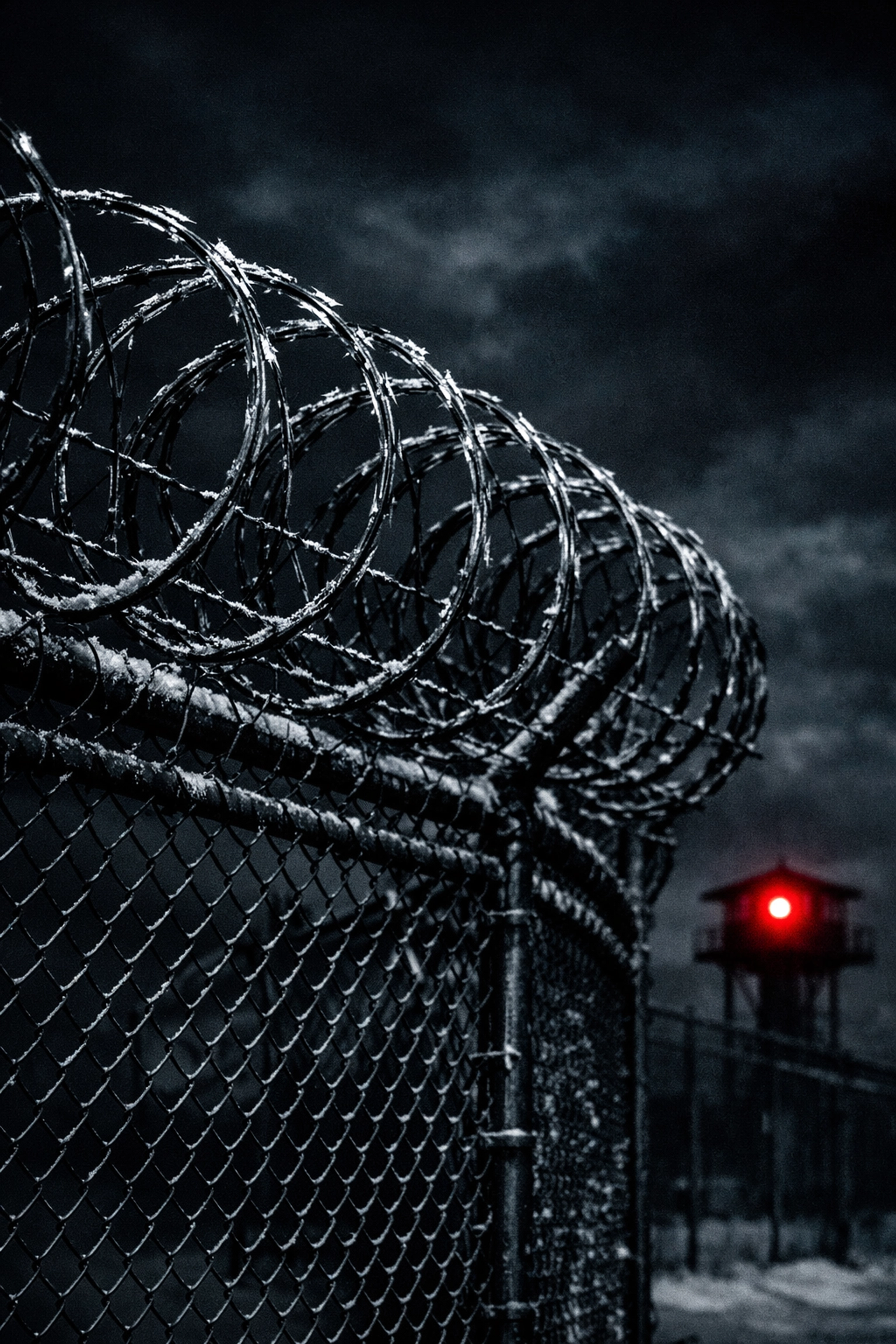
4. REGINA: Institutional lockdown at Regina Correctional Centre enters fourth week
The Regina Correctional Centre remains under a full institutional lockdown today, a security measure that has been in place since early February. Provincial corrections officials confirmed this morning that the lockdown was implemented to ensure the safety of both staff and inmates, though specific details regarding the nature of the security threat have not been fully disclosed to the public.
During a lockdown of this nature, inmate movement is strictly limited. Standard daily routines are suspended, and visitation rights: including both in-person and video calls: are typically put on hold. Officials have stated that these measures are necessary to conduct thorough searches of the facility and to address ongoing safety concerns within the units.
"Safety and security are the primary drivers of this decision," a spokesperson for the Ministry of Corrections, Policing and Public Safety said in a brief update. "We are working to return to normal operations as soon as it is deemed safe to do so."
The extended duration of the lockdown has drawn attention from advocates for inmate rights, who expressed concerns regarding the impact of prolonged isolation on mental health. However, the ministry maintains that the protocol is a standard response to "operational challenges" that arise in high-density correctional environments. No timeline has been provided for when the lockdown might be lifted.
5. REGINA: Health officials issue urgent alert following spike in drug overdoses
The Saskatchewan Health Authority (SHA) and the Regina Police Service have issued a joint public safety warning this morning following a sharp increase in drug-related overdoses across the city over the last 48 hours. Preliminary reports from first responders indicate that a potent new batch of illicit substances, likely containing high concentrations of fentanyl or its analogues, is circulating in the community.
Health officials are urging residents to exercise extreme caution and are reminding the public of the signs of an opioid overdose, which include slow or absent breathing, blue lips or fingernails, and an inability to wake up. The spike in calls has put additional pressure on emergency medical services, which have seen a nearly 30% increase in overdose-related dispatches compared to the same period last month.
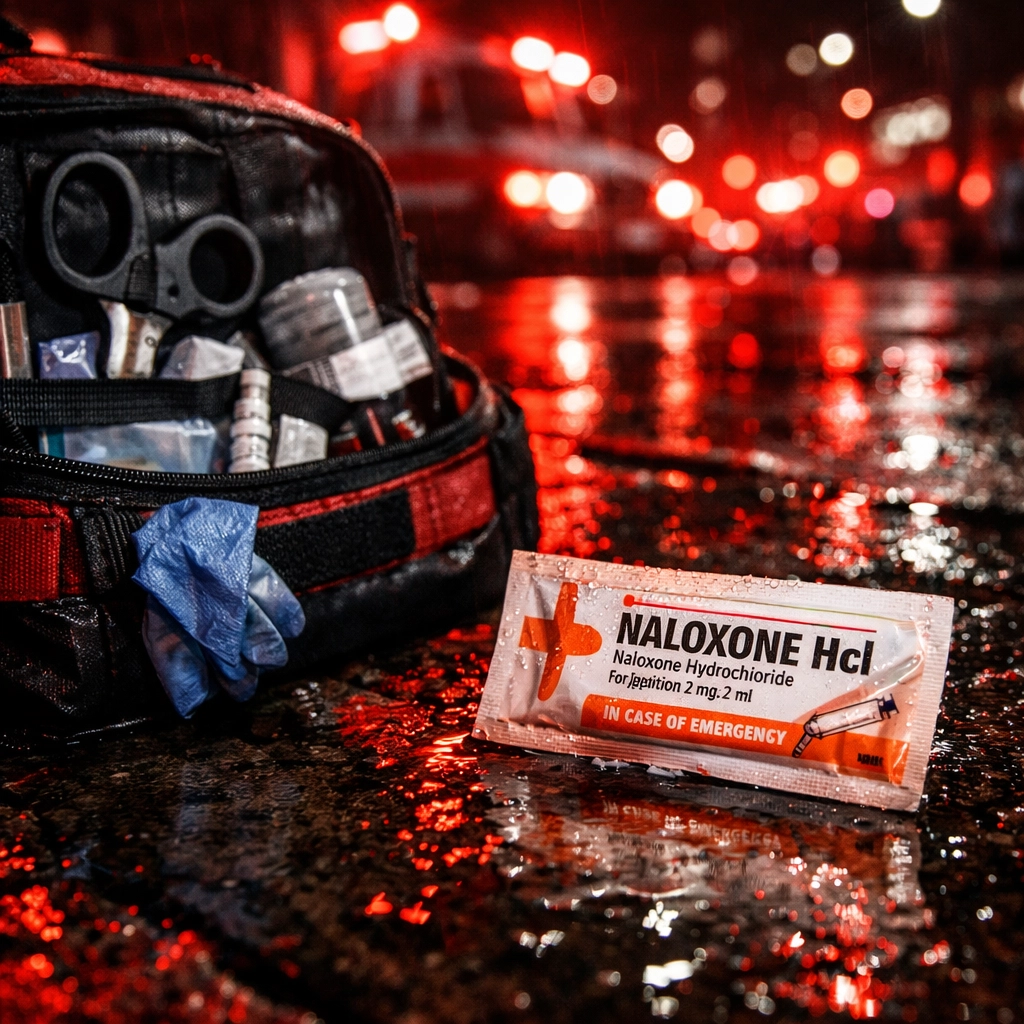
The Regina Police Service is encouraging anyone who witnesses an overdose to call 911 immediately. They also highlighted the protections offered under the Good Samaritan Drug Overdose Act, which provides some legal protection for individuals who seek emergency help during an overdose situation.
Harm reduction sites in Regina have increased their distribution of naloxone kits and are offering free drug-checking services to help prevent further fatalities. Community organizations are calling for increased provincial funding for long-term treatment beds and mental health support to address the root causes of the ongoing crisis.
For more updates on regional news across Canada, you can visit our sections for Toronto, Ottawa, and Montreal.


Post comments (0)