


![[HERO] Do You Really Need the New HST Waiver? The Truth About Home Prices in Canada and Current Policy Gaps](https://cdn.mar4blism.com/QjUT8Wgz6mu.webp)

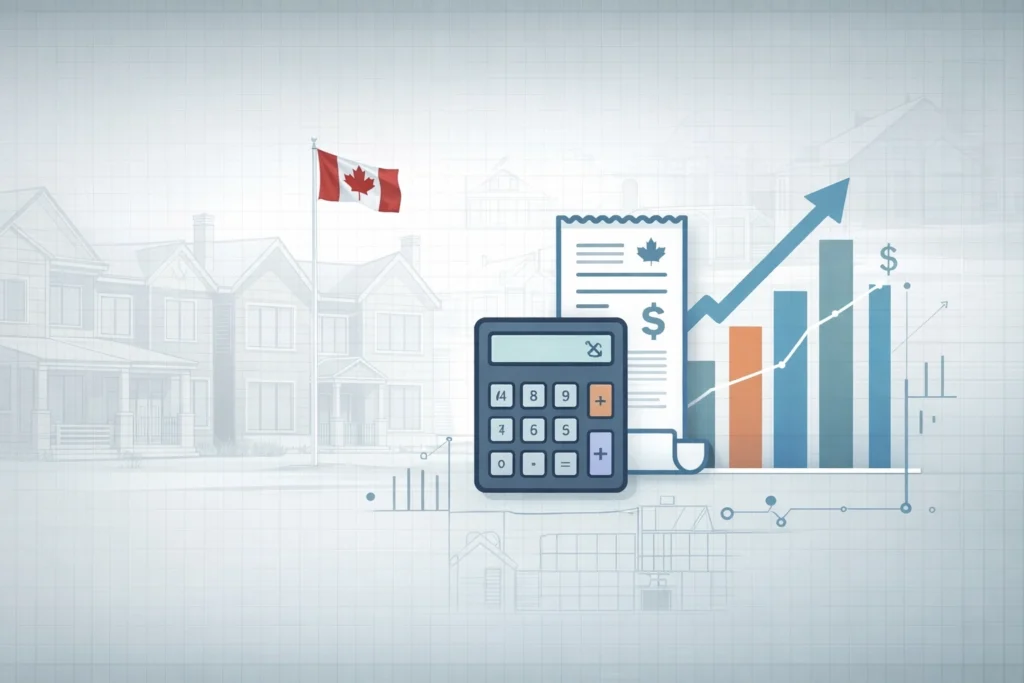
The Canadian housing landscape is currently defined by a frantic search for silver bullets. In the halls of both the federal parliament and provincial legislatures, the discourse has shifted from general concern to a tactical focus on fiscal levers. One of the most prominent tools to emerge from this shift is the manipulation of the Harmonized Sales Tax. Both federal and provincial governments have turned to tax waivers as a primary instrument to stimulate supply and address the deepening affordability gap. This represents a significant pivot in fiscal policy, moving away from direct public investment toward indirect market incentives designed to lower the entry barrier for developers and, theoretically, for buyers.
To understand why this matters, one must look at the recent history of tax policy in the housing sector. For decades, the application of GST and later HST on new residential construction has been a point of contention for builders. Unlike resale homes, which are exempt from these taxes, new builds carry a heavy tax burden that is almost invariably passed down to the end consumer. As the cost of labor and materials surged following the global disruptions of the early 2020s, these tax margins became the difference between a project breaking ground or being shelved indefinitely. The federal government’s decision to remove the GST portion on purpose-built rentals was the first major acknowledgement that the tax system was actively disincentivizing the exact type of housing Canada needs most.


Ontario’s proposed expansion of this waiver to include a broader range of new construction projects is an attempt to double down on this logic. By removing the provincial portion of the HST, the government aims to reduce the total cost of a new home by tens of thousands of dollars. On paper, this is a rational response to a supply shortage. If you reduce the cost of production, you should see an increase in output. However, the efficacy of this policy depends entirely on how the market absorbs the savings. In a truly competitive and high-supply environment, these savings would be passed to the buyer to entice sales. But in the current Canadian context, where demand continues to outpace supply despite high interest rates, the reality is far more complex and less certain for the average Canadian looking to enter the market.
The primary risk of a blanket HST waiver is the phenomenon of price absorption. In real estate, the price of a home is not merely the sum of its parts; it is determined by what the market can bear. When a tax is removed, the immediate downward pressure on the sticker price is often countered by upward pressure from other variables. Historically, when development costs are reduced through subsidies or tax breaks, the value of the underlying land tends to rise. Landowners, aware that developers now have a wider profit margin or more "room" in their budget, increase their asking prices. Consequently, the fiscal room created by the HST waiver is often swallowed up before a single brick is laid. The buyer ends up paying the same total price, but a larger portion goes to the landowner rather than the public treasury.
Furthermore, the existing federal measures have already shown that tax relief alone is not a panacea. While the GST waiver for rentals did lead to an uptick in applications for purpose-built projects, many remain stalled due to high financing costs and a chronic shortage of skilled trades. A tax waiver does nothing to address the fact that the cost of borrowing remains significantly higher than it was five years ago. It also does not magically produce the carpenters, electricians, and plumbers required to physically build the units. By focusing so heavily on tax waivers, policymakers may be ignoring the more difficult, structural impediments to housing delivery, such as restrictive municipal zoning and the slow pace of the Ontario Land Tribunal. More information on these economic trends can be found at thecanadianist.news/tag/economy.
The current policy gap lies in the lack of conditionality. A blanket HST waiver is a blunt instrument that rewards all development equally, regardless of its alignment with public interest. Under the current proposals, a luxury condominium in an already dense urban core receives the same tax advantage as a modest family-sized townhouse in an underserved area. This lack of nuance means that public funds: in the form of foregone tax revenue: are not being optimized to solve the specific components of the housing crisis. An authoritative approach to housing policy would suggest that tax incentives should be tiered or performance-based.

A shift toward performance-based tax credits would offer a more efficient use of fiscal resources. Instead of a permanent waiver at the point of sale, the government could implement a system where the tax benefit is tied to the speed of completion or the achievement of specific density targets. For example, a project that is completed within a certain timeframe or that incorporates a specific percentage of multi-bedroom units could qualify for a full rebate, while slower or less dense projects would receive a partial one. This would create a competitive environment where developers are incentivized not just to build, but to build efficiently and in accordance with the needs of the community. It shifts the tax system from a passive observer to an active participant in urban planning.
The role of the federal government in this dynamic is also under-scrutinized. While the provinces hold the primary lever over the HST, the federal government’s influence over the national economy and immigration levels dictates the demand side of the equation. Any provincial tax waiver is operating within a macro-economic framework that the provinces do not control. If the federal government continues to pursue aggressive growth targets without corresponding infrastructure investment, no amount of tax tinkering will bridge the gap. We must look at housing as a national security issue that requires a coordinated strategy across all levels of government, rather than a series of disconnected fiscal announcements. You can read more about the political intersections of these issues at thecanadianist.news/category/politics.


In the final analysis, the question of whether a Canadian needs the new HST waiver is the wrong question to ask. The more pressing concern is whether the waiver actually accomplishes its stated goal of lowering prices. Current evidence suggests that while it may improve the viability of certain projects, it is unlikely to lead to a significant or sustained reduction in market prices for the average buyer. The structural issues of land supply, municipal bureaucracy, and labor shortages remain the dominant forces driving the market. Without addressing these, the HST waiver is simply a transfer of wealth from the public purse to the private sector with no guaranteed return for the taxpayer or the home seeker.
To truly fix the housing market, we must move beyond the allure of the quick fix. A rational policy framework would involve a complete overhaul of how we tax land versus how we tax improvements. By shifting the tax burden away from the act of building and toward the value of undeveloped land, we could create a natural incentive for development without the need for constant government intervention and ad-hoc waivers. This would require a level of political courage and inter-governmental cooperation that is currently in short supply. Until then, the HST waiver will remain a prominent, yet ultimately insufficient, response to a crisis that demands more than just fiscal adjustments. For a deeper dive into the financial implications of these policies, visit thecanadianist.news/category/finance.
The pursuit of homeownership in Canada should not be a gamble on which tax credit will be announced next. It requires a stable, predictable environment where the cost of entry is tied to the actual value of the housing provided, not the whims of a shifting tax code. As we move closer to the next election cycle, the pressure on governments to provide immediate relief will only grow. It is the responsibility of the analytical community to look past the headlines and demand policies that offer long-term stability over short-term political gain. The HST waiver is a start, but it is far from the finish line.