Politics
Liberals on Verge of Majority as Canadians Head to the Polls in Three By-Elections

By The Canadianist
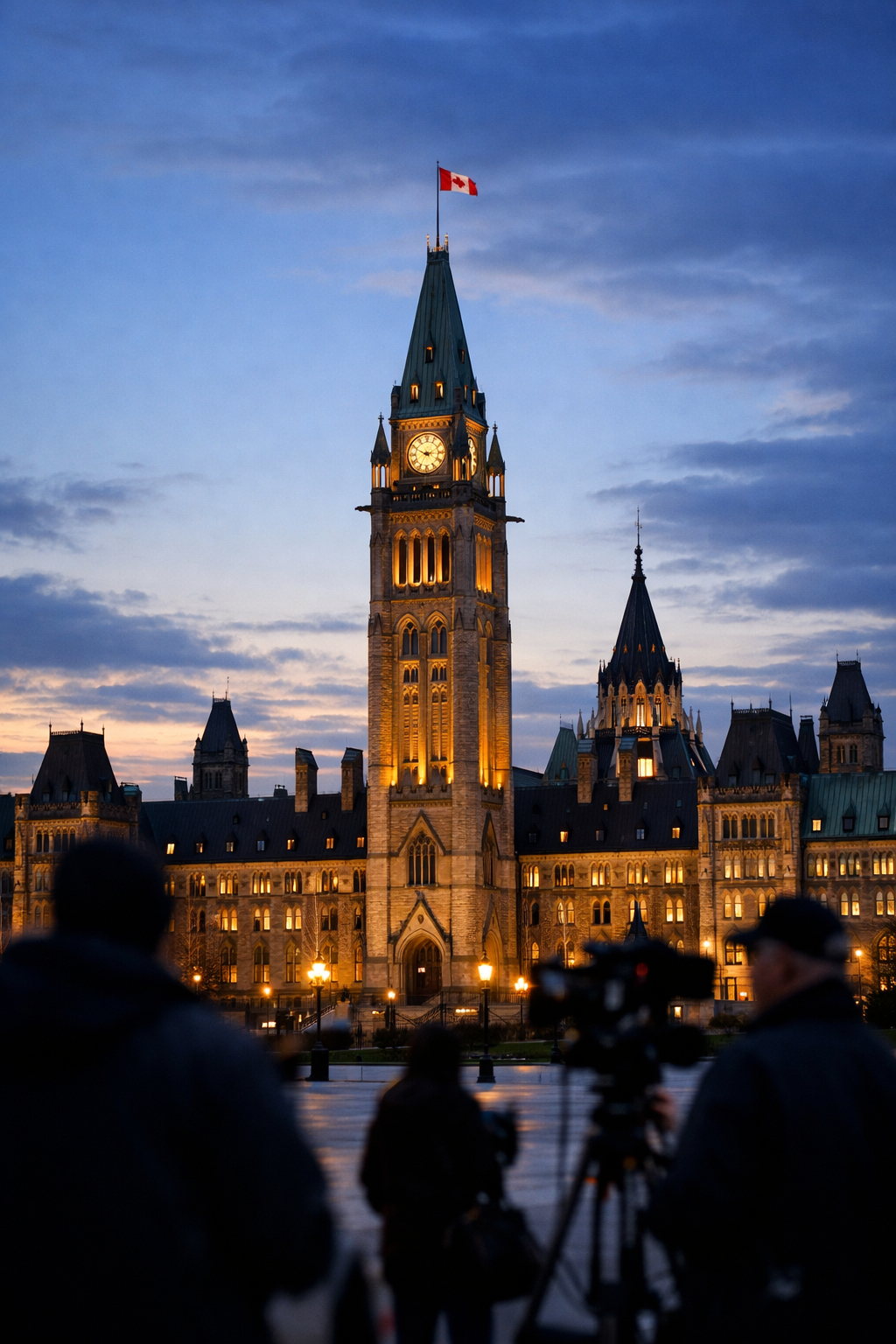
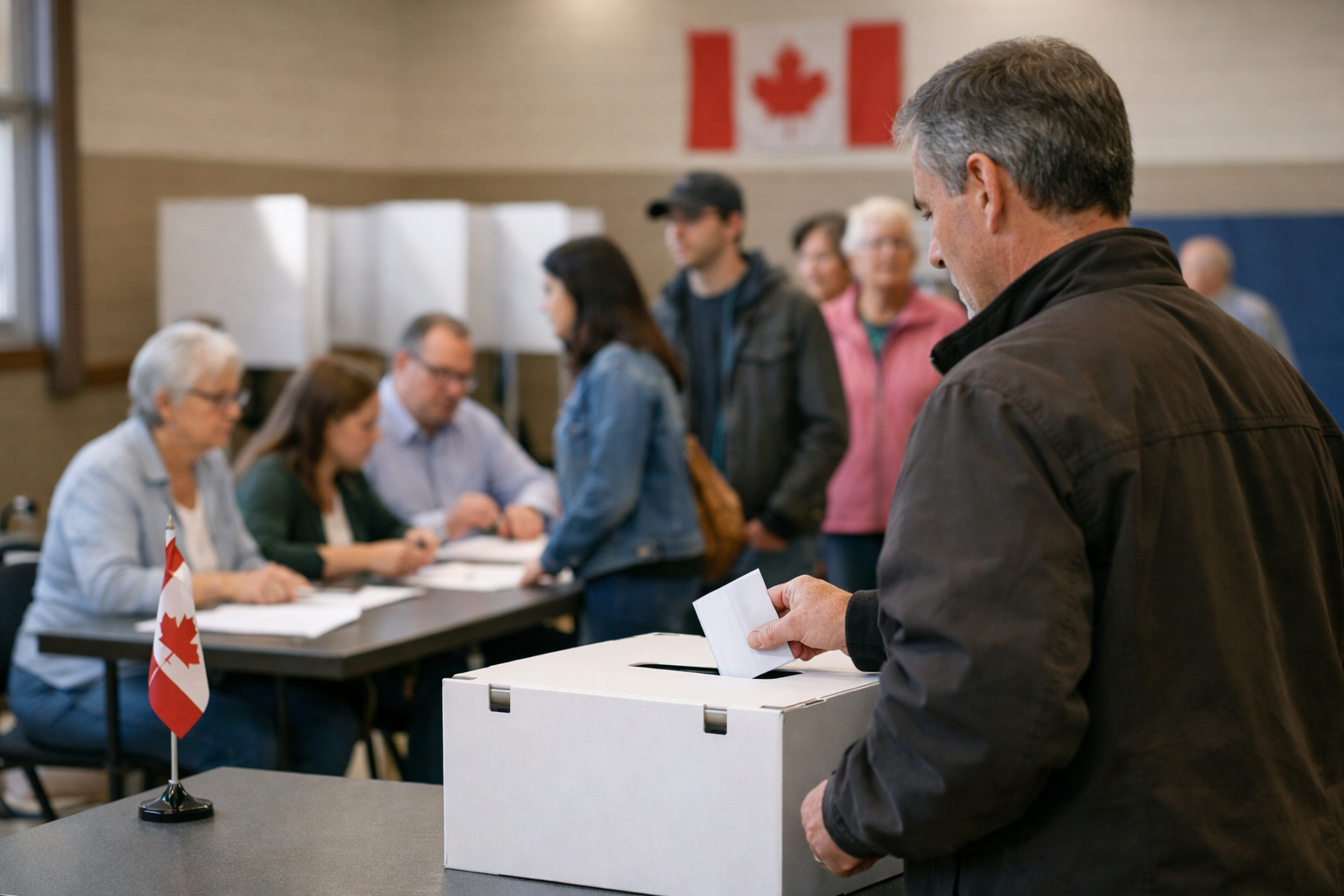
Canadians are heading to the polls today in three federal by-elections that could significantly shift the balance of power in Ottawa, with the Liberal Party of Canada within striking distance of a parliamentary majority.
The races, taking place in strategically important ridings, are being closely watched not just for their local outcomes, but for what they signal about national momentum and leadership ahead of a potential general election cycle.
At dissolution, the Liberals, now led by Prime Minister Mark Carney, were governing with a strong minority. However, recent floor crossings and shifting political dynamics have brought them closer to majority territory, raising the stakes of these by-elections far beyond their individual seat counts.
A strong showing today could push the Liberals to the brink of majority control in the House of Commons, a scenario that would give the government significantly more latitude to pass legislation without relying on opposition support.
High Stakes Beyond the Ridings
While by-elections are typically seen as local contests, the national implications this time are difficult to ignore.
The Conservative Party of Canada, led by Pierre Poilievre, is looking to frame the vote as a referendum on affordability, cost of living, and economic management. Conservative organizers have emphasized ground campaigns and voter turnout, particularly in ridings where dissatisfaction with federal policies has been most pronounced.
At the same time, the Liberals have leaned into stability and continuity, with appearances by senior cabinet members and messaging focused on economic stewardship and social programs.
The contrast in tone between the two parties has been notable. Conservative messaging has remained pointed and critical, while Liberal efforts have emphasized incremental progress and governance experience.
A Broader Political Undercurrent
Beyond party strategy, these by-elections are unfolding against a backdrop of broader questions about Canada’s political system and voter representation.
Recent public debate has intensified around issues such as floor crossing, voter alignment, and whether the current first-past-the-post system accurately reflects the will of the electorate. While those debates won’t be settled at the ballot box today, the outcomes could reinforce or challenge perceptions about how political support is distributed across the country.
Low turnout, a common feature of by-elections, remains a wildcard. Historically, governing parties can benefit from more motivated core supporters, but opposition parties often outperform expectations by mobilizing discontent.
What to Watch Tonight
As results come in, attention will focus on three key indicators.
First, whether the Liberals can convert their current momentum into actual seat gains. Second, whether the Conservatives can hold or flip ridings in a way that reasserts national competitiveness. And third, overall voter turnout, which may shape how the results are interpreted politically.
Even if the Liberals fall short of an outright majority, a strong performance would reinforce their current trajectory and strengthen their governing position.
For now, Canadians in these ridings will decide outcomes that extend well beyond their local communities, with potential consequences for the balance of power in Parliament and the direction of federal politics in the months ahead.