
National | Defence
7 Mistakes We’ve Made with Arctic Sovereignty (And How to Fix Them with the New $40B Plan)

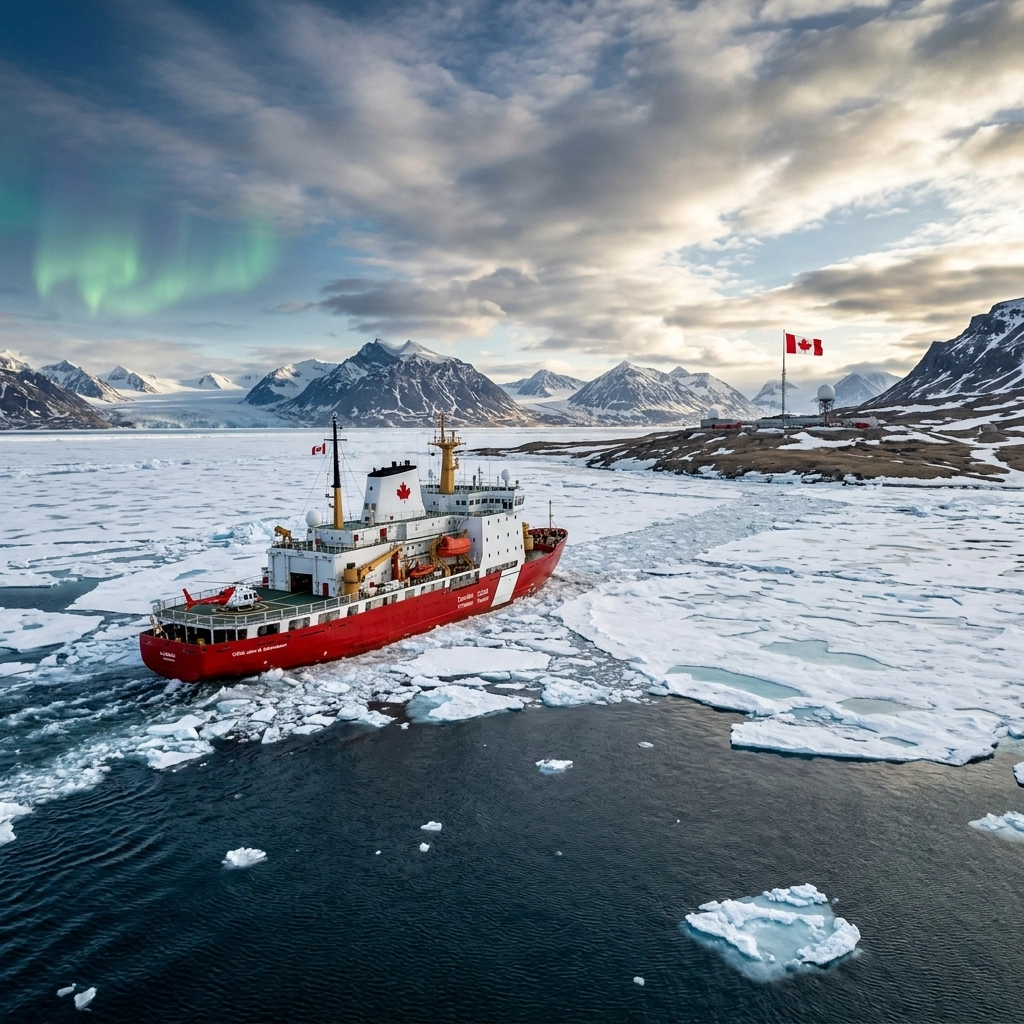
The frost is thinning, and with it, the geographical shield that has protected Canada’s northern flank for centuries is evaporating. For decades, Ottawa operated under the comfortable illusion that the Arctic was a frozen fortress, inaccessible to all but the most determined. That era is over! The new $40 billion defense investment is not just a budget line; it is a high-stakes admission that our previous strategy was built on thin ice. This is the moment for a total reset! We are finally moving toward a posture of readiness that matches the reality of the 21st century.
Canada’s historic approach to the North has been defined by a series of systemic errors that have left us playing catch-up in our own backyard. The first and perhaps most damaging mistake was the "Seasonal Sovereignty" mindset. We treated the Arctic as a part-time responsibility, increasing our focus during the summer months when the ice receded but retreating south when the temperatures dropped. Sovereignty is not a seasonal occupation! A nation that only monitors its borders half the year cannot claim full authority over them. By failing to maintain a year-round, persistent presence, we signaled to our rivals that the North was open for exploration: and potentially, exploitation.
This leads directly to the second mistake: the chronic neglect of dual-use infrastructure. In the South, we take roads, ports, and communications for granted. In the North, they are strategic assets. For too long, we viewed defense spending and community development as separate silos. We built isolated outposts that did nothing for the local populations, and we failed to invest in the deep-water ports that are essential for both naval operations and commercial shipping. Without a robust logistical spine, our ability to project power is limited by how much fuel and food a ship can carry from Halifax or Esquimalt. The $40 billion plan must bridge this gap! We need infrastructure that serves the Canadian Armed Forces while simultaneously empowering Northern communities.
The third error is the "Procurement Purgatory" that has come to define Canadian defense policy. We have a habit of designing perfect solutions on paper that are obsolete by the time they hit the water or the air. Our acquisition cycles are too long, too bureaucratic, and too sensitive to shifting political winds. While we spent decades debating the specifications of new patrol vessels, our adversaries were already deploying next-generation sub-surface drones and ice-hardened research ships that double as surveillance platforms. We cannot afford to wait twenty years for a ship that is needed today! The new plan must embrace a "build, partner, or buy" strategy that prioritizes speed and scalability over bureaucratic perfection.
Our fourth mistake was the dangerous over-reliance on our allies for situational awareness. We allowed ourselves to become dependent on shared intelligence and foreign satellite constellations to tell us what was happening in our own waters. True sovereignty requires "eyes-on" capability that we own and control. You cannot protect what you cannot see! The investment in over-the-horizon radar and autonomous underwater sensors is a massive step forward. It moves Canada from being a consumer of intelligence to a provider, ensuring that we are the primary authority on activity within the Northwest Passage.
The fifth mistake involves our historical failure to integrate Indigenous knowledge and leadership into the core of our defense strategy. The Inuit have been the guardians of the North for millennia. Treating them as mere "consultants" rather than central partners in national security was a strategic blunder of the highest order. Sovereignty is as much about people as it is about planes and ships. By failing to invest in the Canadian Rangers and Northern-led security initiatives, we ignored our most valuable asset: the people who actually know the land. The path forward must be built on a foundation of genuine partnership and shared prosperity.
Sixth on the list is our refusal to prepare for the commercial reality of an ice-free Arctic. As the Northwest Passage becomes a viable shipping route, the legal status of these waters will be challenged. If we cannot monitor, regulate, and rescue the traffic in these lanes, our claim that they are "internal waters" will be eroded by the sheer weight of international use. We have been too slow to establish the regulatory frameworks and the physical enforcement capabilities required to manage a global maritime highway. The $40 billion plan must include the "soft power" tools of sovereignty: search and rescue, environmental monitoring, and maritime policing: to complement our "hard power" military assets.
Finally, the seventh mistake has been the lack of a long-term, non-partisan commitment to defense spending. We have treated the Arctic as a "wedge issue" to be funded when it is politically convenient and cut when the budget gets tight. This inconsistency has decimated our domestic defense industry and demoralized our personnel. Sovereignty requires a generational commitment that transcends the four-year election cycle. We are finally seeing a shift toward the 2% NATO target, but the money must be spent wisely, focusing on strategic autonomy rather than just filling quotas. For a deeper look at how we can structure this future, the framework outlined in The Case for Canadianism offers a practical path forward for a country at a crossroads.
The $40 billion plan is a monumental opportunity to fix these errors! It signals that Canada is ready to stop apologizing for its geography and start defending it. The direction is clear: we must move toward a model of "Strategic Autonomy." This means having the capacity to detect, deter, and defend against threats in the High North without waiting for a phone call from Washington or Brussels. It means investing in the global affairs capabilities that allow us to lead on Arctic diplomacy from a position of strength, not weakness.

Fixing these mistakes will require difficult trade-offs. We cannot have everything at once, and there will be debates about whether these billions should go to housing or healthcare. But we must realize that without a secure and sovereign North, our economic and environmental stability is at risk. A country that cannot control its borders is not a country; it is a territory. We are choosing to be a nation! This is about more than just military hardware; it is about the long-term sustainability of the Canadian project.
The future of the Arctic is being written right now, and for the first time in a generation, Canada is holding the pen! The new plan gives us the tools, but we need the political will to see it through. We need to stay focused, stay invested, and stay loud about our commitment to the North. The world is watching to see if Canada will finally step up and own its destiny as an Arctic superpower. We are ready! We are capable! And with this new investment, we are finally getting to work!
Stay tuned to our opinion section for more deep dives into how Canada can navigate this fractured world. The journey is just beginning, and the momentum is on our side! This is our North, our future, and our responsibility! Let’s get it right this time!