

Industry
Canada and India Signal Push for Comprehensive Free Trade Agreement

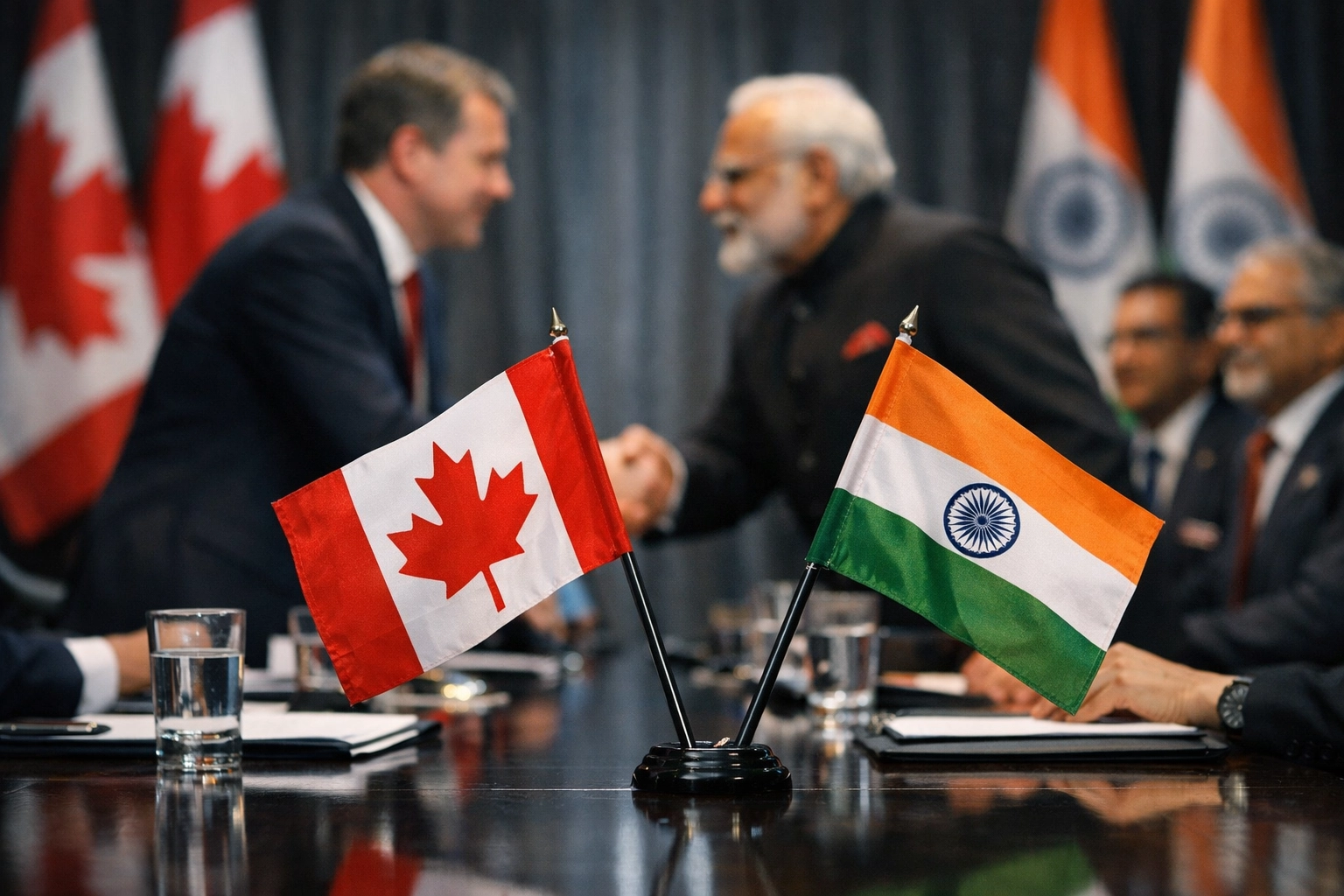
NEW DELHI / OTTAWA : Following a landmark week of bilateral meetings in New Delhi, the Canadian and Indian governments have signaled an accelerated path toward a Comprehensive Economic Partnership Agreement (CEPA). The shift marks a significant pivot in Canada’s Indo-Pacific strategy, moving from years of diplomatic stagnation toward a structured economic alliance anchored by the energy and resource sectors.
The momentum for a full-scale Free Trade Agreement (FTA) was solidified this past weekend after the announcement of a $2.6 billion uranium supply deal. Prime Minister Mark Carney, during his first official visit to the Indian capital since taking office, characterized the energy agreement as a foundational pillar for a broader commercial framework.
A New Strategic Foundation
The current push for a CEPA represents the most substantial effort to align the two economies in over a decade. Negotiations, which had been stalled since 2017 due to various diplomatic hurdles and regulatory disagreements, were formally revived in late 2025. According to Global Affairs Canada, the government tabled a formal Notice of Intent to proceed with negotiations on November 24, 2025.
The strategic rationale behind the agreement is rooted in the Carney government’s broader "Trade Diversification Strategy." As global markets face increasing volatility, Canadian policy has shifted toward securing long-term partnerships with high-growth economies in the Indo-Pacific. India, currently the world’s most populous nation and one of its fastest-growing major economies, is central to this objective.
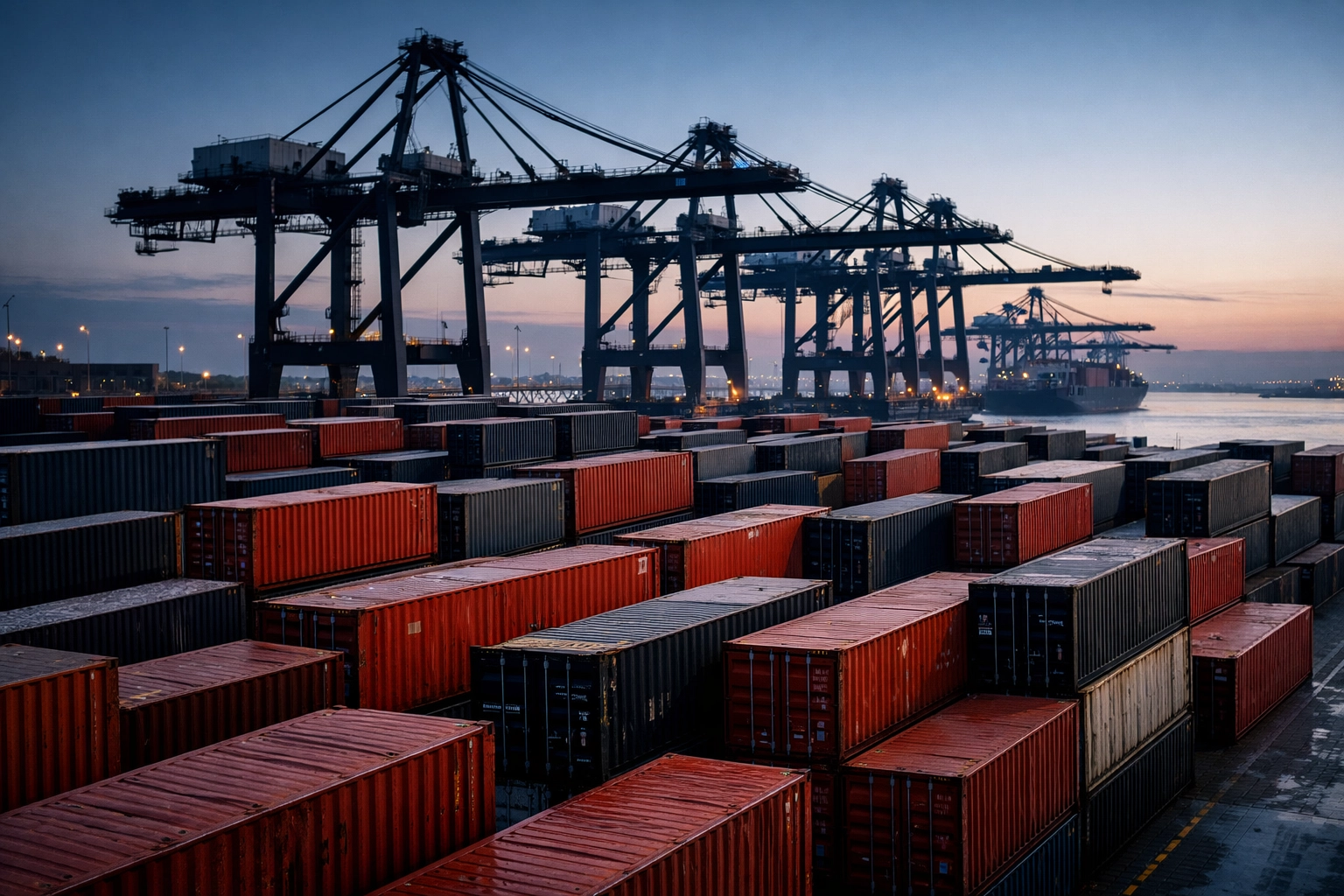
A wide-angle, realistic shot of a major Canadian shipping port, showing rows of containers and industrial cranes, symbolizing the logistical backbone of international trade.
The Uranium Catalyst
The $2.6 billion uranium deal, involving Saskatchewan-based Cameco, serves as a proof-of-concept for the broader trade agreement. Under the terms of the deal, Canada will provide a stable supply of nuclear fuel to support India’s expanding civil nuclear energy program.
Industry analysts suggest that the success of the uranium negotiations provided the "diplomatic thaw" necessary to address more complex sectors within the CEPA, such as professional services, digital trade, and agricultural market access. For India, the deal secures the energy inputs required to sustain its industrialization; for Canada, it provides a guaranteed long-term market for its critical mineral exports.
"The energy sector has acted as the icebreaker," said a senior official within the Department of Finance. "By establishing a high-value, multi-year agreement in a highly regulated sector like nuclear energy, both nations have demonstrated the regulatory maturity required to pursue a comprehensive free trade deal."
Scope of the Comprehensive Economic Partnership Agreement (CEPA)
The proposed CEPA is expected to go beyond traditional tariff reductions on physical goods. Government documents indicate that the 2026 negotiations will focus on four primary pillars:
- Market Access for Goods: Reducing or eliminating duties on Canadian pulses, forest products, and machinery, while facilitating easier entry for Indian textiles and pharmaceuticals into the Canadian market.
- Services and Investment: Creating a transparent regulatory environment for Canadian financial services and engineering firms to operate in India, alongside protections for Indian investors in Canada’s tech and energy sectors.
- Digital Trade: Establishing frameworks for cross-border data flows and the recognition of digital signatures, a crucial component for Canada’s burgeoning AI and software industries.
- Labor Mobility: Addressing the "movement of natural persons," which would allow for streamlined temporary work permits for highly skilled professionals, a key demand for both the Canadian tech sector and Indian service providers.
The inclusion of labor mobility remains one of the more sensitive points of negotiation. Canadian officials have maintained that any mobility agreements will be strictly tied to professional services and economic needs, distinguishing them from broader immigration policy.
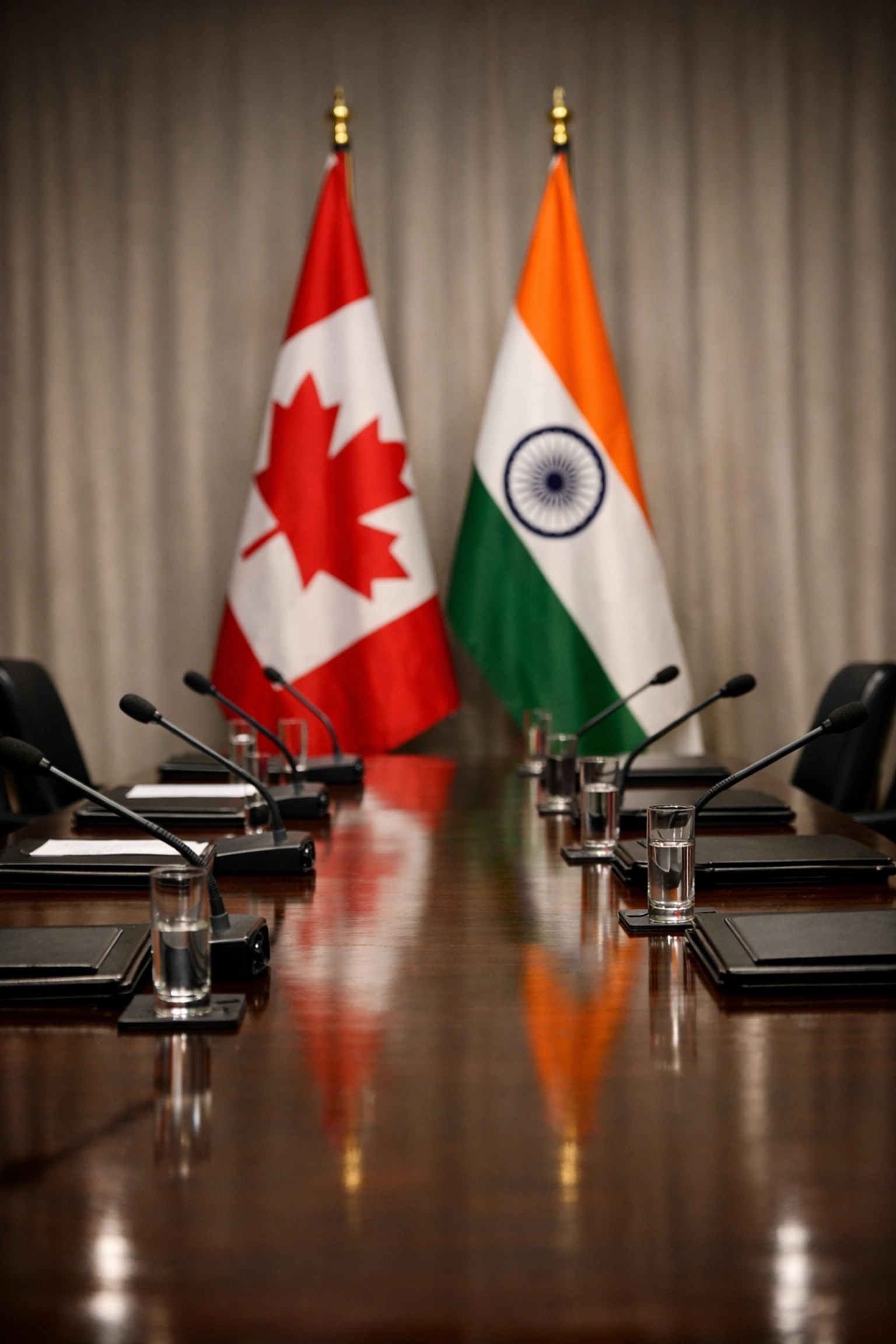
A professional, realistic photograph of a diplomatic meeting room in New Delhi. The setting includes polished wood tables, microphones, and both Canadian and Indian flags in the background, conveying a formal and serious negotiation atmosphere.
Public Consultation and Industry Feedback
In preparation for the 2026 negotiation rounds, Global Affairs Canada conducted an extensive public consultation period from December 13, 2025, to January 27, 2026. The feedback from Canadian stakeholders highlighted both the opportunities and the risks inherent in an India-centric trade push.
The Canadian pulse industry: specifically lentil and pea farmers in the Prairies: has been a vocal supporter of the deal. India is the largest consumer of pulses globally, and inconsistent tariff applications in previous years have created significant market uncertainty for Canadian exporters. A finalized CEPA would ideally provide a predictable tariff schedule, allowing Canadian farmers to plan multi-year crop rotations with confidence.
Conversely, some manufacturing sectors have expressed concerns regarding the competitive pressures of Indian industrial exports. The Canadianist News has reported on the balance required to protect domestic manufacturing while lowering costs for consumers. This centrist approach to trade: balancing protectionism with expansion: is a hallmark of the current administration’s economic policy.
Geopolitical Context and Diversification
The push for an India FTA is also a response to shifting trade dynamics with traditional partners. Recent developments in U.S. trade policy have underscored the risks of over-reliance on a single market. By pivoting toward India, Canada aims to hedge against North American protectionism and the complexities of the China-Canada relationship.
Prime Minister Carney’s background as a central banker has influenced this "risk-mitigation" approach to foreign policy. The government’s 2026 budget projections assume that increased trade with India could contribute to a 0.5% to 1.0% increase in GDP over the next decade, provided the CEPA is ratified by early 2027.
Challenges Ahead
Despite the optimism in New Delhi, significant hurdles remain. Regulatory alignment is a primary concern; India’s legal system and bureaucratic requirements for foreign firms are notoriously complex. Furthermore, agricultural subsidies in both nations remain a point of contention. Canada’s supply management system and India’s minimum support prices for farmers are often viewed as non-tariff barriers that are difficult to reconcile in a "comprehensive" agreement.
There is also the matter of the "Early Progress Trade Agreement" (EPTA). Some trade experts suggest that the two nations might first sign an EPTA: a smaller, more focused deal covering a subset of goods: before finalizing the full CEPA. This "staged approach" would allow for immediate wins in sectors like uranium and pulses while leaving more difficult discussions on services and investment for a later date.

A realistic, professional photo of a high-tech manufacturing facility, highlighting precision machinery and workers in safety gear. This represents the industrial and technological exchange expected under a new trade framework.
Conclusion and Next Steps
As the Canadian delegation returns from New Delhi, the focus shifts to the technical rounds of negotiations scheduled for the summer of 2026. Global Affairs Canada is expected to release a summary of its 2025-2026 consultations by the end of March, providing a roadmap for the specific concessions Canada is prepared to make.
For the Canadian business community, the message from the Carney government is clear: the road to economic resilience runs through the Indo-Pacific. While the $2.6 billion uranium deal is a significant milestone, it is intended to be the first of many in a re-energized partnership with India.
For more updates on Canada's trade relations and national news, visit The Canadianist News. Detailed breakdowns of regional impacts can be found on our Toronto and Quebec news desks.