

Immigration
Canada Projected to Rely Entirely on Immigration for Population Growth by 2026

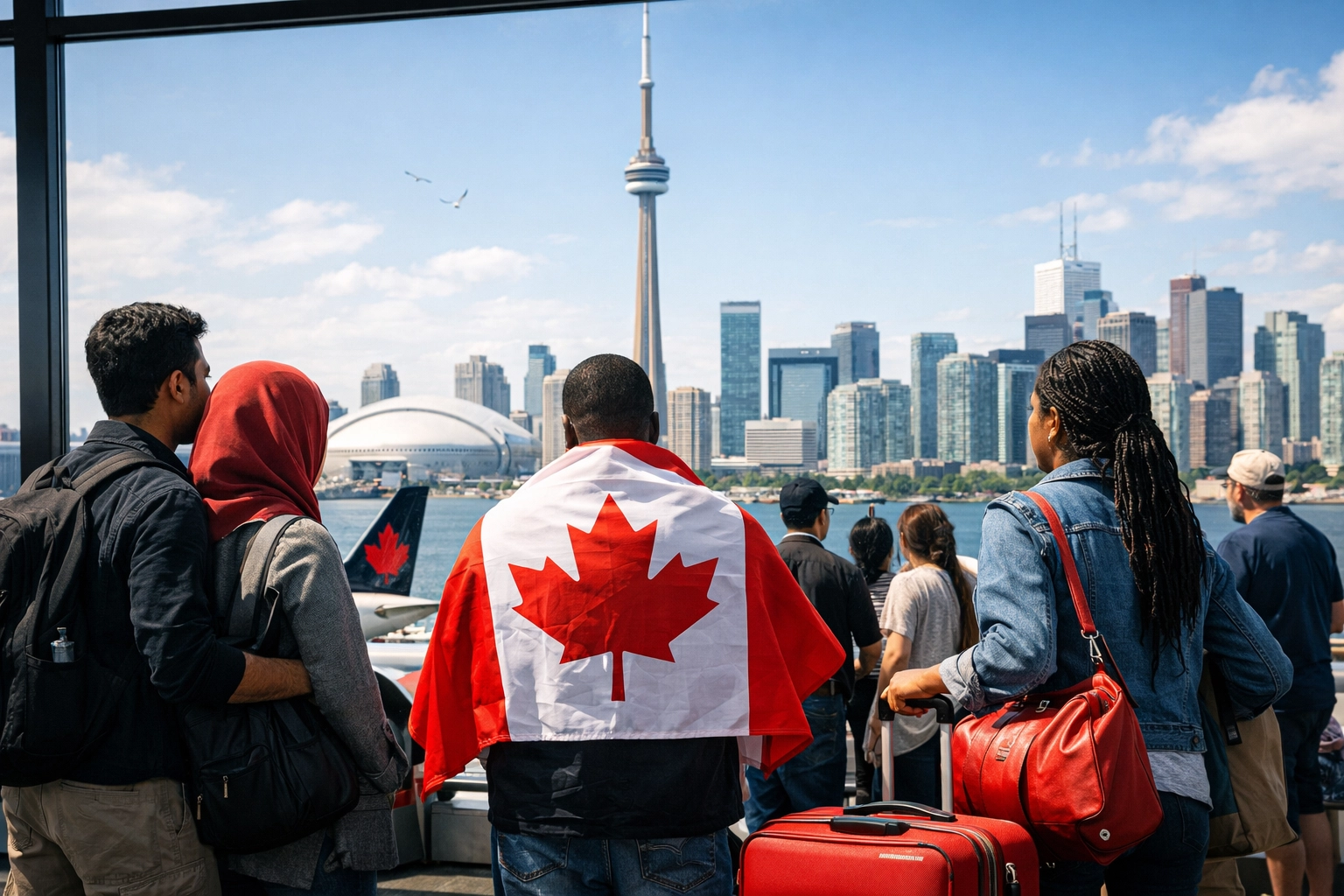
OTTAWA : New demographic projections released this week indicate that Canada is entering a transformative era in its population dynamics. By the end of 2026, the nation is expected to reach a critical threshold where natural increase: the number of births minus the number of deaths: contributes zero to overall population growth.
According to data analyzed on March 10, 2026, Canada’s demographic future now rests almost exclusively on international migration. While the Parliamentary Budget Officer (PBO) and independent economists have previously issued a demographic cliff warning, current figures confirm that an aging population and declining fertility rates have finally converged to neutralize internal growth.

The 2026 Plateau
The PBO’s 2026-2028 Immigration Levels Plan analysis highlights a complex immediate outlook. While immigration remains the primary engine of growth, the total population is projected to remain relatively flat throughout 2026. This stagnation is largely attributed to a significant outflow of non-permanent residents (NPRs) as the federal government continues to implement stricter permit renewals and shifts focus toward permanent residency pathways.
"We are seeing the intersection of two major trends," noted a senior researcher at Statistics Canada. "A shrinking natural birth rate is being met with a deliberate policy shift to stabilize the number of temporary residents." By the end of 2027, the NPR population is expected to fall below 5% of the total population, down from its peak in late 2024.
Economic and Labor Implications
The shift toward total reliance on immigration carries substantial weight for the Canadian economy. With natural increase stalling, industries ranging from healthcare to heavy manufacturing face a shrinking domestic talent pool. To mitigate these gaps, the federal government recently launched a new permanent residency pathway for 33,000 workers aimed specifically at essential sectors.

Economists suggest that without these migratory inflows, Canada’s labor force would begin to contract by the start of the next decade. This reality has fueled ongoing political and social debates regarding immigration and suburban realignment, as new arrivals increasingly settle in suburban secondary markets rather than major metropolitan cores.
Policy and Infrastructure Challenges
The transition to an immigration-only growth model also places sustained pressure on national infrastructure. Federal bodies are currently grappling with the need to align arrival targets with housing availability. Initiatives like the Federal Build Canada Homes program are being monitored closely to see if they can effectively address the supply-demand imbalance.
As natural growth remains at or near zero, the long-term focus for Ottawa remains centered on balancing the necessity of economic expansion via immigration with the logistical realities of housing and service delivery.
