
Housing
Daily Canada Policy Briefing: Finance, Housing, and Economic Developments from March 11

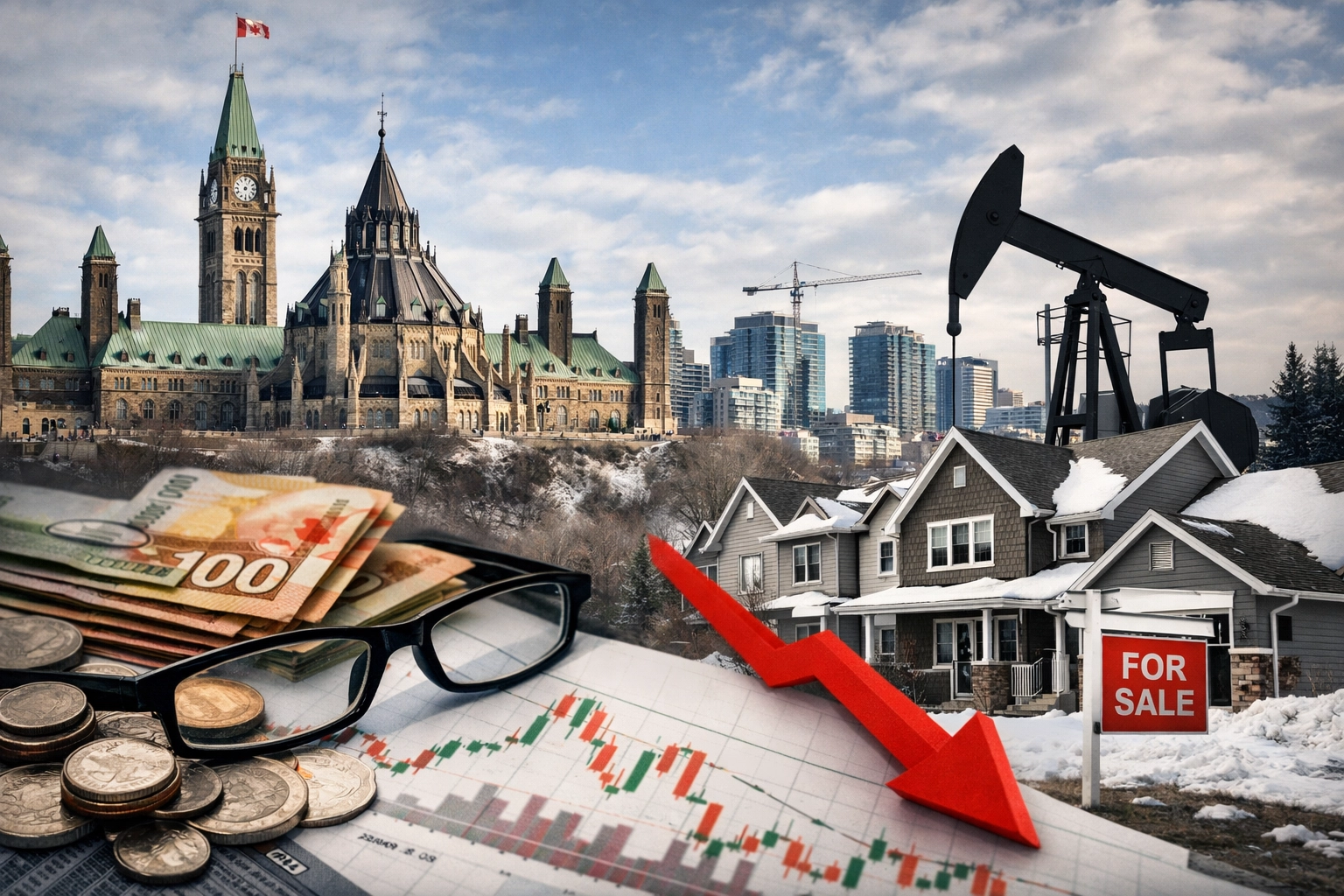
On March 11, 2026, the Canadian policy landscape shifted as the Bank of Canada held its key interest rate steady while the federal government unveiled a multi-billion dollar defense industrial strategy. These developments occurred alongside mounting concerns regarding trade stability with the United States and evolving demographic shifts. From the corridors of the West Block in Ottawa to the municipal offices of Montreal and Vancouver, policymakers are navigating a period of modest growth and structural adjustment. This briefing provides a comprehensive overview of the decisions and data points defining the national agenda.
Daily Policy Summary
Finance: The Bank of Canada maintained its policy interest rate at 2.25%, citing a state of excess supply in the national economy. The central bank indicated that while inflation remains within the target range, the pace of future adjustments will depend on how trade uncertainties and government spending materialize. For more on fiscal policy, visit the Finance category.
Economy: GDP growth is projected at a modest 1.1% for 2026, hampered by soft business investment and concerns over the upcoming CUSMA review. Despite these headwinds, the federal government announced a $900 million investment in drone and aerospace technology as part of a larger $470 billion defense procurement plan.
Housing: Market volatility remains a central concern as OSFI issued warnings to lenders regarding condo appraisal risks in Toronto, while Vancouver reported a 6% decline in average rental prices. The CMHC indicates that while some relief is reaching tenants, structural supply issues continue to impact long-term affordability.
Immigration: Federal budget cuts to Immigration, Refugees and Citizenship Canada (IRCC) are increasing the financial burden on municipal governments, particularly in Montreal, to house asylum seekers. Long-term projections now suggest that immigration-driven growth will be essential to offset the current trend of zero population growth by 2032.
Health & Safety: Emergency repairs to the Bearspaw South Feeder Main in Calgary have triggered mandatory water restrictions, highlighting critical infrastructure vulnerabilities. Concurrently, Environment and Climate Change Canada has issued severe weather warnings for Ontario and Quebec, citing a prolonged freezing rain event.
Finance: Monetary Policy and the PBO Transition
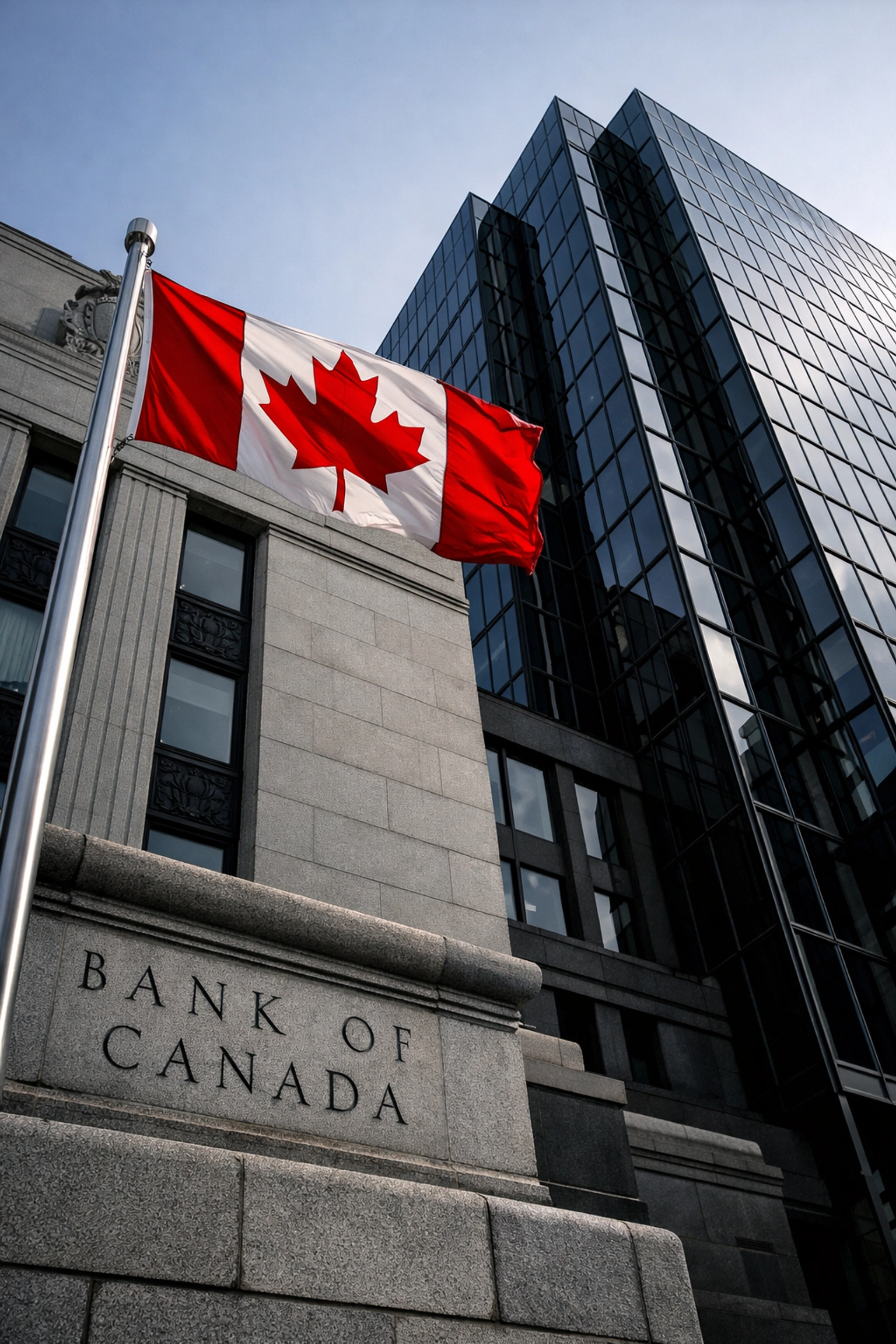
The Bank of Canada’s decision to hold the policy rate at 2.25% reflects a cautious approach to a domestic economy characterized by "excess supply." According to the Governing Council, the current monetary stance is appropriate given the 1.1% GDP growth projection for 2026. Governor Tiff Macklem noted that while government spending is anticipated to support the economy, the full effects of provincial infrastructure projects have yet to be fully realized.
Adding to the complexity of the federal fiscal outlook is the nomination of Annette Ryan as the next Parliamentary Budget Officer (PBO). Ryan, a veteran official from FinTRAC, enters the role at a time of significant political scrutiny. Opposition members have raised questions regarding the independence of the appointment process, arguing for a more transparent transition during a period of high federal deficits. The PBO’s role will be critical as the government moves toward its 2026 budget, which must balance the $470 billion defense commitment with cooling tax revenues.
The Economy: Trade Uncertainty and Industrial Strategy
The Canadian economic outlook is heavily tethered to the 2026 review of the Canada-United States-Mexico Agreement (CUSMA). The Bank of Canada identified this review as a primary downside risk, noting that businesses are hesitant to deploy capital until there is clarity on the North American trading relationship. A potential broadening of U.S. tariffs remains a significant concern for the manufacturing sector in Ontario and the energy sector in Western Canada.
In response to these structural challenges, the federal government has pivoted toward a long-term industrial strategy. The announcement of $900 million in drone and aerospace technology investments is the first phase of a decade-long $470 billion initiative. This plan aims to integrate Canadian tech firms into the global defense supply chain, potentially generating over half a trillion dollars in economic activity by 2036. Analysts suggest this is a strategic move to bolster domestic productivity, which has remained stagnant compared to other G7 nations. Detailed economic reporting can be found at The Canadianist News Economy section.
Housing: Regional Divergence and Regulatory Caution
The Canadian housing market is currently experiencing a notable regional divergence. In Vancouver, an influx of purpose-built rental units has led to a 6% drop in average rents, the first significant decline in several years. However, the Canada Mortgage and Housing Corporation (CMHC) warns that this "cooling" may be temporary as high interest rates continue to deter new housing starts in other major urban centers.
In Toronto, the Office of the Superintendent of Financial Institutions (OSFI) has signaled concern over "blanket appraisals" for high-rise condominiums. As market valuations fluctuate, the regulator is worried that lenders may be exposed to over-leveraged assets. This regulatory pressure is expected to tighten credit availability for new condo developments throughout 2026, further complicating the federal goal of increasing housing supply to meet population demands.

Immigration and the Municipal Strain
The intersection of immigration policy and fiscal austerity is creating friction between federal and municipal governments. The recent cuts to the IRCC budget have shifted the responsibility for asylum seeker housing onto cities like Montreal and Toronto. Municipal leaders argue that they lack the tax base to sustain these social services without sustained federal transfers.
This funding gap comes as Canada enters a demographic transition. Data suggests that without continued immigration, the country could face zero population growth by the early 2030s, which would have dire consequences for the labor market and the sustainability of the Canada Pension Plan. The challenge for policymakers in 2026 is balancing the immediate costs of resettlement against the long-term necessity of demographic expansion.
Health and Public Safety: Infrastructure and Climate
Public safety concerns took center stage on March 11 as Calgary returned to emergency water restrictions. The failure of the Bearspaw South Feeder Main is not merely a utility issue but a public health crisis, as the pipe services 60% of the city’s treated water supply. This infrastructure failure has reignited debates over the "infrastructure deficit" facing Canadian cities, where decades of deferred maintenance are leading to critical service interruptions.
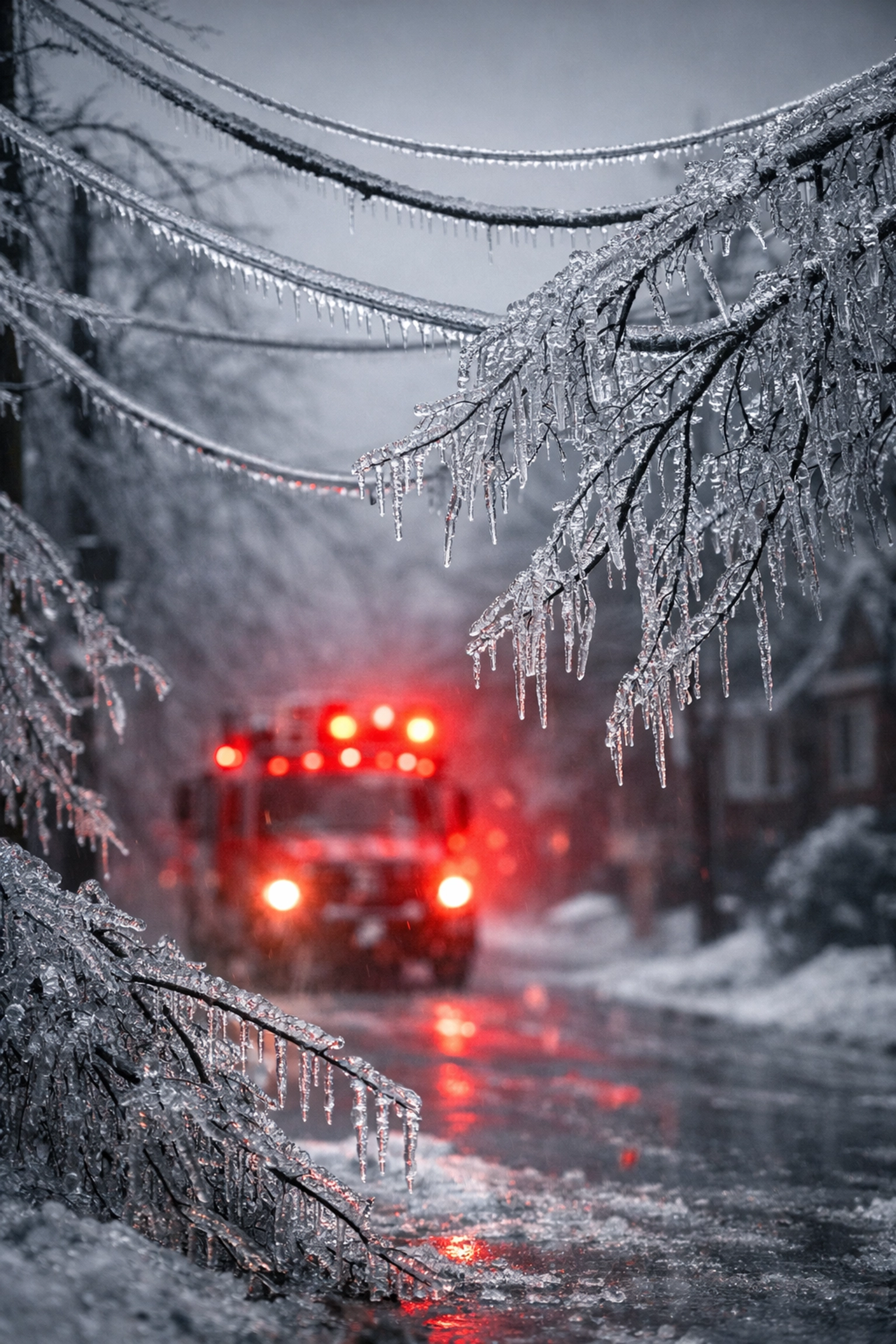
Simultaneously, Environment and Climate Change Canada issued a high-priority warning for a severe freezing rain event. The storm, spanning from Ontario through to Atlantic Canada, is expected to cause widespread power outages and travel disruptions. This event underscores the increasing frequency of extreme weather and the resulting strain on provincial healthcare systems and emergency response units.
Conclusion: A Landscape of Cautious Adjustment
As of March 11, 2026, Canada remains in a period of cautious adjustment. The stabilization of interest rates suggests a level of confidence in the management of inflation, yet the looming CUSMA review and the transition to a defense-oriented industrial strategy indicate a shift in economic priorities.
The policy environment is currently defined by the need to bridge the gap between long-term demographic requirements and immediate fiscal constraints. For a deeper look at the individuals shaping these policies, readers can meet the team or explore the latest news for ongoing updates on these developing stories.
The Canadianist News will continue to monitor the parliamentary response to the PBO nomination and the progression of the freezing rain event throughout the week. For further details on our editorial standards, please see our terms of service.
