

Defence
Defense Boost: Ottawa Fast-Tracks $307M Rifle Upgrade for Troops

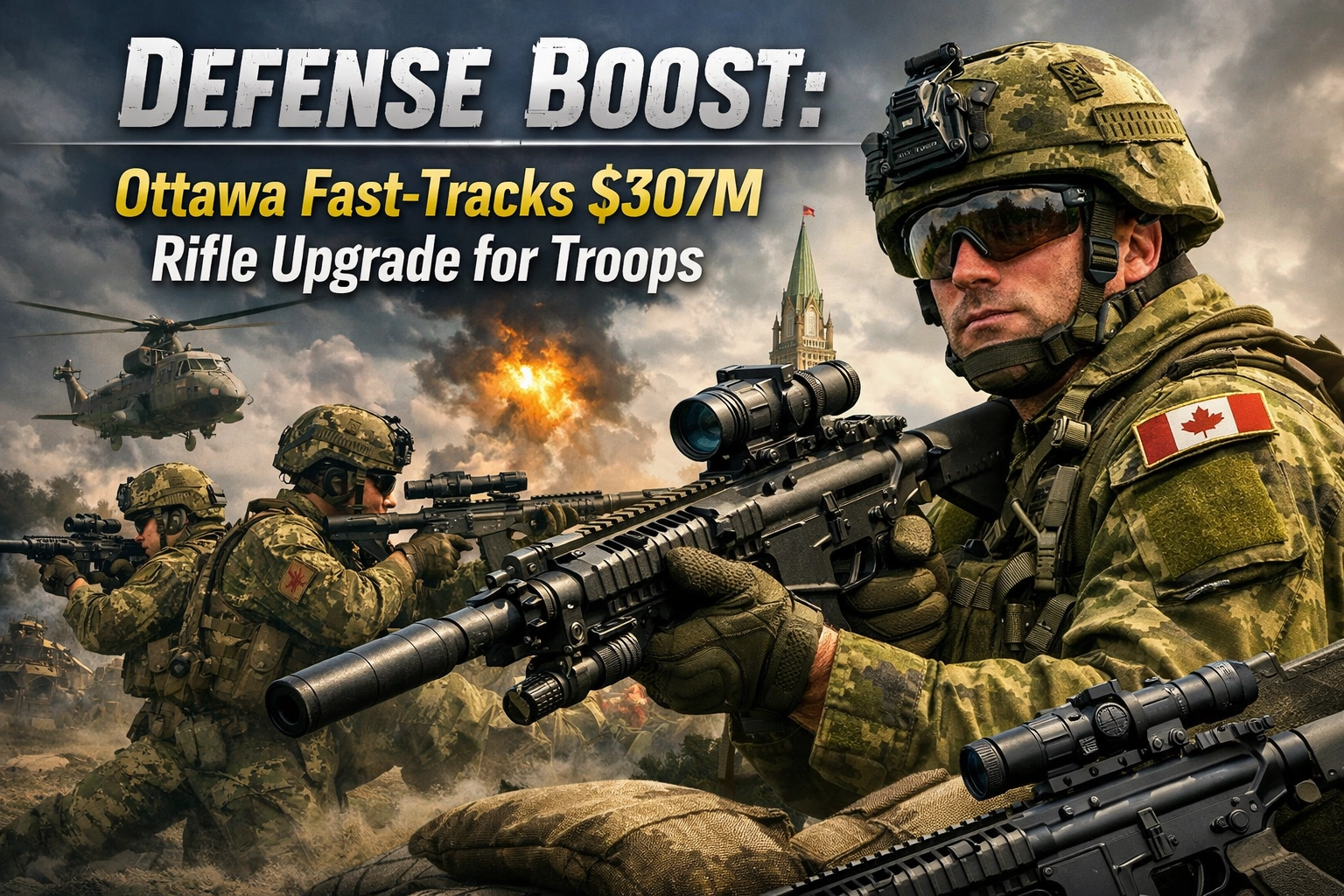
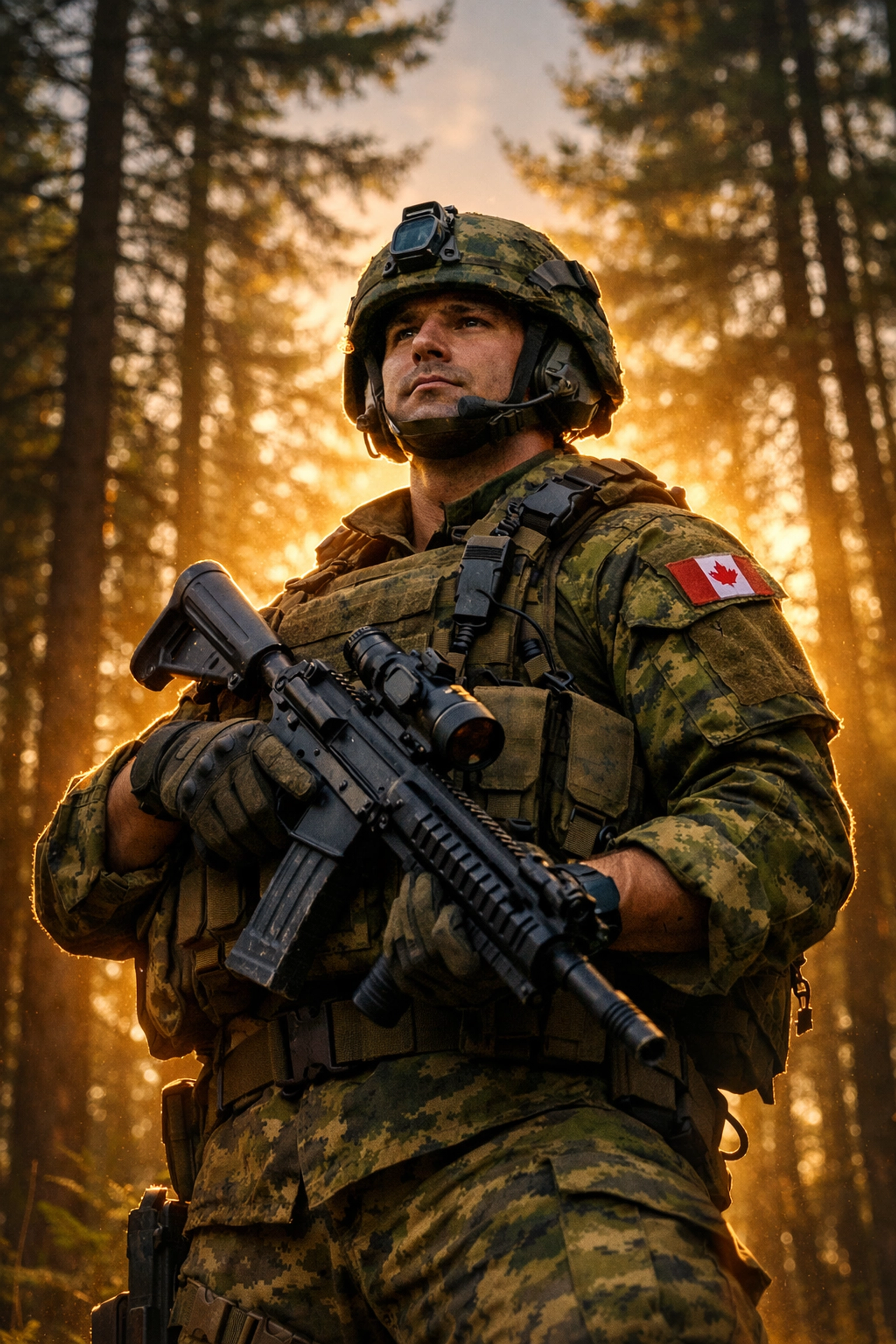
The age of strategic complacency is over. For decades, the Canadian Armed Forces (CAF) operated on the fringes of fiscal priority, managing a slow decline in equipment and capability. That trajectory changed this week. The federal government announced it is fast-tracking a $307 million order for 30,000 new assault rifles. This is not a symbolic gesture. It is a functional necessity for a military that has spent thirty years clinging to hardware from a different era.
The contract, awarded to Colt Canada, targets the core of infantry lethality. The objective is clear: replace the aging C7 and C8 platforms. These weapons have served since the mid-1980s. In the world of modern ballistics and modular warfare, thirty years is an eternity. This move signals a shift in how Ottawa views its defense obligations. It is a pivot from maintenance to modernization.
The Cost of Obsolescence
Small arms are the most basic tool of the soldier. Yet, for years, the CAF has struggled with gear that lacks the modularity required for modern optics, lasers, and suppressors. The C7 and C8 models were reliable for their time, but the time has passed. Reliability is not a static trait; it fades as parts become scarce and designs fall behind the capabilities of peer adversaries.
This $307 million investment is the first phase of a broader procurement strategy. The goal is not just to buy rifles, but to rebuild a baseline of combat effectiveness. The initial order of 30,000 units is designed to get modern tools into the hands of front-line troops immediately.
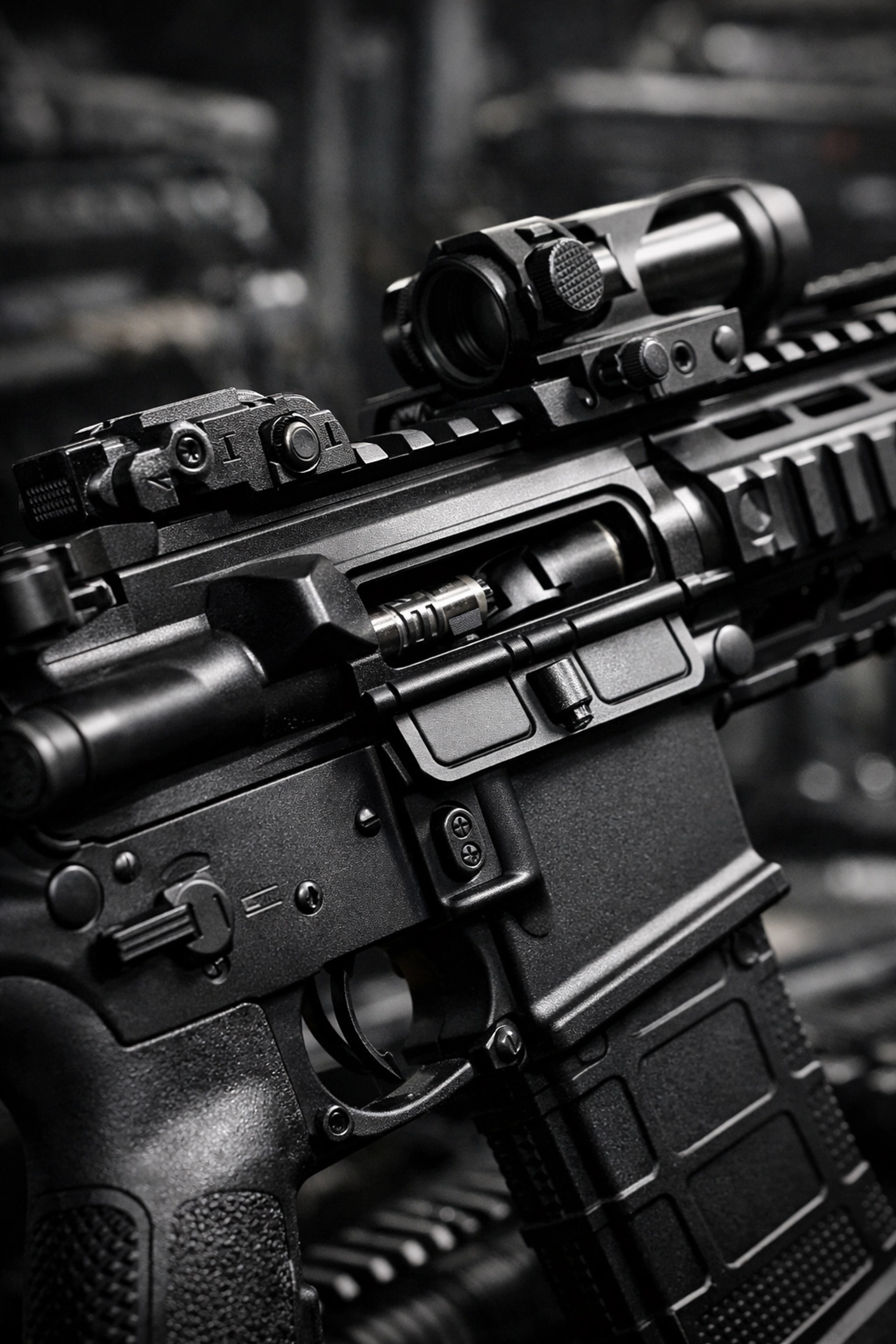
The decision to fast-track is a direct response to a sclerotic procurement system. Traditionally, Canadian defense acquisitions are where good intentions go to die. They are often bogged down by bureaucratic friction and shifting political winds. By bypassing the usual decadal wait times, the government is attempting to demonstrate that it can move at the speed of the threat environment.
A Domestic Industrial Anchor
The choice of Colt Canada, based in Kitchener, Ontario, is a pragmatic one. This is about security of supply. When global tensions rise, international shipping lanes and foreign manufacturing lines become vulnerabilities. Maintaining a domestic small arms capability is a matter of national sovereignty.
The economic ripple effect is measurable. The contract will support approximately 70 high-skilled jobs at the Kitchener facility. For a region that has navigated the ups and downs of the manufacturing sector, this provides a stable, long-term foundation. It is a "not this, but that" scenario: this is not a jobs program masquerading as defense, but a defense program that reinforces the domestic industrial base.
Strategic stability requires a healthy defense ecosystem. By keeping production within the borders, the government ensures that maintenance, spare parts, and future iterations of the platform remain under Canadian control. It is an investment in the institutional foundations of our national security.
The Carney Doctrine: 5% GDP by 2035
The rifle upgrade is a single piece of a much larger fiscal puzzle. Prime Minister Carney has set an ambitious: some would say aggressive: target for defense spending. The goal is to reach 5% of Canada’s GDP by 2035. To put that in perspective, Canada has long struggled to even meet the 2% NATO benchmark.
Moving to 5% represents a fundamental reordering of national priorities. It suggests that the "peace dividend" of the 1990s is officially bankrupt. Why such a drastic increase? The world is no longer a place of predictable stability. The Arctic is melting and becoming a theater of competition. NATO’s eastern flank is under pressure. Interoperability with our closest allies, particularly the United States, requires a level of technological parity that we currently lack.
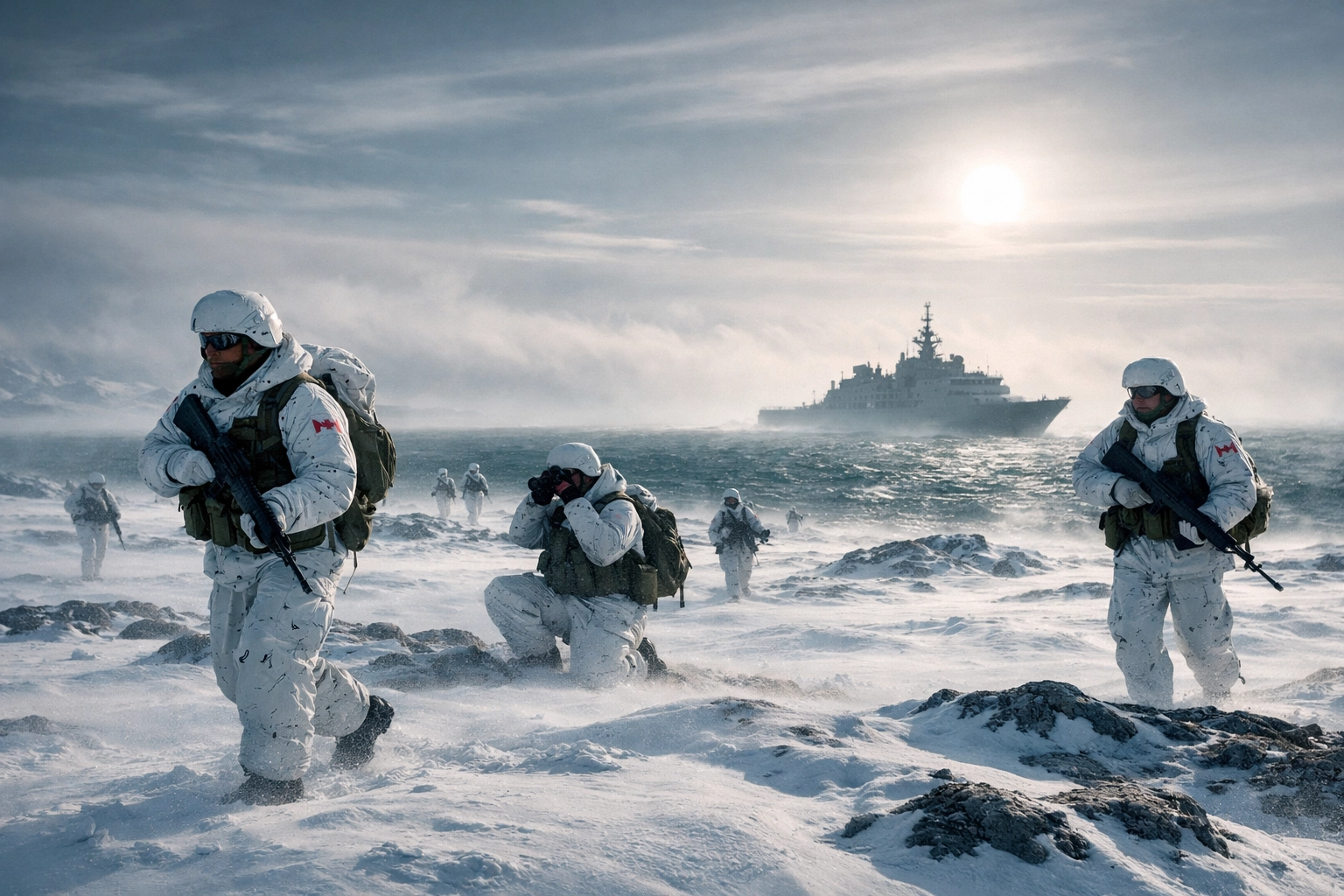
Critics will point to the price tag. $307 million for rifles is a significant sum, and 5% of GDP is a massive fiscal commitment. However, the analysis must focus on the cost of inaction. A military that cannot arm its troops with modern equipment is a military that cannot fulfill its mandate. It becomes a hollow force: a diplomatic prop rather than a credible deterrent.
Systemic Friction and the Path Forward
Fast-tracking 30,000 rifles is an important step, but it is only a start. The total requirement for the CAF exceeds 65,000 units. The challenge will be maintaining this momentum across other sectors of the military. From naval frigates to fighter jets, the "slow narrowing" of our capabilities has been a systemic issue for decades.
The friction in the system is not just about money; it is about mindset. For too long, the default option was to delay. Delaying a purchase was seen as a fiscal win in the short term, even if it led to a capability gap in the long term. PM Carney’s administration appears to be rejecting this binary. The new message is one of disciplined urgency.
Is this enough to restore international confidence in Canada’s defense posture? Perhaps not on its own. But it serves as a credible signal. It shows that Ottawa is willing to put capital behind its rhetoric. When our allies look at the Canadian contribution, they are increasingly looking for hardware, not just handshakes.
The Global Context: Interoperability and Alliances
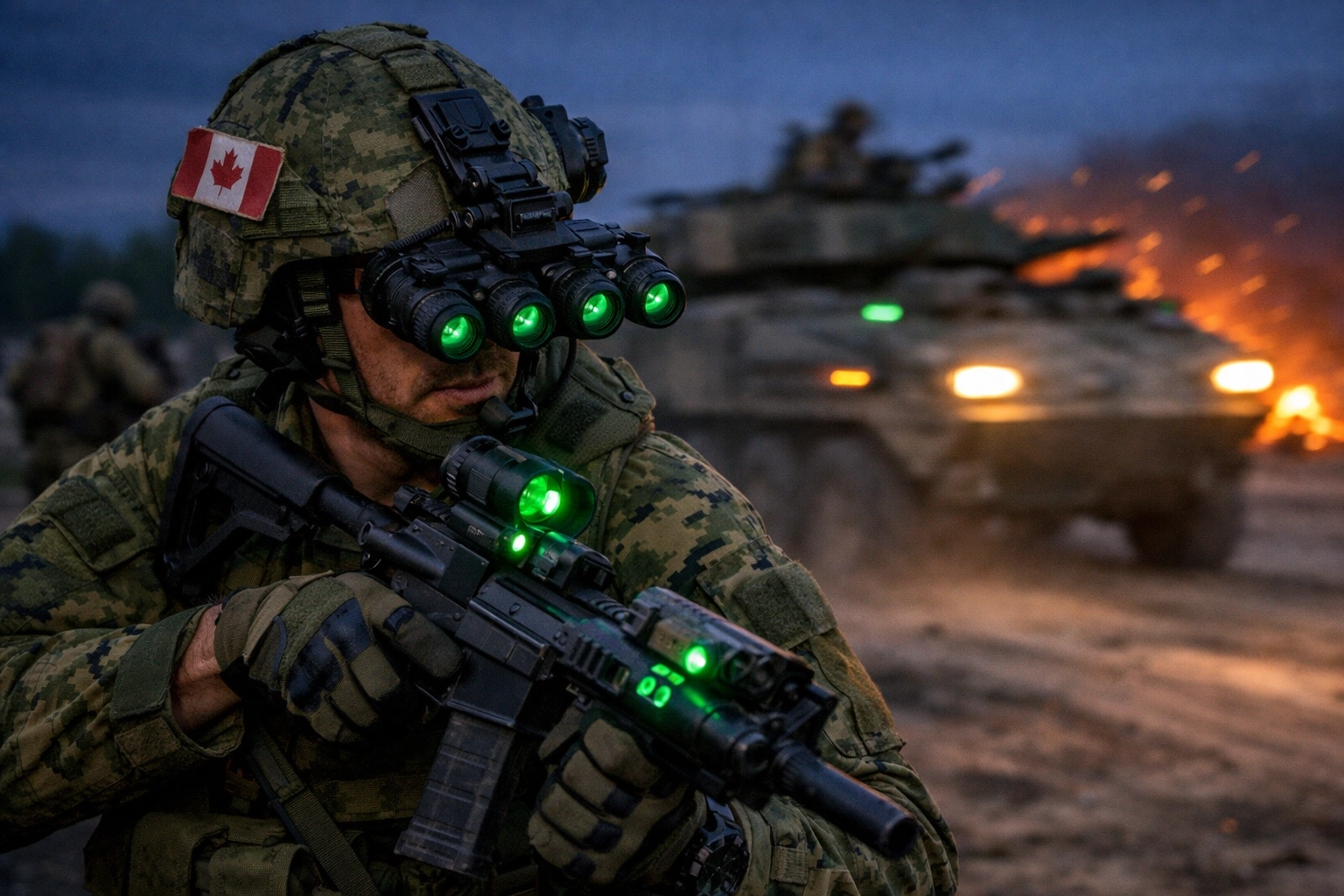
The new rifles are expected to offer improved accuracy, reduced weight, and better ergonomics. These aren't just "nice-to-haves." In a high-intensity conflict, these factors determine the survivability of the individual soldier. Furthermore, these systems are designed to be fully compatible with the equipment used by our NATO partners.
Interoperability is the "default option" for a medium power like Canada. We rarely operate alone. Whether it is a peacekeeping mission or a high-end combat operation, our troops must be able to share ammunition, parts, and tactical data with allies. The C7/C8 era was defined by a specific set of standards. The new platform will be defined by the digital integration required for the 21st-century battlefield.
The fast-tracking of this order also serves a psychological purpose within the ranks. Soldier morale is tied to the tools provided. When troops are forced to use gear that is older than they are, it sends a message about their value to the state. Replacing 30-year-old rifles is a way of reinvesting in the human capital of the CAF.
A Pragmatic Pivot
The latest news from Ottawa suggests a government that is finally coming to terms with the reality of the global security environment. The $307 million deal with Colt Canada is a practical, sober response to a long-standing deficit.
It is easy to get lost in the partisan noise of defense spending. Some will argue it is too much; others will argue it is too little, too late. An analytical view suggests it is a necessary course correction. The "mushy" middle of defense policy: where we try to do everything with nothing: is being replaced by a more focused, albeit expensive, strategy.
The success of this initiative will be measured not by the announcement, but by the delivery. Can the system actually get these rifles into the hands of soldiers by the promised dates? Can Colt Canada scale up production without compromising quality? These are the functional questions that will determine if this is a true turning point or just another high-priced press release.
Conclusion: The So-What Factor
So, what does this mean for the average Canadian? It means the bill for decades of underinvestment is finally coming due. The $307 million for rifles is a down payment on a much larger invoice. As we move toward the 5% GDP target by 2035, the national conversation will have to shift. We are moving from a nation that views defense as an optional expense to one that sees it as a fundamental pillar of statehood.
The upgrade of the CAF’s small arms is a signal of institutional health. It shows a system capable of identifying a flaw and moving to fix it with a sense of gravity. In an increasingly unstable world, stability starts with the basics. For the Canadian soldier, that means a modern rifle. For the Canadian public, it means a military that is actually prepared to do the job we ask of it.
The path to 2035 is long, and the fiscal hurdles are high. But this week, the government decided that standing still was no longer an option. The choice was between managed decline and active modernization. They chose the latter.
To learn more about the team covering these developments, visit our Meet the Team page or explore more political analysis on our site.
