
National | Economy
Economy Brief: Ottawa and Alberta Reach Landmark Energy Review Agreement

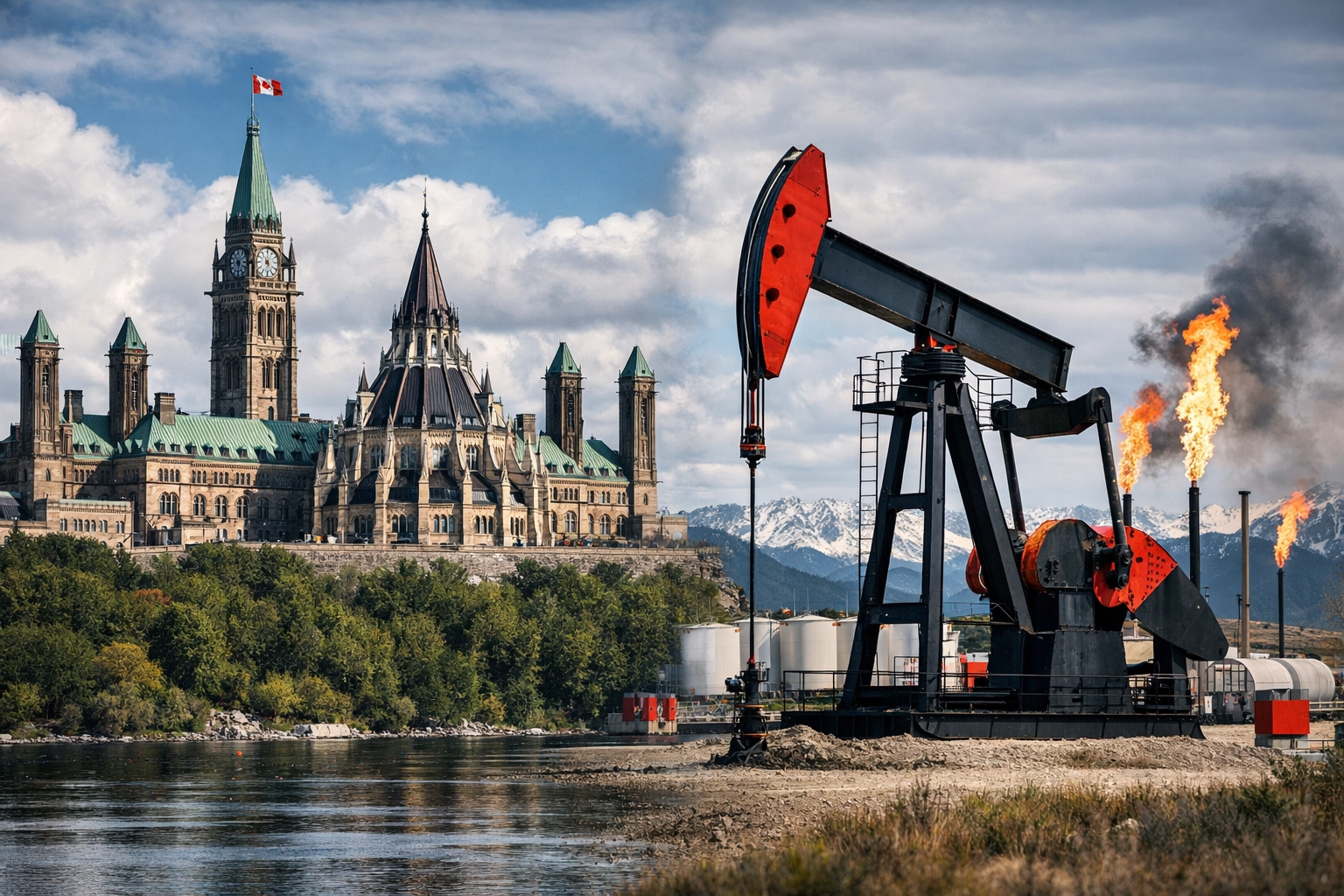
OTTAWA and EDMONTON — The federal government and the Government of Alberta say they have reached an agreement-in-principle to streamline environmental and impact assessments for major energy projects, laying out a proposed “one project, one review” approach that would reduce duplication between provincial and federal processes.
In a joint statement dated March 6, 2026, the two governments said they have drafted a “Co-operation Agreement” that would, in many cases, see Ottawa rely on Alberta’s regulatory findings as the primary assessment for projects located entirely within the province and falling mainly under provincial jurisdiction. The draft is being released for public comment, and its terms could change before it is finalized.
The proposed framework is intended to address long-running disputes over how major projects are assessed under Canada’s Impact Assessment Act, while providing what both governments describe as a more predictable approval pathway for large, capital-intensive energy and infrastructure investments. Uncertainty around review timelines has been cited by industry in previous years as a factor that can influence investment decisions, particularly for multi-billion-dollar projects with long development horizons.
Under the draft arrangement, federal officials would accept Alberta’s environmental and impact assessment process for a range of major projects within Alberta, including power generation facilities, electricity transmission expansions, and certain rail and pipeline developments that do not cross provincial or international boundaries. The agreement also contemplates the use of “substitution,” a legal mechanism that allows the federal Minister of Environment and Climate Change to substitute a provincial review for a federal one, provided the provincial process meets federal legal requirements.
The governments said federal authority would remain for projects that involve federal lands, Indigenous territories, or cross-border jurisdictions, including interprovincial pipelines and international power lines. For those projects, Ottawa would continue to participate directly, with the stated aim of creating a single “window” for proponents through coordinated processes or joint panels.

A public consultation period began on March 6 and is scheduled to run until March 27, 2026. The governments said stakeholders, Indigenous communities, and members of the public can submit feedback during that period. Prime Minister Mark Carney has described the agreement-in-principle as the first of five agreements expected under a broader Canada–Alberta partnership, with Ottawa setting April 1, 2026 as a target date to finalize the full package. Areas cited for subsequent agreements include carbon capture incentives, methane regulations, and clean electricity standards.
The agreement builds on a memorandum of understanding signed in November 2025, which outlined a shared objective of strengthening energy collaboration while pursuing net-zero emissions by 2050. Alberta Premier Danielle Smith said the agreement would “restore the balance” in federal–provincial relations, arguing the province is best positioned to lead approvals for projects within its borders. The federal government has framed the initiative as part of a broader effort to improve Canada’s competitiveness and investment climate while maintaining environmental standards.
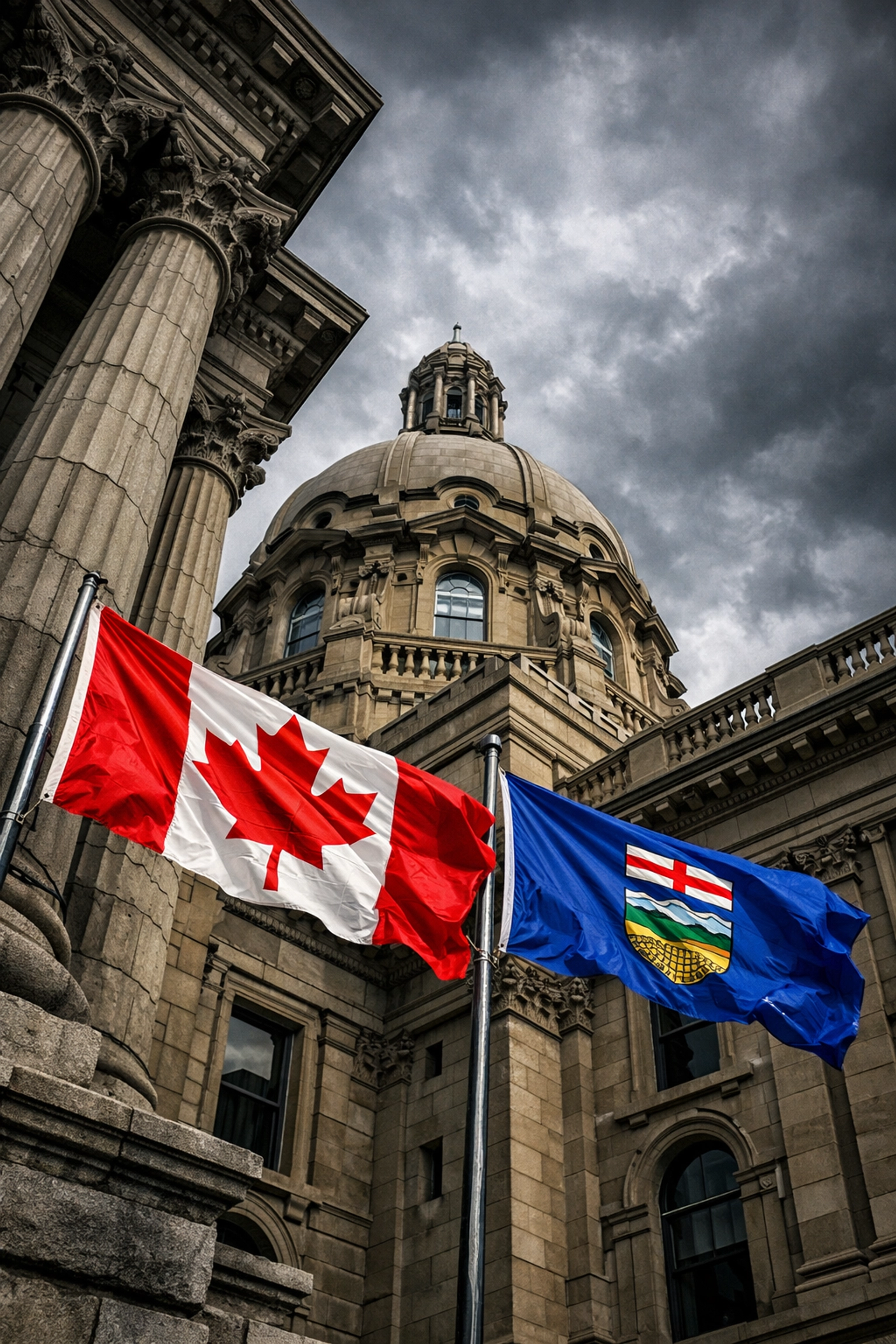
The draft agreement focuses on major infrastructure reviews, including power generation projects, transmission grid developments, and some pipelines, rail, and resource projects that can trigger federal assessment requirements. The economic implications are significant for Alberta and for Canada more broadly, given the province’s role as a major contributor to national output and the scale of investment tied to energy production, exports, and emerging technologies such as hydrogen and geothermal development.
The proposal has drawn cautious support from parts of the energy sector, while some environmental organizations have raised concerns about whether a single review could reduce scrutiny. Government officials have said the agreement includes “equivalent outcome” language intended to ensure federal environmental obligations are met even when assessments are conducted through the provincial system. Indigenous consultation remains a central consideration, with the federal government maintaining that its constitutional duty to consult cannot be fully delegated, particularly where treaty rights and traditional territories may be affected.

The draft Co-operation Agreement remains subject to revision following the consultation period ending March 27, and the final structure of any “one project, one review” process will depend on how the two governments implement federal participation for projects that engage federal jurisdiction.