
Economy
Economy Portfolio: Food Prices Forecasted to Rise 4-6% in 2026

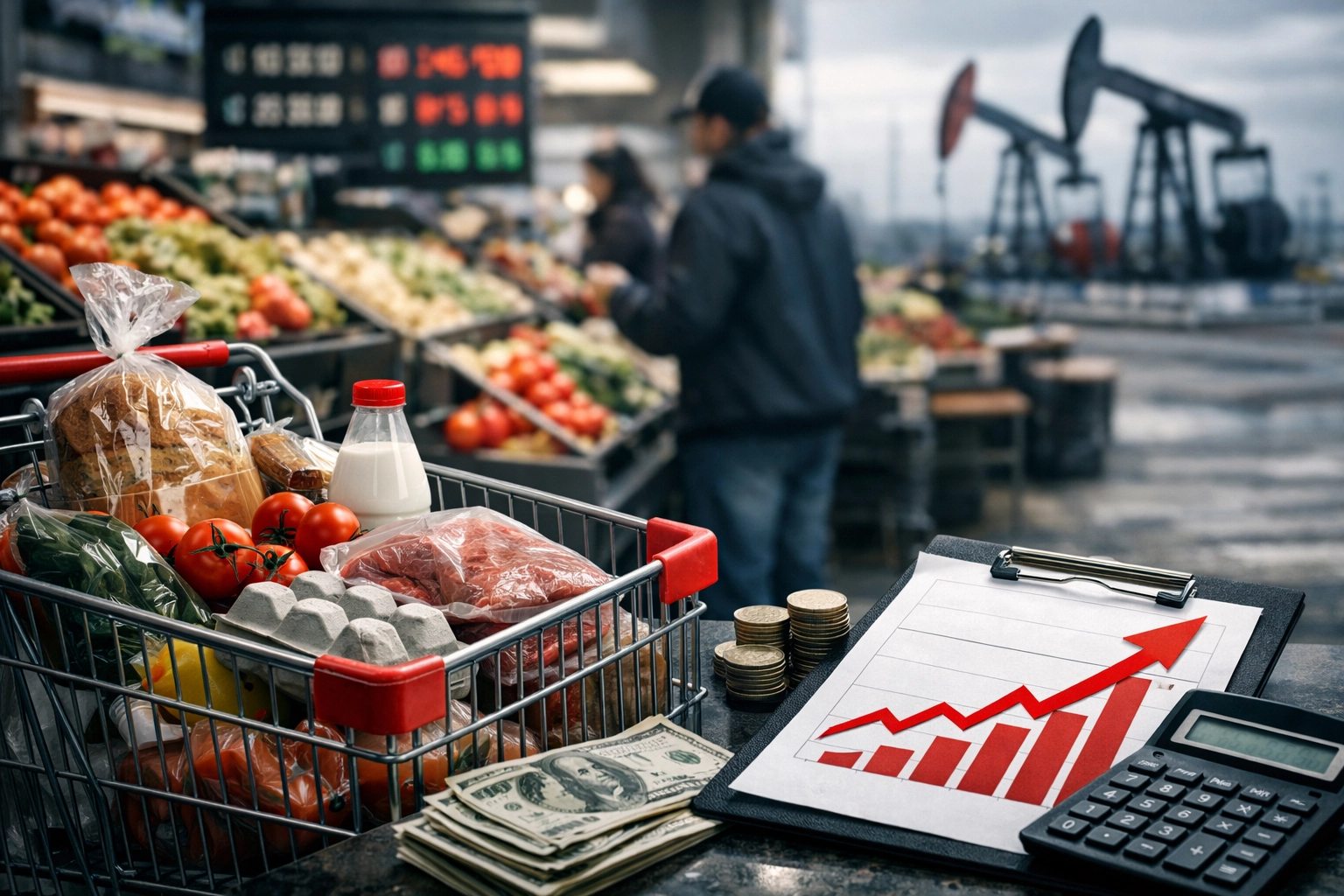
Statistics Canada has released its comprehensive food price outlook for 2026, forecasting an overall increase of 4% to 6% across the grocery sector. This projection indicates a shift from the relative stabilization seen in late 2025, suggesting that Canadian consumers will face sustained inflationary pressure throughout the coming year. The report attributes the anticipated rise to a confluence of international trade shifts, volatile climate events affecting key growing regions, and internal logistical costs.
The federal data suggests that while the broader Consumer Price Index (CPI) has shown signs of moderation in other sectors, the volatility of the food supply chain remains a primary concern for national economic stability. Analysts at Statistics Canada noted that the 4-6% range reflects both the rising cost of imported goods and the increased overhead for domestic production, including energy and labor costs.
Primary Drivers of the 2026 Forecast
The forecasted increase is largely driven by external factors that remain outside the immediate control of domestic producers. Chief among these are significant shifts in international trade policy. As global markets adjust to new trade agreements and geopolitical realignments, the cost of importing essential ingredients and out-of-season produce has risen.
Recent reports on tariffs and turbines highlight how changing trade relations with the United States and other major partners have introduced new complexities into the supply chain. These shifts often result in higher landing costs for goods, which are eventually passed down to the consumer at the retail level.
Climate events also play a critical role in the 2026 projections. Statistics Canada highlighted that extreme weather patterns in the preceding 24 months: including droughts in the Prairies and unseasonable flooding in international agricultural hubs: have depleted global reserves of certain grains and produce. These shortages create a ripple effect, driving up prices for livestock feed and processed goods alike.

Commodity Breakdown: Winners and Losers at the Checkout
While the aggregate forecast sits between 4% and 6%, the impact is not uniform across all food categories. According to comparative data from the USDA and Canadian market analysts, certain sectors are expected to see much sharper spikes, while others may provide slight relief to the household budget.
Sugar and Confectionery
One of the most significant jumps is expected in sugar and sweets, with projections suggesting a rise of up to 6.7%. This is attributed to global supply chain disruptions and the rising cost of raw materials in major exporting nations. For Canadian food processors, these higher input costs are expected to translate into higher prices for baked goods and shelf-stable snacks.
Beverages and Coffee
Non-alcoholic beverages are forecasted to increase by approximately 5.2%. Market analysts point to the rising costs of coffee beans and citrus fruits as the primary culprits. Logistics and transportation costs for liquid goods, which are heavy and expensive to move, also contribute to this specific inflationary trend.
Proteins and Meats
The forecast for beef and veal remains high, with a predicted 5.5% increase. Although this is a marked improvement from the double-digit inflation recorded in late 2025, the livestock sector continues to grapple with high feed costs and the lingering effects of herd reductions during previous drought years. Conversely, the poultry and dairy sectors, which operate under supply management systems, are expected to see more controlled, though still upward, price adjustments in line with rising production quotas and input costs.
Potential Relief: Eggs and Fresh Produce
In a rare downward trend, egg prices are expected to stabilize or even decrease as the industry recovers from the avian influenza outbreaks that hampered production in previous years. Additionally, fresh vegetables are expected to see a more modest rise of 1.4%, provided that domestic growing seasons remain favorable and trade routes for imported greens remain unobstructed.
The Intersection of Household Debt and Grocery Costs
The 4-6% increase in food prices arrives at a time when Canadian household finances are already under significant strain. Recent data indicates that Canadian household debt has hit record highs, leaving many families with limited discretionary income to absorb higher grocery bills.
Economic analysts suggest that as a larger percentage of household income is diverted toward debt servicing and housing, the elasticity of demand for food begins to tighten. This often leads to "trading down," where consumers shift from premium brands and fresh proteins to more affordable, processed alternatives. Statistics Canada’s report suggests that this shift in consumer behavior may impact the profitability of high-end retail environments while increasing volume for discount grocers.

Government Mitigation and Policy Response
In response to the Statistics Canada forecast, the federal government has maintained that existing and upcoming measures are designed to mitigate the impact on the average household. These measures focus on a combination of tax adjustments and the expansion of social programs.
Tax Adjustments and Rebates
The government has pointed to targeted tax credits as a primary tool for relief. By adjusting the thresholds for certain rebates, the administration aims to return a portion of the inflationary costs to low- and middle-income families. While these rebates do not lower the price at the shelf, they are intended to provide the liquidity necessary to maintain food security.
Social Programs and Food Security
There has been an increased focus on funding for school nutrition programs and community food banks. As the "grocery gap" widens, the government has allocated additional resources to ensure that vulnerable populations have access to basic nutrition. This includes streamlining the logistics of food distribution and providing grants to regional agricultural cooperatives to encourage local production.
Critics of the current approach often point to the complexity of the North American auto dream and the broader industrial strategy as factors that indirectly affect food prices through fuel and transportation costs. The government, however, maintains that its balanced approach to trade and domestic social policy is the most effective way to navigate the 2026 economic landscape.
Comparative Outlook: Canada vs. the United States
When compared to international peers, Canada’s 4-6% forecast is slightly higher than the 2.3-2.5% "food-at-home" increase predicted by the USDA for the United States. This discrepancy is attributed to several factors unique to the Canadian market:
- Currency Fluctuations: A weaker Canadian dollar relative to the U.S. dollar increases the cost of imported produce, particularly during the winter months.
- Transportation Logistics: Canada’s vast geography and lower population density lead to higher per-unit transportation costs, which are sensitive to fluctuations in fuel prices and carbon pricing mechanisms.
- Trade Pivots: While some sectors have seen a canola comeback through successful trade pivots, other areas of the agricultural sector are still adjusting to new export-import dynamics that have increased the cost of doing business.

Long-Term Agricultural Resilience
Looking beyond 2026, the agricultural sector is focusing on long-term resilience to combat the factors driving these price increases. Investments in "smart farming" technology, vertical integration, and climate-resistant crop varieties are being prioritized by both the private sector and government agencies.
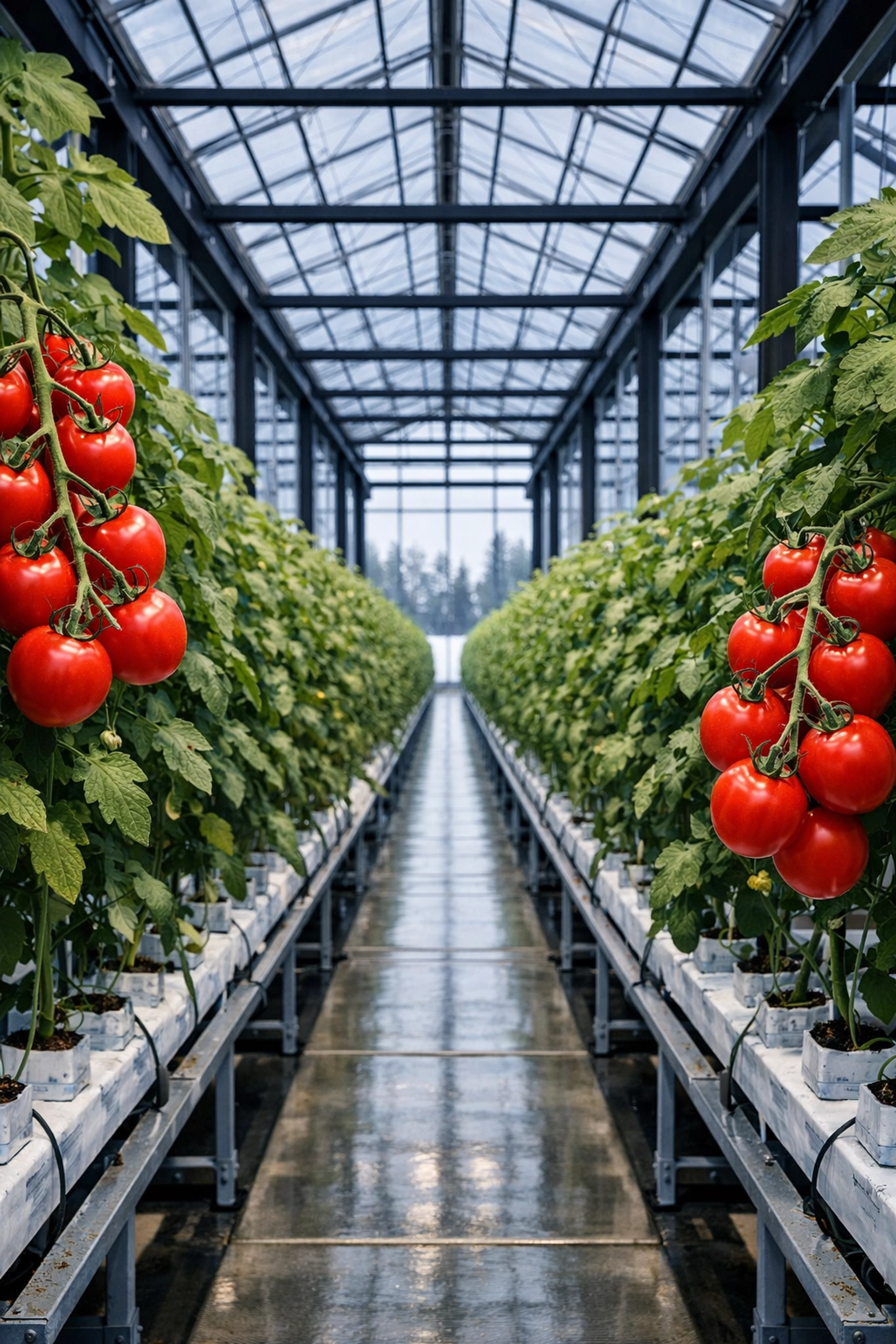
The goal is to reduce Canada’s reliance on volatile international markets for certain produce categories. By extending the domestic growing season through greenhouse technology and improved storage solutions, the industry hopes to flatten the seasonal price spikes that currently contribute to the 4-6% annual increase.
Conclusion of the 2026 Forecast
The Statistics Canada report serves as a formal indicator of the economic headwinds facing the grocery sector in 2026. While the forecasted 4-6% rise is significant, it reflects a complex global environment where trade, climate, and debt intersect. The government’s reliance on social programs and tax adjustments remains the primary strategy for managing these costs at the household level, even as structural shifts in the global economy continue to exert pressure on the Canadian food supply chain.
For further information on economic trends and national policy, readers can consult the latest news or explore the business category for in-depth analysis of market shifts.