
National | Health
Health Update: Federal Government Scales Back Health Coverage for Asylum Seekers

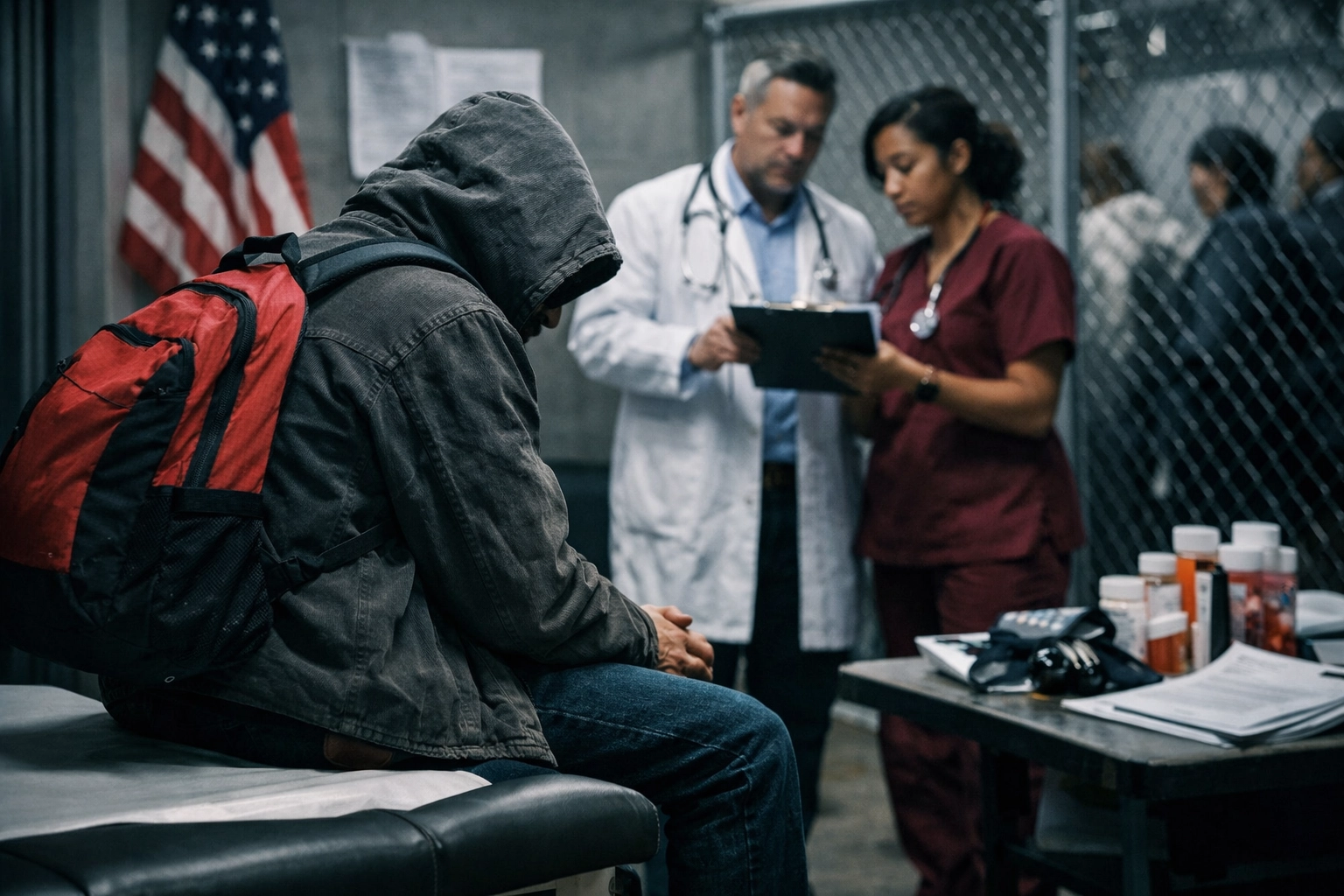
OTTAWA : The federal government has announced a significant restructuring of the Interim Federal Health Program (IFHP), marking a major shift in how healthcare services are administered to asylum seekers and refugees within Canada. Effective immediately, the Department of Immigration, Refugees and Citizenship Canada (IRCC) will introduce a series of cost-sharing measures, including copayments for prescription drugs and dental services, as part of a broader federal effort toward budget austerity.
The decision comes amid a tightening fiscal environment where the federal treasury is seeking to find efficiencies across all departments. For decades, the IFHP has provided temporary health insurance to protected persons, refugee claimants, and certain other groups who are not yet eligible for provincial or territorial health insurance. Today’s announcement represents the most substantial change to the program’s funding model since the mid-2010s.
Restructuring the Interim Federal Health Program
The core of the new policy involves the introduction of a mandatory copayment system. Under the previous framework, most eligible recipients under the IFHP received full coverage for essential prescription medications and emergency dental work without out-of-pocket costs. According to the updated guidelines released by the federal government, beneficiaries will now be required to pay a portion of the costs for these services at the point of care.
While the exact percentage of the copayment varies depending on the classification of the medication or the complexity of the dental procedure, government officials state the move is designed to bring the program more in line with the various provincial drug plans offered to low-income Canadians.
"This adjustment ensures the sustainability of the program while maintaining a safety net for those in transition," a departmental spokesperson said during a technical briefing on Monday morning. "By aligning our coverage more closely with provincial standards, we are creating a more consistent experience for newcomers as they integrate into the Canadian healthcare landscape."
A Shift Toward Fiscal Austerity
The reduction in benefits is situated within a wider context of federal spending reviews. As the 2026 fiscal year begins, the Ministry of Finance has signaled a commitment to reducing the national deficit, which has led to scrutiny of non-statutory programs. The IFHP, which saw its budget expand significantly over the last three years due to an increase in the volume of asylum claims, was identified as a primary area for cost containment.
Internal projections suggest that the introduction of copayments and the narrowing of eligible dental procedures will save the federal government approximately $215 million over the next 24 months. These savings are expected to be redirected toward processing backlogs within the immigration system, which remains a high priority for the current administration.
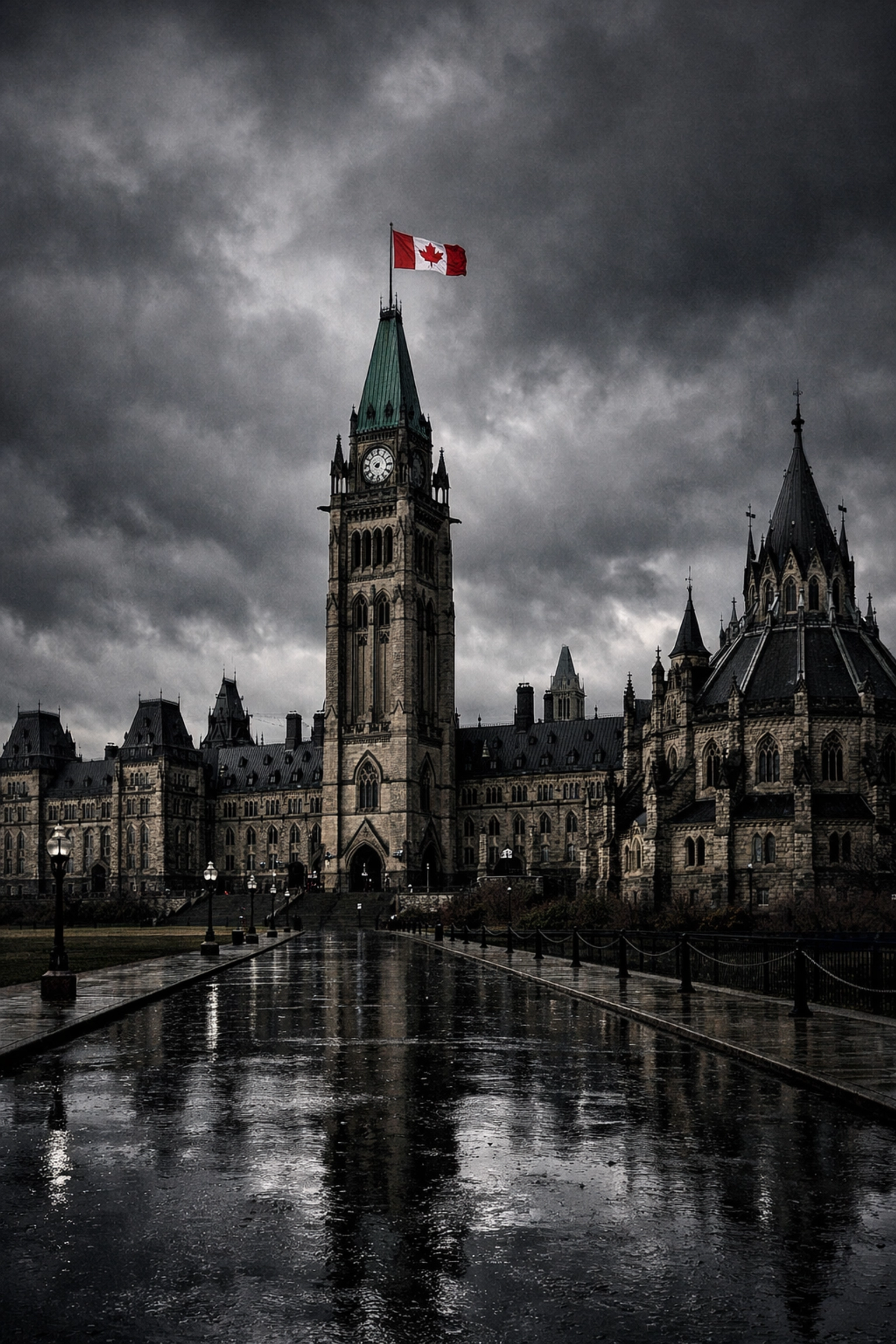
For more information on the broader economic landscape influencing these decisions, readers can visit our Economy category.
Impact on Prescription Drug Coverage
Under the new rules, the IFHP prescription drug plan will now feature a tiered formulary. Essential life-saving medications, such as insulin and certain cardiac medications, will remain fully covered. However, common prescriptions: including various antibiotics, mental health medications, and chronic pain management drugs: will now require a flat copayment of $10 to $25 per fill.
Pharmacy associations across the country have expressed concern regarding the administrative burden this places on providers. Pharmacists will now be responsible for collecting these payments from a population that frequently arrives in Canada with limited financial resources. There are also questions regarding whether this policy will lead to a decrease in medication adherence among vulnerable populations, potentially leading to more expensive emergency room visits in the long term.
Changes to Dental Services
Dental coverage, which has historically been limited to "emergency" or "essential" care under the IFHP, is also seeing a reduction in scope. The new policy limits the types of extractions and fillings covered by the federal government. Furthermore, any dental work deemed "restorative" or "preventative" will now require significant prior authorization and a 30% copayment from the patient.
Healthcare advocates argue that by limiting preventative dental care, the government may inadvertently increase the burden on provincial hospitals. When dental issues are left untreated due to cost barriers, they often escalate into severe infections that require surgical intervention in a hospital setting: costs that are typically borne by the provinces rather than the federal government.
The Historical Context of IFHP Adjustments
The Interim Federal Health Program has long been a subject of political and legal debate in Canada. In 2012, the then-government introduced deep cuts to the program, which were later challenged in the Federal Court. The court eventually ruled that the cuts constituted "cruel and unusual treatment" under the Canadian Charter of Rights and Freedoms, leading to a full restoration of benefits in 2016.
The current administration maintains that these 2026 changes are distinct from the 2012 cuts. While the 2012 policy removed coverage entirely for certain groups, the new policy maintains basic coverage while introducing a cost-sharing model. Government legal advisors have indicated that as long as "essential" care remains accessible, the introduction of copayments is legally defensible and consistent with the Canada Health Act.

Provincial and Territorial Reactions
The announcement has already sparked a reaction from provincial health ministers. Because health delivery is a provincial responsibility, any reduction in federal support for asylum seekers often results in "cost-shifting" to the provinces.
In Ontario and Quebec, where the majority of asylum seekers currently reside, officials are reviewing the new federal guidelines to determine the impact on provincial community health centers. If asylum seekers cannot afford the new copayments, they may seek care at these centers, which are already facing significant budgetary pressures and long wait times.
"The federal government manages the borders and the immigration process," noted a provincial health official who requested anonymity. "When they scale back health benefits for the people they have allowed into the country, the provinces are the ones who have to manage the fallout in our clinics and emergency rooms."
For those following the political developments surrounding this issue, more details can be found in our National section.
Potential Impact on Public Health
Public health experts are also weighing the implications of these changes. One of the primary functions of the IFHP is to ensure that newcomers receive early screening and treatment for communicable diseases. By introducing financial barriers to prescription drugs, there is a risk that some individuals may delay seeking treatment for conditions that could pose a broader public health risk.
While the government has stated that medications related to public health concerns: such as those for tuberculosis or HIV: will remain fully covered, health practitioners warn that the complexity of the new system may deter people from seeking help altogether. The "news-read" on this shift suggests a move toward a "user-pay" model that aligns with broader North American trends, though it remains a point of contention among those who view healthcare as a universal right within Canada.
Future Outlook and Timeline
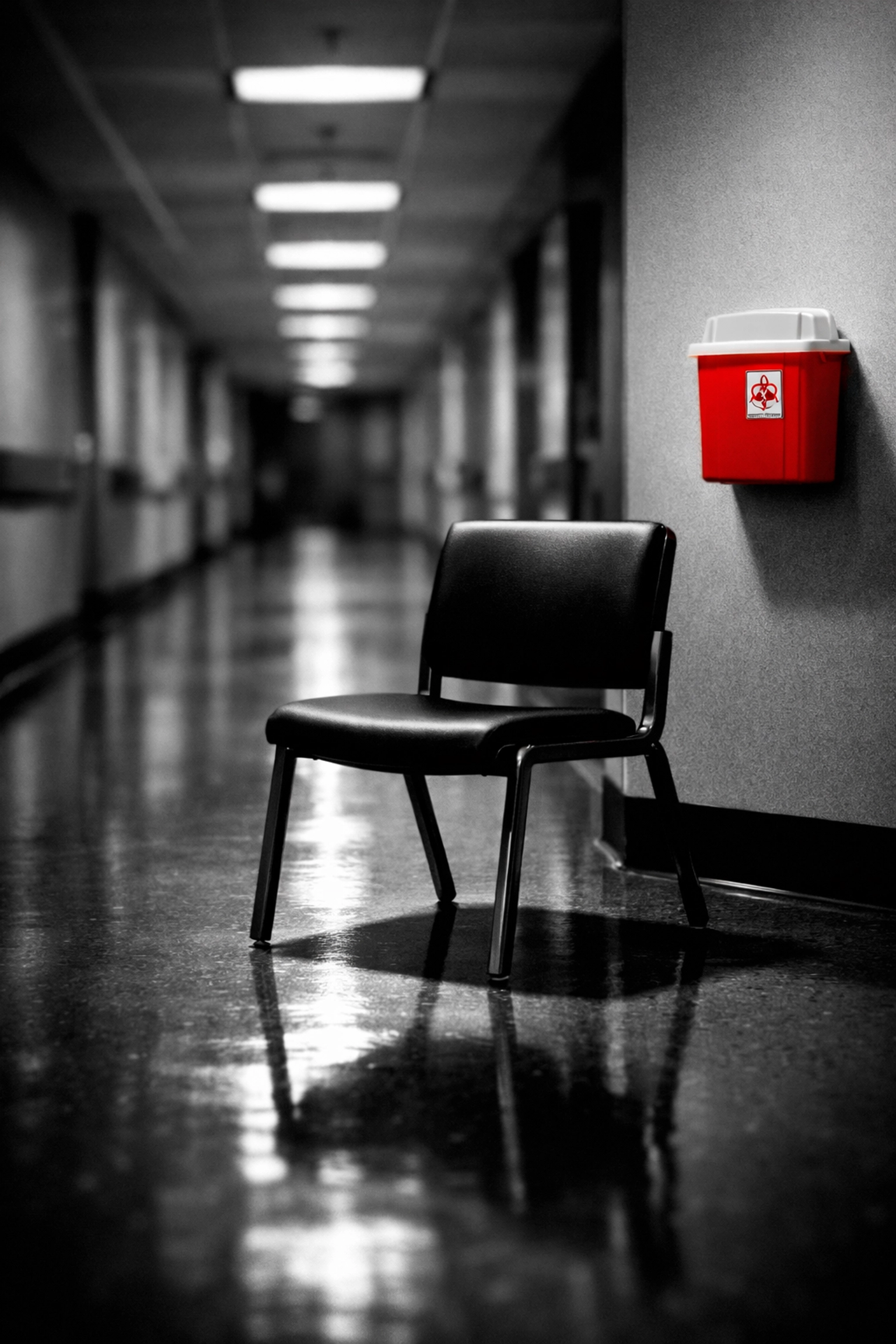
The implementation of these changes will occur in phases. The new prescription drug copayments are set to begin on April 1, 2026, followed by the dental service restrictions on June 1, 2026. During this transition period, the IRCC has stated it will work with healthcare providers to update the electronic billing systems used to process IFHP claims.
Advocacy groups are currently mobilizing to request a review of the policy before the April deadline. However, given the current fiscal priorities in Ottawa, a reversal seems unlikely. The government has emphasized that this is a necessary step to ensure that the IFHP remains viable in the long term, especially as global migration patterns continue to place pressure on Canadian infrastructure.
For those interested in the intersections of policy and national identity, our resource Canadianism: A Calm Alternative for a Fractured Country offers further insight into the values shaping modern Canadian governance.
As the situation develops, The Canadianist News will continue to monitor the impact on both the healthcare system and the individuals affected by these policy shifts. The balance between fiscal responsibility and humanitarian obligation remains a central theme in the national discourse as the 2026 budget cycle moves forward.
To stay updated on this and other stories, you can browse our full sitemap or explore the latest posts.