
National | Global Affairs
Geopolitical Tensions and the Bank of Canada’s Balancing Act

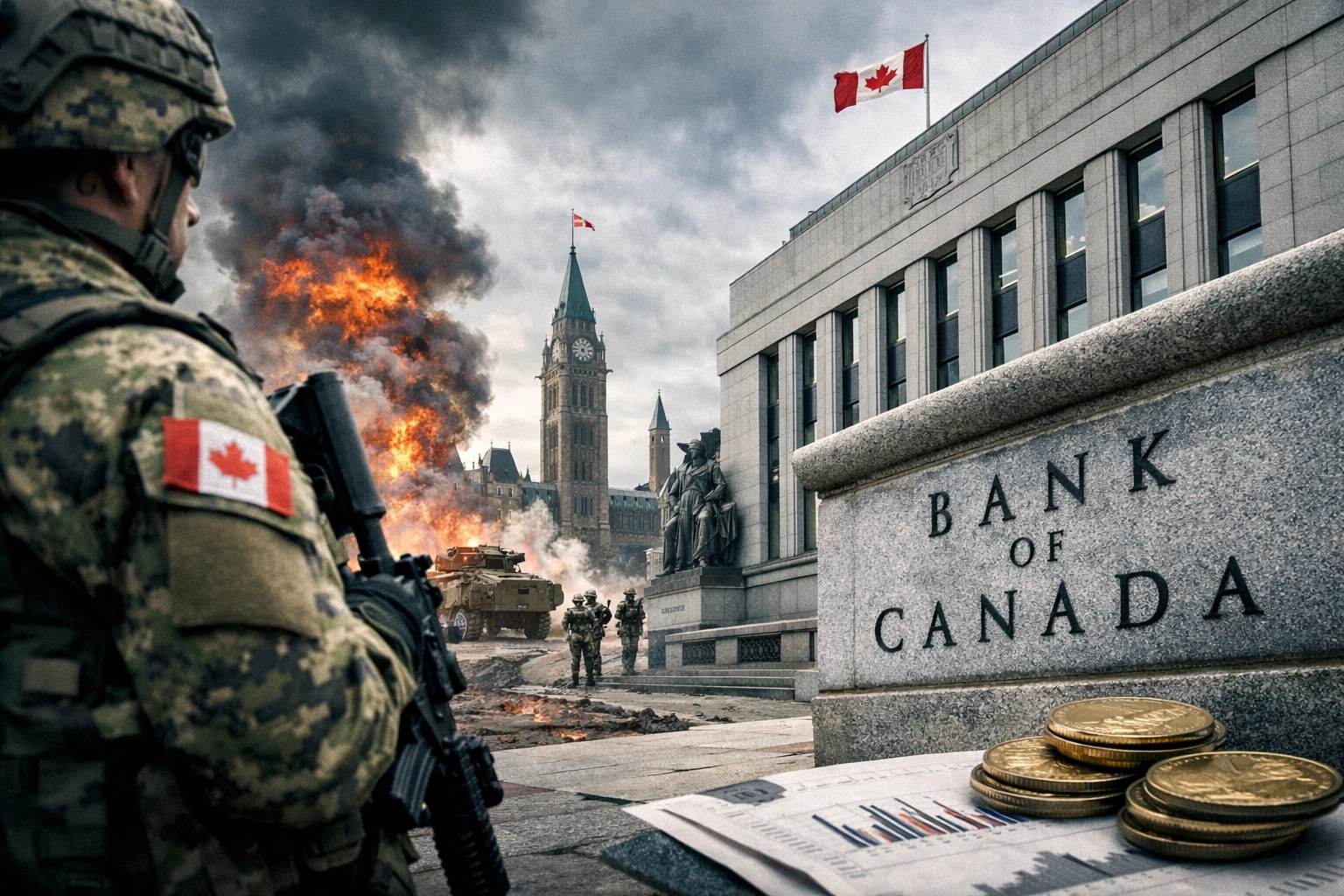
OTTAWA : The Bank of Canada is navigating an increasingly narrow path as escalating geopolitical tensions in the Middle East threaten to destabilize the global energy market, creating a "two-way risk" for the Canadian economy. While rising oil prices typically provide a boost to Canada’s energy-exporting provinces, the sudden spike in crude costs: spurred by renewed conflict involving Iran: presents a significant inflationary hurdle for a central bank trying to manage a cooling domestic labour market and record-high household debt.
As of mid-March 2026, the Bank of Canada finds itself in a precarious "holding strategy." Policymakers are attempting to reconcile a softening domestic economy, which saw a loss of 84,000 jobs in February, with the renewed threat of cost-push inflation driven by external shocks. The current policy rate, maintained at 2.25%, is being tested by market volatility that analysts warn could force the central bank to keep rates higher for longer than previously anticipated.
The Energy Shock and the Inflation Mandate
The primary driver of the current uncertainty is the volatility in the global oil market. Following reports of heightened conflict in the Middle East over the weekend of March 14, West Texas Intermediate (WTI) and Western Canadian Select (WCS) prices have experienced sharp upward pressure. For the Bank of Canada, this represents a classic supply-side shock. Higher energy prices filter through the economy quickly, increasing the cost of transportation, heating, and manufacturing.
Economists at major Canadian financial institutions noted on Sunday that while Canada is a net exporter of oil, the inflationary impact on the Consumer Price Index (CPI) often outweighs the fiscal benefits to the federal treasury in the short term. When gas prices rise, discretionary spending typically falls, creating a "tax-like" effect on households already struggling with the cost of living.
This complicates the Bank’s 2% inflation target. If energy costs remain elevated, the "headline" inflation rate may stay sticky or even move upward, despite the fact that the underlying "core" inflation: which often strips out volatile items like fuel: might be showing signs of cooling. The Bank of Canada has historically looked through temporary fluctuations in energy prices, but the duration and intensity of the current geopolitical standoff are making that "look-through" approach more difficult to justify to a public sensitive to price increases.

A Softening Labour Market: The 6.7% Reality
While global factors push prices up, domestic data released last week points to an economy that is losing steam. The Canadian labour market stumbled significantly in February, with the national unemployment rate climbing to 6.7%. The loss of 84,000 jobs was felt most acutely in the retail, construction, and manufacturing sectors: industries that are particularly sensitive to high interest rates and reduced consumer demand.
According to the latest Daily Canada Policy Briefing, the rise in youth unemployment to 14.1% is a growing concern for federal policymakers. A cooling labour market usually provides the Bank of Canada with the justification needed to cut interest rates to stimulate growth. However, the "Iran factor" has effectively handcuffed the Bank. Cutting rates while oil prices are spiking risks devaluing the Canadian dollar further, which would make imports even more expensive and exacerbate the inflation problem.
In Toronto and Vancouver, the impact of this stagnation is visible. Construction projects have slowed as financing costs remains elevated, and the retail sector is grappling with a "double whammy" of higher operating costs and cautious consumers. The February job losses suggest that the "restrictive" territory of current interest rates is having its intended effect of slowing demand, perhaps more aggressively than the Bank had forecasted.
The $2.6 Trillion Debt Shadow
Compounding the Bank’s dilemma is the sheer scale of Canadian household debt. New data reaching federal regulators indicates that total household debt has hit a record $2.6 trillion. While the majority of "prime" borrowers: those with stable incomes and high credit scores: have managed to absorb the rate hikes of the past few years, stress is beginning to manifest in the subprime and alternative lending markets.
For the Bank of Canada, the high level of indebtedness makes the economy more sensitive to interest rate changes. Every month that the policy rate remains at 2.25% or higher, more homeowners face mortgage renewals at significantly higher rates than they secured five years ago. This "debt wall" acts as a massive drag on the economy, as more household income is diverted from the purchase of goods and services toward debt servicing.
If the Bank is forced to raise rates: or even just hold them steady: to combat oil-driven inflation, the risk of a "hard landing" or a localized housing crisis increases. Conversely, if they cut rates to provide relief to debtors, they risk letting inflation expectations become unanchored.

Regional Divergence: Alberta vs. Ontario and Quebec
The current economic environment is creating a widening gap between Canada’s regions. In Calgary and Edmonton, the spike in oil prices is seen as a potential stabilizer for provincial revenues. Alberta’s economy, which has recently focused on systemic investments in healthcare, may see a boost in corporate tax receipts and activity in the oil patch.
However, in Ontario and Quebec, where the economy is more heavily weighted toward manufacturing and services, the high cost of energy and credit is a pure headwind. This regional divergence presents a political and communication challenge for the Bank of Canada. Monetary policy is a blunt instrument that affects the whole country, yet the "pain" of the current balancing act is not being distributed equally.
Trade Relations and the Global Context
The Bank of Canada’s path is also heavily influenced by the actions of the U.S. Federal Reserve. As noted in recent reports on Canada’s stance on Russian oil sanctions, Ottawa has at times moved in a different direction than Washington regarding trade and sanctions. However, when it comes to monetary policy, the Bank of Canada rarely deviates too far from the Fed without seeing a significant impact on the exchange rate.
If the U.S. Federal Reserve decides to hike rates to combat its own energy-driven inflation, the Bank of Canada may be forced to follow suit to protect the loonie. A significantly weaker Canadian dollar would drive up the cost of all U.S. imports, including food and machinery, further fueling the inflation that the Bank is trying to tame.

The Path Toward 2027
As the Bank of Canada prepares for its next policy announcement, the consensus among analysts is one of "cautious waiting." The research suggests a holding strategy for the remainder of 2026, provided that the Middle East conflict does not escalate into a full-scale regional war that shuts down major shipping lanes like the Strait of Hormuz.
The Bank's flexible inflation-targeting framework is being used to its full extent. By maintaining a neutral position, the Bank is attempting to provide a buffer for the economy as it adapts to a "new normal" of higher energy costs and shifting trade patterns. However, the margin for error is razor-thin. A sudden escalation in tariffs or a further spike in global oil could trigger a move in either direction.
For now, the Bank of Canada remains in a "data-dependent" crouch. It is watching the 6.7% unemployment rate as a sign of economic pain, while keeping a wary eye on the horizon for the next geopolitical shock that could send prices soaring.
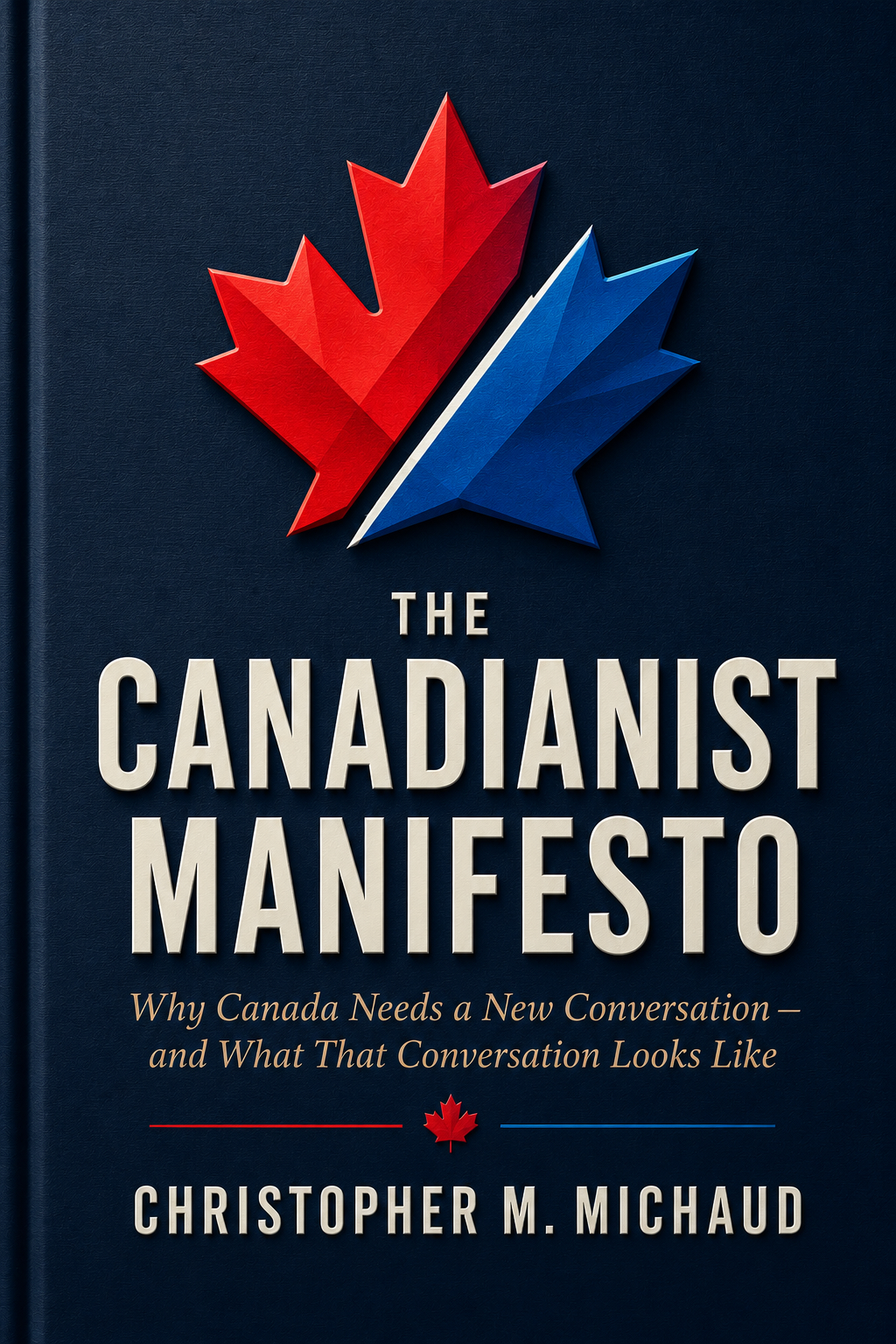
For those interested in the broader framework of Canada’s economic and social future during these turbulent times, the practical framework outlined in The Case for Canadianism provides further context on how the country might navigate these structural disruptions.
As Sunday’s market preparations begin for the week ahead, all eyes remain on the energy tickers and the latest dispatches from the Middle East. The Bank of Canada’s balancing act is far from over; in many ways, the most difficult decisions of the 2026 fiscal year are just beginning.