Quebec
CAQ Steps Up Public Campaign as Ministers Blanket Quebec Ahead of Election

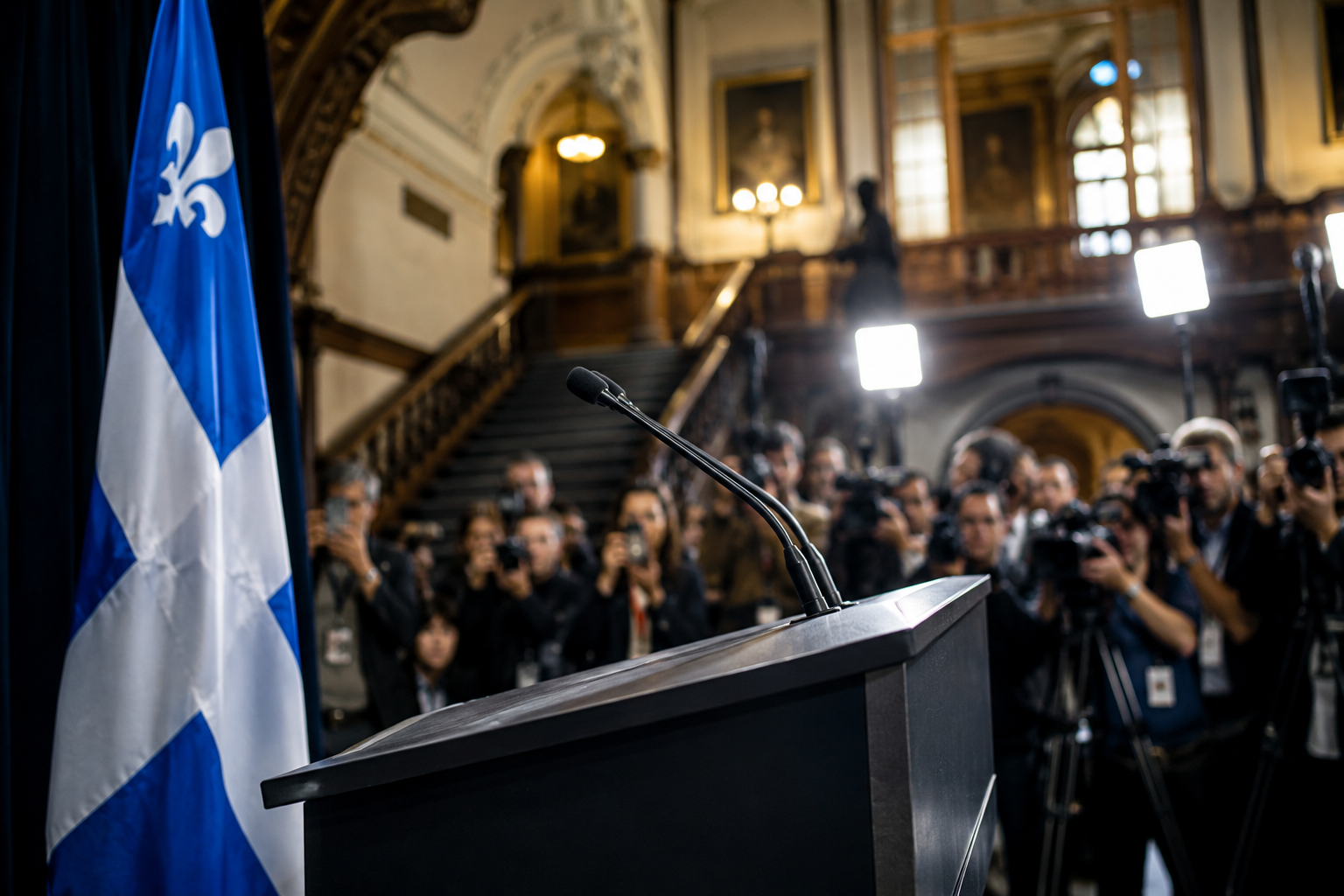
The Coalition avenir Québec has dramatically increased its public activity as Quebec moves closer to the expected provincial election, signalling that the governing party’s pre-campaign strategy is now fully underway.
According to a compilation by La Presse, CAQ ministers participated in 122 public events between July 1 and July 18, including government announcements, press conferences, speeches, infrastructure inaugurations, trade missions and annual meetings. That represents nearly four times the number of public appearances made during the same period in 2025.
The activity reached every corner of the province.
Cabinet ministers visited all 17 of Quebec’s administrative regions over the three-week period, reflecting a coordinated effort to increase the government’s visibility after several months of declining public support.
The pace was particularly intense before July 17, an internally established milestone marking the beginning of work on Finance Minister Eric Girard’s pre-election fiscal update, a document widely expected to shape the government’s economic message heading into the campaign.
The increase in ministerial travel comes alongside a broader effort to place Premier Christine Fréchette at the centre of the party’s public identity.
According to Radio-Canada, the party will formally campaign under the name “Équipe Christine Fréchette – Coalition avenir Québec,” giving the new premier greater prominence as she prepares to lead the CAQ into its first election under her leadership.
The branding reflects the political reality facing the governing party.
Fréchette became premier without first leading the CAQ through a general election and remains less familiar to many Quebecers than her predecessor. Increasing her visibility before the writ period allows the government to introduce her leadership through official announcements and government events rather than through campaign advertising alone.
Université de Sherbrooke political scientist Jean-François Daoust told La Presse the strategy is designed to build Fréchette’s personal profile while the government still has the advantages that come with incumbency.
Governments routinely increase public announcements before election campaigns, but the scale of the CAQ’s activity suggests a particularly focused effort to regain momentum after a difficult period in the polls.
The governing party enters the election facing stronger competition than it did four years ago, with affordability, public finances and economic uncertainty expected to dominate the campaign.
Those issues are likely to come into sharper focus when Girard releases his pre-election fiscal report in the coming weeks.
While the report is not a formal provincial budget, it provides the government’s latest assessment of Quebec’s finances and often serves as the foundation for campaign promises on taxation, spending and affordability.
Opposition parties are expected to scrutinize both the report’s assumptions and the timing of new government announcements, arguing that the surge in public appearances blurs the line between governing and campaigning.
For the CAQ, however, the strategy appears straightforward.
By increasing its presence across Quebec before the election is officially called, the government can showcase investments, meet local stakeholders and reinforce its message while operating within the rules governing official government business.
With the election now only weeks away, the pace of ministerial activity suggests the unofficial campaign has already begun, even if the formal writ has yet to be issued.
