
National | Economy
Global Markets React: Oil Prices Spike as Conflict Disrupts Energy Supply


LONDON/SINGAPORE : Global energy markets experienced a significant shock on Monday, March 2, 2026, as oil prices surged following a weekend of intensified military escalations in the Middle East. The ongoing conflict involving Iran, Israel, and the United States reached a critical inflection point, leading to direct attacks on energy infrastructure and vital shipping lanes, sparking fears of a prolonged disruption to the global energy supply chain.
In early trading, Brent crude futures jumped by 7.7%, reaching $78.46 per barrel. Simultaneously, West Texas Intermediate (WTI), the U.S. benchmark, climbed 7.4% to trade at $71.97 per barrel. These figures represent the highest single-day percentage gains in over a year, reflecting a market that is increasingly pricing in a significant "geopolitical risk premium."
The price spike is attributed to two primary factors: targeted strikes on Iranian oil refineries and renewed threats to the Strait of Hormuz, a narrow waterway through which approximately one-fifth of the world’s daily oil consumption passes.
Direct Hits to Energy Infrastructure
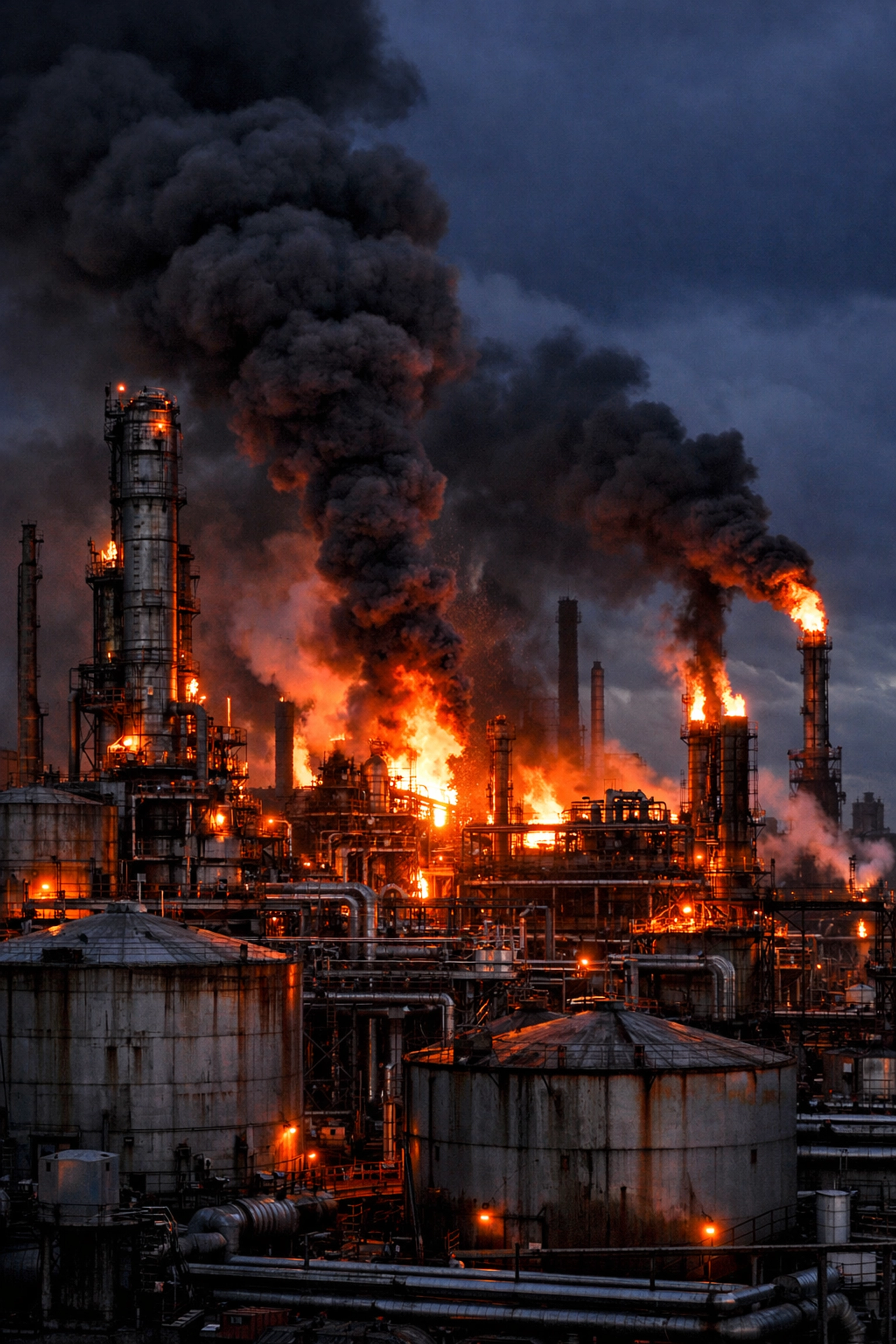
Reports from the region indicate that several key refineries and export terminals have sustained damage. The escalation follows a series of drone and missile exchanges that have moved beyond military targets and into the economic heart of the region.
Market analysts note that the precision of recent strikes suggests a strategic shift toward "economic warfare," where energy infrastructure is viewed as a primary lever of influence. For global markets, the immediate concern is not just the loss of current production, but the time required to repair specialized refinery equipment under the threat of continued hostilities.
The disruption is not limited to production facilities. The maritime sector is facing a crisis of confidence as insurance premiums for tankers operating in the Persian Gulf and the Gulf of Oman have skyrocketed. Several major shipping firms have announced they are suspending transit through the region until security can be guaranteed, opting instead for the longer, more expensive route around the Cape of Good Hope. This rerouting adds approximately 10 to 14 days to delivery schedules, further tightening the global supply of crude and refined products.
The Strait of Hormuz: A Chokepoint Under Pressure
The Strait of Hormuz remains the most significant variable in the current market volatility. As a critical energy chokepoint, any sustained closure or credible threat of closure has a disproportionate impact on global sentiment.
"The market is reacting to the vulnerability of the Strait," said a senior energy analyst in London. "Even if the flow of oil isn't completely halted, the increased cost of transit, coupled with the potential for sudden escalations, forces traders to bid up prices as a hedge against a total supply cutoff."
Historically, the Strait has been a focal point of regional tension, but the scale of the current conflict has raised the stakes. Unlike previous minor skirmishes, the involvement of major regional and global powers suggests a deeper destabilization of the established security architecture that has protected energy flows for decades.
Geopolitical Tensions and Regional Leadership
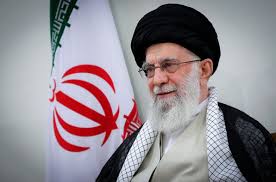
The political landscape remains fraught with uncertainty. The religious and political leadership in Tehran has maintained a defiant stance, signaling that any further strikes on their soil will meet with "asymmetric responses" targeted at global economic interests.
In response, U.S. and Israeli officials have reiterated their commitment to maintaining freedom of navigation in international waters, though they have stopped short of detailing specific military plans to secure the Strait. This ambiguity has contributed to the market's unease, as traders struggle to calculate the likelihood of a wider regional war.
Economic Fallout and Global Supply Chains
The spike in oil prices arrives at a delicate time for the global economy. Many nations are still navigating the aftershocks of high inflation and fluctuating interest rates. A sustained increase in energy costs threatens to reverse recent progress in cooling consumer prices.
For industries heavily dependent on petroleum: such as aviation, logistics, and manufacturing: the price hike is an immediate headwind. Freight rates are already beginning to reflect the higher cost of bunker fuel, a trend that typically trickles down to the cost of consumer goods within weeks.

In Canada, the impact is multifaceted. As a major energy exporter, higher global prices can provide a boost to the domestic oil and gas sector in Western Canada. However, these gains are often offset by higher costs for consumers at the pump and increased operational expenses for businesses across the country. The Canadianist News has previously explored how shifts in international relations and trade can have domestic consequences, such as in our analysis of U.S. trade policy and its impact on Canada.
Analyst Forecasts: Temporary Spike or Long-Term Trend?
Despite the current rally, some financial institutions are urging caution. J.P. Morgan Global Research, for instance, has noted that while the current surge reflects a significant risk premium, the underlying market fundamentals remain soft.
According to J.P. Morgan's analysis, the current price is approximately $10 per barrel above what they consider "fair value" based purely on supply and demand. Their research suggests that global demand growth remains modest, projected at only 0.9 million barrels per day, while supply outside the conflict zone continues to grow.
"We maintain a bearish outlook for 2026, forecasting Brent crude to eventually settle back toward an average of $60 per barrel," the firm stated in a recent briefing. This perspective assumes that any military action will remain "targeted," avoiding a total destruction of Iran's oil export infrastructure, and that broader market fundamentals will eventually reassert themselves once the immediate geopolitical shock subsides.
However, other analysts warn of "geopolitical wildcards." Historically, regime changes or sudden shifts in oil-producing nations have led to price spikes averaging 76% from onset to peak. Should the current conflict expand to involve other major producers or lead to long-term regime instability, the $60 forecast may prove overly optimistic.

Conclusion: A Market on Edge
As of this Monday afternoon, the situation remains fluid. Diplomatic efforts are reportedly underway behind the scenes to de-escalate the maritime tensions, but the lack of a clear breakthrough continues to support elevated prices.
For now, the global economy is in a "wait and see" mode. The resilience of the energy supply chain is being tested in ways not seen in years, and the coming days will be crucial in determining whether this is a temporary spike or the beginning of a new era of high energy costs.
Investors and policymakers alike are keeping a close eye on the Persian Gulf, where the intersection of ancient rivalries and modern energy needs continues to dictate the pace of the global economy.
For more updates on regional impacts and economic news, visit The Canadianist News or check our specific coverage for cities like Toronto, Ottawa, and Montreal.