The City
Chow Demands Ontario Return Toronto Waterfront Lands After Ottawa Rejects Billy Bishop Jet Expansion

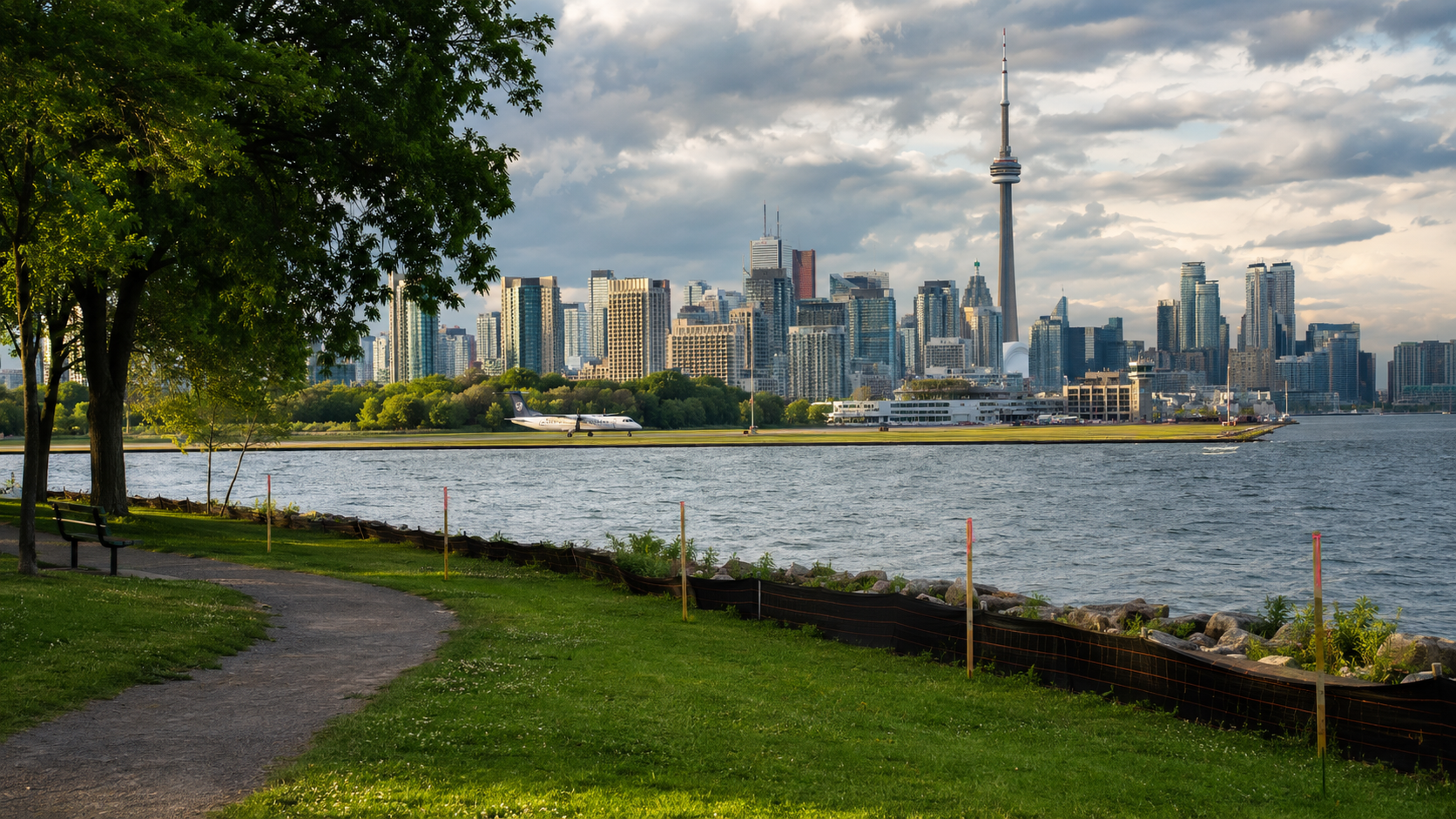
Mayor Olivia Chow is asking Toronto City Council to demand that Queen’s Park repeal the law that stripped the city of control over Billy Bishop Toronto City Airport and surrender any claim to city-owned waterfront land covered by it.
Chow filed the urgent motion Monday, three days after federal Transportation Minister Steven MacKinnon rejected Ontario’s proposal to expand the island airport for jet aircraft. The expansion would have required a longer runway extending into Lake Ontario.
“The Province must return the City’s land so we can get on with the work of building the waterfront Torontonians deserve,” the motion says. Deputy Mayor Ausma Malik seconded it. CityNews
Ontario passed Bill 110, the Building Billy Bishop Airport Act, at third reading on May 28. It received royal assent June 2. The law allows the transportation minister to transfer prescribed city-owned land to the province and replace Toronto in the tripartite agreement governing the airport.
Its reach extends beyond the airport. A city staff report said the eight property identification numbers listed in the law cover 434.4 hectares of Toronto Island land and water, along with 3.75 hectares around Bathurst Quay, including part of Little Norway Park. City of Toronto
Bill 110 gives the province power to vest listed lands in the Crown through regulation and restricts Toronto’s ability to sell or encumber them. The legislation alone does not establish that every parcel has been transferred. Chow’s motion calls on Ontario to repeal the law, return any land taken under it and restore the city as a party to the airport agreement. Legislative Assembly of Ontario
MacKinnon said Ottawa received more than 87,000 responses during public consultations. He said the federal government would not pursue plans that infringed on Little Norway Park or Hanlan’s Point Beach, increased noise, caused significant environmental damage or interfered with housing construction. Ottawa will instead focus on safety upgrades already approved for the airport. Canadian Press
Ontario’s plan couldn’t proceed without federal consent because the tripartite agreement prohibits commercial jets and runway extensions. With Ottawa refusing to amend that arrangement, Ford’s proposed expansion is effectively blocked.
The dispute now shifts from airport expansion to provincial accountability. This isn’t technically a test of Toronto’s strong-mayor system. Bill 110 represents direct provincial intervention in municipal property and governance. If the project used to justify that intervention cannot proceed, Toronto wants to know why Ontario should retain those powers.
The timing also places the issue inside Toronto’s municipal election campaign. Chow can present Ottawa’s rejection as validation of her opposition, while her challengers must explain how they would manage a provincial government willing to override the city.
Questions about the proposal remain. Billy Bishop’s passenger terminal is owned by Nieuport Aviation, controlled by J.P. Morgan Asset Management. Chow says detailed plans were never provided to the city despite repeated requests. Global News
Council can endorse Chow’s demand, but only Queen’s Park can repeal Bill 110 or relinquish the authority it claimed.