
National | Politics
Liberals Sweep By-Elections, Secure Majority in House of Commons
Victories in three federal by-elections, combined with recent floor crossings, have pushed the Liberal Party of Canada to 174 seats, giving the party a majority in Parliament without a general election.

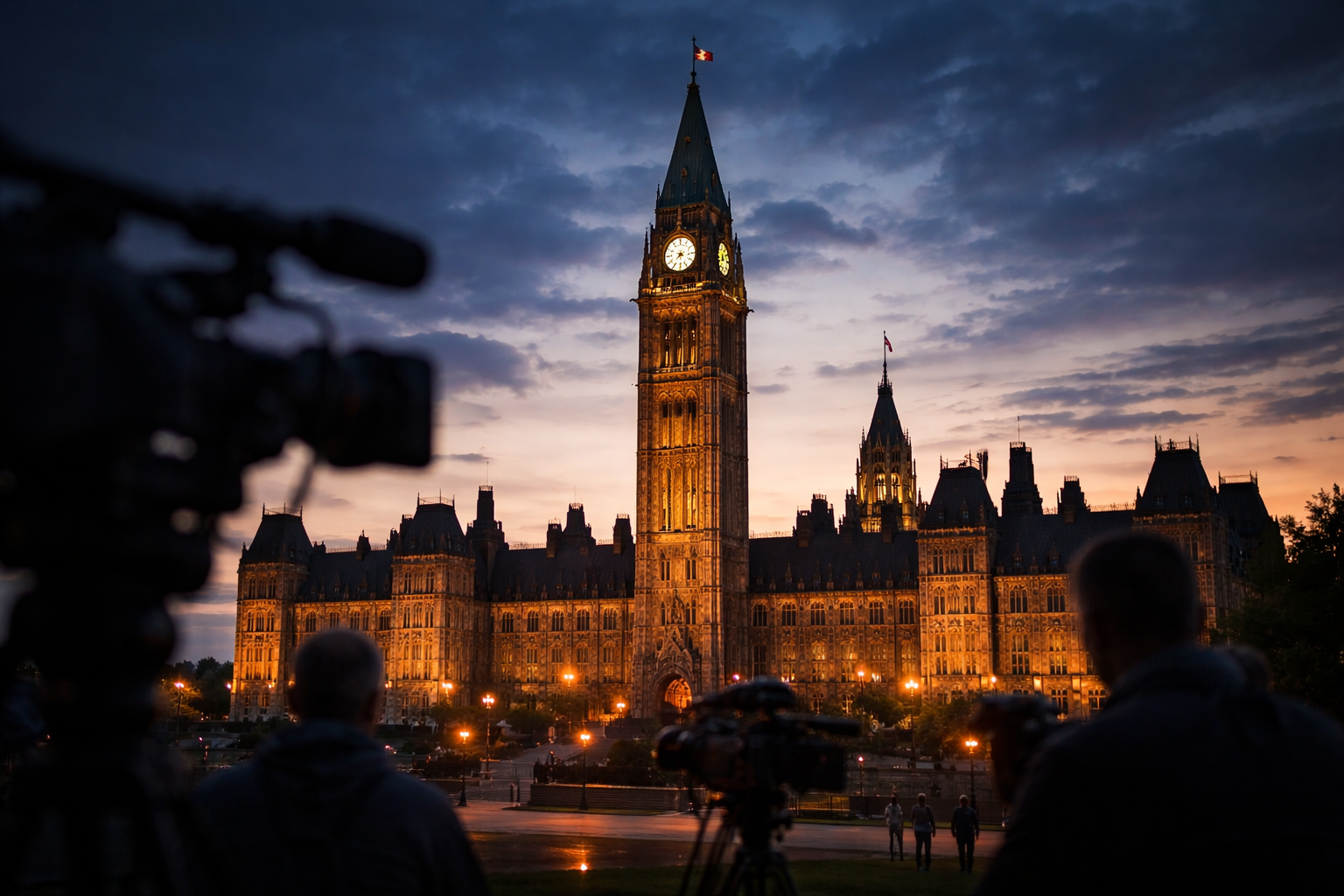
Victories in three federal by-elections, combined with recent floor crossings, have pushed the Liberal Party of Canada to 174 seats, giving the party a majority in Parliament without a general election.
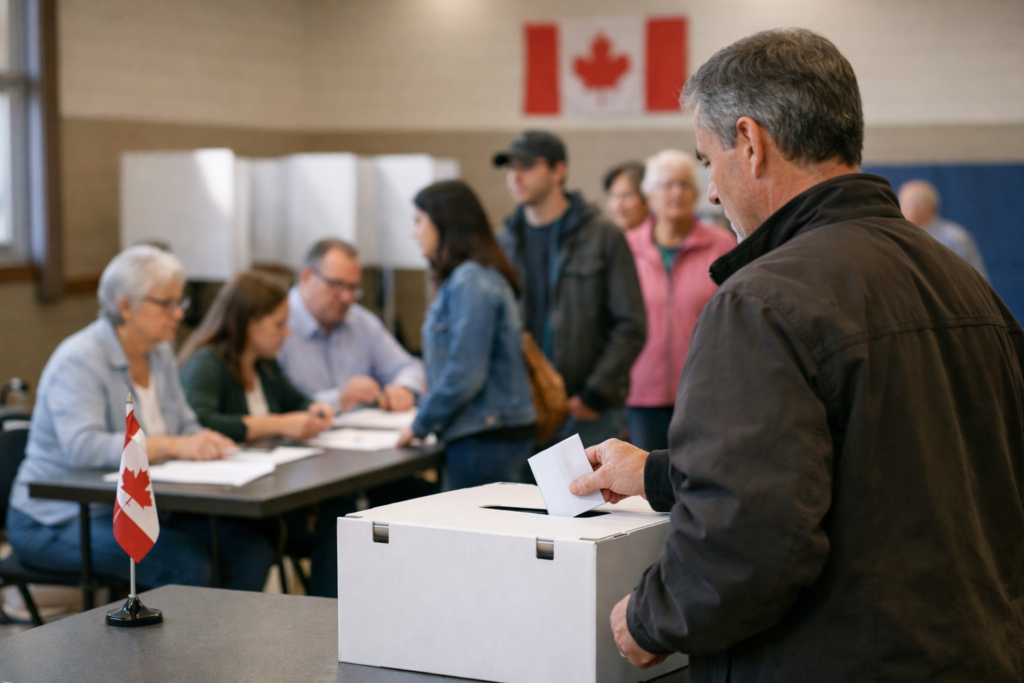
The Liberal Party of Canada has won all three federal by-elections held Monday, securing a majority in the House of Commons and consolidating its governing power.
Preliminary results from Elections Canada show Liberal candidates winning in each of the contested ridings. The victories add to a series of recent floor crossings from opposition MPs, bringing the party’s total to 174 seats, two above the 172 required for a majority.
The result marks a significant shift in the balance of power in Ottawa.
While the Liberals were elected as a minority government, the combination of by-election wins and MPs changing party affiliation has now delivered majority control of the House. That gives the government the ability to pass legislation without relying on support from opposition parties.
Under Canada’s parliamentary system, both by-elections and floor crossings are permitted and have long been part of the political process. MPs are elected as individual representatives, and are not legally bound to remain with the party under which they were elected.
From that perspective, the current outcome reflects the application of existing rules, with seats changing hands through elections and political realignment between elections.
At the same time, the way this majority has been assembled is drawing attention.
Unlike a traditional majority government, which is formed following a general election, the Liberals’ position has been built incrementally. The party has added seats through successive by-election victories while also gaining members from the opposition benches, most notably from the Conservatives.
For supporters, the outcome represents political momentum and a governing party successfully strengthening its position within the framework of Parliament.
For critics, it raises broader questions about democratic mandate. While each individual change is legitimate on its own, they argue the cumulative effect is a majority government formed without voters being asked directly in a national election.
The by-election results also represent a setback for opposition parties. The Conservatives were unable to secure a breakthrough in any of the three ridings, while the New Democratic Party and Bloc Québécois also failed to make gains.
With 174 seats, the Liberals now hold a clear majority in the House of Commons, giving the government a more stable and decisive position as it moves forward with its legislative agenda.
The political implications of how that majority was achieved are likely to remain a central point of debate in the days ahead.