
The Canadianist Exclusive | Opinion
Carney’s First Budget: Same Direction, or a Shift?

There’s a number being thrown around: $2.9 trillion. It’s meant to land hard. The message is simple—nothing has changed, this is just more of the same with a higher price tag.
That sounds clear. It’s also misleading.
That figure is a long-term projection, not a single-year decision. It doesn’t tell you where the money is going, what it’s meant to build, or what problem it’s trying to solve. It just tells you the scale. And scale, on its own, isn’t an argument.
The real issue runs deeper than one budget. For years, deficits have been the default. Spending has continued without a credible path back to balance, not because of any single policy, but because that became the approach. This budget inherits that reality. Carney didn’t create the posture, but he owns it now.
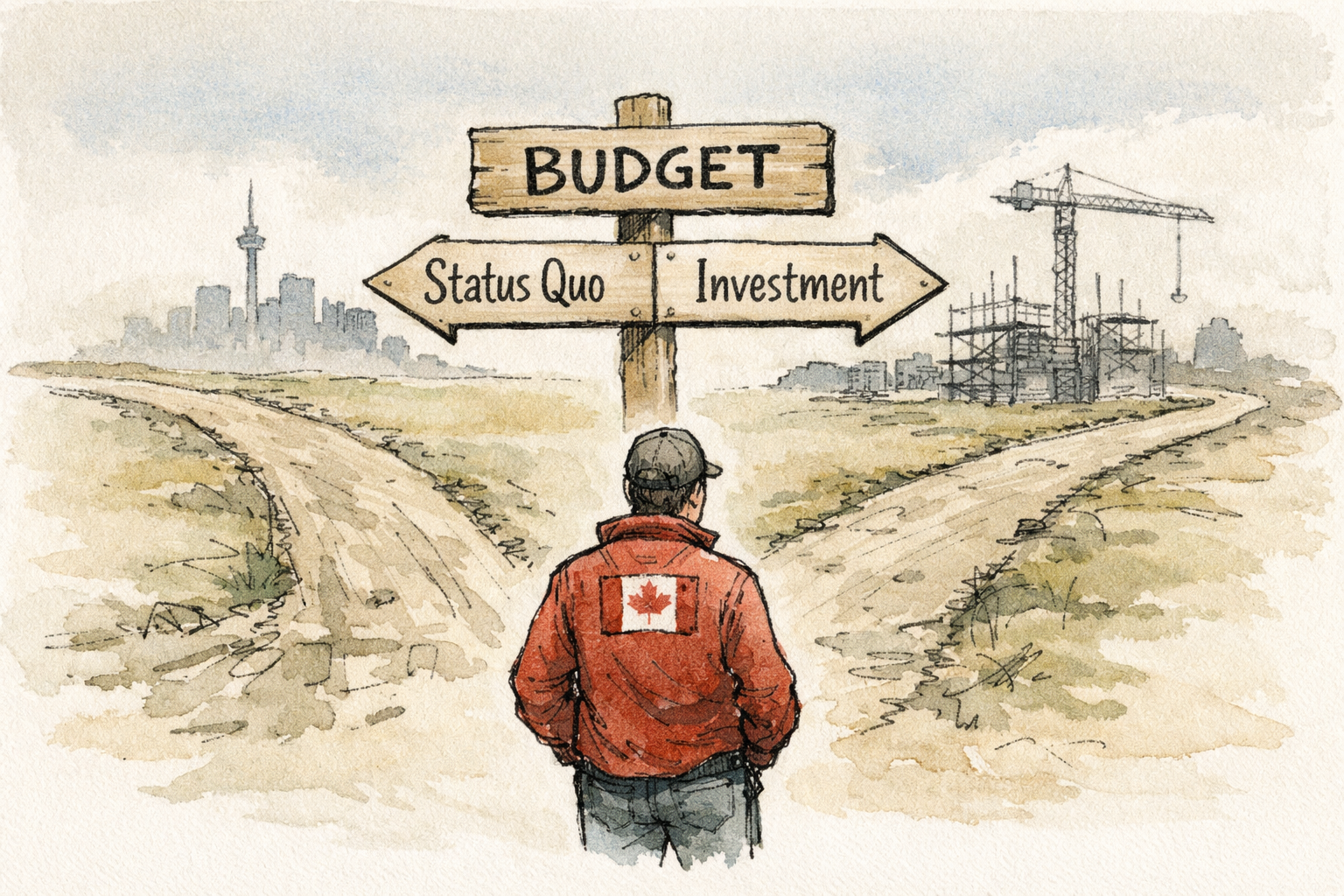
So the question isn’t whether he’s spending. He is. The question is whether anything about the direction has changed.
There’s a meaningful difference between spending that extends what’s already running—more transfers, more ongoing support, more of the same architecture—and spending that’s actually aimed at building something. Infrastructure that improves output. Investment that expands capacity. The kind of expenditure that has a return attached to it. The first kind is continuation. The second is a different bet. Both carry risk. Both cost money. But the intent isn’t the same, and intent shapes outcomes.
That’s the distinction the headline number buries.
People are reacting because the economy feels tight. Costs are high, growth feels weak, and the gap between what Canadians are paying and what they’re getting back has been widening for a while. That’s the real pressure behind the reaction to a number like $2.9 trillion. It’s not abstract concern about fiscal theory—it’s accumulated frustration looking for a target.
Carney brings a different background to this than his predecessor. He understands how financial systems absorb risk over time. He understands long-term pressure in a way that not many people who’ve held this job do. That doesn’t guarantee this budget is disciplined. It does mean there’s at least a different lens behind it—one that’s more likely to ask what the money is actually doing than to treat spending as an end in itself.
Whether that lens produced a different result is what matters. And that won’t be clear from the document alone.
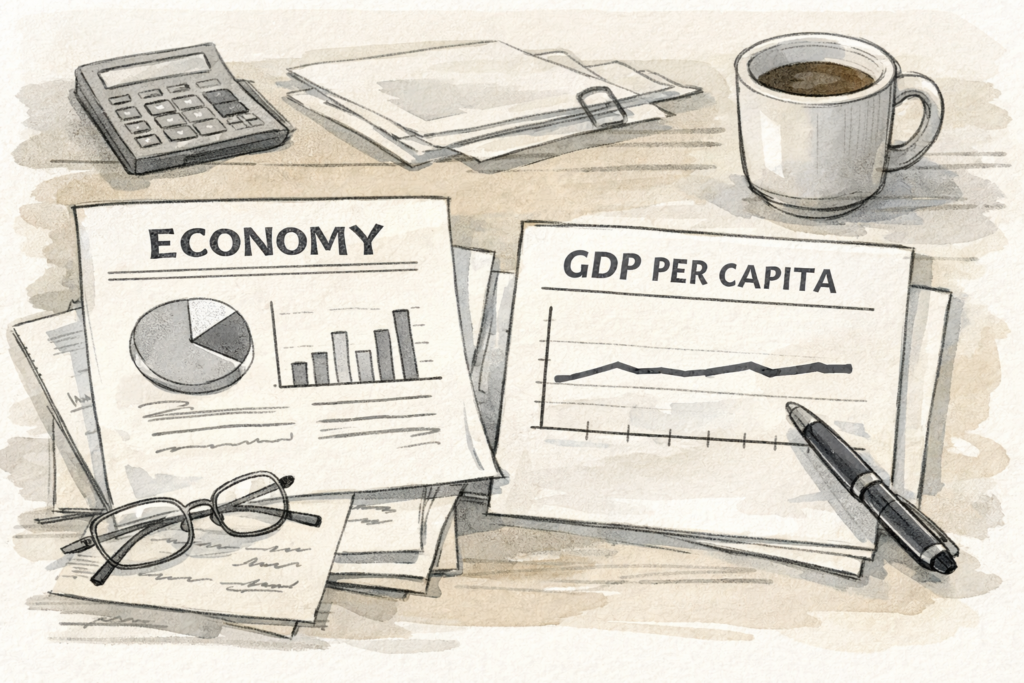
Watch the debt-to-GDP ratio. If it’s moving in the right direction, the investment framing holds. If it isn’t, the criticism holds. Watch whether growth improves in a meaningful, sustained way—not a single quarter, but a trend. Watch whether the investments actually materialize as projects, jobs, and capacity, or whether they dissolve into administration and delay.
A pragmatic budget isn’t necessarily a small one. It’s one where the spending connects to a legible outcome, where the risk is understood and accepted rather than ignored, and where the country ends up with something to show for it. That’s the standard worth applying here—not the size of the number, but what the number is actually for.
Right now, there isn’t enough evidence to make that call. But there’s enough to know which questions to ask—and to stop pretending that a projection figure is the same thing as an answer.