
National | Immigration
Immigration: Federal Government Launches Permanent TR-to-PR Pathway

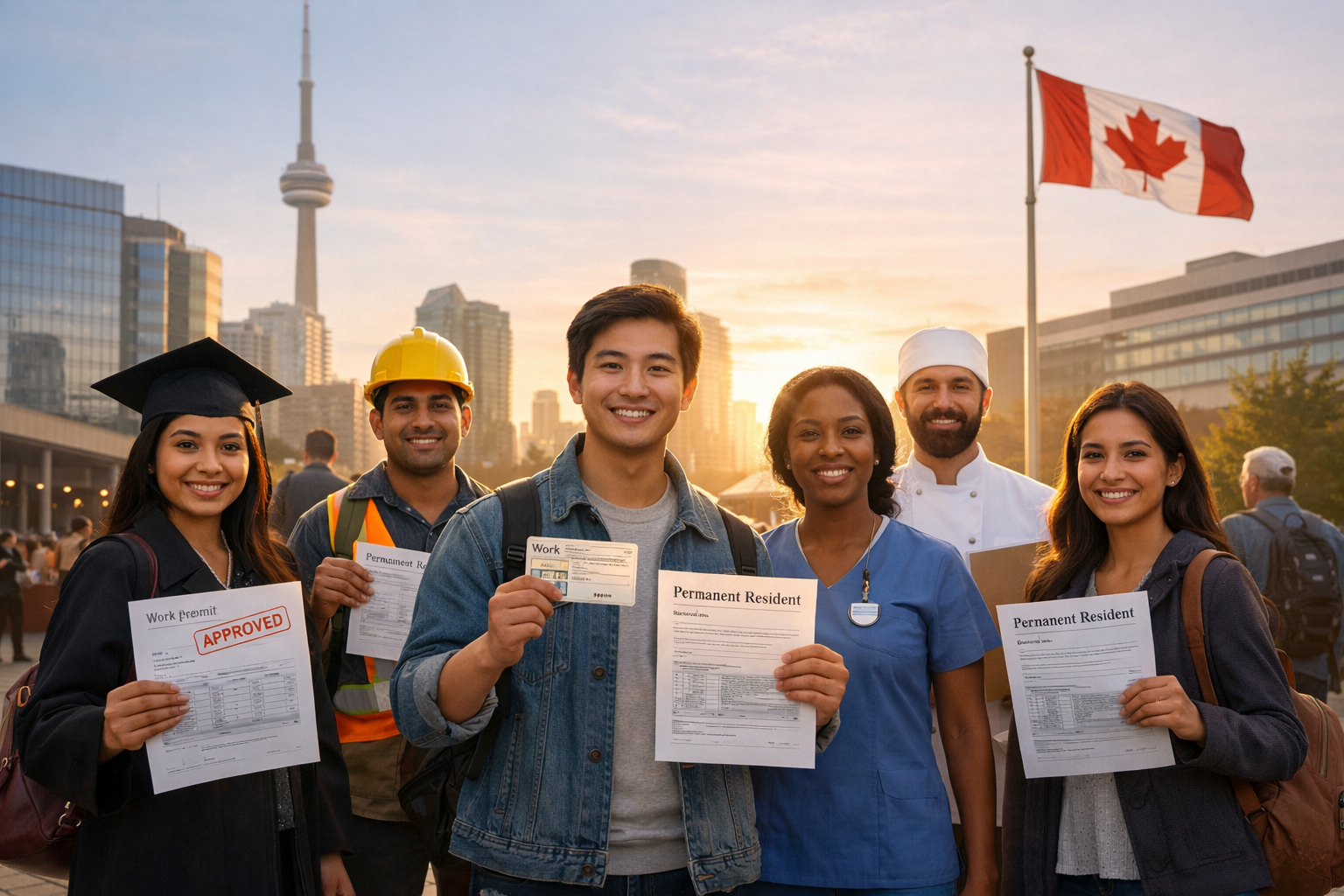
OTTAWA — The federal government has officially launched a permanent pathway allowing temporary residents already in Canada to transition to permanent residency, a policy shift that builds on the temporary programs introduced during the COVID-19 pandemic.
The new program, often referred to as a Temporary Resident to Permanent Resident (TR-to-PR) pathway, is designed to provide a clearer and more predictable route to permanent residency for people who are already living and working in Canada. The primary groups targeted include essential workers and international graduates who have established themselves in the Canadian labour market.
During the pandemic, Ottawa created a one-time program that allowed thousands of temporary residents to apply for permanent residency. That program filled its quotas within hours and demonstrated strong demand from workers already contributing to the Canadian economy. The newly announced framework aims to make that concept permanent rather than relying on ad-hoc or emergency measures.
Federal officials say the goal is twofold: strengthen the labour market while improving the efficiency of Canada’s immigration system.
Workers already inside the country are typically employed, paying taxes, and integrated into communities. By allowing them to transition more easily to permanent residency, the government hopes to reduce labour shortages in sectors that have struggled to find staff in recent years.
The move also reflects a growing emphasis on what policymakers describe as “in-land immigration processing.” Instead of relying heavily on new arrivals from abroad, the government can meet immigration targets by selecting candidates who are already present in Canada on work permits or study permits.
That approach may help address one of the biggest tensions in Canadian immigration policy today: housing availability.
Canada has set historically high immigration targets, with the federal government planning to welcome hundreds of thousands of new permanent residents each year. At the same time, housing shortages and affordability concerns have become central political issues across the country.
By converting temporary residents already living in Canada into permanent residents, policymakers argue they can support immigration goals without immediately adding new demand for housing in major cities.
Supporters of the policy say it recognizes the reality of Canada’s modern immigration system. Many newcomers already arrive first as students or temporary workers before eventually becoming permanent residents.
Critics, however, warn that the strategy may blur the line between temporary and permanent immigration streams. Some analysts argue that if temporary programs increasingly lead to permanent residency, Canada may need clearer planning around infrastructure, housing, and long-term population growth.
For international graduates in particular, the pathway offers a clearer future. Many students who study in Canada hope to remain in the country after completing their education, but the transition to permanent residency has historically been complex and competitive.
The new framework aims to provide a more structured route for those graduates who gain Canadian work experience after finishing their studies.
The policy is expected to play a significant role in how Canada manages immigration in the coming years, especially as the country continues balancing economic needs, labour shortages, and housing pressures.
Details on eligibility criteria, quotas, and application timelines are expected to be released as the program rolls out nationwide.
For workers and graduates already building their lives in Canada, the message from Ottawa is clear: the path to permanent residency may now be more predictable than ever before.