
National | Economy
PBO Projects Larger Deficits and Rising Debt as Fiscal Pressures Mount

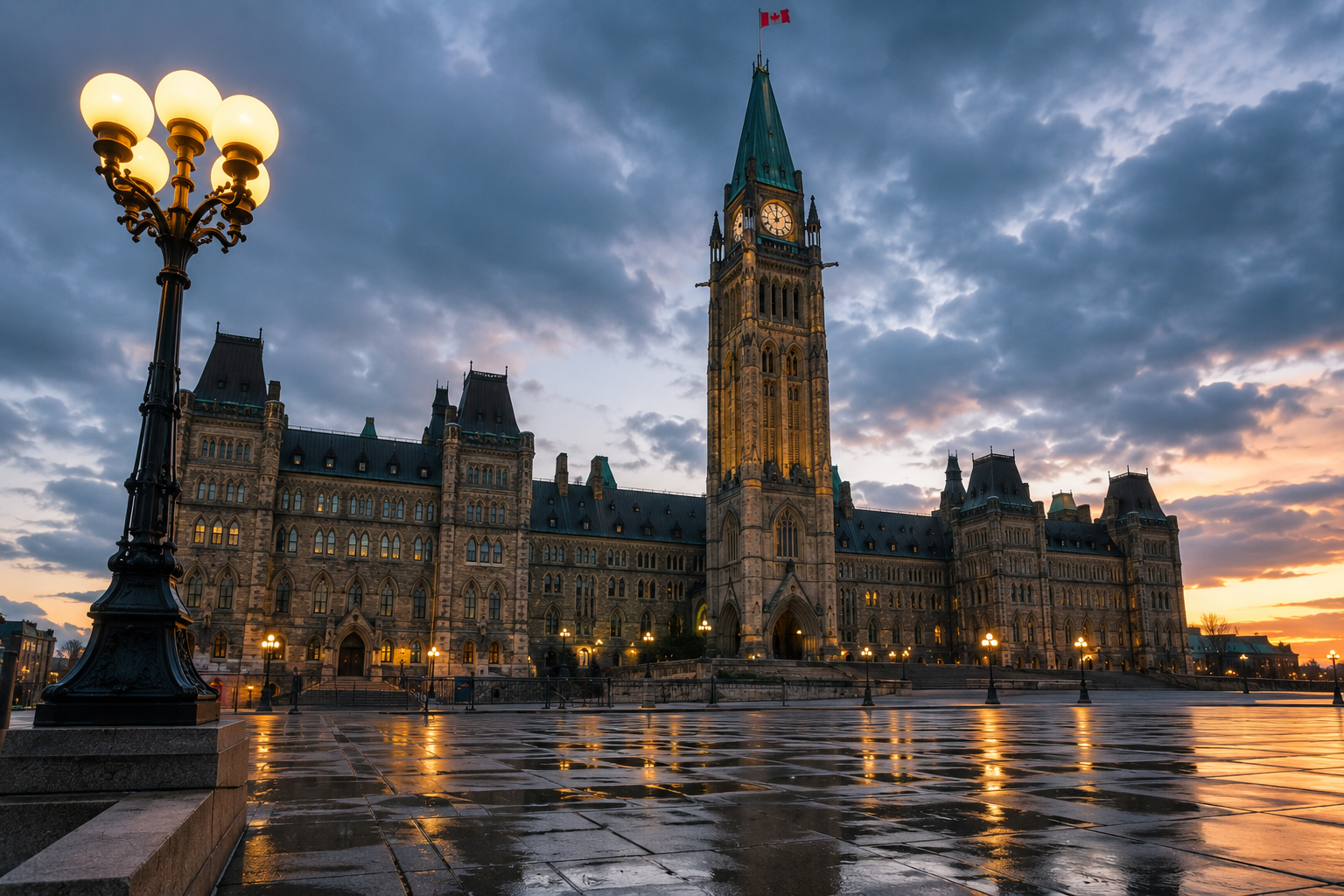
Canada’s federal finances are facing increasing strain, according to a new report from the Parliamentary Budget Officer (PBO), which projects larger deficits, slower economic growth, and rising debt levels over the next five years.
The June 4 Economic and Fiscal Outlook provides one of the most detailed assessments to date of the country’s fiscal position amid ongoing trade uncertainty, higher defence spending commitments, and growing debt-servicing costs.
According to Parliamentary Budget Officer Annette Ryan, the federal budgetary deficit is expected to average approximately $64 billion annually over the next five years. The report projects that debt servicing costs will continue to rise, reaching 13.1 per cent of federal revenues by the 2030-31 fiscal year.
The deterioration in the fiscal picture is already evident.
The PBO estimates that the federal deficit nearly doubled in 2025-26, rising 98.3 per cent from the previous year to approximately $72 billion. As a share of the economy, the deficit-to-GDP ratio increased from 1.2 per cent in 2024-25 to 2.2 per cent in 2025-26.
The report also projects continued growth in federal debt. Over the medium-term forecast period, federal debt is expected to increase by approximately $318 billion, while the federal debt-to-GDP ratio is projected to rise from 41.3 per cent to 42.5 per cent.
Economic growth is expected to remain modest throughout the forecast horizon.
The PBO projects real GDP growth of 1.1 per cent in 2026 and 1.6 per cent in 2027. Those forecasts assume that current U.S. tariffs and Canadian countermeasures remain in place throughout the projection period.
The outlook also assumes that any future trade agreement negotiated between Canada and the United States would be less favourable than the current Canada-United States-Mexico Agreement (CUSMA).
Inflation is expected to average 2.6 per cent in 2026. The report suggests that higher commodity prices will continue to place upward pressure on inflation, partially offsetting lower shelter costs and the effects of excess economic capacity.
One of the most notable findings in the report relates to the government’s fiscal targets.
The federal government has committed to maintaining a declining deficit-to-GDP ratio while also achieving a balanced operating budget by the 2028-29 fiscal year. However, the PBO’s analysis suggests those goals may be difficult to achieve under current conditions.
Using stress-testing models, the PBO found that the probability of the deficit-to-GDP ratio declining in every fiscal year between 2026-27 and 2030-31 is less than one per cent.
While the ratio could improve in some years if economic growth increases the size of the overall economy, the report suggests that maintaining a consistent downward trajectory may prove challenging given projected spending pressures and slower growth.
Rising debt-servicing costs are also becoming a larger component of federal finances.
As interest costs consume a greater share of government revenues, fewer resources remain available for program spending, infrastructure investments, tax measures, or other policy priorities.
The report does not predict an immediate fiscal crisis. However, it highlights the increasingly difficult choices facing policymakers as they attempt to balance economic growth, public spending commitments, and long-term debt sustainability in an environment of slower growth and ongoing global uncertainty.