

National | Economy
Poilievre Opposes High-Speed Rail Proposal in Toronto–Quebec Corridor

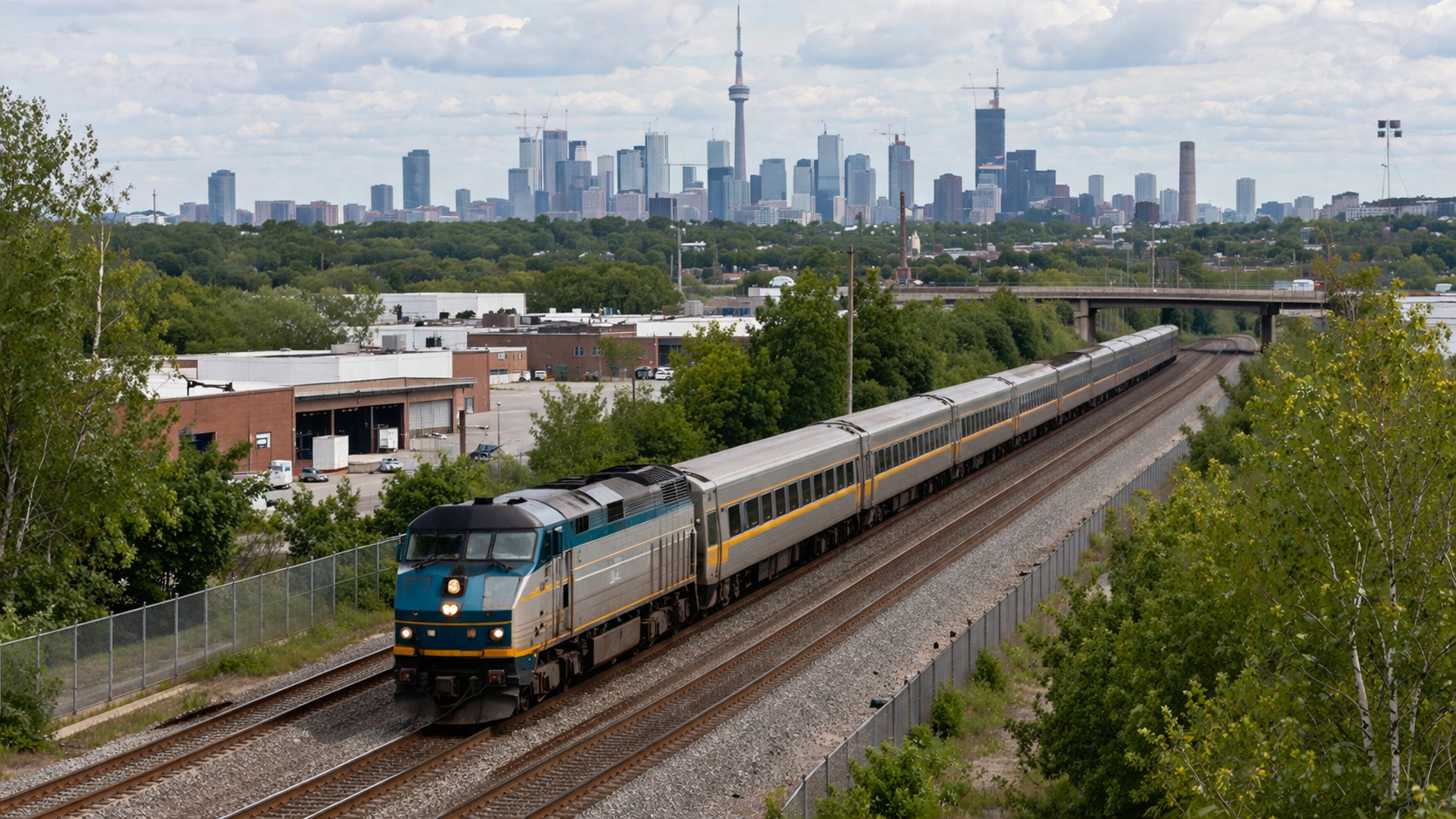
Conservative leader raises cost concerns as federal government advances plans for major rail project
Pierre Poilievre says he does not support the federal government’s proposed high-speed rail project in the Toronto–Quebec City corridor, raising concerns about cost, execution risk, and potential value for taxpayers.
The project, referred to as “Alto,” would link Toronto, Ottawa, Montreal, and Quebec City with significantly faster passenger rail service. Federal officials have described it as a long-term infrastructure investment aimed at improving mobility and economic connectivity in the country’s most densely populated region.
Poilievre said large-scale government projects have a track record of exceeding initial budgets and timelines, and questioned whether the proposed rail line would deliver sufficient economic benefit to justify the expected cost. He has indicated that a Conservative government would instead focus on other infrastructure priorities.
The federal government has not released a final price tag for the project, but previous estimates and comparable international projects suggest costs could reach into the tens of billions of dollars. Planning work is ongoing, including assessments of route options, delivery models, and potential private sector involvement.
Supporters of high-speed rail argue the corridor is well suited for the project due to its population density and existing travel demand. The Toronto–Quebec City corridor accounts for a significant share of Canada’s economic output and intercity travel. Advocates say faster rail service could reduce travel times, ease congestion on highways and at airports, and provide a lower-emission transportation alternative.
Canada’s current intercity passenger rail service in the corridor is operated by Via Rail. While portions of the network allow for relatively fast travel, trains often share tracks with freight traffic, which can lead to delays and limit overall speed and reliability.
The federal government has previously explored both high-frequency and high-speed rail options in the corridor. More recent discussions have focused on a dedicated passenger rail system that would allow for faster and more consistent service.
Industry observers note that similar projects in Europe and Asia have required sustained government investment and long planning timelines, but have also delivered long-term economic and transportation benefits.
The debate over the Alto proposal comes as governments across Canada face competing pressures to invest in infrastructure while managing deficits and cost-of-living concerns.
No final decision has been announced on whether or when the project will proceed.