
North of The City
York Region’s Chair Succession Follows the Same Provincial Script

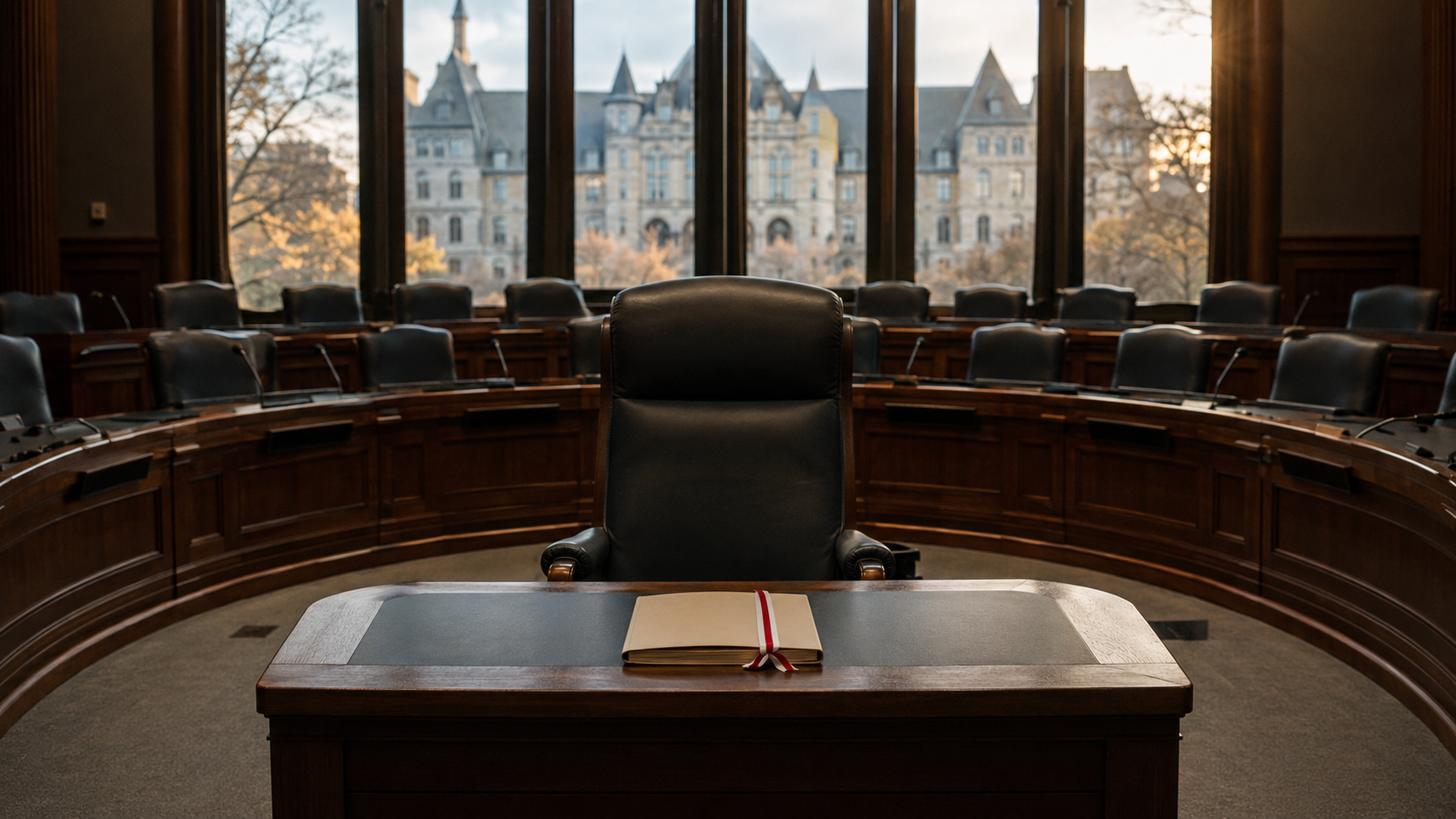
York Region is preparing for another provincially appointed chair, extending a governance model that has already placed former police chief Eric Jolliffe at the head of the regional council table without a public vote.
Jolliffe became York Region’s Chair and CEO on January 1, 2025, following the retirement of longtime chair Wayne Emmerson. Emmerson had held the position for a decade after being selected by regional council. When he retired in November 2024, council declared the seat vacant and Newmarket Mayor John Taylor served briefly as acting chair before the province installed Jolliffe. York Region officially welcomed Jolliffe to the position at the beginning of 2025.
That midterm appointment is now being followed by a full-term selection under Ontario’s Better Regional Governance Act, 2026.
The province opened applications on June 29 for the chair’s 2026–2030 term. Applications closed July 13, and no appointment has yet been announced. The successful candidate is scheduled to take office November 15, following Ontario’s municipal elections on October 26.
Applicants were required to be eligible municipal voters somewhere within York Region and qualified to serve on council. The provincial posting sought candidates with senior leadership experience, knowledge of municipal government and the ability to work with elected officials, other governments and community organizations. York Region confirmed that the Minister of Municipal Affairs and Housing will make the appointment.
The regional chair presides over a council representing more than 1.25 million people across Aurora, East Gwillimbury, Georgina, King, Markham, Newmarket, Richmond Hill, Vaughan and Whitchurch-Stouffville. Regional responsibilities include policing, transit, major roads, water and wastewater infrastructure, public health, paramedic services and social housing.
Voters will elect their local mayors, councillors and regional councillors this fall, but none of those ballots will determine who occupies the chair above them.
Under the new legislation, the minister may appoint the head of council following every regular municipal election. If the province hasn’t made an appointment by the inaugural council meeting, council members may select a chair themselves. The minister retains the authority to remove either a provincially appointed or council-selected chair and name a replacement. York is one of eight upper-tier municipalities covered by the new system.
The model has already drawn local criticism. Taylor described it as an erosion of democracy and warned that it blurs accountability by placing the region’s most senior political office between provincial authority and municipal responsibility.
That tension will follow candidates through the fall campaign. Mayoral contenders in Vaughan, Markham, Richmond Hill and York’s smaller municipalities will be asked where they stand on the appointment, even though they have no direct control over who receives it.
The chair won’t appear on any ballot, but the position’s democratic legitimacy is likely to become an election issue anyway.
