
The Canadianist Exclusive | Opinion
A Majority Government Without a Majority Country
Canada’s latest majority delivers control in Parliament, but not alignment across the country, exposing the growing gap between power and representation.

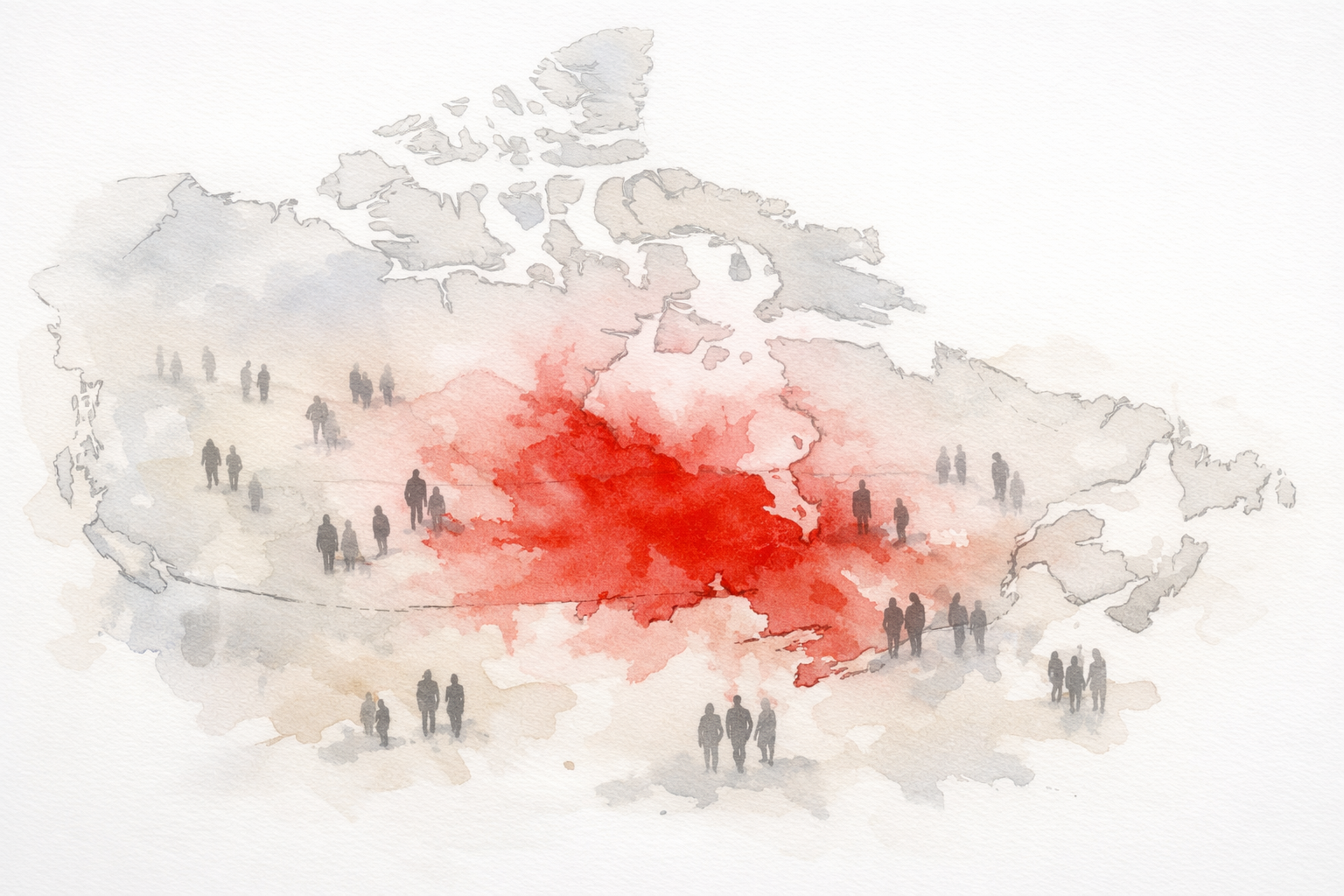
Canada’s latest majority delivers control in Parliament, but not alignment across the country, exposing the growing gap between power and representation.
On paper, Canada has arrived at stability.
There is a majority government. There is control in Parliament. There is, ostensibly, the ability to govern without interruption.
But if you step outside the numbers and actually observe the country, the tone is very different.
It doesn’t feel stable.
It feels fragmented.
The governing Liberals hold a majority, but not a unified national consensus. The Conservatives, once well ahead in the polls, are struggling to re-establish their footing. The NDP has been reduced to the margins and is searching for relevance. The Bloc continues to operate within Quebec, largely detached from the national direction.
Taken together, this is not a country moving forward in alignment. It is a country moving on parallel tracks.
And that raises a more fundamental question.
What does “stability” actually mean in this context?
Because in Canada’s system, a majority in Parliament does not require a majority of public support. It requires a plurality of votes, efficiently distributed, and a seat count that converts that plurality into full control.
That distinction matters.
It means a government can hold all the legislative power while a significant portion of the country remains outside that mandate. That disconnect doesn’t disappear after election night. It carries forward into how policies are received, how decisions are interpreted, and how trust in the system evolves.
This is where the current moment becomes more complex than the headline suggests.
There is stability in the numbers.
There is fragility in the country.
And the gap between those two realities is where the tension lives.
You can see it even in how policy is debated. When ideas move from opposition benches into government action, the reaction is not recognition of a functioning system, but accusation. Credit becomes the story, not outcomes. Division becomes the default, even when the process is working as intended.
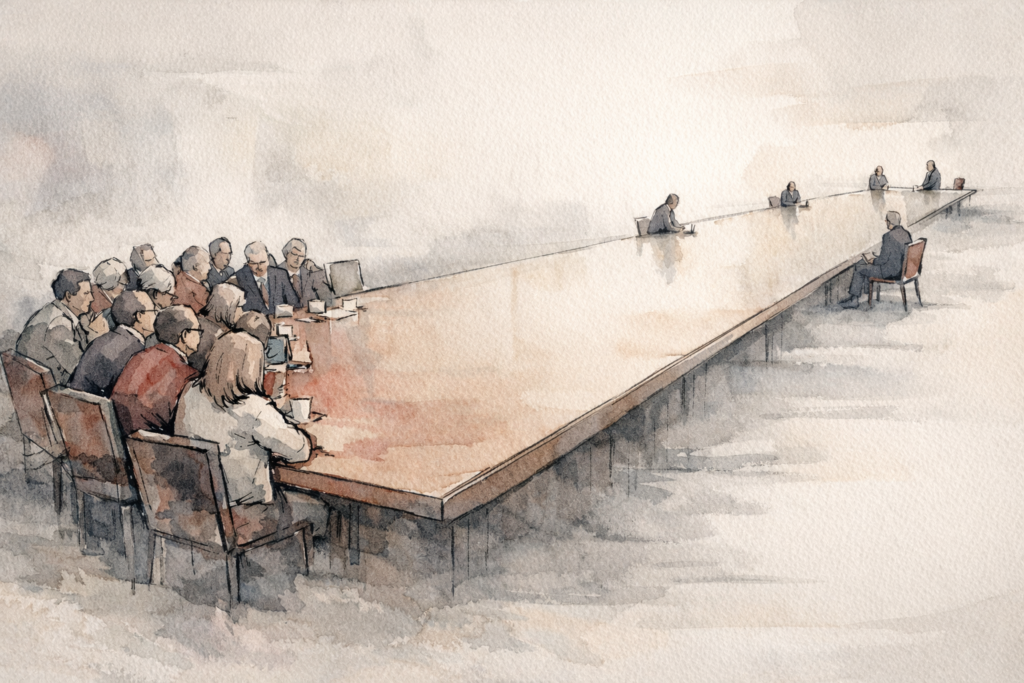
That is not a failure of any one party. It is a reflection of a system that concentrates power without requiring broad alignment.
Which brings us to the larger point.
Control is not the same thing as balance.
A system that routinely delivers full governing power to one party at a time will always produce sharp swings, rising frustration, and policies that are vulnerable to reversal. It may move quickly, but it does not necessarily move cohesively.
A balanced system, by contrast, forces negotiation. It requires multiple perspectives to shape outcomes. It slows things down, but in doing so, it tends to produce decisions that are more durable and more reflective of the country as a whole.
That is the conversation Canada is now approaching.
Not who won.
But whether the result actually reflects the country.
Because if it doesn’t, then the issue is not the outcome. It is the structure that produced it.
And until that structure is addressed, the sense that something doesn’t quite add up will remain, no matter which party holds the majority.