Toronto | North of The City
The Affordable Housing Gap: Why York Region’s Market-Driven Strategy Keeps Falling Through

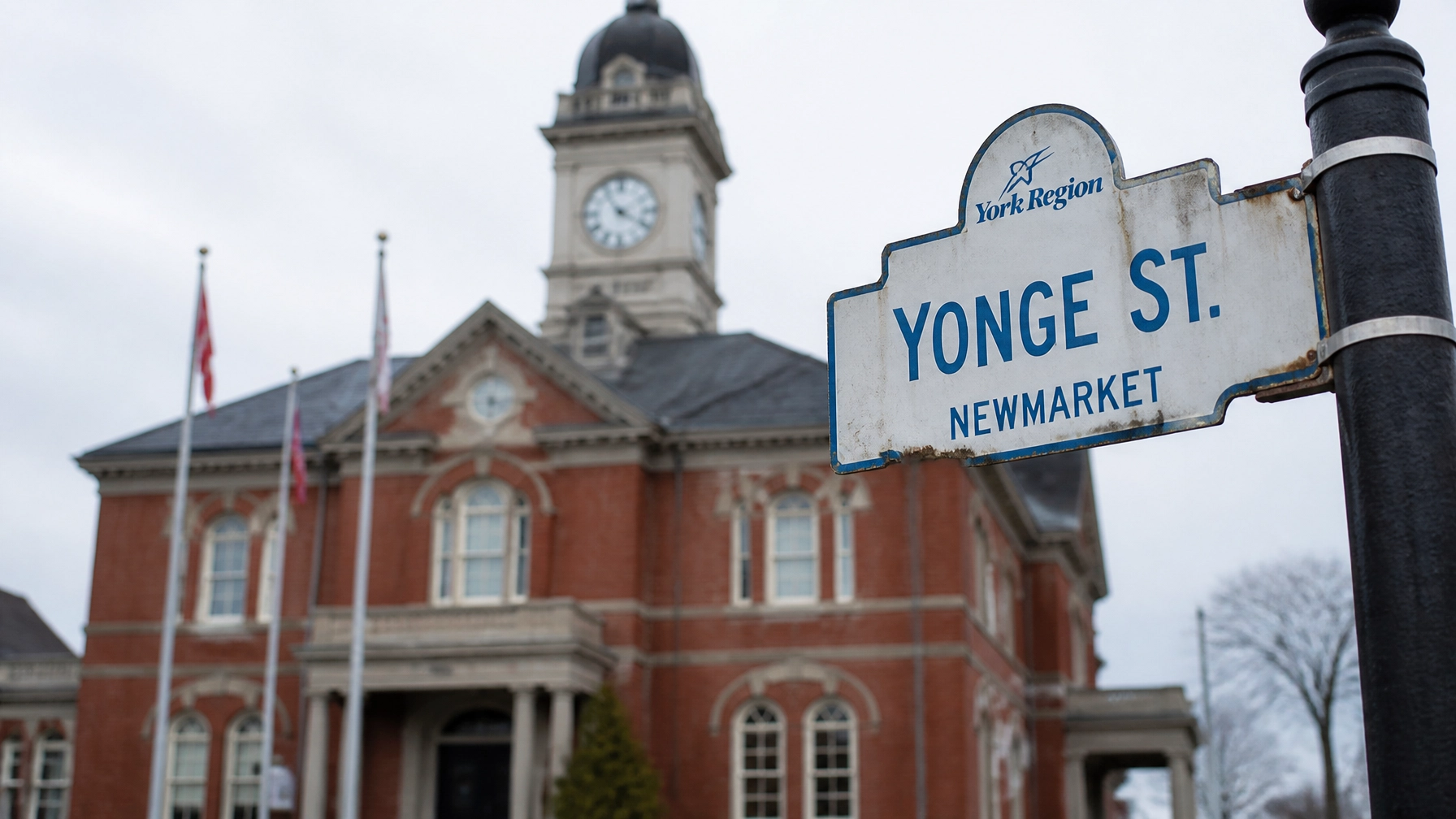
For years, the political gospel preached across the municipal chambers of Newmarket, Aurora, and Richmond Hill has been remarkably consistent: leave it to the market. Whenever the conversation turns to the crushing weight of housing unaffordability north of Toronto, regional planners and provincial handlers roll out the same polished slide decks. They speak in reverent tones about public-private partnerships, development charge deferrals, and innovative incentive structures designed to entice private capital into solving a crisis it helped create. Yet as rents continue to eclipse the earnings of working families along the Yonge Street corridor, a sobering reality settles over York Region. The market-driven strategy is not merely lagging behind the demand; it is fundamentally structurally incapable of producing the permanent, non-market public housing our communities desperately require.
To understand why York Region’s housing approach keeps stumbling, one must examine the faith placed in private apartment acquisition deals and developer incentives. Across municipal planning committees, consultants hired at great public expense routinely recommend tools such as the Affordable Private Market Housing Implementation Plan or regional Community Improvement Plans. These frameworks operate on a singular, unquestioned premise: that if government sweetens the pot enough with tax discounts and fee reductions, private developers and landlords will voluntarily surrender profit margins to house the vulnerable. But history and basic economics tell a different story. Private enterprises exist to generate returns for investors, not to operate charitable shelters. When subsidies dry up or market pressures shift, affordable units quietly transition back to luxury rentals, leaving municipal leaders scratching their heads over another failed pilot project.

Nowhere is this systemic mismatch more evident than in the persistent friction between regional ambitions and local realities. Consider the stretch from Davis Drive in Newmarket up through the historic core of Aurora. Municipal councils face mounting pressure from residents who see their children priced out of the neighbourhoods they grew up in. In response, local politicians vote for density targets and high-rise developments, hoping that sheer volume will magically translate into affordability. But volume without public ownership is just a speculative playground for real estate investment trusts. When the region relies on rent supplement agreements: where taxpayer dollars flow directly into the pockets of private landlords to bridge the gap between market rates and income-geared rent: we are merely subsidizing private asset portfolios rather than building permanent public equity.
The institutional inertia behind this market obsession runs deep. Provincial planning frameworks handed down from Queen's Park have systematically dismantled the mechanisms that once allowed municipalities to build and retain public housing stock directly. Instead, modern governance treats housing as a financial commodity, subject to the whims of interest rate hikes, construction labor shortages, and corporate boardroom decisions. When York Region attempts to broker deals for private apartment acquisitions or mixed-tenure developments, it does so from a position of weakness. The non-profit sector, represented locally by initiatives like the Blue Door land trust, fights heroically to acquire and preserve existing rental units before they are scooped up by speculative buyers and renovated out of reach. Yet these non-profit efforts remain severely underfunded, operating on a shoestring budget while millions in regional incentives are funneled into private developments that promise affordability tomorrow while delivering luxury rents today.

It is time to discard the comforting illusion that developers will rescue us from a crisis of affordability through sheer benevolence. Municipal leadership in York Region must confront the structural failures of the market-driven model with the same candor usually reserved for tax audits and road paving contracts. Relying on tax increment equivalent grants and interest-free development charge deferrals has proven to be an expensive exercise in wishful thinking. When public authorities surrender their direct role as builders and custodians of housing, they forfeit the only true leverage that protects citizens from the turbulence of speculative real estate cycles. If we want affordable housing that actually remains affordable for generations to come, the solution cannot be found in clever financial engineering or deals brokered behind closed doors with private landlords.
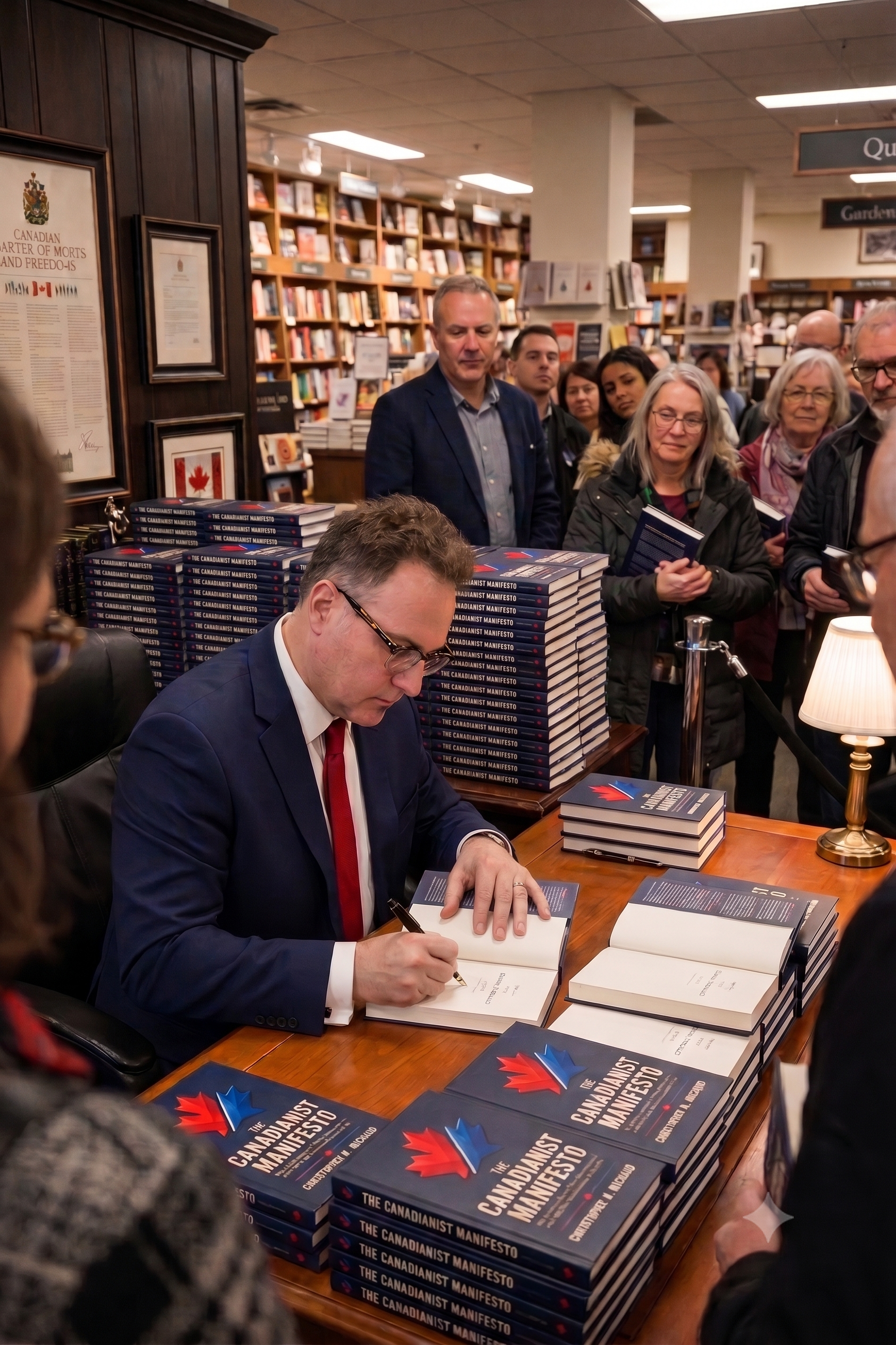
True reform requires a fundamental pivot away from corporate handouts and toward direct public investment in non-market housing stock. Municipalities across York Region own surplus lands and possess borrowing powers that could be marshaled to construct municipally owned, permanently affordable rental housing. Rather than acting as a junior partner to private developers, regional government must reclaim its authority as a primary provider of essential infrastructure. As we document extensively in our continuing coverage of governance north of the city at The Canadianist, the status quo is maintained because it serves entrenched economic interests at the expense of ordinary taxpayers. Until our political class summons the courage to challenge the dogma of the market and prioritize human shelter over profit margins, the affordable housing gap in York Region will only widen, leaving another generation locked out of the communities they built.