Toronto | North of The City
The Appointed Chair Model Takes Root: How Newmarket Council Is Being Sidelined on Regional Growth

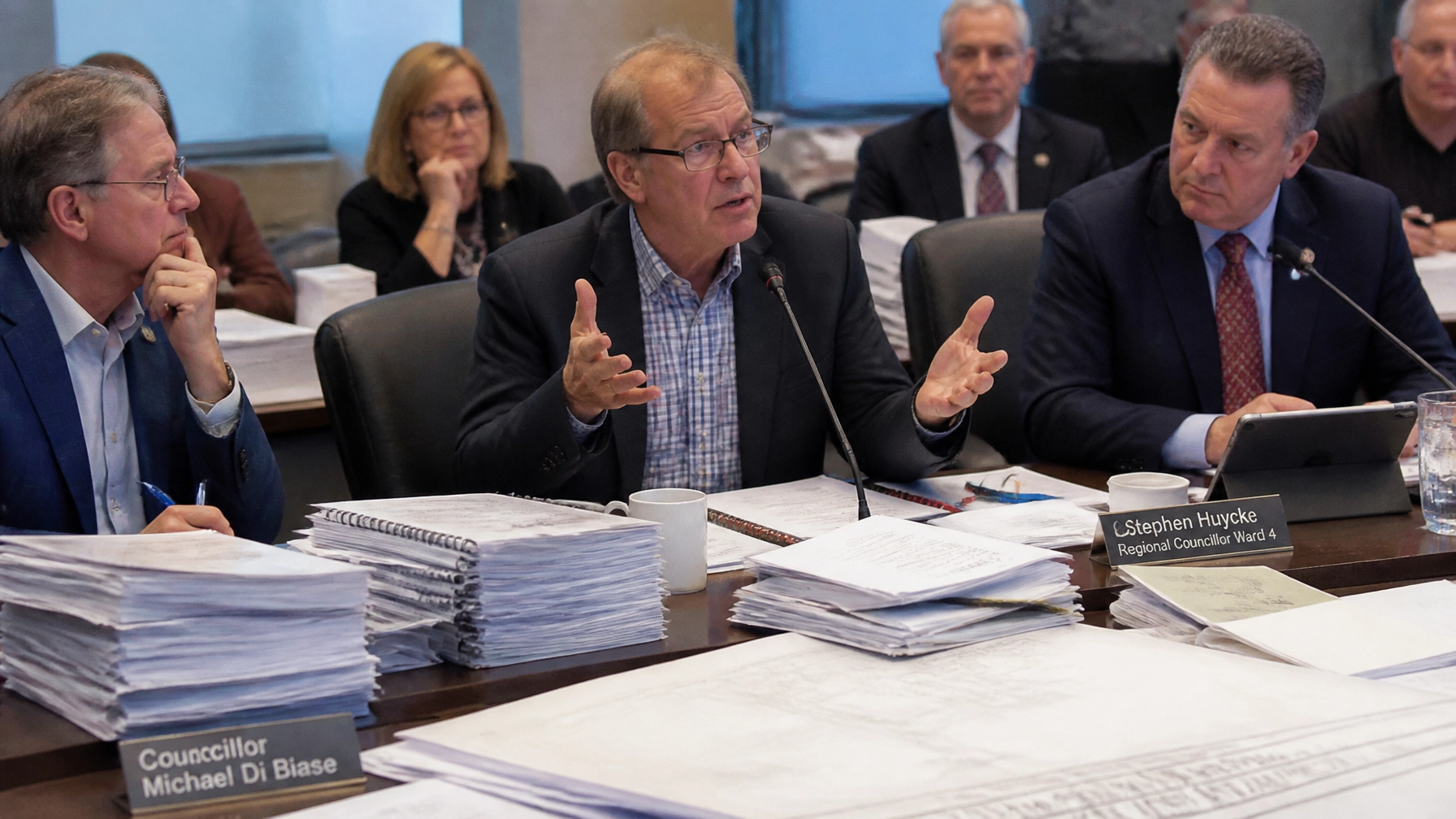
There is a quiet, institutional erosion happening across the municipalities north of Toronto, and if you listen closely to the hum of bureaucracy in York Region, you can hear the sound of local democracy being dismantled piece by piece. For decades, the democratic contract between citizens and their regional government was simple: you cast your ballot, you elect your representatives, and those representatives debate the roads, sewers, transit lines, and growth targets that shape your backyard. But with the implementation of the Better Regional Governance Act, that foundational contract has been rewritten in the backrooms of Queen’s Park. Across York Region and Simcoe County, the old traditions of municipal self-determination are giving way to a centralized corporate model where local councils are increasingly treated as inconvenient speedbumps on the road to provincial targets.
At the heart of this tectonic shift is the death of the directly elected regional chair. Voters heading to the ballot box in Newmarket and surrounding communities will no longer cast a vote for the head of York Regional Council. Instead, that powerful post is now subject to appointment: either directly by ministerial decree or through an insulated internal vote by regional councillors once the dust of an election settles. When you strip away the direct mandate of the voters, you sever the accountability loop that keeps politicians honest. An appointed chair who answers to provincial handlers in Toronto rather than taxpayers in Newmarket has very little incentive to listen to local concerns when regional growth plans clash with community preservation.

This shift is compounded by the importation of so-called strong chair powers, mirroring the sweeping unilateral authorities handed to mayors in larger urban centers. Under this new framework, the regional chair is equipped to drive annual budgets, hire and fire senior staff, and veto municipal bylaws subject only to cumbersome council override thresholds. It is an administrative framework designed explicitly to bypass debate and force compliance. When provincial priorities dictate that housing and infrastructure must be rammed through at breakneck speed, dissenting voices from local municipalities find themselves walled off by procedural machinery. Newmarket’s representatives on York Regional Council now face a stacked deck, where their local mandate can be overridden with the stroke of a pen by a chair who was never elected by the people they claim to serve.
Nowhere is this top-down disconnect more evident than in the frantic rush to master-plan transit corridors and housing densities across southern York Region. Consider the ongoing rollout surrounding the Stouffville GO corridor and adjacent regional transit nodes, where provincial planners and regional bureaucrats are locking in high-density development targets years in advance of local infrastructure readiness. On paper, transit-oriented development sounds like progressive urban planning. In practice, it is being deployed as an unyielding growth mandate that ignores the physical limits of municipal water systems, road networks, and community services. Local councillors who attempt to push back or request phased integration are dismissed as obstructionists standing in the way of regional progress.

The friction between provincial ambition and local reality is nowhere more glaring than in the persistent housing affordability crisis. While Queen's Park and regional authorities churn out press releases celebrating ambitious construction targets, the actual mechanics of housing delivery continue to falter at the community level. In recent months, high-profile municipal attempts by York Region to acquire private apartment units for permanent non-market housing have quietly collapsed, laying bare the profound limitations of market-driven housing strategies. When municipalities are forced to rely on erratic private market acquisitions because upper levels of government refuse to fund and build public housing directly, vulnerable families pay the price. Yet, instead of addressing these structural market failures, regional leadership doubles down on developer-friendly density targets that enrich land speculators while doing little to lower rent for working-class families in Newmarket and Aurora.

The defenders of this centralized model will always argue that efficiency requires hierarchy, that local politics are too messy, too parochial, and too slow to meet the housing demands of a growing province. They point to housing waitlists and economic headwinds as justifications for overriding local zoning bylaws and sidelining elected councillors. But this argument fundamentally misunderstands the purpose of municipal government. Local democracy is supposed to be messy because communities are diverse, complex, and protective of their historic character. When you sanitize governance by installing appointed regional chairs with veto powers, you eliminate the friction that protects citizens from bureaucratic overreach. You replace democratic consensus with autocratic administrative fiat.

For residents of Newmarket and the surrounding countryside, the stakes could not be higher. When local councillors are reduced to quiet spectators on regional bodies, decisions about where growth goes, how tax dollars are spent, and what kind of communities we leave to our children are made far away from public scrutiny. First-past-the-post distortions and administrative restructuring are quietly severing the link between the citizen and the state. If we allow regional governance to become the exclusive domain of appointed technocrats wielding strong-chair vetoes, we will wake up to find that our towns have been reshaped without our consent. Restoring meaningful local autonomy requires pushing back against provincial encroachment, demanding transparent decision-making, and remembering that true governance always starts from the ground up, not from the top down. Readers looking for deeper investigative reporting on municipal affairs can explore The Canadianist News.