Toronto | East of the City
The Stouffville GO Corridor Report Rolls Forward : And Local Councils Are Already Signed Off

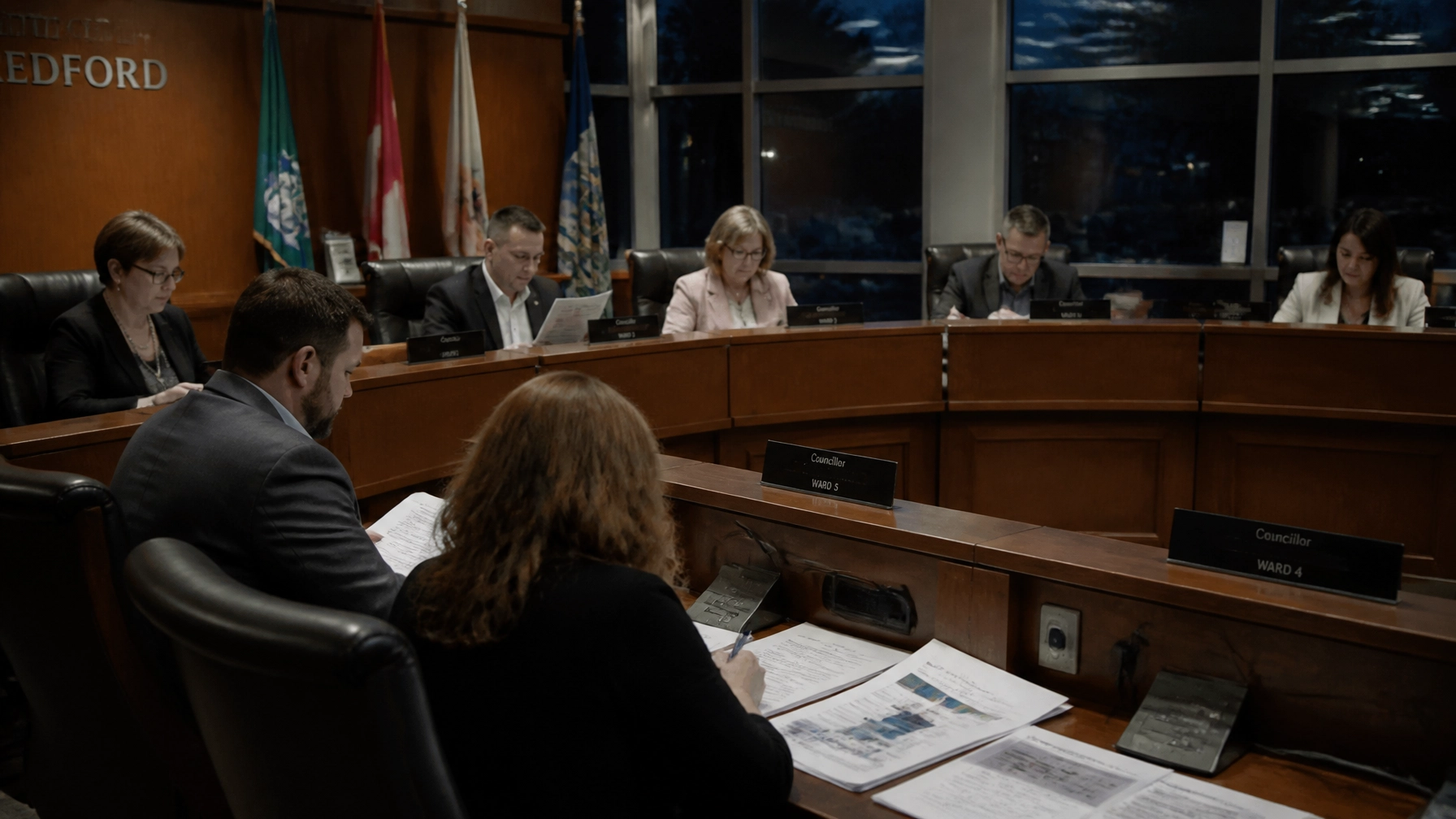
There is a particular kind of municipal theater that plays out across the Greater Toronto Area with clockwork predictability. It begins with a grand vision: a transformative, inter-governmental master plan designed to link transit, housing, and economic development into a seamless, modern corridor. Headlines are struck, council resolutions are passed with polite applause, and local leaders line up to endorse the framework.
There is only one minor catch: the actual study hasn't been completed yet.
When regional backing and municipal endorsements are secured ahead of final reporting: slated for March 2027: communities across York Region and Markham find themselves locked into high-density transit-oriented development frameworks before they have seen the foundational infrastructure assessments. For residents and commuters along the Stouffville GO corridor, this rubber-stamp culture raises an uncomfortable question: are local councils managing growth, or are they simply giving advance authorization to regional mandates written from above?
The Anatomy of a Premature Sign-Off
In local government, timing is everything. When Markham council approved a Notice of Motion calling on the Ontario government to establish an inter-governmental steering committee for a comprehensive Stouffville GO corridor master plan, the rhetoric was undeniably visionary. The goal: coordinate housing, employment, transit-oriented communities, and recreation across the entire line from Union Station to Lincolnville (Old Elm) GO.

Yet, as outlined in regional planning discussions, the corridor master plan is currently a mandate and a work program: not a finished blueprint. Committing municipal political capital and regional backing to a framework years before final data is tabled is the municipal equivalent of signing a contract without reading the fine print.
Mainstream coverage often frames these milestones as unmitigated victories for transit integration. But a critical look at regional proceedings reveals a persistent pattern: local councils are asked to endorse density targets and intensification corridors before the infrastructure weight-bearing tests have even cleared committee.
The Promise and Pressure of GO Expansion
At the heart of the Stouffville corridor strategy lies Metrolinx’s GO Expansion program, which promises 15-minute, all-day, two-way service between Union Station and Unionville GO, alongside infrastructure upgrades including double-tracking, signal modernizations, and station modifications.
These transit upgrades are intended to increase line capacity and serve as the physical backbone for higher-density housing. Through York Region's Transportation Master Plan and Major Transit Station Area (MTSA) policies, minimum density requirements: such as 150 persons and jobs per hectare in Whitchurch-Stouffville: are being baked into official plans to incentivize mid-to-high-rise residential development near stations.

On paper, transit-oriented development (TOD) makes textbook sense. In practice, however, local municipalities bear the immediate strain when density arrives faster than water, wastewater, road capacity, and community services can expand to meet it. When regional councils sign off on sweeping corridor frameworks without waiting for granular feasibility studies, local taxpayers are left holding the bag for any infrastructure deficits that emerge down the line.
Who Speaks for the Commuter and the Taxpayer?
The rush to greenlight corridor reports highlights a deeper democratic deficit in regional governance. As Queen's Park and regional authorities increasingly streamline planning approvals to accelerate housing supply, municipal councils find themselves squeezed between top-down housing mandates and local neighborhood concerns.
For politically engaged residents in York Region: stretching from Markham and Whitchurch-Stouffville up toward Newmarket and Aurora: the issue isn't whether transit should be improved or whether new homes should be built. The issue is accountability. When municipal leaders endorse multi-year planning frameworks before the research is compiled, they short-circuit genuine public debate.

Looking Ahead to March 2027
As staff continue compiling findings, cost analyses, and implementation frameworks ahead of the March 2027 reporting deadline, local councils must stop treating rubber stamps as a substitute for rigorous oversight.
A truly sustainable transit corridor requires more than optimistic projections and regional sign-offs; it demands transparent cost accounting, realistic infrastructure timelines, and an unflinching look at whether existing communities have the support systems necessary to absorb exponential growth. Until our elected representatives start demanding answers before signing on the dotted line, the Stouffville GO corridor will remain a textbook study in top-down planning pushed through on a wing and a prayer.
What are your thoughts on how regional transit and housing targets are being managed in your community? Let us know in the comments below, and stay tuned to The Canadianist for ongoing, independent coverage of municipal governance across Ontario.
{“@type”:”NewsArticle”,”author”:{“name”:”NEWMARKWT | NEWSDESK”,”@type”:”Organization”},”@context”:”https://schema.org”,”headline”:”The Stouffville GO Corridor Report Rolls Forward — And Local Councils Are Already Signed Off”,”publisher”:{“url”:”https://thecanadianist.news/”,”name”:”The Canadianist”,”@type”:”Organization”},”description”:”An investigative look at how regional councils and municipalities in York Region are endorsing sweeping transit-oriented development frameworks along the Stouffville GO corridor before final feasibility reporting is complete.”,”datePublished”:”2026-08-02″}